When Roof Damage Turns Into a Claim
A commercial roof rarely fails all at once. It's a nor'easter that lifts a section of membrane, a wind gust that peels back edge metal on a Warwick warehouse, or a slow leak that finally shows up on a tenant's ceiling in a converted Providence mill building. Once the cause is a covered peril, the building owner is looking at an insurance claim, and the roof itself becomes the evidence. We are a commercial roofing contractor, not a public adjuster, so our part in that process is straightforward: inspect the roof, document what the weather actually did to it, and put together a repair scope that reflects the full extent of the damage rather than only the part visible from the parking areas.
Property managers and owners across the state call us at two very different moments. Sometimes it's within hours of the storm, with water already coming through a ceiling and a claim number already assigned. Other times it's weeks later, after a first adjuster visit came back with a scope that doesn't match what the roofing crew sees standing on the membrane. Either point of entry works. What matters is that the roof gets looked at closely by someone who does this work every day, instead of glanced at from a ladder.
What a Claim-Ready Inspection Actually Documents
An insurance claim lives or dies on documentation, and vague notes don't hold up against a scope review. When we inspect storm or damage-related roof issues, we build a record with the same rigor we'd want if we were on the other side of the desk: date-stamped photographs of every affected area tied to a roof diagram, moisture readings where water intrusion is suspected, measurements of displaced or missing material, and notes on the existing roof assembly so a reviewer can see exactly what was damaged versus what was already there. On older buildings, especially the mill and warehouse stock common around Providence and the Blackstone Valley, we also note deck condition and prior repairs, because an honest baseline makes the storm findings more credible, not less.
Photos and Measurements
Every finding gets a photo, a location on the roof plan, and a measurement where one applies, square footage of a torn membrane, linear footage of lifted flashing, the depth of a ponding area caused by a clogged drain after debris blew in.
Moisture Readings
Where water may have tracked under the membrane, we use moisture survey methods to map the wet insulation rather than guessing at the extent. A roof can look intact on the surface while the insulation underneath is already saturated, and that hidden damage belongs in the claim file.
Meeting the Adjuster on the Roof
When the insurance company's adjuster schedules a site visit, we make a point of being there with them. Our job in that meeting is to walk the same roof, point to the same damage, and explain in plain, technical terms why the repair method we're proposing is the one the assembly actually requires. If the adjuster's field notes and ours land in different places, that's usually a visibility problem, not a disagreement, something wasn't accessible from where they stood, or a detail like a compromised flashing lap wasn't obvious without pulling back the cap sheet. We walk it together and point it out directly rather than leaving it for a phone call after the fact.
Building a Scope That Covers the Whole Roof
A repair estimate that only patches the visibly damaged section often leaves real problems unaddressed. Our scopes account for the areas immediately around the damage that also need attention, matching materials where a manufacturer's system requires it, and code or ordinance upgrades that a permit will require even if the original roof predates them, insulation R-value, drainage sizing, wind uplift ratings. Leaving those out of a claim scope doesn't save the owner money, it just means the gap gets discovered mid-repair, when it's harder and more expensive to add back in. Getting the full, accurate scope in front of the insurer the first time is what we mean when we talk about a complete claim, nothing legitimate left out, nothing invented either.
When a Claim Comes Back Denied or Underpaid
Not every first estimate matches what the roof actually needs. When an insurer's scope comes back short, either lower than the real repair cost or missing line items entirely, we go back to our own documentation and put together a clear, photo-backed explanation of the gap: here is the damage, here is why the proposed repair method doesn't address it, here is what a correct repair actually costs. That packet goes to the owner to use with their adjuster or carrier. We're your roofing contractor, not a public adjuster, we document and substantiate the roof damage so you and your adjuster work from an accurate scope, but a well-supported technical case is often what moves a stalled or underpaid claim forward.
Rhode Island Buildings We See on Claims
The buildings behind these claims aren't generic. Providence's jewelry district and its converted mill buildings carry aging built-up and modified bitumen roofs that were never designed for today's rooftop mechanical loads, so a storm often exposes years of deferred maintenance at once. Down at the Port of Providence, industrial and warehouse roofs face constant salt air off Narragansett Bay along with heavy equipment traffic on the membrane itself. Out at Quonset Point, the logistics and distribution buildings run large, flat, single-ply roofs where wind uplift at the perimeter is the most common storm finding. Coastal salt exposure alone, even without a named storm, accelerates fastener corrosion and edge metal failure across the state, which is why a roof that looks fine in a drive-by can still have a legitimate claim underneath it.
Start the Claim With an Accurate Roof Assessment
Whether the damage happened last night or the claim has been sitting open for weeks, the fastest way to move it forward is a roof assessment that gives your adjuster something concrete to work from. We serve commercial building owners and property managers statewide, from Providence and Warwick out to the coast and the Blackstone Valley mill towns, and we can get on the roof, document the damage, and put together the scope your claim needs.
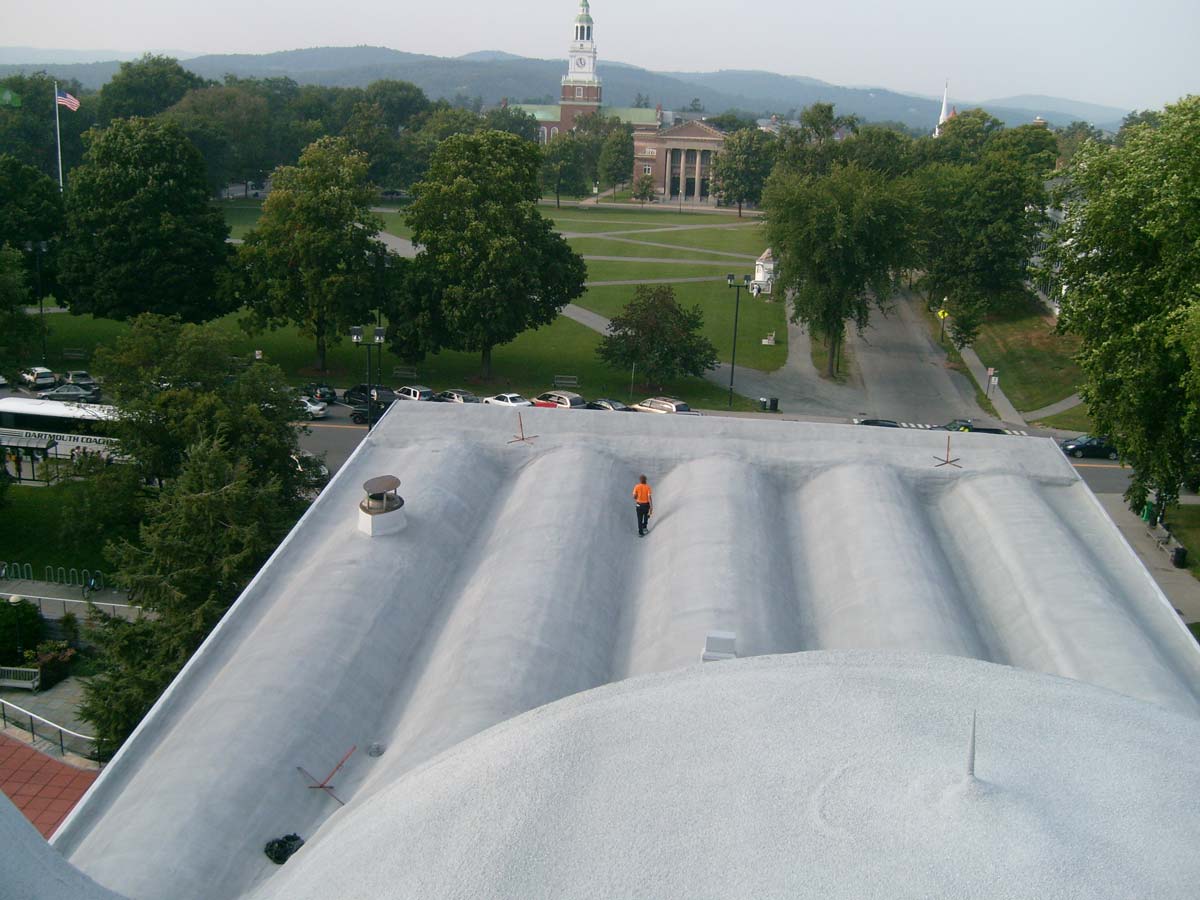 Acrylic Roof Coatings in Providence, RI
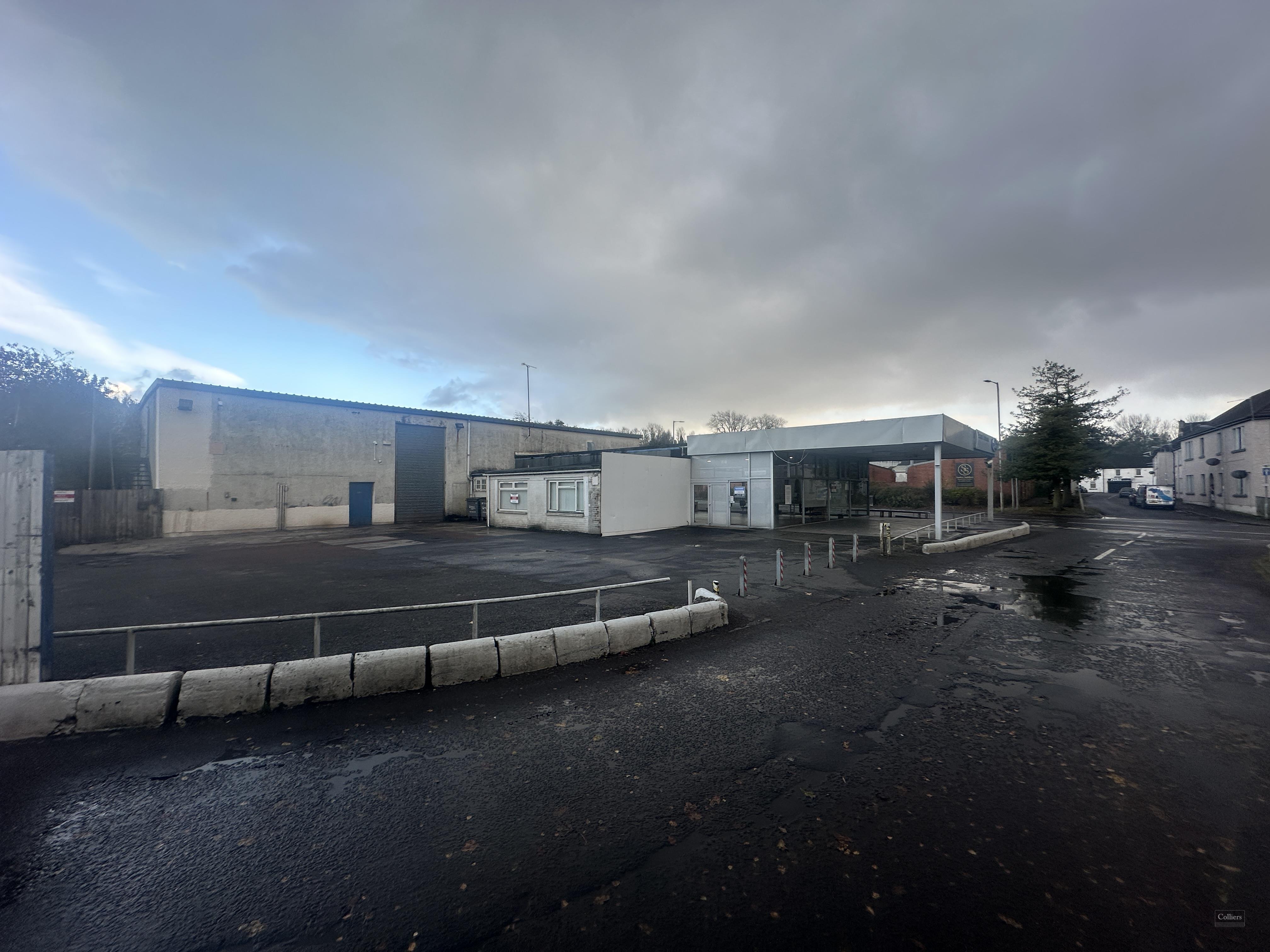 Auto Dealership Roofing in Providence, RI
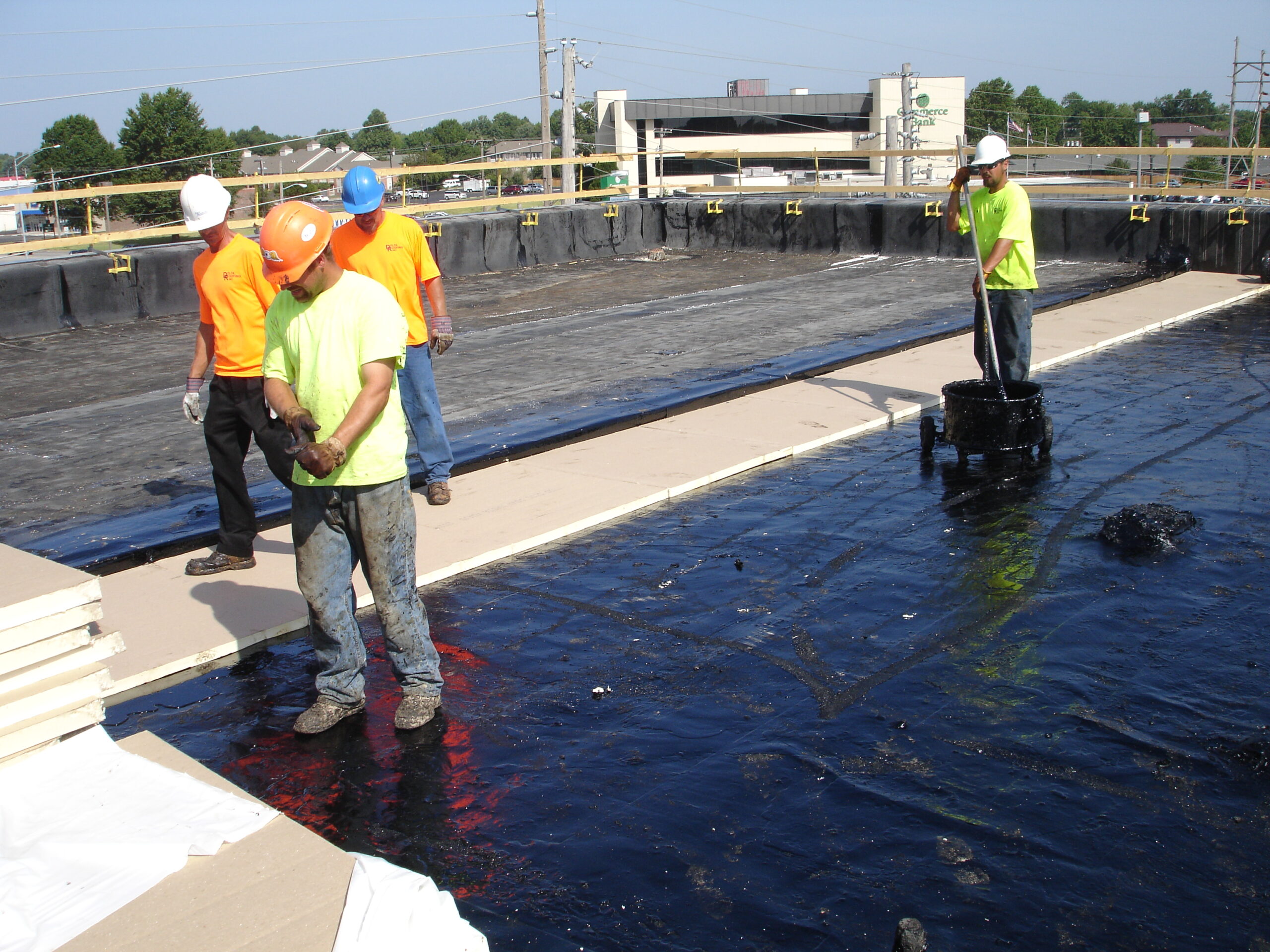 Built Up Roofing in Providence, RI
 Church Roofing in Providence, RI
 Commercial Re-Roofing in Providence, RI
 Commercial Roof Inspection in Providence, RI
 Providence
 Warwick