
The Silicone Roof Coating System on Rhode Island Commercial Buildings
A silicone roof coating is a fluid-applied membrane. It arrives as a liquid, is rolled or sprayed over a prepared existing roof, and cures in place into a seamless rubbery skin bonded to the roof beneath it. That is the entire idea of the system: instead of tearing off the old roof and laying down sheets, you build a brand-new continuous waterproof surface on top of the one already there. The cured silicone has no seams anywhere in the field, because it went down as one continuous liquid, and a roof with no seams in the field has eliminated the very places where most low-slope roofs leak. We apply silicone coating systems on commercial and industrial roofs across all 39 Rhode Island cities and towns, and on a sound but weathered roof it is one of the most cost-effective ways to add a decade or more of waterproof service without a tear-off.
This roof scope covers the coating as a roof system in its own right, how the fluid-applied membrane is built up and why silicone in particular behaves the way it does on a Rhode Island roof. The single property that sets silicone apart from every other coating chemistry is its relationship with standing water, and that property is what decides where it belongs.
How the Fluid-Applied Membrane Is Built
The silicone system is built in coats, and the thickness of the finished membrane is part of the spec, measured in cured mils just like a sheet membrane. The roof is first cleaned and prepared, because the coating bonds only as well as the surface underneath it, and any failed seams, open flashings, or wet insulation are addressed before a drop of silicone goes down, since a coating cannot bridge a problem it is sprayed over. Reinforcing fabric is embedded in the coating at seams, penetrations, and detail areas to add strength where the roof moves and works hardest. Then the silicone is applied across the whole field to a specified thickness, often in more than one coat, building up the seamless membrane that becomes the new weather surface. The finished system is a monolithic skin that flows over and seals every seam and penetration in the old roof as one continuous layer.
- It is seamless. Because it goes down as a liquid, the cured membrane has no field seams to split, peel, or back-water, which removes the failure points that plague sheet roofs.
- It is fully bonded. The coating adheres across its whole back to the roof beneath, so there is no space for water to travel under it and no fastener lines for wind to work, provided the prep was done right.
- It is renewable. When the membrane weathers down after years of service, the roof is cleaned and recoated over the sound existing silicone, restoring the surface without a tear-off and restarting the clock.
The Property That Defines Silicone: Ponding Water
The reason to choose silicone over other coating chemistries comes down to one thing: silicone tolerates standing water. Most coatings degrade where water ponds and sits, softening and breaking down over a roof that will not drain. Silicone does not. It holds up under chronic ponding that would destroy an acrylic, which is precisely why it is the coating we reach for on the flat, poorly draining roofs that fail other systems. On a Rhode Island building where water stands at low spots and around tired drains long after a storm, that single property is the difference between a coating that lasts and a coating that fails at the puddles. Silicone also holds its reflective surface well, bouncing solar heat off the roof and holding down summer cooling load and rooftop temperature.
Why Silicone Holds Up in the New England Climate
The ponding tolerance is exactly the property a Rhode Island roof needs, because so many low-slope roofs in this state pond by the time they are candidates for a coating. Heavy snow melts slowly and backs up at low spots and clogged drains, and the meltwater stands for days through late winter. A silicone membrane sits under that standing water without breaking down, where another coating would fail at every puddle. Freeze-thaw is the relentless winter cycle here, water finding a weakness, freezing, expanding, and prying it wider, and a seamless fully bonded silicone skin gives that water nowhere to enter and freeze in the first place, provided the membrane is intact and the prep sealed the details. Nor'easters drive wind and rain that a continuous bonded membrane handles well, because there are no seams or loose laps for the wind to catch and the coating resists uplift across its whole bonded surface rather than at fastener lines.
On Aquidneck Island, in Newport, and across South County, salt-laden coastal air corrodes the metal parts of any roof, and a fully bonded fluid-applied membrane that seals over the existing flashings and metal can extend the life of details that the salt has begun to work on, though badly corroded metal still has to be addressed in the prep rather than coated over.
Where the Silicone System Fits Across Rhode Island
- Aging mill roofs. The 19th-century textile-mill buildings in Pawtucket, Woonsocket, and West Warwick carry broad, dead-flat low-slope roofs that pond and are often sound in the deck but tired on the surface, the classic candidate for a ponding-tolerant coating that adds years without a tear-off.
- Quonset industrial roofs. The large industrial buildings at the Quonset Business Park span wide low-slope fields where recoating a sound roof is far cheaper and less disruptive than replacing acres of membrane.
- Occupied Providence-area buildings. Around downtown Providence and the hospital district, a coating restores the roof from above with minimal disruption to the tenants and operations below, where the existing roof is a suitable candidate.
The Case for a Coating Over a Tear-Off
A silicone system is a restoration, not a replacement, and that is its appeal. Where the existing roof is structurally sound but weathered, coating it builds a new waterproof surface for a fraction of the cost and disruption of a tear-off, with no debris hauled to a landfill and no deck left exposed to the weather during the work. It also adds a reflective surface that an old, dark, sun-baked roof never had. But a coating is honest only when the roof underneath can carry it. A coating cannot fix wet insulation, a failing deck, or a roof at the genuine end of its life, and sprayed over those problems it simply fails along with the roof beneath it. We are clear with owners about which roofs are coating candidates and which need replacement, because the worst outcome is coating a roof that should have been torn off.
How We Apply a Silicone Coating System
We start on the roof, assessing whether it is a candidate at all. We check the surface, the seams, the flashings, and the drains, probe for saturated insulation, and confirm the existing roof is sound enough to carry a coating, because the system is only as good as what it bonds to. We address the details first, repairing failed seams and flashings and reinforcing the working areas with embedded fabric, then apply the silicone to the specified thickness across the field. Application conditions matter, since the coating must cure in suitable weather, so we plan the work around it. On occupied buildings we sequence the work to keep tenants running and the interior protected throughout.
Request a Silicone Coating Assessment
If you own or manage a commercial building in Rhode Island with a flat roof that ponds water, is sound in the structure but tired on the surface, and you would rather extend it than tear it off, a silicone coating system may be the right move. Reach out to schedule a roof assessment, and we will give you an honest read on whether your roof is a coating candidate and what restoring it would take.
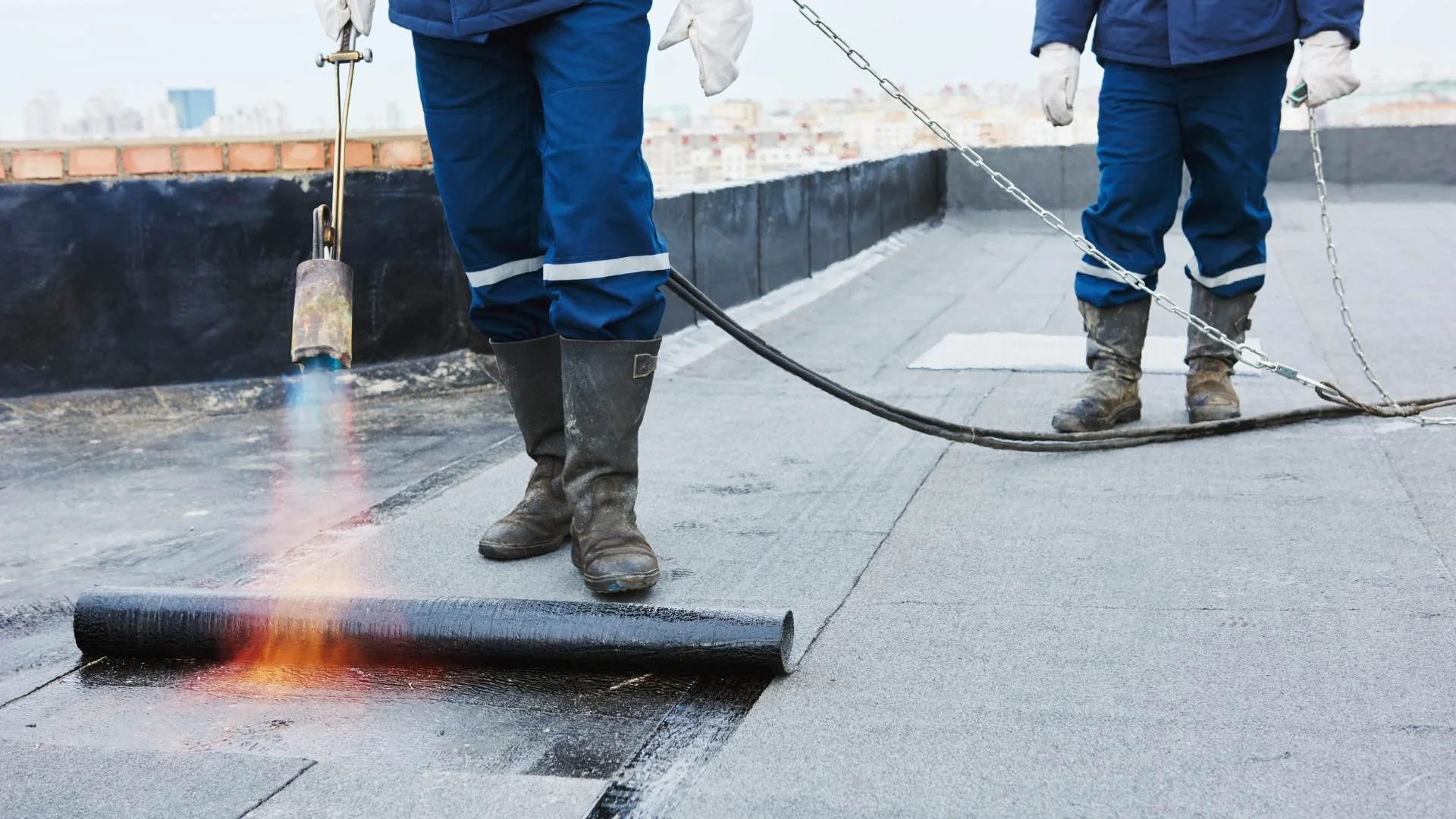 APP Modified Bitumen in Providence, RI
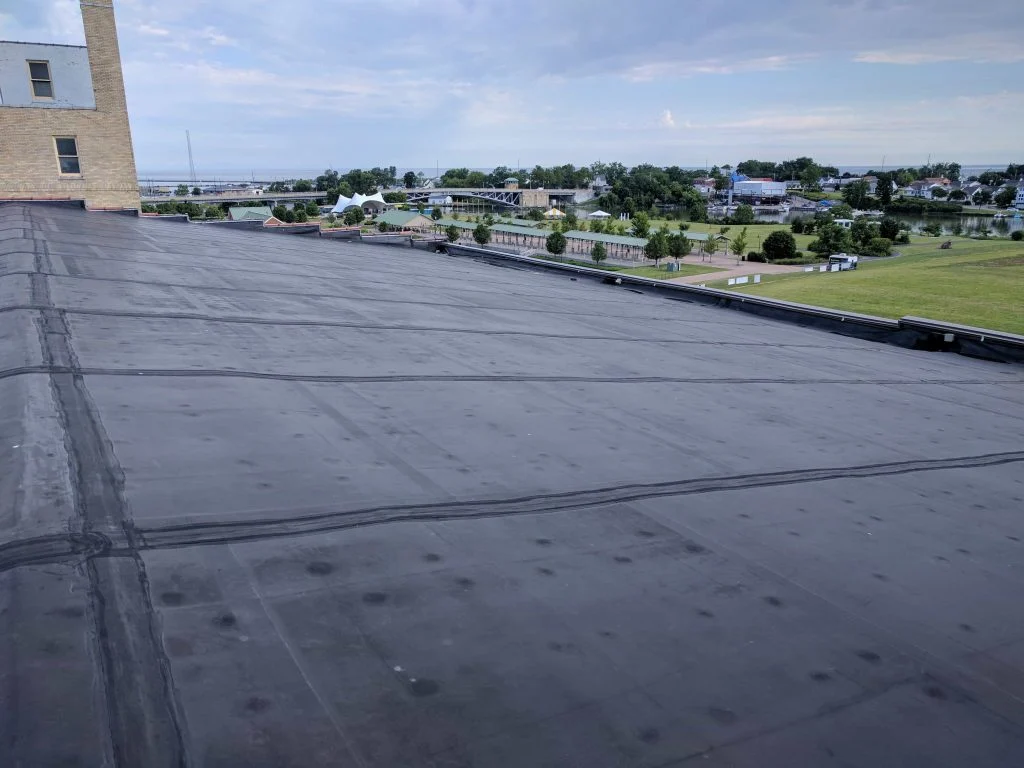 Built Up Asphalt in Providence, RI
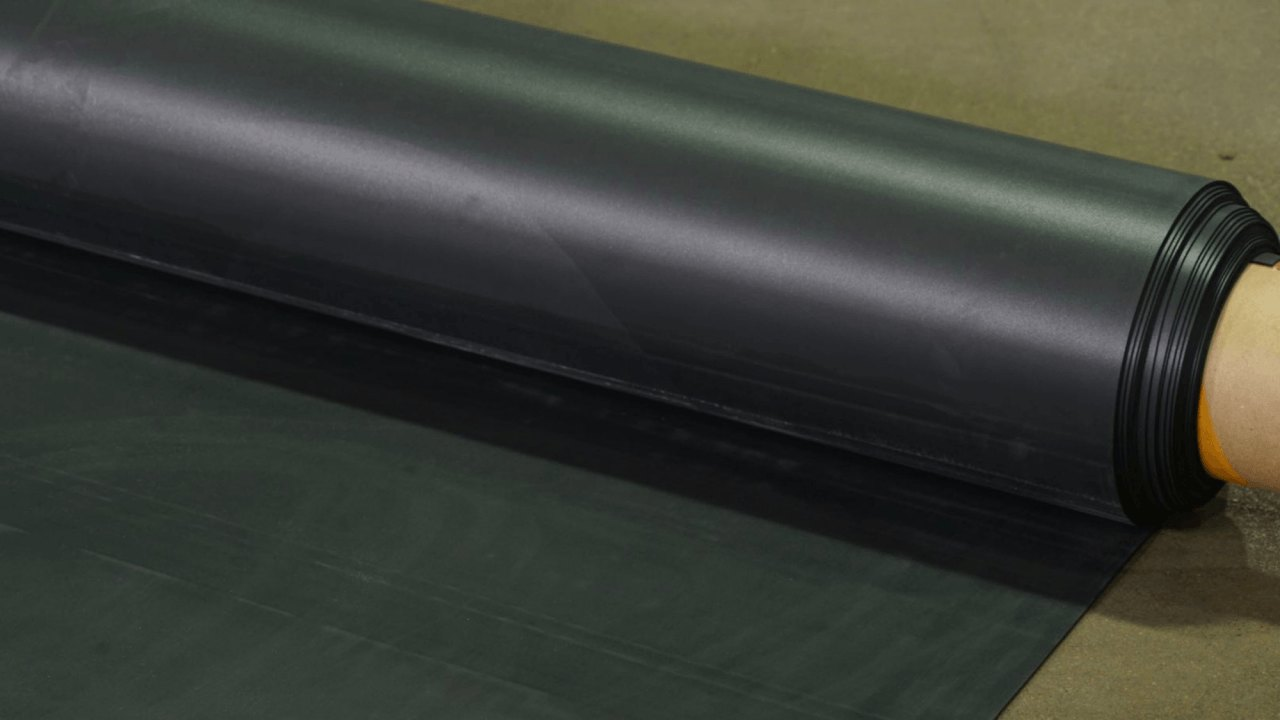 EPDM Black in Providence, RI
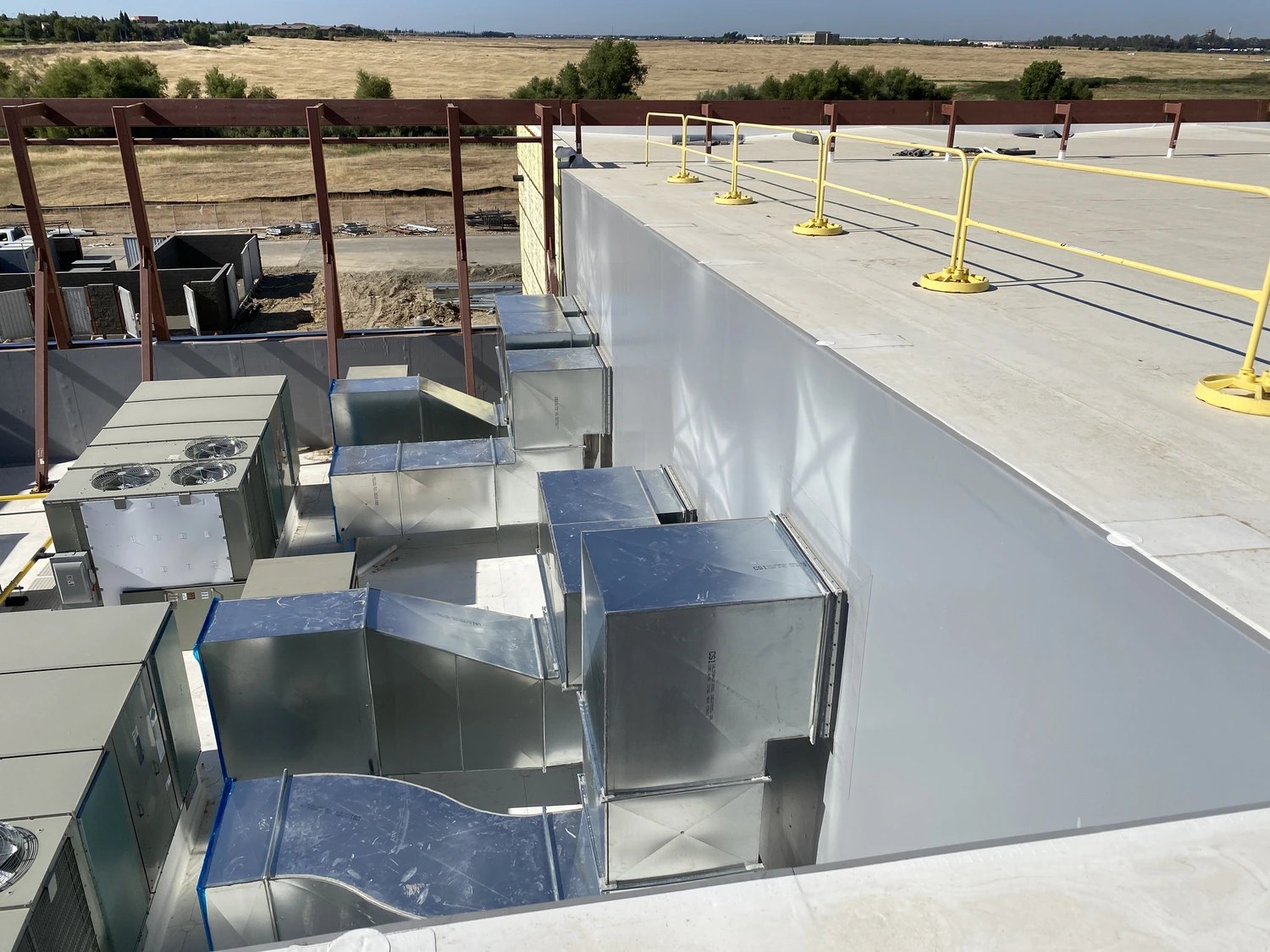 EPDM White in Providence, RI
 Fleeceback TPO in Providence, RI
 KEE Membrane in Providence, RI
 Providence
 Warwick