PVC Membrane Roofing for Rhode Island Commercial Roofs
PVC roofing membrane has been protecting flat and low-slope buildings longer than most single-ply systems on the market, and it remains one of our go-to recommendations for Rhode Island commercial roofs. A PVC roof is a thermoplastic single-ply sheet, reinforced with a polyester scrim for strength, that gets installed across the roof and then heat-welded at every seam. Those welded seams turn separate sheets into one continuous waterproof surface, which is the single biggest reason PVC performs so well on the kind of slow-draining flat roofs we work on across the state.
We install PVC systems on commercial, industrial, and institutional buildings in all 39 Rhode Island cities and towns, from the distribution centers near the highways to downtown Providence rooftops and the coastal buildings of Newport and South County.
How a Welded PVC Roof Handles New England Weather
The defining feature of PVC is the hot-air weld. Where some roof systems depend on adhesives, tapes, or fasteners at the laps, PVC sheets are fused together with heat so the seam is effectively as strong as the membrane itself. That fused seam is what stands up to the conditions a Rhode Island winter throws at a roof: wind-driven rain during a nor'easter, snow that sits on the deck for days, and meltwater that backs up behind ice dams at the eaves. A welded seam does not peel or wick water the way a failing taped seam can.
PVC also brings a set of properties that line up well with our climate and building stock:
- Excellent resistance to standing water, which matters on flat roofs that pond during a wet New England spring
- Strong fire performance, an asset on dense urban blocks and attached commercial buildings
- A bright reflective surface that reduces summer rooftop heat and eases the cooling load
- Long field experience and a deep track record on low-slope commercial buildings
Chemical Resistance Where It Counts
PVC stands up well to grease, oils, and many industrial chemicals, which makes it a natural fit for buildings with rooftop exhaust and process emissions. Restaurants and commercial kitchens push airborne grease out their exhaust fans, and food-processing and light-manufacturing operations release oils and chemical residue that settle onto the surrounding membrane. On a roof that lacks chemical resistance, the area downwind of those vents tends to break down years before the rest of the roof.
We install PVC on plenty of these buildings around Rhode Island, including mixed-use blocks in Providence with ground-floor restaurants and the food and beverage operations spread through the state's industrial parks. The chemical resistance means the whole roof ages at a similar rate instead of failing first around the exhaust.
Where We Install PVC in Rhode Island
The old textile mills are a steady source of PVC work. The 19th-century mill buildings in Pawtucket, Woonsocket, and West Warwick were built with large, low-pitched roof decks, and a great many of those roofs are now decades past their useful life. As developers convert these mills into commercial space, studios, and housing, the roof typically has to be torn off and rebuilt. PVC is well suited to those wide, flat expanses, and its long service life appeals to owners who plan to hold these buildings for the long haul.
Other places we regularly install PVC include:
- Warehouse and distribution roofs at the Quonset Business Park and across the state's industrial areas, where large open decks make welded single-ply efficient to install
- Buildings with rooftop kitchen or process exhaust, where grease and chemical resistance protects the membrane
- Coastal commercial properties on Aquidneck Island, in Newport, and throughout South County, where salt air is hard on roofing and a chemically stable membrane performs well
- Schools, town buildings, and other institutional facilities planning around predictable replacement cycles
Our PVC Installation Process
We start every PVC project on the roof, not behind a desk. We assess the existing roof system, probe the insulation and deck for trapped moisture, and study the drainage so we can fix ponding rather than bury it under a new membrane. On the older mill conversions, we look hard at the deck and parapets, since long-term water intrusion can hide structural issues that need to be resolved before the new roof goes on.
We then design the assembly around the building. PVC can be mechanically attached, fully adhered, or induction-welded, and the right approach depends on the deck, the building's wind exposure, and rooftop traffic. Wind uplift gets particular attention on coastal and exposed sites, where we detail the perimeter and corners to handle the elevated pressures a nor'easter generates at a roof's edges. Where drainage is poor, we build in tapered insulation to move water toward the drains, and we hot-air weld every field seam and flashing into a continuous, watertight surface.
The details around penetrations, curbs, drains, and parapet walls are where flat roofs succeed or fail in our climate. Ice dams and wind-driven rain work at those transitions all winter, so we take the time to weld and flash them correctly and tie the membrane cleanly into the rest of the building envelope.
PVC Compared to TPO and KEE
PVC, TPO, and KEE are all heat-welded thermoplastic single-ply systems, and owners often want to know which is right for their building. TPO is generally the most economical of the three and is a sound choice for many buildings, particularly on a shorter ownership horizon. PVC sits a step up, with a long proven track record and excellent chemical and fire resistance. KEE is a PVC relative that retains even more flexibility as it ages and resists grease and chemicals even more aggressively, at a higher cost.
For a typical Rhode Island commercial roof, especially one with rooftop grease exposure or an owner who wants a well-proven long-service membrane, PVC is frequently the right balance of performance and cost. We lay out the tradeoffs plainly on each project so the choice fits the building and the budget rather than a single product line.
Maintaining a PVC Roof
PVC roofs are low-maintenance but not no-maintenance. We recommend keeping drains and scuppers clear so meltwater leaves the roof, walking the roof after major storms, and repairing punctures or mechanical damage before water reaches the insulation. Because the seams are welded, repairs are clean and durable: a patch or new section welds into the existing membrane and becomes part of the continuous surface.
If you are considering a PVC membrane for a commercial building anywhere in Rhode Island, we will get on your roof, evaluate what you have, and give you an honest recommendation on whether PVC is the right fit.
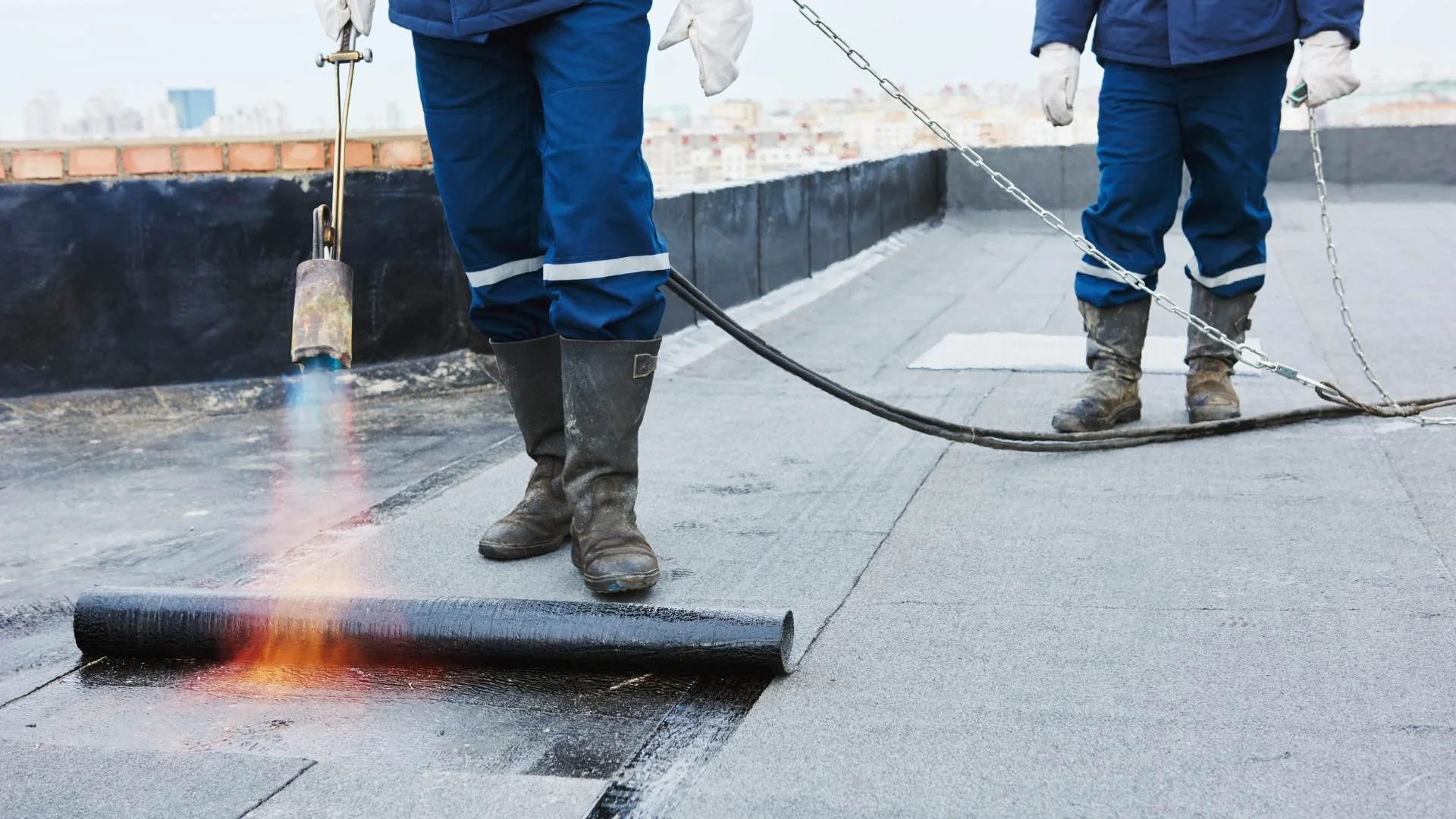 APP Modified Bitumen in Providence, RI
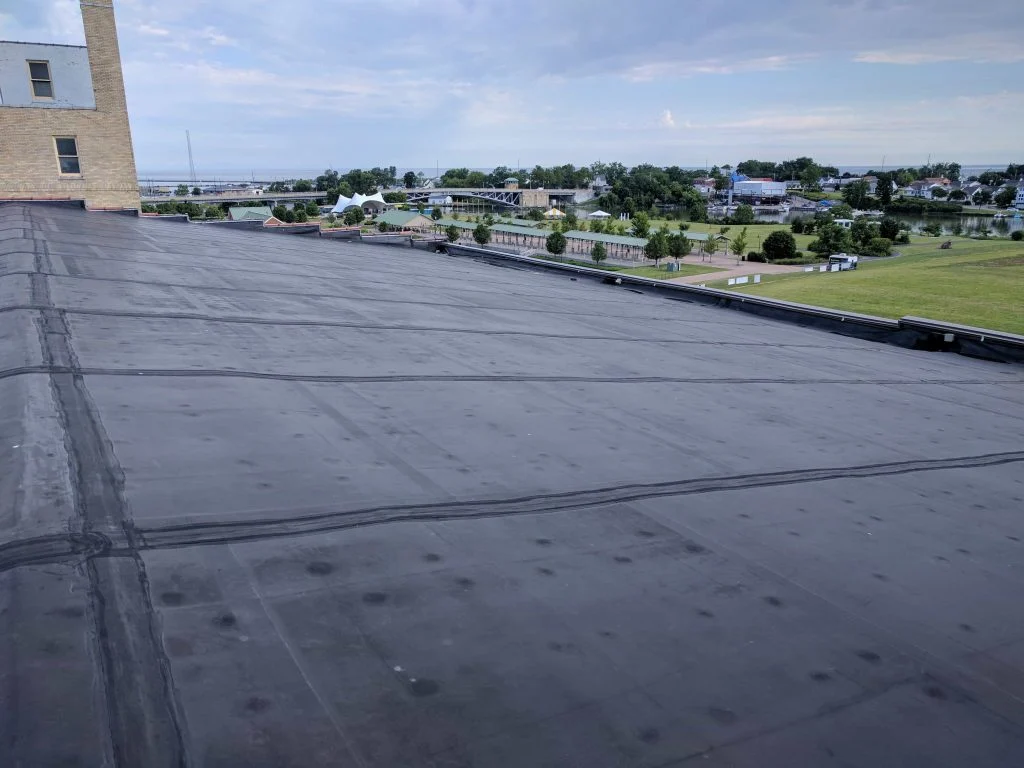 Built Up Asphalt in Providence, RI
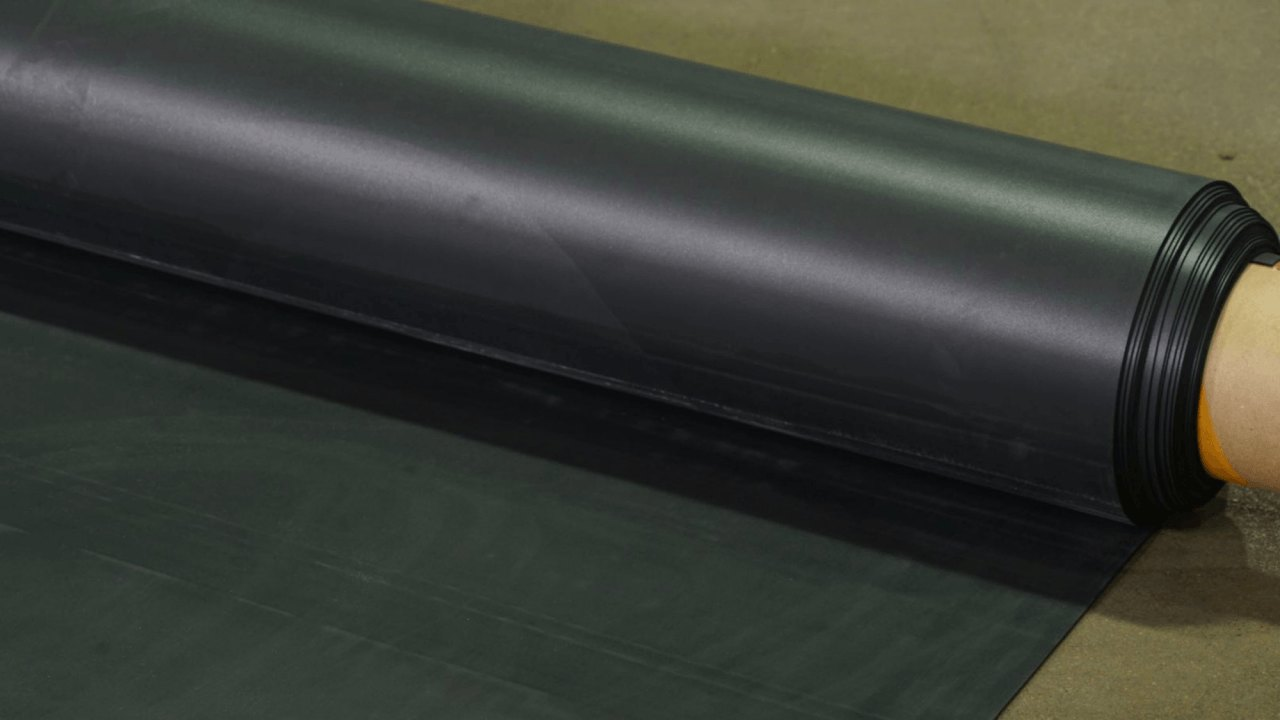 EPDM Black in Providence, RI
 EPDM White in Providence, RI
 Fleeceback TPO in Providence, RI
 KEE Membrane in Providence, RI
 Providence
 Warwick