
60-Mil TPO Membrane for Rhode Island Commercial Roofs
TPO comes in three common thicknesses, and the number in front of the word "mil" is not a marketing detail. It is the actual thickness of the membrane sheet, measured in thousandths of an inch, and it decides how much abuse the roof can take before it gives up. A 45-mil sheet is the thin end of the line, an 80-mil sheet is the heavy-duty end, and 60-mil sits in the middle as the thickness most commercial buildings actually need. We install 60-mil TPO on commercial and industrial roofs across all 39 Rhode Island cities and towns, and on the great majority of low-slope buildings in this state it is the spec we reach for first, because it buys real durability without paying for armor the roof will never use.
This roof scope covers that specific spec, not TPO in general. The decision between 45, 60, and 80 mil is one of the more consequential choices on a single-ply project, and it is worth understanding why 60-mil has become the default for sound reasons rather than habit.
What the Extra Mils Actually Buy
The thickness that matters most for the life of a TPO roof is not the whole sheet, it is the layer above the reinforcing scrim. Every TPO membrane is grounded in a polyester scrim that gives the sheet its strength and tear resistance, and the weatherable TPO is laminated above and below that scrim. The top layer, the thickness over the scrim, is what stands between the weather and the reinforcement, and it is what slowly weathers away over decades of sun and rain. When that top layer erodes down to the scrim, the membrane is at the end of its service life. A 60-mil sheet carries a meaningfully thicker layer over the scrim than a 45-mil sheet does, which is the whole point: more material above the reinforcement means more years before the weather reaches it.
The other thing the extra thickness buys is resistance to the everyday physical insults a commercial roof absorbs. Dropped tools, dragged equipment, foot traffic to rooftop units, hail, and wind-blown debris all punish a membrane, and a thicker sheet shrugs off impacts and abrasion that would scuff or puncture a thin one. On a roof that sees regular service traffic, the difference between 45 and 60 mil shows up as fewer field punctures over the years.
When We Recommend 60-Mil Over Thinner or Thicker
- 60-mil is the default. For the typical Rhode Island warehouse, retail box, office building, or mill roof, 60-mil gives the durability and weathering reserve a commercial roof should have, and it is the thickness we specify unless something about the building argues otherwise.
- 45-mil rarely earns its place. The thin sheet saves a little upfront and gives most of it back in a shorter life and more punctures, so we steer owners away from it on buildings meant to be held for the long term.
- 80-mil is for the hard-use roof. Where rooftop traffic is heavy, where equipment is constantly serviced, or where an owner wants the longest possible life and the warranty to match, the step up to 80-mil is worth it. We will recommend it when the building's use justifies the cost, and not as a default upsell.
The Heat-Welded Seam at 60 Mil
What makes any TPO roof watertight is the seam, and the seam is the same engineering at 60 mil as at any thickness: adjacent sheets are overlapped and fused with a hot-air welder that melts the two surfaces together into a single continuous bond. A correctly welded seam is not a glued joint that can peel; it is a fusion of the two sheets into one piece of material, and on a sound weld the membrane will tear through the field before the seam lets go. The 60-mil sheet welds cleanly and gives the welder a generous amount of material to work with, which makes for a robust, forgiving seam. We probe every seam after welding to confirm the bond, because a single cold weld is the kind of defect that turns into a leak two winters later.
Why 60-Mil TPO Fits the New England Climate
The thickness reserve in a 60-mil sheet is exactly what the Rhode Island winter eats into. Freeze-thaw is the relentless cycle here: water finds any weakness, freezes, expands, and pries the weakness wider, and it does this dozens of times a season. A thicker membrane gives that cycle more material to work through before it reaches anything structural, and a thicker sheet at the seams and flashings resists the splitting that freeze-thaw drives into thin, brittle material. Nor'easters drive wind across the field and uplift at the perimeter and corners, and a 60-mil sheet has the body to take the flutter and the wind-blown grit without abrading prematurely.
The reflective white surface of TPO is the same advantage at 60 mil as at any thickness, and it matters in both seasons here. Through the Rhode Island summer the white field bounces solar heat off the building and holds down the cooling load and the rooftop temperature. The 60-mil sheet carries enough top-layer thickness to hold that reflective surface for years before weathering dulls it, which is one more reason the middle thickness outlasts the thin one in a way owners actually feel on their energy bills.
Where We Install 60-Mil TPO Across Rhode Island
- Warehouse and distribution roofs. The large low-slope fields at the Quonset Business Park and the distribution buildings around the state are exactly where 60-mil earns its keep, covering wide areas durably and reflecting summer heat off the field.
- Retail and big-box roofs. Shopping centers and standalone retail across the Providence metro and the suburbs, where the white membrane cuts cooling cost over a broad roof and 60 mil holds up to rooftop service traffic.
- Mill-building reroofs. The 19th-century textile-mill buildings in Pawtucket, Woonsocket, and West Warwick carry broad, aging low-slope roofs that are prime candidates for a 60-mil TPO replacement when the old roof is past saving.
- Office and institutional buildings. Office complexes and institutional roofs around downtown Providence and across the state, where a durable, energy-smart membrane is a long-term asset.
How We Attach a 60-Mil TPO Roof
The thickness of the sheet is one decision; how it is held to the building is another, and the two are specified together for the building and its exposure. A 60-mil TPO roof can be mechanically fastened, with the sheets anchored through plates along the seams, which is economical and fast and well suited to roofs where the deck takes fasteners well. It can be fully adhered, glued across its whole back to the substrate, which takes fasteners out of the field and gives a smooth surface that handles wind uplift across the entire roof rather than at fastener lines, an approach we lean toward on buildings on Aquidneck Island and the exposed coast. The right attachment depends on the deck, the wind exposure, and the warranty target, and we specify it as part of the system rather than as an afterthought.
Repair and Replacement on a 60-Mil Roof
One practical advantage of the 60-mil sheet is that it repairs cleanly. Because TPO is heat-weldable, a damaged area in a 60-mil field is fixed by welding in a patch of matching membrane, fused into the roof as one continuous surface rather than caulked over, and the generous thickness gives the repair a sound base to weld to. When an older roof has reached the end of its life, a 60-mil TPO replacement is one of the most common specs we install, and where an existing roof is sound but tired, a 60-mil recover over a suitable substrate can avoid a full tear-off. We assess which path the building is a candidate for before recommending one.
Request a 60-Mil TPO Assessment
If you own or manage a commercial building anywhere in Rhode Island and you are weighing a TPO roof, the thickness is a decision worth getting right, and 60-mil is the spec that fits most buildings well. Reach out to schedule a roof assessment, and we will look at the deck, the exposure, and the use, and give you a straight recommendation on whether 60-mil is the right thickness for your building and how it should be attached.
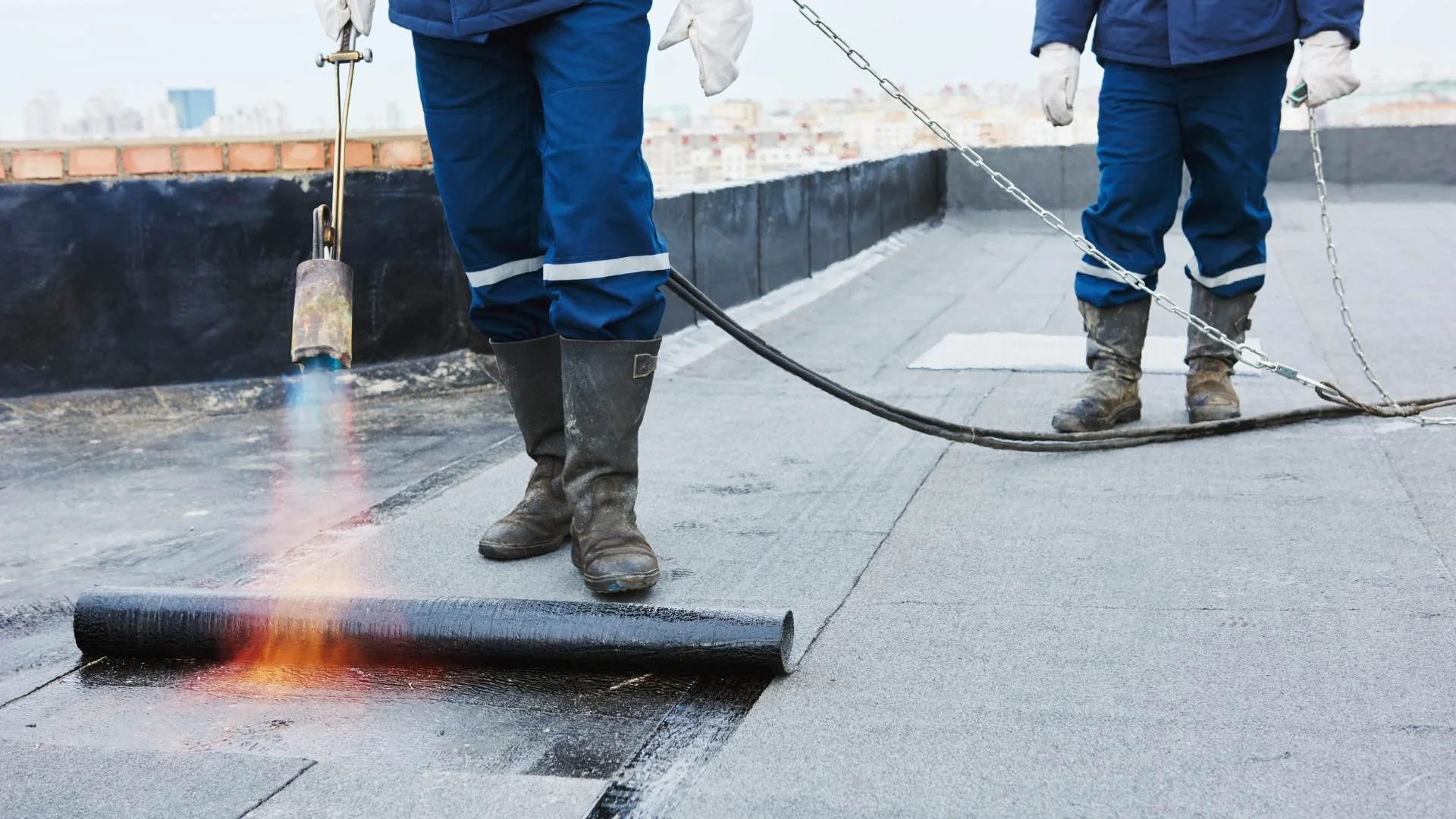 APP Modified Bitumen in Providence, RI
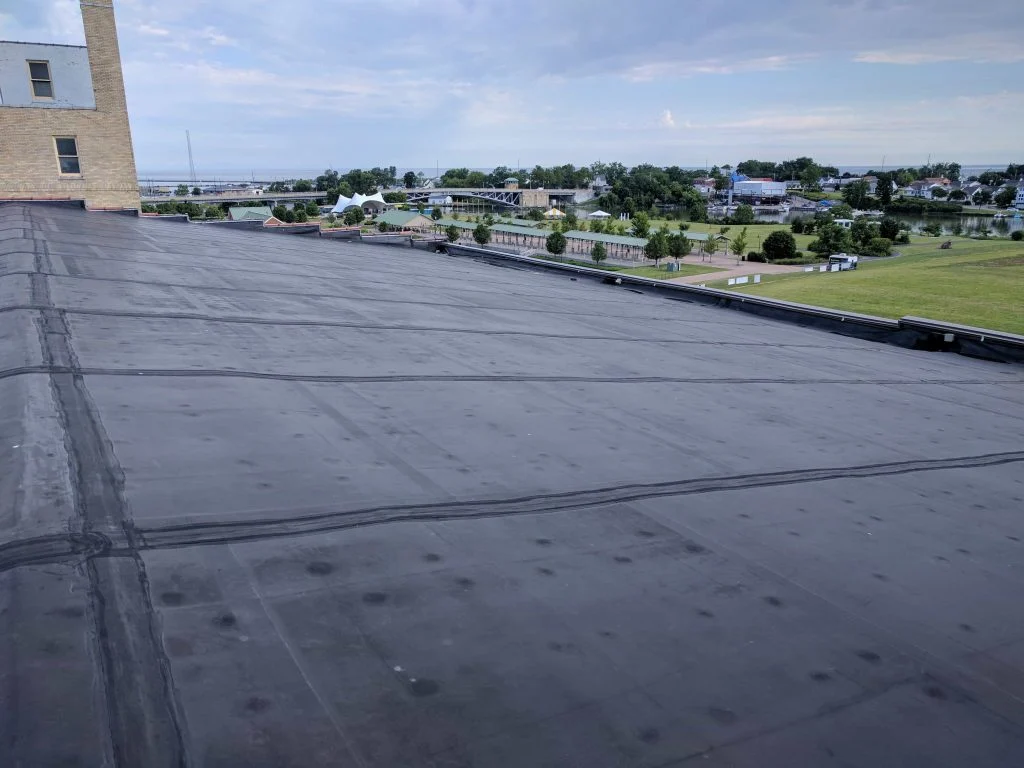 Built Up Asphalt in Providence, RI
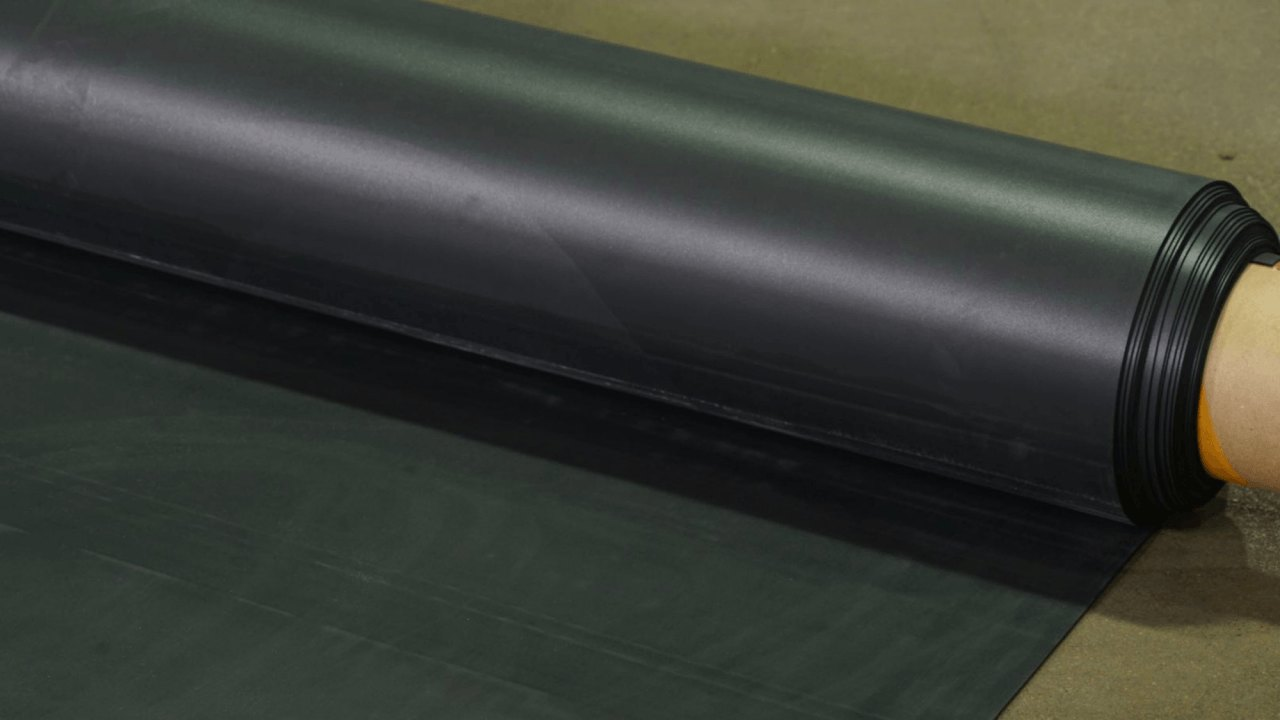 EPDM Black in Providence, RI
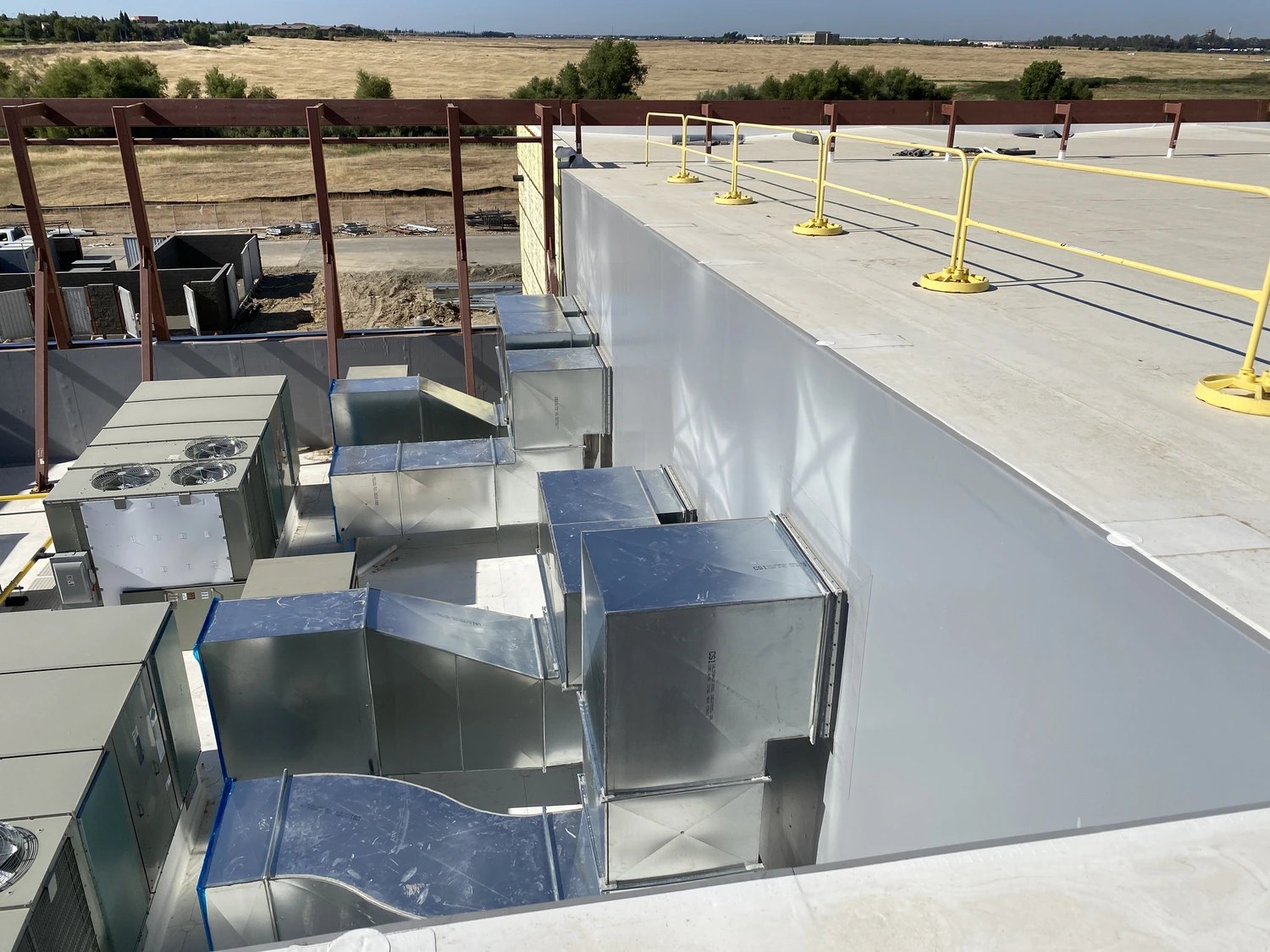 EPDM White in Providence, RI
 Fleeceback TPO in Providence, RI
 KEE Membrane in Providence, RI
 Providence
 Warwick