Rhode Island's Exposure to Tropical Systems
Rhode Island doesn't see a hurricane every year, but its Narragansett Bay coastline has taken direct hits before, the Great Hurricane of 1938 and Hurricane Bob in 1991 are still the reference points older owners around Newport and along the bay bring up, and every commercial building near the water carries that exposure whether a storm has come through recently or not. When a tropical system does track through, or even skirts the coast close enough to bring sustained high wind and storm surge conditions, commercial roofs take the brunt of it. We inspect and document hurricane and tropical storm roof damage for insurance claims across the state, working as your roofing contractor, not a public adjuster, our part is putting an accurate, complete record of the roofing damage in front of your adjuster.
How a Tropical System Damages a Commercial Roof
Hurricanes and tropical storms combine several damage mechanisms at once, which is part of why the resulting claims tend to be more complex than a single-cause wind or hail event.
Sustained Wind Uplift
Unlike a brief thunderstorm gust, a tropical system can apply high wind pressure for hours, which fatigues fastener patterns and flashing seals that might survive a short burst intact. Perimeter and corner uplift is the most common finding, but sustained wind can progressively damage areas that a shorter storm wouldn't reach.
Wind-Driven Rain
Horizontal, wind-driven rain finds gaps that vertical rainfall never would, penetration seals, parapet joints, curb flashing facing into the wind. Water intrusion from a tropical system is often more widespread than the visible wind damage alone would suggest.
Storm Surge and Coastal Flooding
For buildings close to Narragansett Bay, storm surge is a distinct risk from wind damage and is often treated separately by insurance policies. Ground-level flooding is a different claim category than roof wind damage, but rooftop mechanical equipment and low parapets on waterfront buildings can still see direct storm surge or wave exposure in a severe event.
Documenting Hurricane Damage Correctly
Because tropical system damage tends to be more extensive and more varied than a single-mechanism storm, our documentation covers the whole roof instead of only the areas with obvious failure. We photograph and measure wind uplift, torn or displaced membrane, damaged edge metal and coping, and any equipment shifted or damaged by the wind, and we run moisture surveys across the field where wind-driven rain may have gotten under intact-looking membrane. We also record any coastal flooding or surge evidence separately, since that typically falls under a different part of the policy than wind damage.
The Adjuster Visit After a Major Storm
After a significant tropical event, adjusters are often managing a high volume of claims across the region, which makes clear, organized documentation even more valuable. We meet the adjuster on the roof with our findings already mapped and photographed, walking them through the damage systematically so the visit is efficient and thorough rather than rushed. Being specific and well-documented up front tends to produce a more accurate first scope, which means less back-and-forth later.
Named-Storm Deductibles
Most commercial property policies in Rhode Island carry a separate, often percentage-based deductible specifically for named tropical storms and hurricanes, higher than the standard wind or all-perils deductible. That's a detail of your policy to confirm with your insurer, but it's worth knowing going into the claim, since it affects the numbers even when the roofing damage itself is clearly covered.
Repair and Resilience After the Claim
Once a hurricane-related claim settles, we repair to the actual damage, and on coastal buildings we'll flag where a code-required wind-uplift rating or improved fastening pattern makes sense as part of the rebuild, not as an upsell, but because a building that was marginal against this storm will be marginal against the next one too. On the waterfront properties around Newport, Bristol, and the East Bay, and the industrial buildings near the Port of Providence, that kind of resilience detail is often the difference between a repair that holds through the next season and one that doesn't.
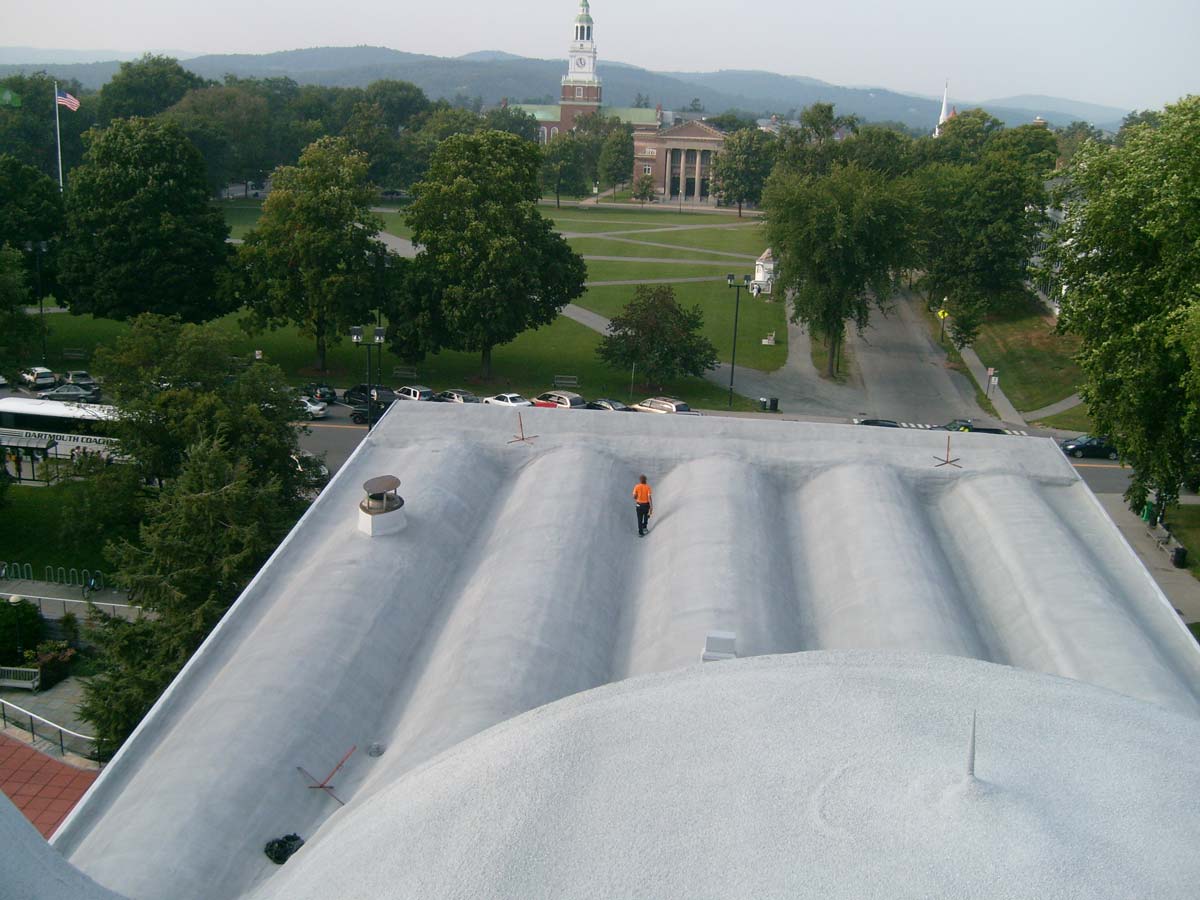 Acrylic Roof Coatings in Providence, RI
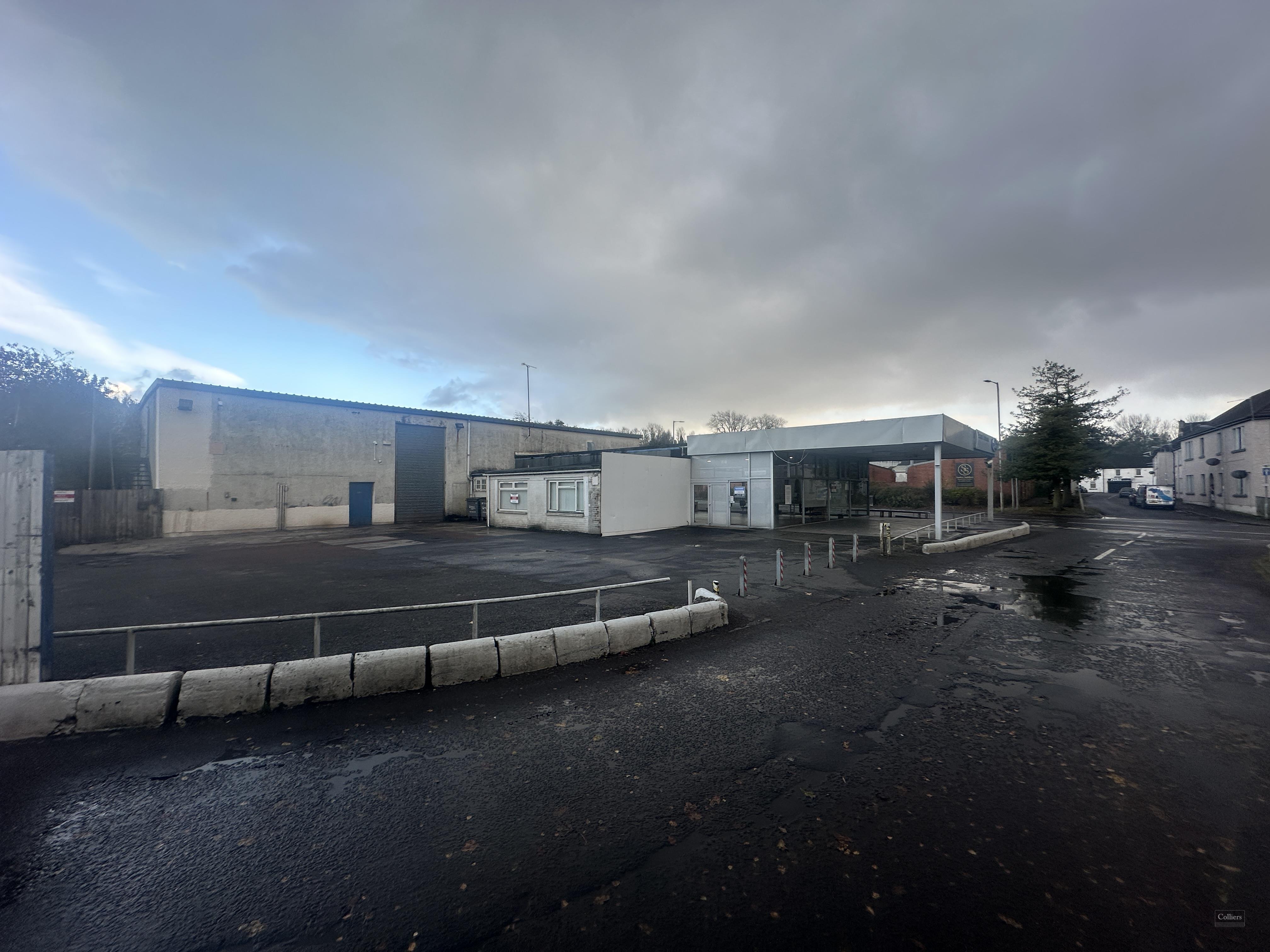 Auto Dealership Roofing in Providence, RI
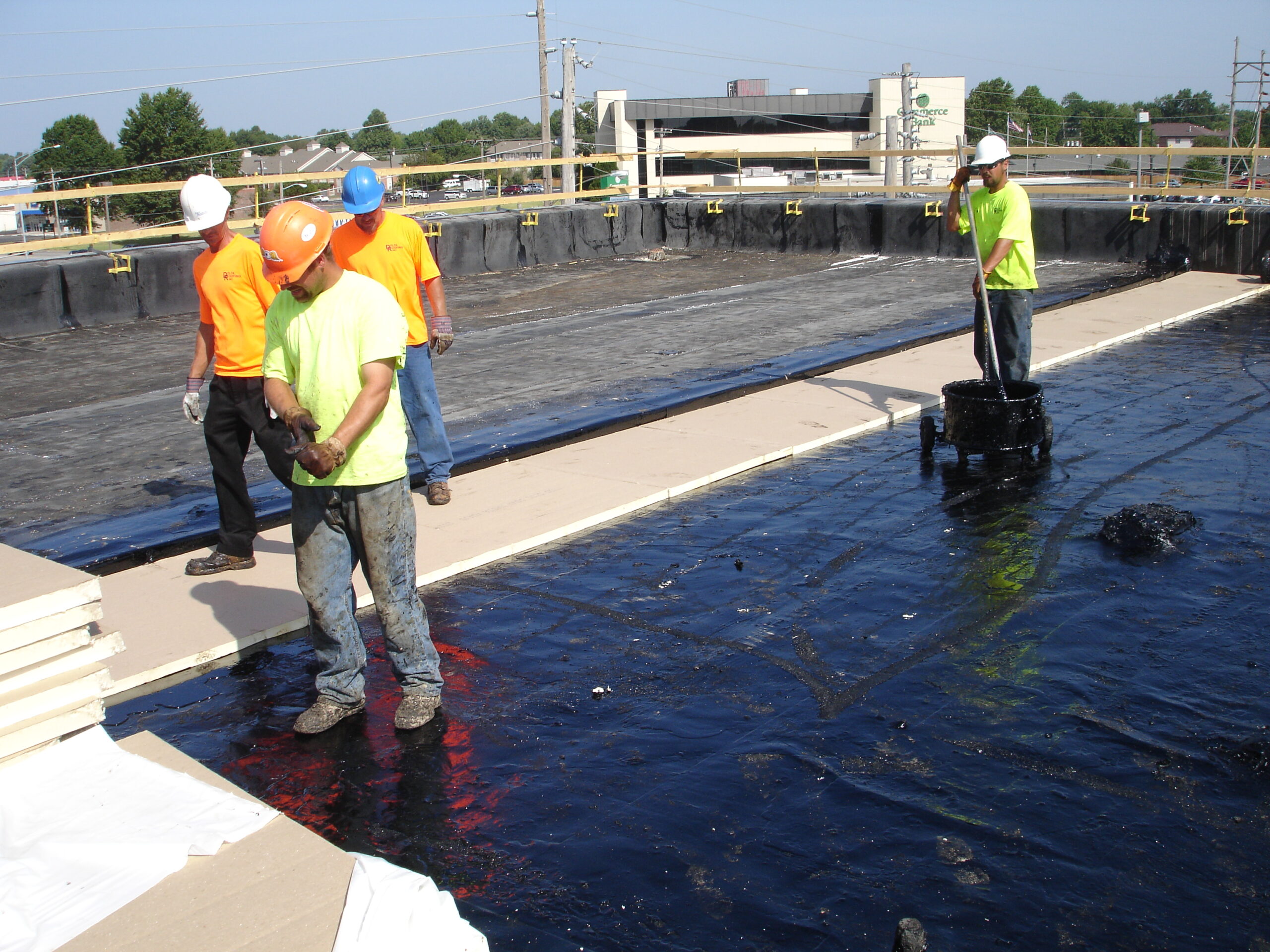 Built Up Roofing in Providence, RI
 Church Roofing in Providence, RI
 Commercial Re-Roofing in Providence, RI
 Commercial Roof Inspection in Providence, RI
 Providence
 Warwick