
Winter Is the Roughest Season for Rhode Island Roofs
Snow and ice cause more Rhode Island commercial roof claims over a winter than any other single weather category, and the damage is rarely obvious right after the storm. A heavy, wet nor'easter snowfall sits on a low-slope membrane for days, refreezing and thawing as temperatures swing, and by the time a leak shows up inside the building the roof has often been under stress for weeks. We inspect and document snow and ice-related roof damage for insurance claims across the state, and we're a roofing contractor doing that work, not a public adjuster, so our role is putting together an accurate, defensible picture of what the season did to the roof.
How Snow Load and Ice Dams Actually Damage a Flat Roof
Snow load is a structural concern before it's a membrane concern. A heavy, wet snowfall can weigh several times what the same depth of powder does, and older low-slope roofs, especially the built-up and modified bitumen systems common on Rhode Island's mill and warehouse buildings, weren't always designed with today's snow load requirements in mind. Sustained load stresses seams, strains parapet connections, and can deflect a marginal deck.
Ice Damming at the Edge
Ice dams form where warm air escaping the building melts snow above the insulated deck, and that meltwater refreezes once it reaches a colder edge, drain, or scupper. The dam backs water up under the membrane at exactly the point it's hardest to seal, the roof edge, and that backed-up water finds any gap in flashing or lapped seams. Ice damming is one of the most common sources of a winter roof leak that looks unrelated to the storm that actually caused it.
Freeze-Thaw Cycling
Rhode Island winters rarely stay consistently cold. The repeated freeze-thaw swing works water deeper into small openings each cycle, expanding cracks in aging membrane and loosening fastener patterns at flashings and curbs, so damage that started with one storm keeps getting worse through the rest of the season.
Documenting a Winter Claim Correctly
Snow and ice claims need a different documentation approach than a single acute storm event, because the damage builds over time rather than in one incident. We photograph accumulation patterns, drain and scupper blockages, and any visible ice damming at the time of inspection, and where interior leaks have appeared we use moisture surveys to trace how far water has migrated under the membrane from its actual entry point, which is often several feet from where the ceiling stain shows up. We also document snow load evidence, deflection at structural members, stressed seams, where a heavy accumulation may have contributed to the failure, since that detail matters to how the claim gets classified.
Working With Your Adjuster on Winter Damage
Winter claims can be harder for an adjuster to evaluate than a wind or hail claim because the cause-and-effect isn't always visible at a single site visit; a roof that looks dry in April can still be carrying saturated insulation from a February storm. We meet the adjuster on the roof and walk through the moisture map and accumulation notes so the timeline is clear, tying the interior leak back to the specific weather event and the specific point of entry, rather than leaving it as a general assumption. We don't negotiate the claim itself, that's between you and your carrier, we make sure the roofing evidence supporting it is complete.
Repairing After a Snow or Ice Claim
Once a winter claim is settled, the repair needs to address the underlying cause instead of only patching the leak point. That can mean correcting a drainage detail that let water pond and refreeze, adding or improving insulation to reduce the warm spots that drive ice damming, or replacing a full section of membrane where freeze-thaw cycling has compromised the material beyond a spot repair. On the mill conversions around Providence and the older warehouse stock in Pawtucket and Woonsocket, a bad ice-dam winter is often the point where an owner decides a targeted repair isn't enough and a broader recover makes more sense, and we'll say so plainly when that's the honest read on the roof.
Snow and Ice Damage Across the State
This isn't limited to any one part of Rhode Island. Coastal buildings around Narragansett Bay get a mix of wet, heavy snow and salt air that accelerates corrosion on already-stressed fasteners and edge metal. Inland toward the Blackstone Valley and West Warwick, older industrial roofs carry decades of patched repairs that a hard winter tends to find. Wherever the building sits, the same documentation standard applies: photograph it, measure it, trace the moisture, and put together a scope that reflects what actually failed.
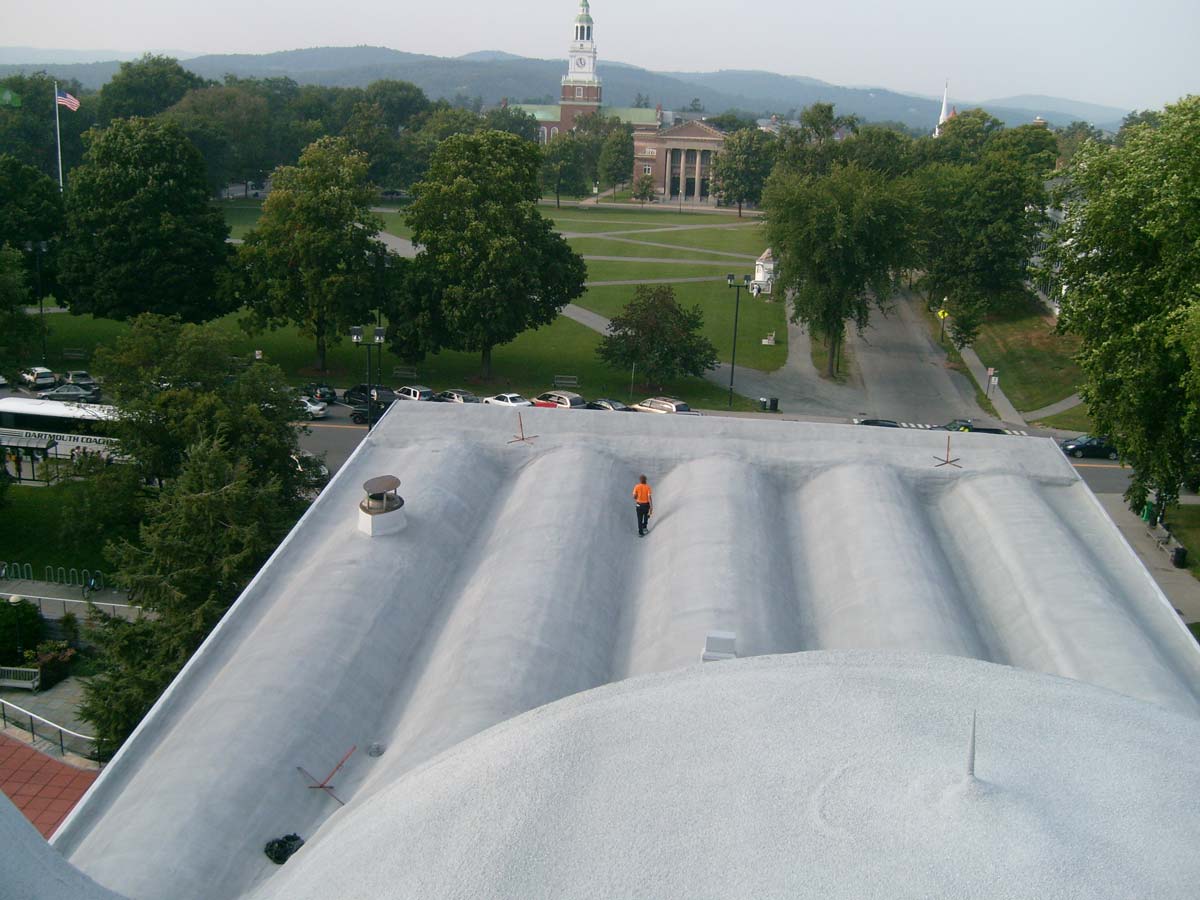 Acrylic Roof Coatings in Providence, RI
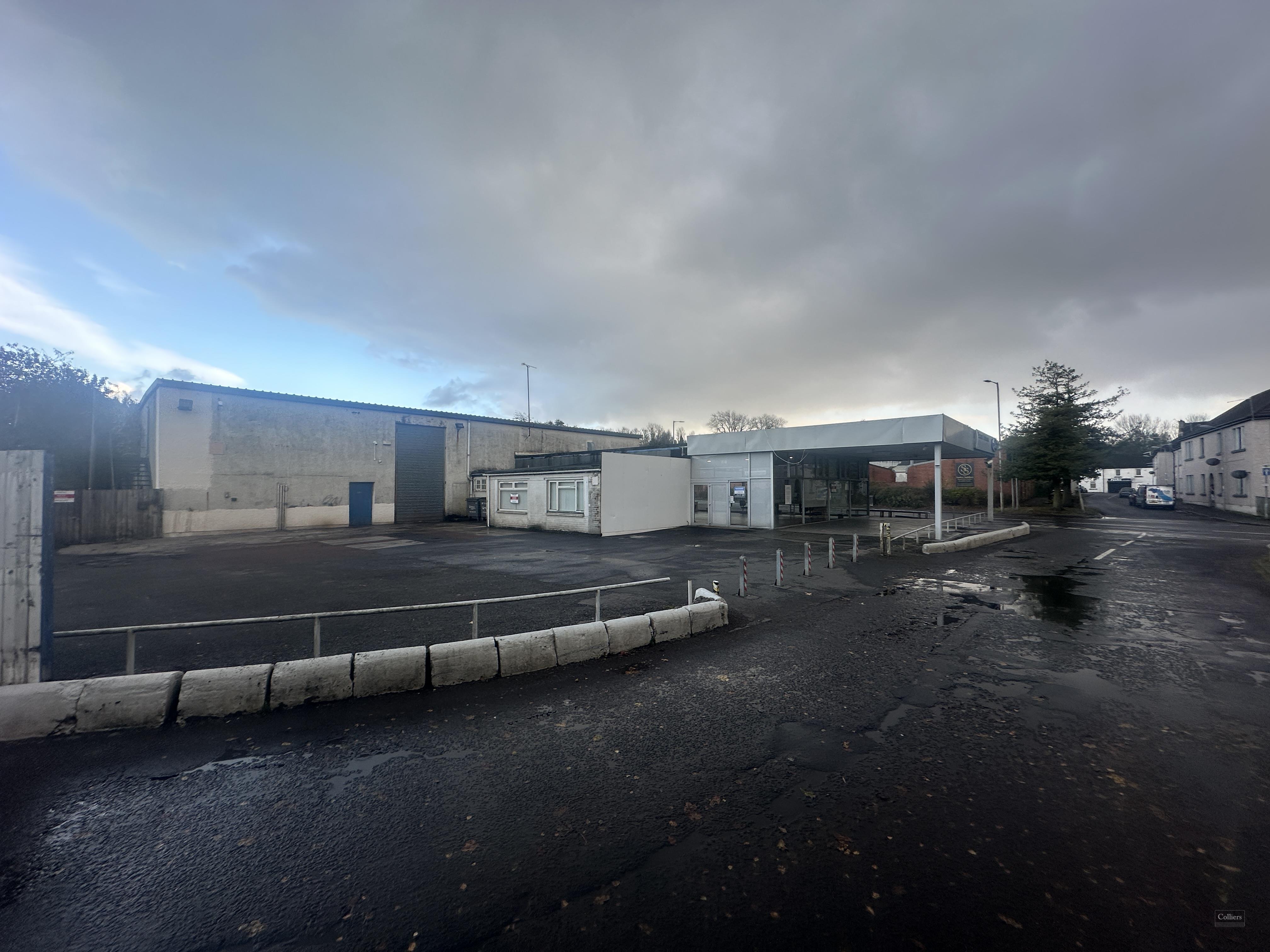 Auto Dealership Roofing in Providence, RI
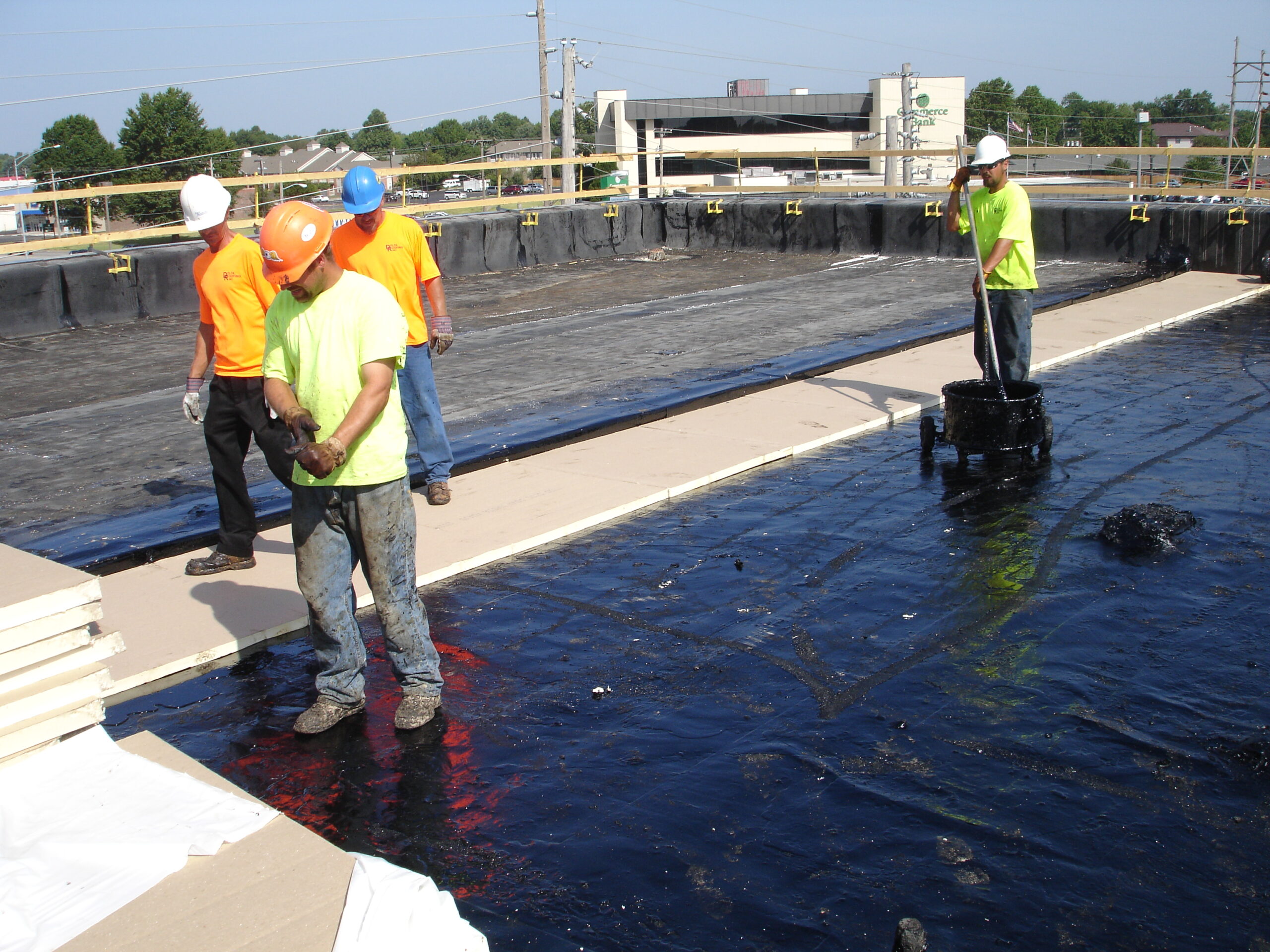 Built Up Roofing in Providence, RI
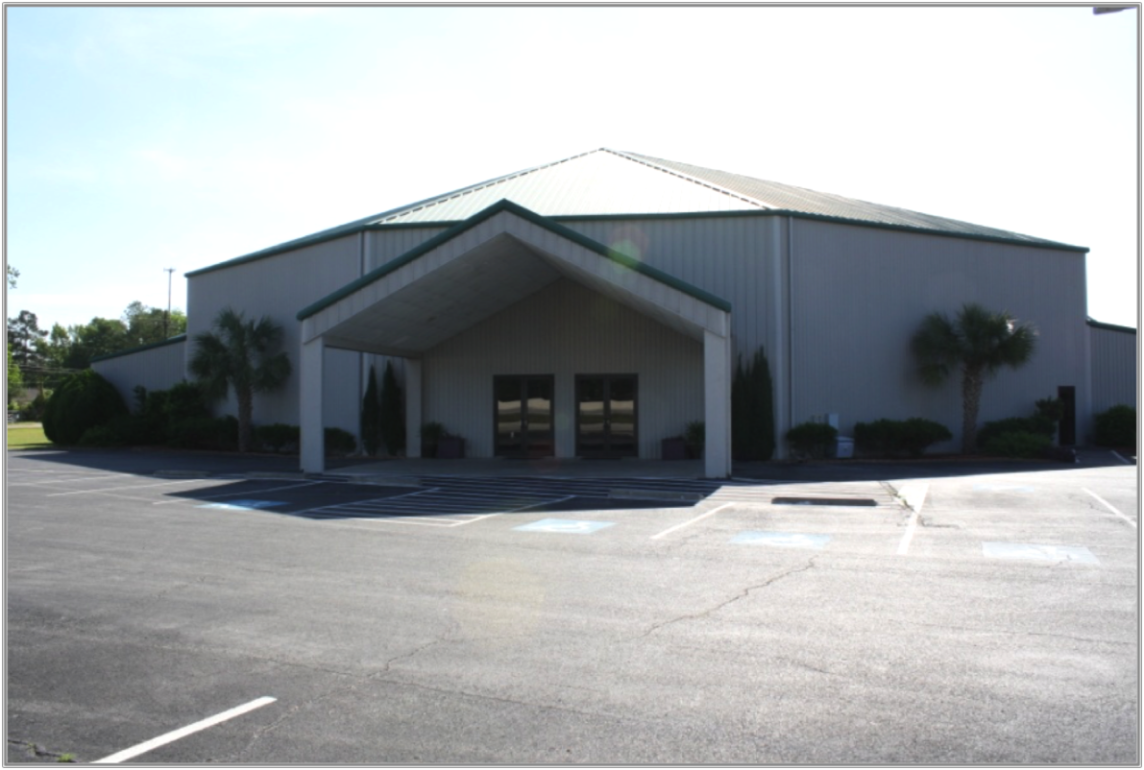 Church Roofing in Providence, RI
 Commercial Re-Roofing in Providence, RI
 Commercial Roof Inspection in Providence, RI
 Providence
 Warwick