Wind Is a Year-Round Roofing Risk Here
Rhode Island doesn't need a hurricane to put serious wind load on a commercial roof. Nor'easters bring sustained high wind and horizontal rain multiple times a winter, summer brings fast-moving severe thunderstorms with damaging gusts, and coastal exposure around Narragansett Bay means wind loads that inland buildings never see. We inspect and document wind and storm damage on commercial roofs for insurance claims statewide, working as the roofing contractor on the claim, not as a public adjuster, our job is an accurate technical record of what the wind actually did.
Where Wind Finds a Low-Slope Roof
Wind damage on a flat or low-slope commercial roof almost never starts in the open field. It starts at the edges and the details.
Perimeter Uplift
The roof perimeter and corners see the highest wind pressure on any building, by a wide margin. That's where membrane first lifts, where fastener patterns get tested hardest, and where a marginal attachment detail fails first in a strong gust.
Edge Metal and Coping
Loose or corroded edge metal and parapet coping are common failure points, and once wind gets a fingerhold under a section of edge metal, it can peel back a long run of it in a single gust. Coastal salt exposure accelerates the corrosion that makes this more likely.
Rooftop Equipment and Curbs
HVAC units, exhaust fans, and other rooftop equipment create wind resistance the roof deck wasn't necessarily built to handle, and the curb flashing around that equipment is a frequent point of storm damage, along with equipment itself shifting or tipping in severe gusts.
Documenting Wind Damage for a Claim
Wind claims need clear evidence that ties the damage to a specific storm event. We photograph lifted or torn membrane, displaced ballast, bent or missing edge metal, and damaged rooftop equipment, and we measure the extent of each, square footage of membrane affected, linear footage of edge metal gone. We also document wind speed and storm timing where available, since matching the damage pattern to the actual event strengthens the claim. Where wind opened a path for water, we run moisture surveys to map how far it traveled under the membrane before the leak became visible inside.
The Adjuster Walk-Through
We meet the insurer's adjuster on the roof and walk the same path, pointing to each finding and explaining the mechanism, why this edge metal detail is a classic wind failure point, why this membrane tear pattern is consistent with uplift rather than foot traffic or age. Wind damage can sometimes be mistaken for pre-existing wear if the adjuster hasn't seen many low-slope commercial roofs, so being there in person to walk through the specific failure modes matters.
Building the Repair Scope
A wind-damage repair scope needs to cover more than the section that's visibly torn. If uplift compromised the fastener pattern across a wider perimeter run, that whole run typically needs to be re-secured, instead of only the section that fully failed, or the same wind event next season finds the same weak point again. We scope the repair to the actual mechanical condition of the roof, including any edge metal or coping that needs full replacement rather than a patch, and we flag where a repair should include upgraded wind-uplift rated fastening to meet current code, since older buildings were often built to lower wind design standards than apply today.
Wind Exposure Across Rhode Island
Exposure varies a lot across the state. Buildings on Aquidneck Island, around Newport, and along the South County coast take the most direct and frequent wind loading, and salt air there accelerates the corrosion that makes edge metal and fasteners fail sooner. At Quonset Point, the large flat roofs on logistics and distribution buildings have long, exposed perimeter runs where uplift damage tends to concentrate. In Providence and the inland mill towns, older built-up roofs with aging edge details can be just as vulnerable even without direct coastal exposure, a severe summer thunderstorm cell can do real damage anywhere in the state.
Named Storms and Deductibles
It's worth knowing before a claim comes up that many Rhode Island commercial policies carry a separate, higher deductible specifically for named-storm wind events, distinct from the standard wind or all-perils deductible. That's a policy detail between you and your carrier, but it's worth confirming early, since it can affect how a claim is filed and what documentation timeline applies.
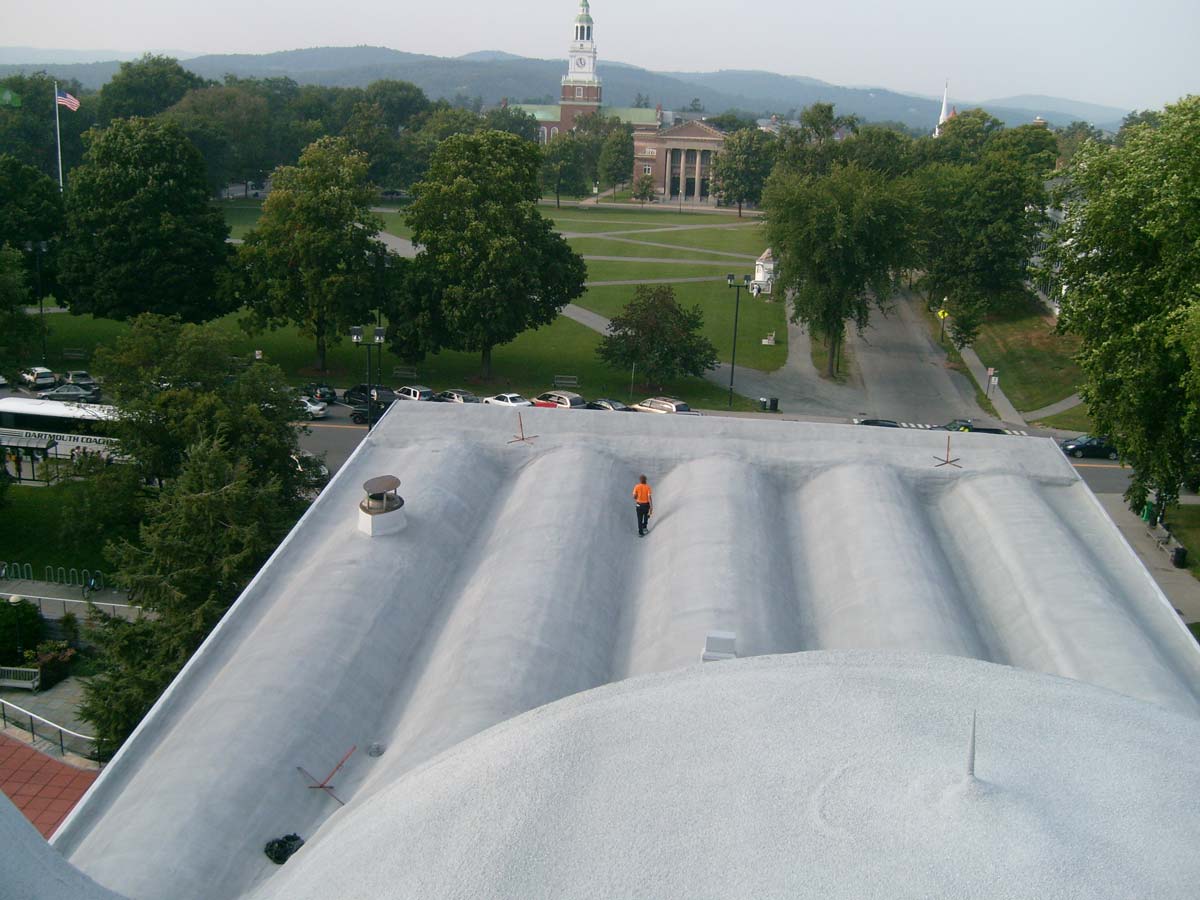 Acrylic Roof Coatings in Providence, RI
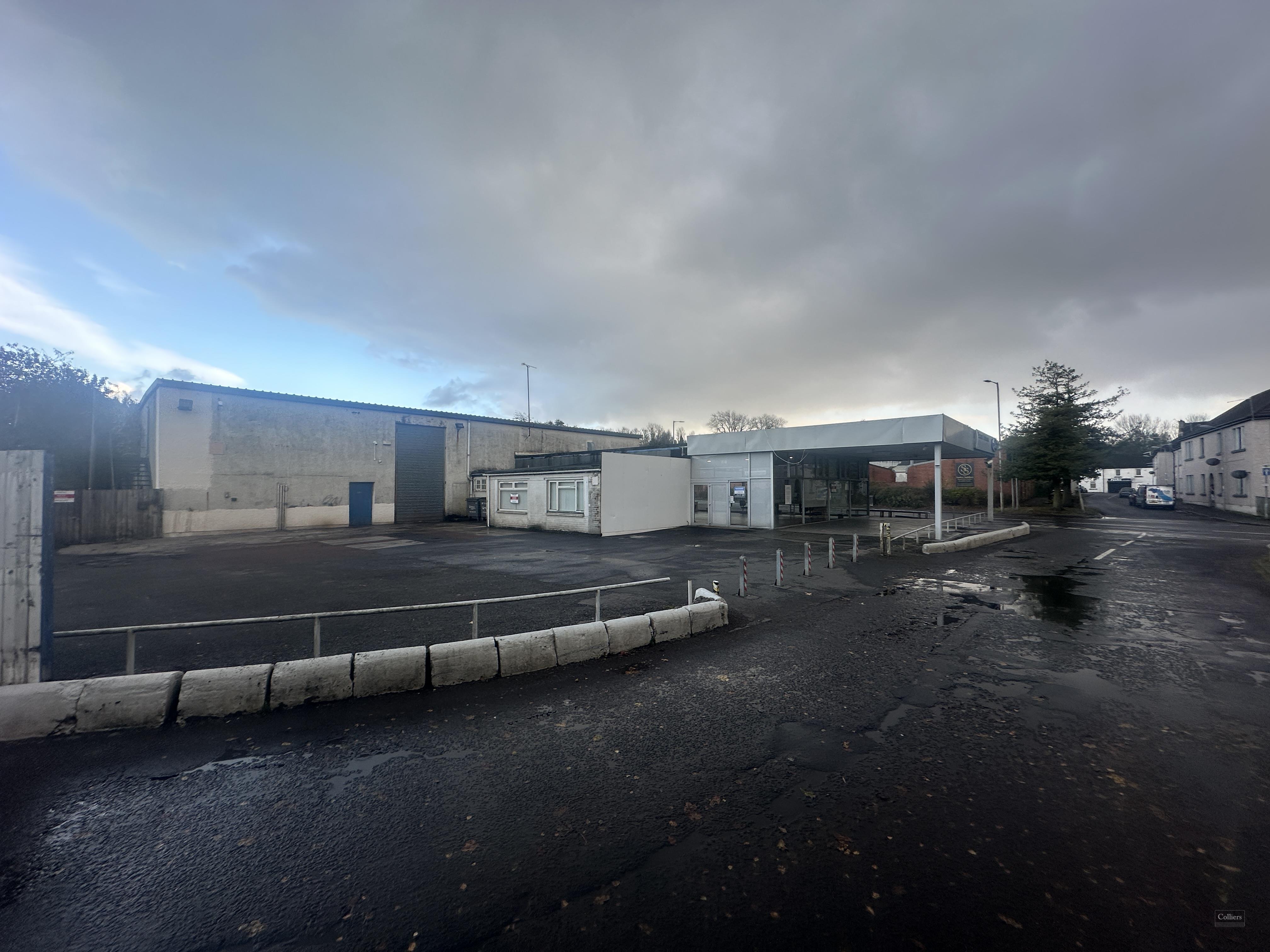 Auto Dealership Roofing in Providence, RI
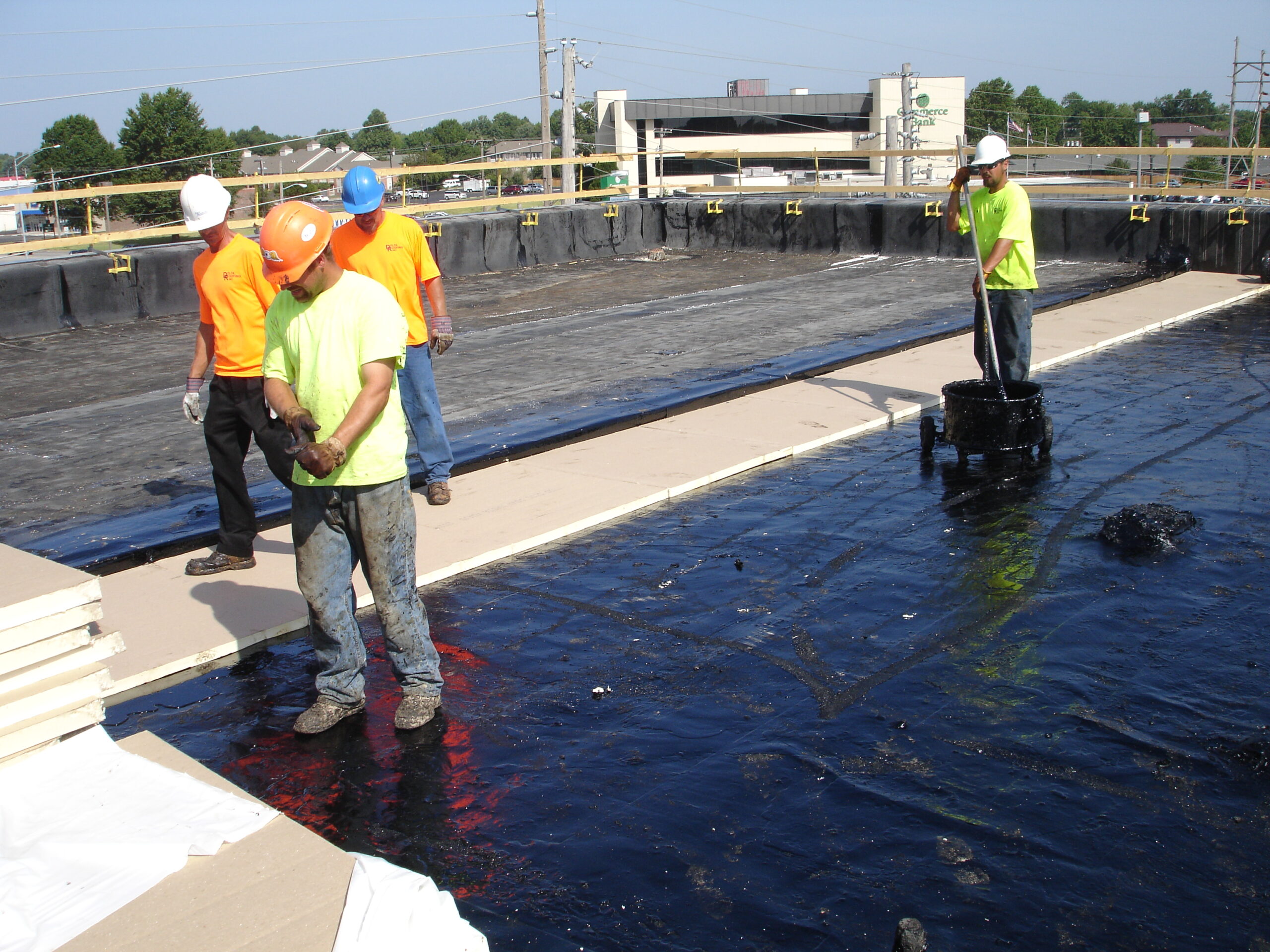 Built Up Roofing in Providence, RI
 Church Roofing in Providence, RI
 Commercial Re-Roofing in Providence, RI
 Commercial Roof Inspection in Providence, RI
 Providence
 Warwick