Roofing Partner for Rhode Island Data Center Operators
Operators run data centers to a different standard than almost any other commercial building owner, and a roofing contractor has to meet that standard or stay off the roof. The membrane over a server hall is the last barrier between a nor'easter and hardware whose failure is counted in lost service-level commitments and downtime that costs more in an afternoon than the roof costs to replace. We work with the people who carry that risk in Rhode Island: colocation providers, managed-hosting and cloud operators, the facilities and critical-environments teams inside enterprises, and the IT leaders responsible for hardened server rooms tucked inside larger buildings. This roof scope covers how we work with you, not just what we put on the deck.
We Work Inside Your Change-Control Process
The biggest difference between roofing a data center and roofing any other building is that nothing happens on your roof outside your process. An operator lives and dies by change management, and a roofing crew that treats a maintenance window casually is a liability. We submit scopes and methods for review before the first crew arrives, work strictly inside the maintenance windows you approve, and keep your critical-environments team informed before and during every shift, because in this building we are operating directly above live infrastructure. We honor the access, escort, badging, and documentation requirements your facility imposes rather than pushing back on them, and we plan staging and material movement so a roofing project never becomes an uncontrolled event over the floor.
That discipline carries straight into how we protect the building while we work. We never carry an open tear-off overnight above a server hall, we keep every opened section dried-in before the crew leaves the roof, and we hold a weather contingency in reserve so an incoming storm never catches a section exposed. The standard is simple and it is yours: the building keeps running, the change goes to plan, and nothing wet ever reaches the floor below.
Operators and Critical Environments We Serve in Rhode Island
- Colocation and wholesale providers. Multi-tenant facilities where your customers' SLAs flow through your roof, and where a leak is not your incident alone but a breach reportable to every tenant under it.
- Managed hosting and cloud operators. Production environments where the roof has to be maintained without ever taking the floor offline for it.
- Enterprise facilities and critical-environments teams. The internal groups responsible for a company's own server halls, often inside the Providence metro office and institutional stock, who answer to the business for uptime.
- IT leaders with server rooms in larger buildings. The hardened cores inside offices, hospitals, and institutions, and the IT and hosting operations moving into the large-floorplate industrial buildings at the Quonset Business Park, where the existing roof rarely matches the sensitivity of what now sits beneath it.
What the Rhode Island Climate Does to Your Risk Model
The weather that wears on every commercial roof in the state carries a heavier penalty over your floor, and your risk model should account for it. Nor'easters drive wind-driven rain across the dense field of cooling-equipment flashings a data center puts on its roof and probe every curb sealed short, while perimeter and corner uplift threatens the rooftop units your servers depend on. Heavy, wet snow sits on the flat field for weeks and ponds behind any drain that clogs, which is exactly why we want redundant drainage and overflow paths sized to carry a full storm if the primaries fail. The freeze-thaw cycle works water into every seam split through the winter, and ice damming at the edges backs water under the membrane where it can travel far before it ever reaches a leak detector. For operators on or near the water, salt air corrodes fasteners and edge metal faster than inland, shortening the service life of the very details that protect the floor.
Capital Planning Across Your Portfolio
Operators do not buy roofs one emergency at a time; you plan capital. We support that with what the planning actually needs: an honest assessment of each roof's remaining life, infrared and moisture surveys that find wet insulation before a recover decision is made on a guess, and a documented condition baseline you can put in front of finance. When you run more than one facility, we help you sequence the work so the roof nearest end-of-life over the most critical floor gets addressed first, and so a predictable maintenance budget replaces a string of unbudgeted incidents. Recovering over wet insulation is never an option above a server hall, and our scans make sure that call is made on evidence rather than optimism.
How We Support the Budget Decision
- Condition reports and remaining-life estimates written for ownership and finance, not just for the crew
- Infrared and moisture scanning to separate a roof that can be restored from one that has to be replaced
- Phased reroofing plans that spread capital across budget years while protecting the most critical floors first
- A repair-versus-restore-versus-replace recommendation you can defend in a capital review
Coordinating With the Rest of Your Stack
A data center roof is crowded because cooling lives up there, and the people who maintain that equipment are on the roof too. We coordinate with your mechanical, electrical, and controls vendors so flashing work around condensers, dry coolers, and generator exhaust does not collide with their service schedules, and so a new penetration is detailed correctly the first time instead of becoming next winter's leak. We document every curb and pipe we touch and hand the facility a record it can keep, because in your environment the flashings carry the risk and the paper trail is part of the asset.
Systems We Install Over Critical Floors
These are low-slope roofs where puncture resistance and watertight detailing govern, and we install and repair the systems that fit a building that cannot get wet:
- PVC, a heat-welded membrane with strong puncture and chemical resistance, well suited to roofs carrying heavy mechanical traffic and cooling-equipment discharge.
- TPO, a reflective welded single-ply that cuts the cooling load on the field, an advantage on a building already fighting to shed heat, with seams welded tight around dense penetrations.
- EPDM, the durable rubber membrane with a long New England track record, often specified fully adhered to keep fasteners out of the field.
- Roof coatings, silicone and acrylic systems that restore a sound but aging membrane and buy years without the disruption of a tear-off over live equipment.
Request an Assessment
If you operate a data center, colocation facility, or critical server room anywhere in Rhode Island and you are weighing drainage redundancy, penetration detailing, or a roof reaching end-of-life over a floor that cannot get wet, reach out. We will assess the roof, scan it for trapped moisture, work inside your change-control and access requirements, and give you a plan that protects uptime and fits your capital schedule.
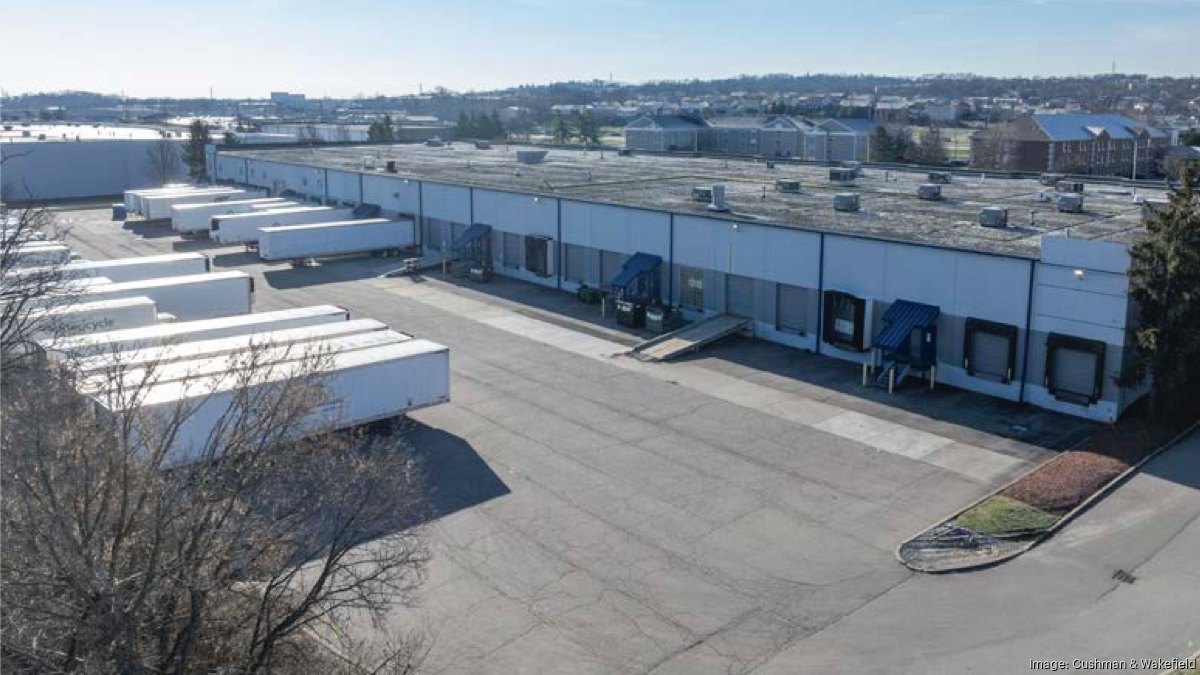 Commercial Real Estate Reits Roofing in Providence, RI
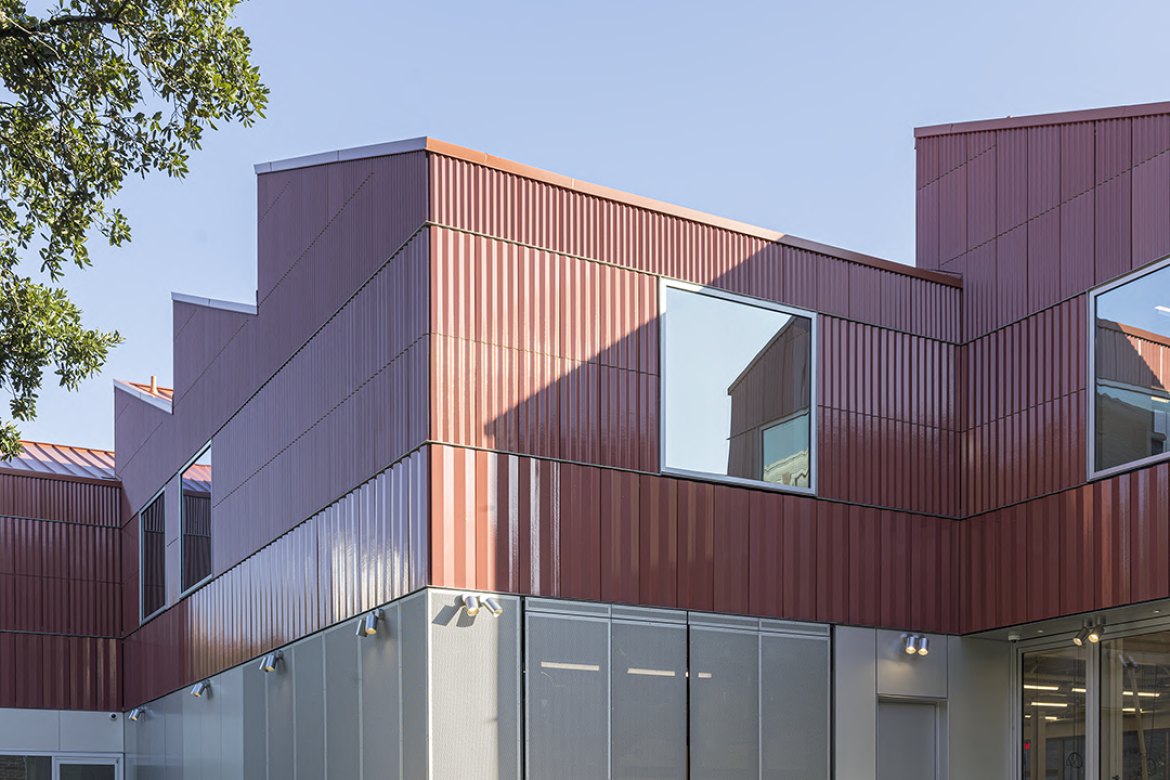 Education Facilities Roofing in Providence, RI
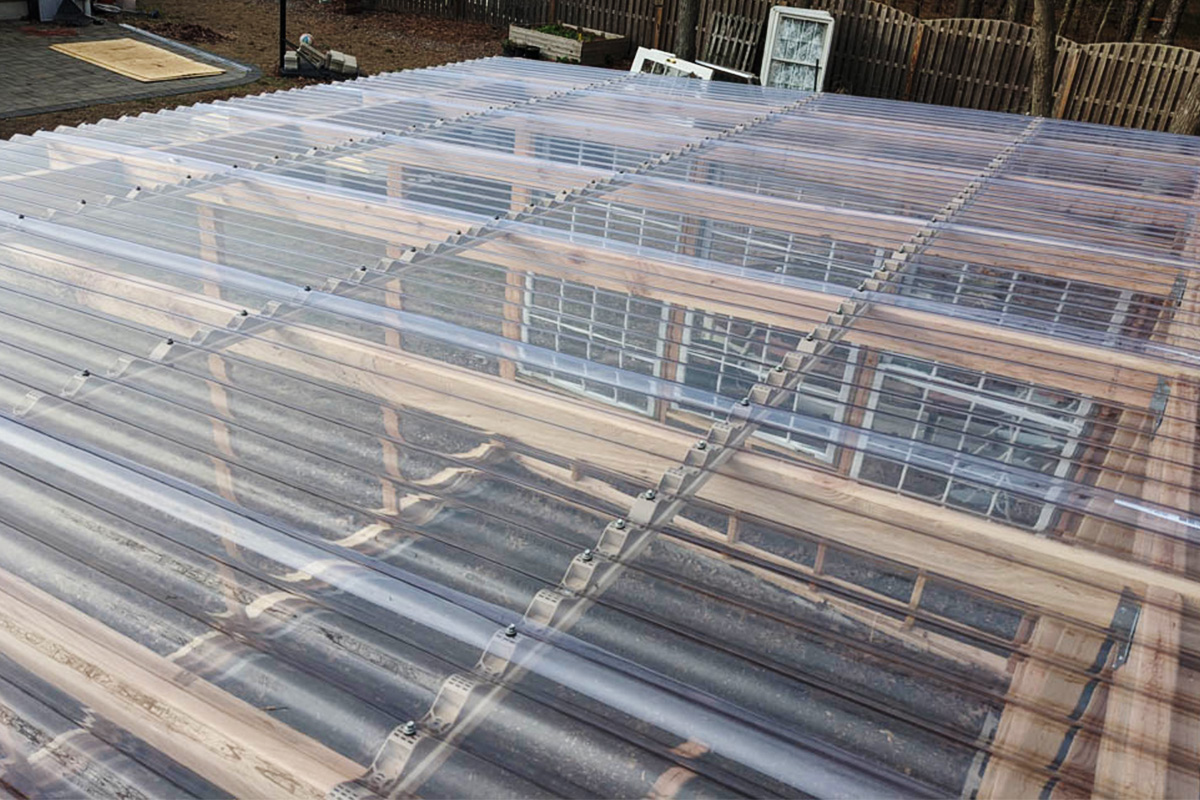 Food Processing Cold Storage Roofing in Providence, RI
 General Contractors Roofing in Providence, RI
 Government Public Sector Roofing in Providence, RI
 Healthcare Systems Roofing in Providence, RI
 Providence
 Warwick