
Commercial Roofing Services in Westerly, Rhode Island
Westerly sits at the southwestern corner of Rhode Island, where the Pawcatuck River draws the state line with Connecticut and Route 1 carries traffic between the shoreline communities and the I-95 corridor. We work on the commercial and industrial buildings that line that route and fill the blocks behind it: the downtown mill structures near the river, the retail and service buildings along Granite Street and Franklin Street, and the warehouses and light-manufacturing shops set back from the highway. These buildings share a common trait that matters to us as roofers. Most of them carry flat or low-slope roofs, and those roofs take a beating in a coastal New England climate that few inland towns have to match.
The town's granite quarry heritage left behind a stock of solid, masonry-walled commercial buildings, many of them a century old or more. The Westerly Armory and the brick-and-stone fabric of the old textile district downtown speak to that era. Those walls outlast their roofs by generations. A granite warehouse or a converted mill can stand for a hundred and fifty years while the membrane on top of it needs replacing every two to three decades. When an owner of one of these properties calls us, the building itself is usually sound. It is the roof above the deck that has reached the end of its service life, and that is the part we are here to handle.
The Buildings We Service and Why Their Roofs Need Attention
The commercial inventory around Westerly runs the full range. There are strip retail and restaurant buildings along Route catering to the seasonal traffic headed for Watch Hill and Misquamicut. There are professional offices, medical suites, and bank branches in and around downtown. There are self-storage facilities, auto shops, distribution buildings, and contractor yards on the outskirts toward Bradford and the Hopkinton line. Closer to the coast, the hospitality and service buildings that support the Watch Hill and Weekapaug summer economy face the harshest exposure of all, sitting within reach of salt spray off Block Island Sound and Little Narragansett Bay.
What unites these properties is the low-slope roof. A flat or near-flat roof has no steep pitch to shed water quickly, so it relies entirely on the integrity of its membrane, its flashing details, and its drainage. When any of those three fail, water does not run off. It ponds, it backs up at the drains and scuppers, and it works its way into seams, laps, and penetrations. On older Westerly buildings we frequently find the original built-up gravel roofs or early single-ply systems still in place, well past the point where they can be patched economically. On newer buildings the problems are usually localized: a failed pipe boot, a separated seam, a curb that was never properly counterflashed. Either way, the longer water sits, the more it costs to fix.
Flat and Low-Slope Roofing Systems We Install and Repair
We install and service the commercial membrane systems that perform well in this region. The right choice depends on the building, the deck, the roof traffic, and the budget, and we walk owners through the tradeoffs rather than pushing one product.
- TPO - A reflective single-ply membrane that suits many Westerly retail and warehouse roofs. Its white surface reflects summer heat, which helps on buildings with large, sun-exposed roof planes and cooling loads in the warmer months.
- EPDM - A rubber membrane with a long track record in New England. It handles wide temperature swings and stays flexible through cold winters, which makes it dependable on the older flat roofs common downtown.
- PVC - A welded membrane with strong resistance to grease and chemical exposure, well suited to restaurant rooftops and any building with kitchen exhaust, of which Westerly's Route 1 dining corridor has many.
- Modified bitumen - A multi-ply asphaltic system that holds up to foot traffic and works on smaller roofs, transitions, and complex details where a fully adhered single-ply is harder to terminate cleanly.
- Roof coatings - Fluid-applied silicone and acrylic systems that can extend the life of a sound but aging roof, seal seams, and add reflectivity without a full tear-off when the substrate still has years left in it.
Beyond full systems, the bulk of our day-to-day work is repair and upkeep. We track down and fix active leaks, rebuild flashings at walls, curbs, and penetrations, address ponding and drainage problems, and handle reroofing when an existing assembly is genuinely finished. We also run preventive maintenance for owners and property managers who would rather catch small problems on a schedule than discover them on the ceiling tiles after a storm.
The Weather That Drives Roof Failure Here
Westerly's position on the open coast is the single biggest factor in how long a commercial roof lasts. Nor'easters track up the Atlantic seaboard and hit this shoreline with sustained wind and driving rain, and the uplift forces on a flat roof during one of those events are exactly what find a weak seam or an under-fastened edge. Wind-driven rain does not respect a marginal flashing detail; it pushes water sideways and uphill into laps that would stay dry in a gentle shower.
Winter brings its own pattern of damage. Snow accumulates and sits on low-slope roofs because there is no pitch to shed it, and that snow load stresses the deck and concentrates meltwater at drains and low spots. The real culprit, though, is freeze-thaw. Southern Rhode Island swings repeatedly across the freezing mark through the winter, so water that finds a hairline crack or an open seam during the day freezes and expands overnight, widening the gap a little more with each cycle. By spring, what started as a pinhole has grown into a path wide enough to leak in earnest.
Then there is the salt. Buildings near Watch Hill, Misquamicut, and the harbor live in a corrosive environment that inland properties never experience. Airborne salt attacks metal flashing, fasteners, drains, and rooftop equipment, accelerating the breakdown of the very components that keep a roof watertight. We account for that exposure when we specify materials and detail the metal on coastal jobs, because a roof that would last decades a few miles inland will age faster within sight of the water.
Request a Roof Assessment
If you own or manage a commercial building in Westerly and you are not certain what shape your roof is in, the practical first step is an honest assessment. We will get on the roof, document its real condition, find the sources of any active leaks, and tell you plainly whether you are looking at a targeted repair, a coating, or a reroof, along with how much life is left in what you have. There is no obligation to do the work with us. Reach out and we will set up a time to take a look.
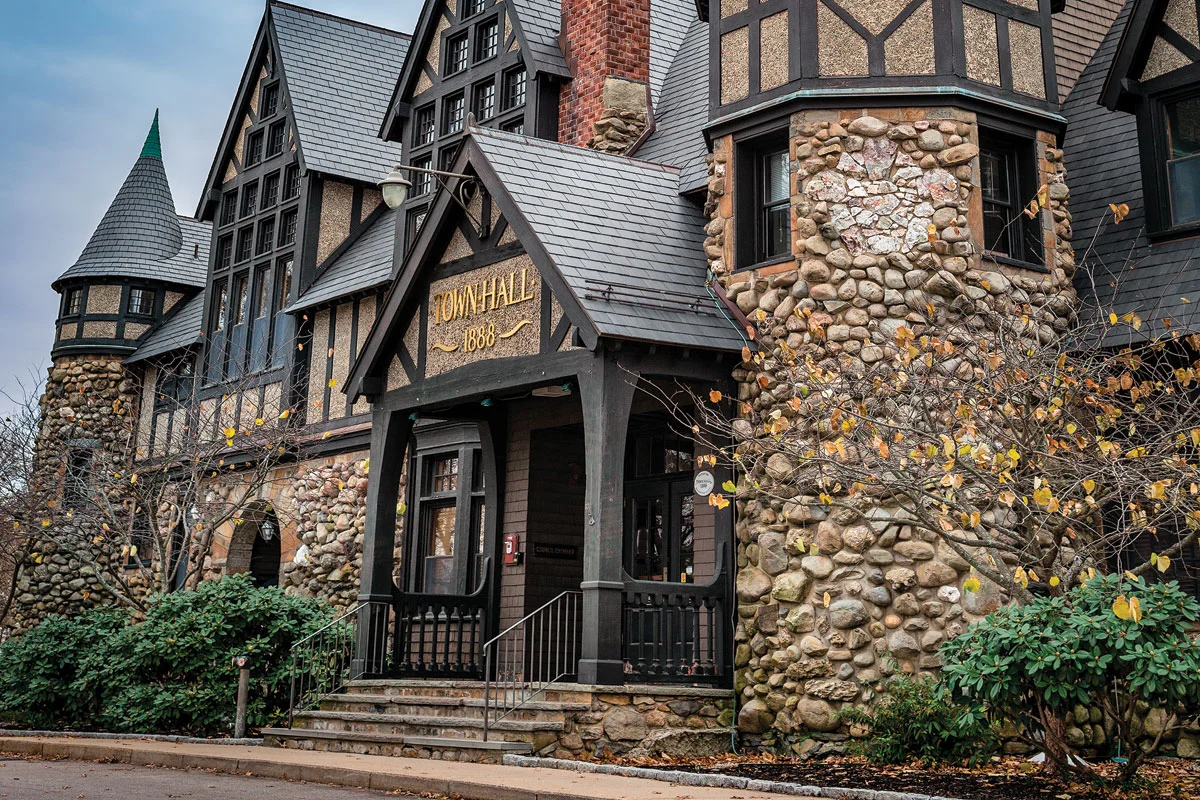 Commercial Roofing in Barrington, RI
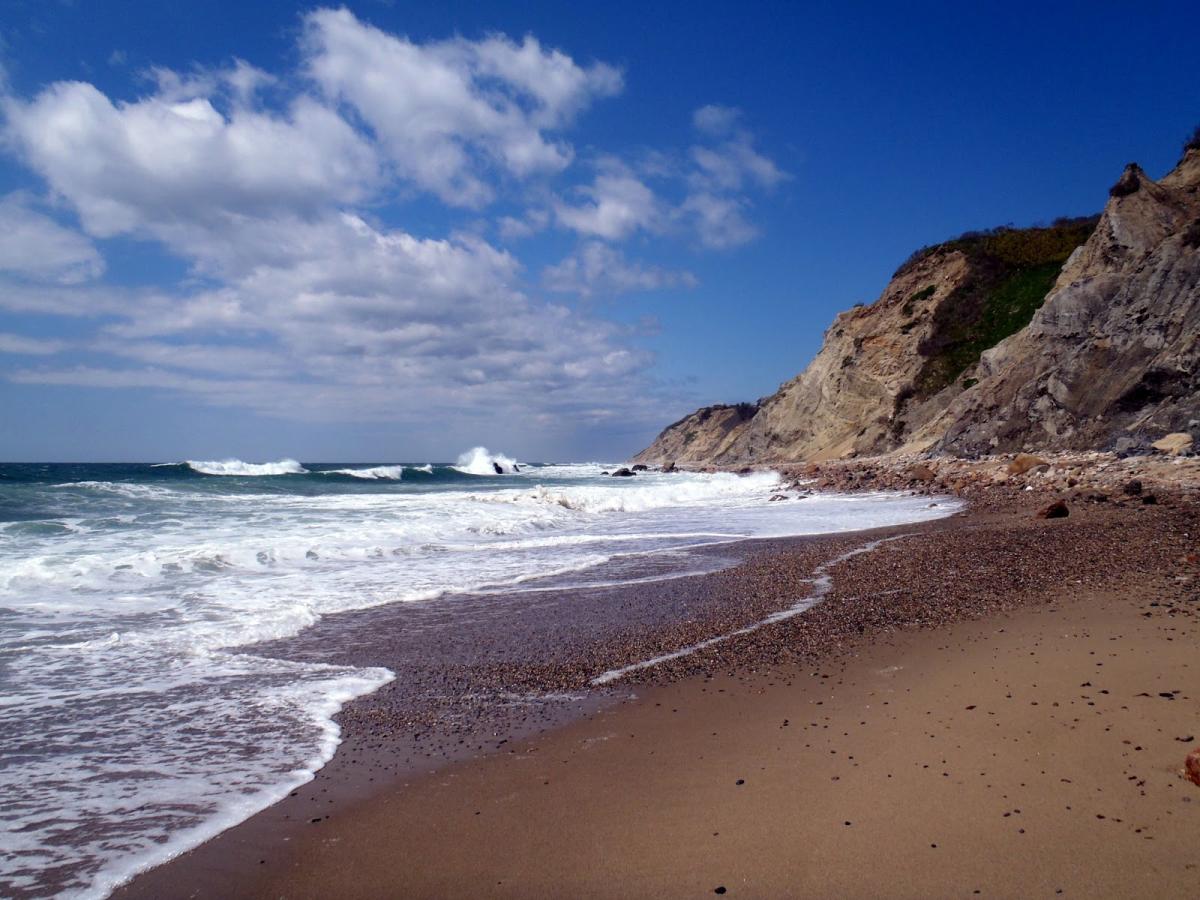 Commercial Roofing in Block Island, RI
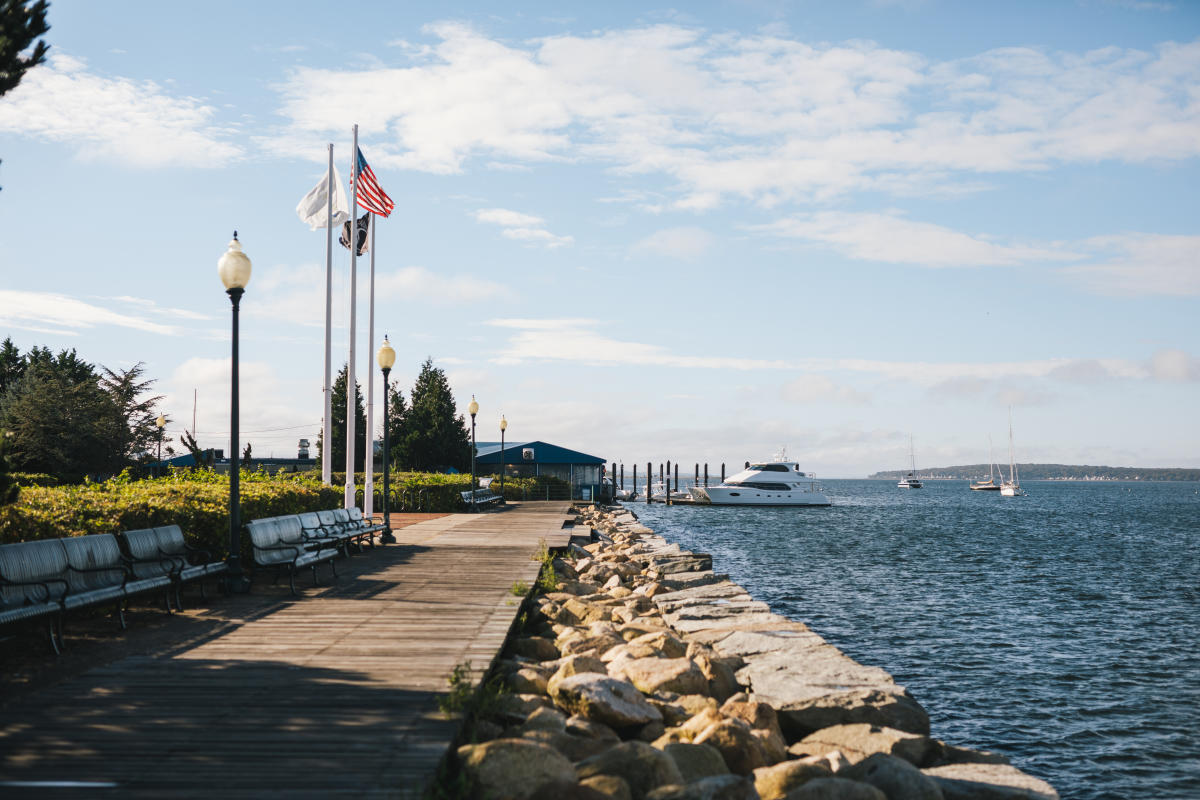 Commercial Roofing in Bristol, RI
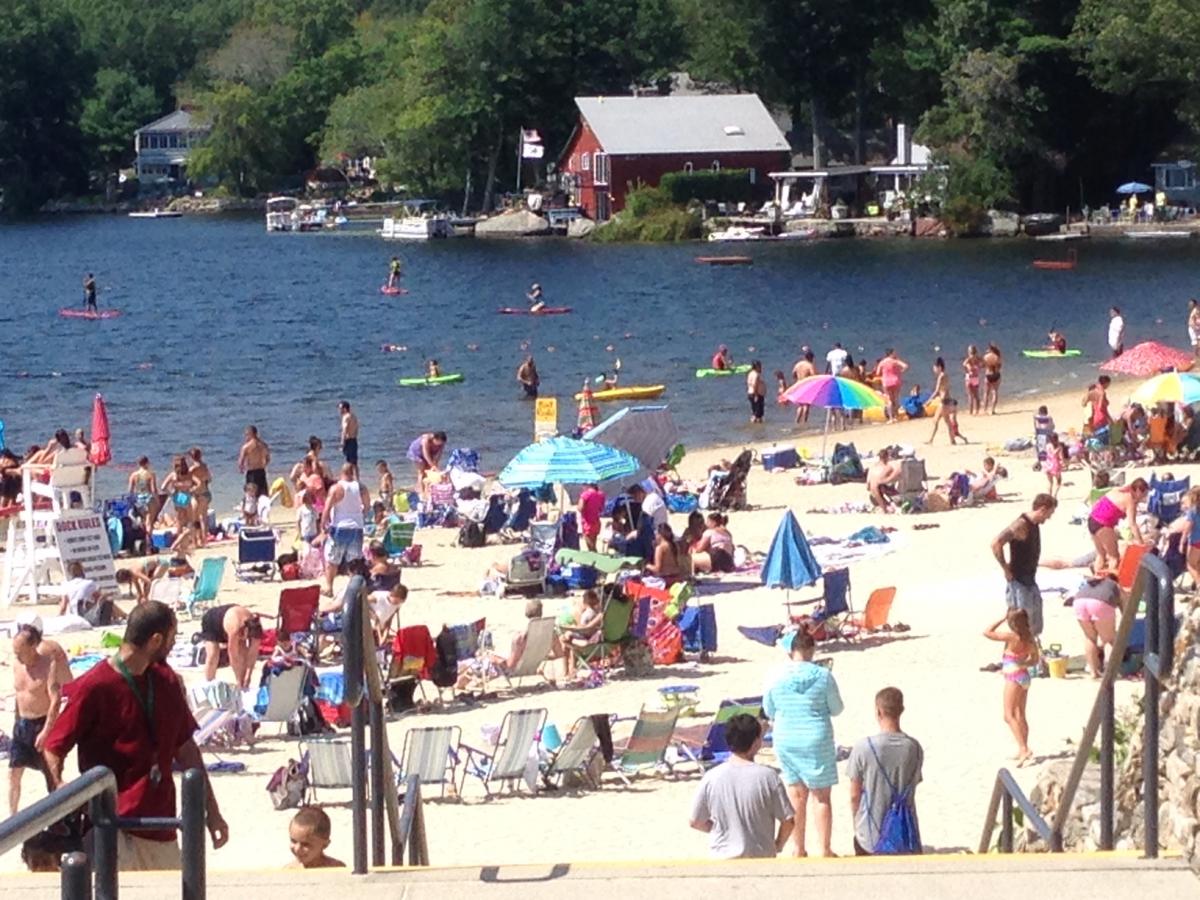 Commercial Roofing in Burrillville, RI
 Commercial Roofing in Central Falls, RI
 Commercial Roofing in Charlestown, RI