Commercial Roofing Services in East Providence, Rhode Island
Few cities of its size carry the range of building types we see in East Providence. A short drive along the waterfront takes you past low-slung distribution warehouses, masonry mill buildings carved into office and light-industrial space, strip retail, churches, and the long, flat-roofed structures that grew up around the city's old petroleum economy. The former oil and tank farms that lined the Providence River left behind a working waterfront where industrial and commercial parcels still dominate, and most of those buildings share one thing in common: a flat or low-slope roof that takes the full force of New England weather with nothing to shed it but a membrane and a few drains.
We handle commercial and industrial roofing across East Providence, from the Watchemoket and Riverside neighborhoods to Rumford and the Wampanoag Trail corridor. The work is the same whether you own a single retail bay off Route 44 or manage a multi-building site near the river: keep water out, plan for the next failure before it happens, and replace the roof on your schedule instead of during an emergency.
The Building Stock Here and Why Its Roofs Need Attention
East Providence's commercial inventory skews older than a lot of suburban Rhode Island. Plenty of it predates modern single-ply systems entirely. We still pull back gravel-surfaced built-up roofs and brittle, oxidized asphalt that were installed decades ago and have simply aged out. The mill conversions in and around Rumford bring their own problems: large roof areas, parapet walls, interior drains, and additions that were tied in over the years, each seam and transition a place where water eventually finds a way through.
On the industrial waterfront, the buildings tend to be big and the roofs even bigger. A warehouse or fabrication building can carry tens of thousands of square feet of membrane over occupied or inventory-filled space, which means a leak is rarely a minor inconvenience. Rooftop HVAC units, exhaust fans, and the curbs and pitch pockets around them are common failure points, and on older roofs the flashings at those penetrations are often the first thing to go.
What We Look For During an Assessment
- Open, split, or shrinking seams on single-ply membranes
- Flashing failures at parapets, curbs, skylights, and roof penetrations
- Ponding water and clogged or undersized drains that hold standing water after rain
- Blistering, cracking, and granule loss on built-up and modified bitumen roofs
- Wet or compressed insulation under the membrane, which shows up as soft spots underfoot
- Deteriorated sealant at counterflashing, coping, and termination bars
Flat and Low-Slope Roofing Systems We Install
Most commercial roofs in East Providence are flat or low-slope, and the right system depends on the building, the budget, and how long you plan to hold the property. We install and service the full range of commercial membranes rather than pushing a single product.
TPO and PVC Single-Ply
Thermoplastic membranes have become the default for a lot of our reroofing work. TPO offers a reflective white surface that helps with rooftop temperatures and energy costs, and its heat-welded seams form a continuous, monolithic surface. PVC is the choice where chemical or grease resistance matters, which makes it a practical option for restaurants, food processing, and certain manufacturing buildings on the industrial side of the city.
EPDM Rubber
EPDM has a long track record on New England commercial roofs and remains a dependable, cost-effective system, especially on large open roof areas. It handles temperature swings well and stands up to years of freeze-thaw cycling. We install it in fully adhered, mechanically attached, and ballasted configurations depending on the deck and the building's exposure.
Modified Bitumen and Built-Up
For roofs with heavy foot traffic, or where an owner wants the redundancy of a multi-ply system, modified bitumen is a strong choice. It pairs well with older buildings whose existing roofs were built-up assemblies, and it offers a tough, layered surface that resists punctures around frequently serviced equipment.
Roof Coatings and Restoration
Not every aging roof needs to be torn off. When the underlying membrane is still sound, a silicone or acrylic coating can restore the surface, seal minor splits, and add years of service life at a fraction of the cost of a full replacement. We assess whether a roof is a candidate for restoration honestly, because coating a roof that is already saturated underneath just buys trouble.
Repairs and Preventive Maintenance
A lot of what we do is keep good roofs from becoming bad ones. Leak repair is the call most owners make first, and we trace the source rather than just chasing the stain on the ceiling, because water travels along the deck and surfaces far from where it actually entered. Once the active leak is handled, we look at whether it was a one-off or a sign that the roof is reaching the end of its life.
Preventive maintenance is where the real savings are. Twice-yearly inspections, drain clearing, seam and flashing checks, and prompt small repairs cost a fraction of an emergency replacement and keep manufacturer warranties intact. For owners managing multiple buildings near the waterfront or along the Route 195 approaches, a maintenance program turns roofing from an unpredictable expense into a budgeted line item.
New England Weather and Why Roofs Fail Here
The climate does most of the damage we get called to fix. Nor'easters drive wind and rain sideways, finding the weak flashing and the unsealed seam that a calm rain would never expose. Heavy snow loads sit on flat roofs for weeks, and as it melts and refreezes, the freeze-thaw cycle works open every crack and split in the membrane. Standing water that freezes overnight expands and pries at seams and laps a little more each time.
East Providence's position on the Providence River and upper Narragansett Bay adds salt-laden air to the mix. On the industrial waterfront, that coastal exposure accelerates corrosion of metal flashings, fasteners, drains, and rooftop equipment, which is why we pay close attention to metal terminations and edge details on buildings near the water. A roof that might last its full rated life inland can age faster when it is taking wind off the bay and salt with it.
How That Shapes Our Work
- We detail edges, parapets, and penetrations for wind uplift, not just water
- We size and clear drainage so meltwater and rain leave the roof instead of pooling
- We specify corrosion-resistant metal and fasteners on coastal-exposed buildings
- We schedule maintenance around the seasons, catching problems before winter sets in
Request a Roof Assessment
If you own or manage a commercial or industrial building in East Providence and your roof is aging, leaking, or just overdue for a look, we are glad to come out and walk it. We will tell you honestly whether you are looking at a repair, a coating, or a full replacement, and we will put it in writing so you can plan around it. Reach out whenever you are ready and we will set up a no-pressure roof assessment at your building.
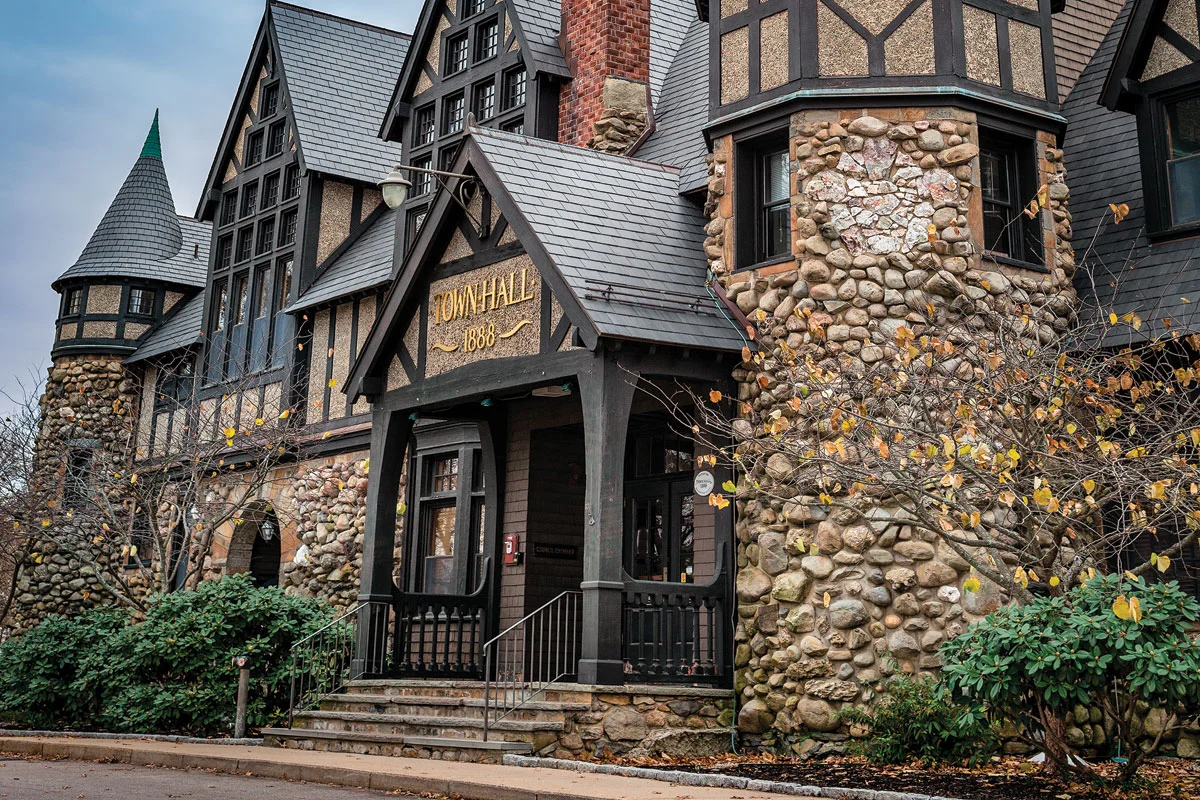 Commercial Roofing in Barrington, RI
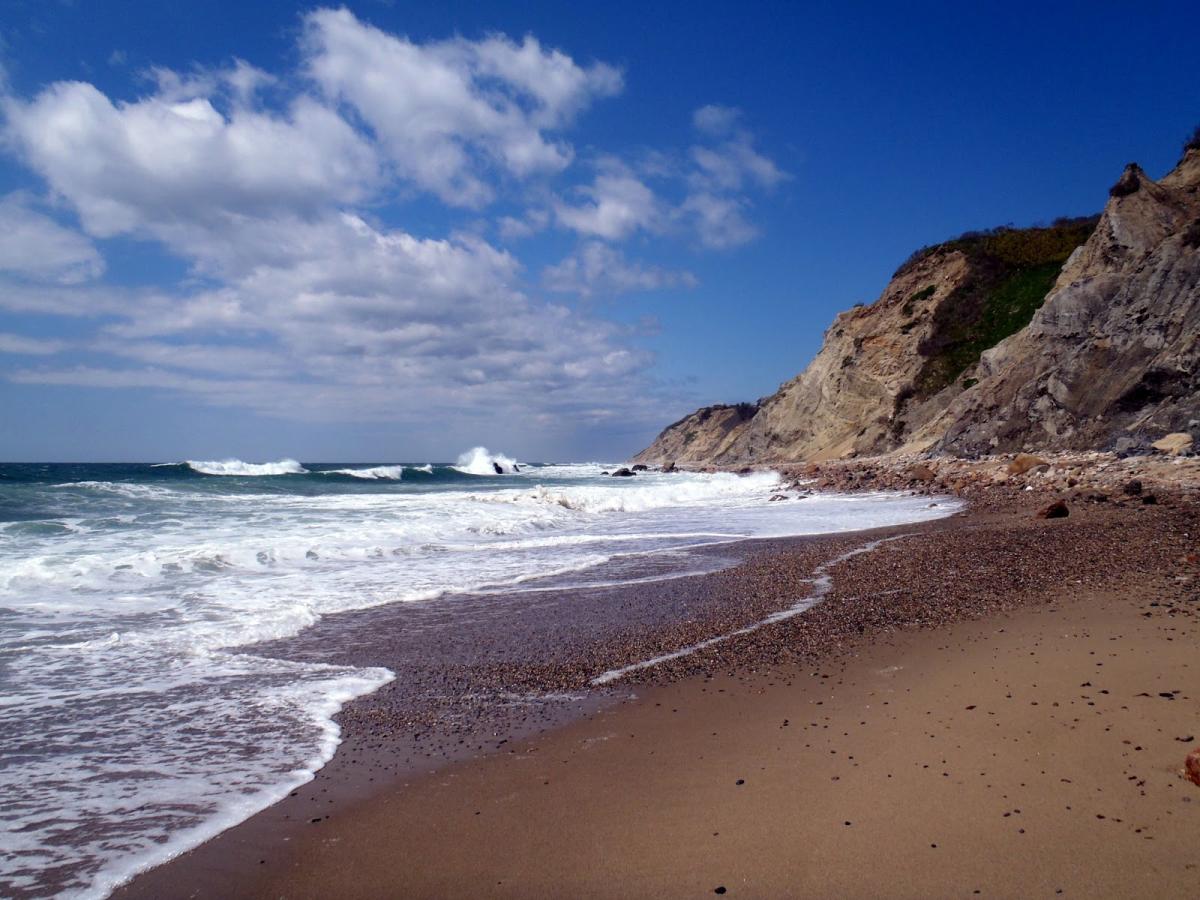 Commercial Roofing in Block Island, RI
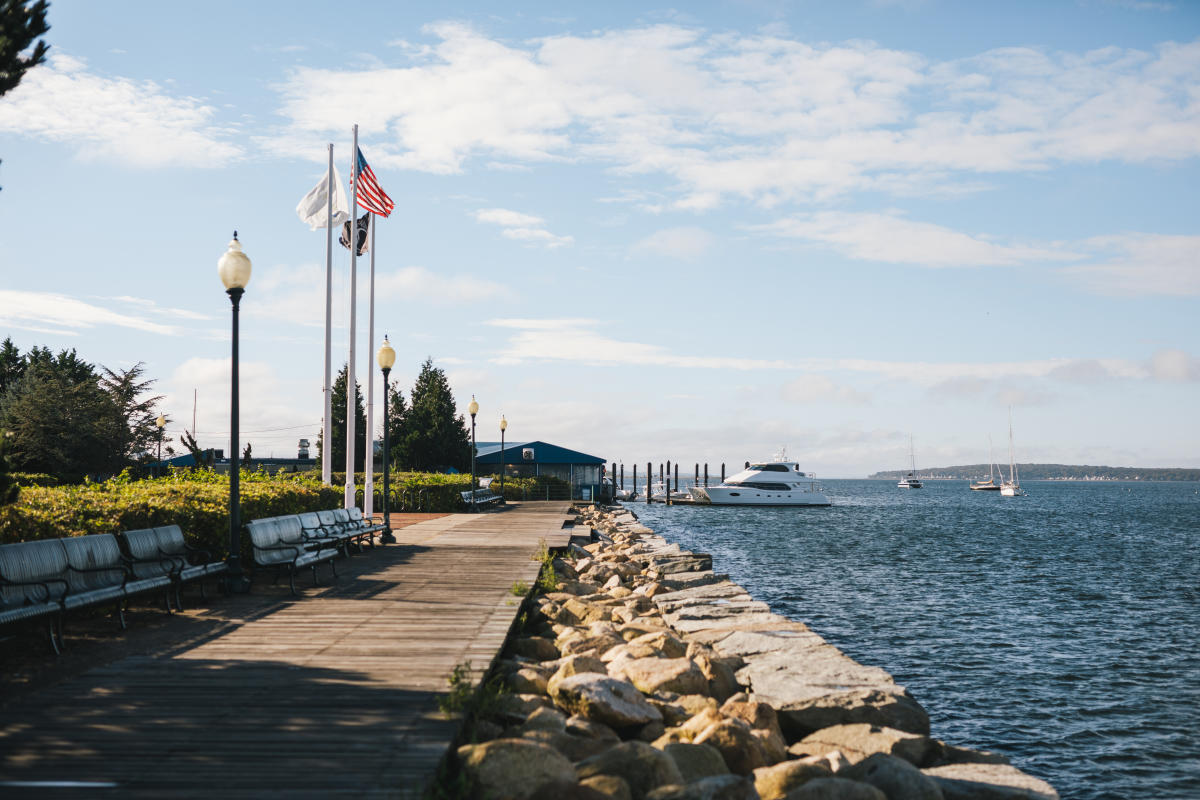 Commercial Roofing in Bristol, RI
 Commercial Roofing in Burrillville, RI
 Commercial Roofing in Central Falls, RI
 Commercial Roofing in Charlestown, RI