Warwick carries one of the densest stretches of commercial roof area in Rhode Island, and most of it sits flat or low-slope above buildings that were never designed for the weather they actually get. The retail boxes along the Bald Hill Road corridor near Warwick Mall, the air-cargo and hospitality structures ringing T.F. Green International Airport, the offices and parking decks taking shape inside City Centre Warwick, and the older mixed-use blocks through Apponaug all share the same vulnerability: a membrane or built-up assembly that takes the full force of New England weather with nothing to hide behind. We work on these roofs every season, and the pattern repeats itself across the city.
The buildings Warwick runs on, and the roofs over them
Warwick is a working commercial city, not a downtown of glass towers. Its building stock skews toward single-story and two-story structures with large roof footprints, which means the roof is often the single biggest exposed surface a property owner is responsible for. Big-box and strip retail along Route , warehouse and distribution space tied to the airport and Interstate 95, restaurants and hotels serving PVD travelers, medical and professional offices, and the municipal and civic buildings around Apponaug and City Hall all rely on flat and low-slope systems that have to drain, seal, and hold up under load.
A lot of that inventory was roofed years ago and is now past or approaching the back half of its service life. When a membrane was installed in the early 2000s, or a building changed hands and nobody pulled records, the roof becomes a guessing game. We see ponding over poorly pitched bays, fasteners backing out and tenting the membrane, failed pitch pockets around old HVAC curbs, and coping joints that have been quietly feeding water into the wall for years. None of that announces itself until a tenant calls about a stain on the ceiling, and by then the deck and insulation underneath have usually taken on water.
The flat and low-slope work we handle here
Commercial roofing in Warwick is mostly membrane and asphaltic work, and we cover the full range of it. The right system depends on the building, the budget, the roof's slope and drainage, and how long the owner plans to hold the property.
- TPO roofing - A reflective single-ply membrane that holds up well on Rhode Island's retail and warehouse roofs, where a light-colored surface helps with summer heat gain and the heat-welded seams resist the wind-driven rain that comes off Narragansett Bay.
- EPDM roofing - A durable rubber membrane that has covered New England commercial roofs for decades. It tolerates the region's temperature swings well and remains a dependable choice for larger, simpler roof fields.
- PVC roofing - A good fit for restaurants, food service, and any roof exposed to grease, chemicals, or heavy rooftop equipment, which describes a fair amount of the building stock around the airport and the Route 2 corridor.
- Modified bitumen - A multi-ply asphaltic system that performs on roofs with foot traffic, complex flashing details, or sections where a torch-down or self-adhered approach makes more sense than a single-ply.
- Roof coatings - Silicone and acrylic restoration systems that can extend the life of a sound but aging membrane, seal out water, and push a costly tear-off a few years down the road when the budget isn't there yet.
- Leak repair - Targeted work to find and stop active leaks at seams, penetrations, drains, and flashings before the water reaches insulation and decking.
- Preventive maintenance - Scheduled inspections, drain and scupper clearing, seam and flashing checks, and minor repairs that catch small problems before a nor'easter turns them into emergencies.
- Reroofing and tear-offs - Full recover or replacement when a roof is too far gone to patch, including upgrades to insulation and drainage that bring the assembly up to where it should be.
Why Warwick roofs fail when they do
The weather here is hard on flat roofs in a specific way, and understanding that is most of the job. Rhode Island sits in the path of coastal storms, and Warwick takes nor'easters that drive rain and snow sideways into seams, copings, and parapet walls that a gentler climate would never test. Wind that comes off Greenwich Bay and the open water finds any loose edge metal or unsecured flashing and works it harder with every storm.
Snow is the other half of it. A wet New England snowpack puts real weight on a roof deck, and where that snow drifts against rooftop equipment or piles deep in a low bay, the load concentrates. As it melts and refreezes through the day, water backs up at drains and works under flashings. That freeze-thaw cycle is what cracks aging membranes, splits sealant at penetrations, and opens up the seams that were already marginal. A roof can look fine in October and be leaking by February because of damage that happened over a single hard week.
Drainage ties it all together. A low-slope roof that ponds water is a roof living on borrowed time, because standing water finds every weak point and freezes there. Buildings closer to the Pawtuxet River and the bay carry the added factor of salt-laden coastal air, which is corrosive to fasteners, edge metal, and the steel components that hold an assembly down. We account for all of it when we assess a roof, because the same membrane behaves differently on an exposed roof near the water than it does on a sheltered one a few miles inland.
How we approach a Warwick roof
We start by figuring out what a building actually needs, not what's easiest to sell. On a commercial property, roof access, parking, tenant operations, and rooftop equipment all shape how work gets scheduled, and we plan around them before anyone is on the roof. A retail center on Route 2 can't have its lot torn up during business hours, and a building near the airport may have logistics that run around the clock. Those realities are part of the plan from the start.
Most roofs we look at fall into one of three categories: a repair candidate that needs targeted work and a maintenance plan, a recover candidate where a coating or an added membrane buys real time, or a tear-off that should be budgeted and scheduled before the next heavy weather season forces the issue. We tell owners which one they're dealing with and why, with enough detail to plan around it. The goal is a roof that does its job quietly for years, not a quick patch that fails the next time a storm comes up the bay.
If you own or manage a commercial building in Warwick and you're not sure where your roof stands, reach out and we'll come take a look. A straightforward roof assessment tells you what you're working with, what it'll take to keep it sound, and roughly when you should plan for bigger work. From the retail along Bald Hill Road to the office and industrial space around T.F. Green and Apponaug, we're glad to walk the roof and give you an honest read before the weather makes the decision for you.
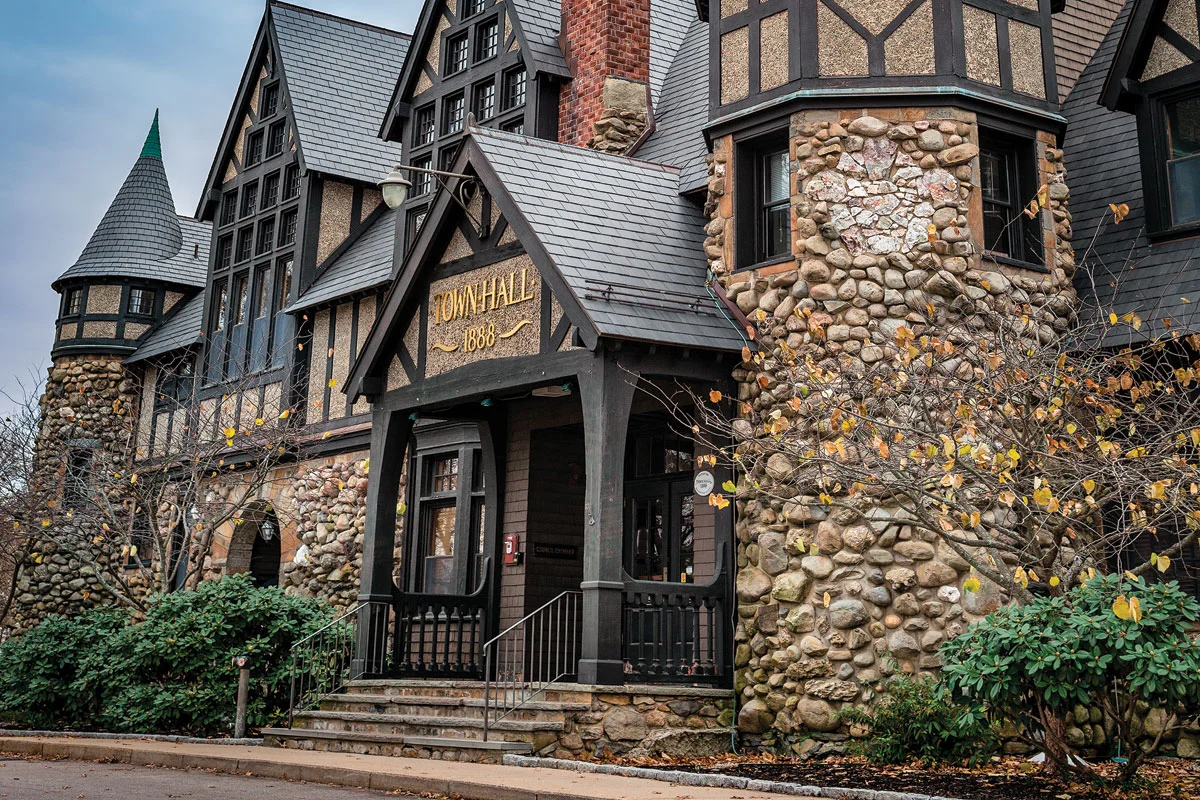 Commercial Roofing in Barrington, RI
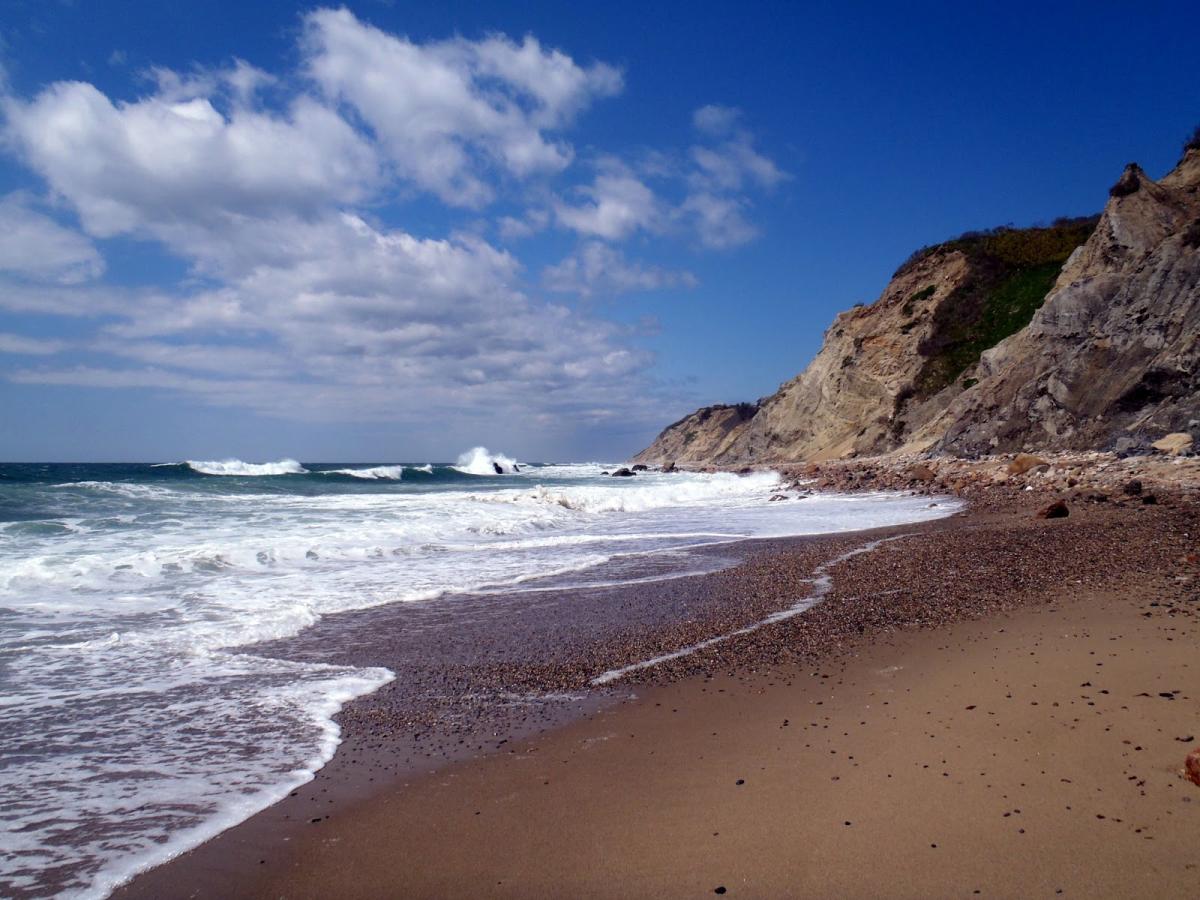 Commercial Roofing in Block Island, RI
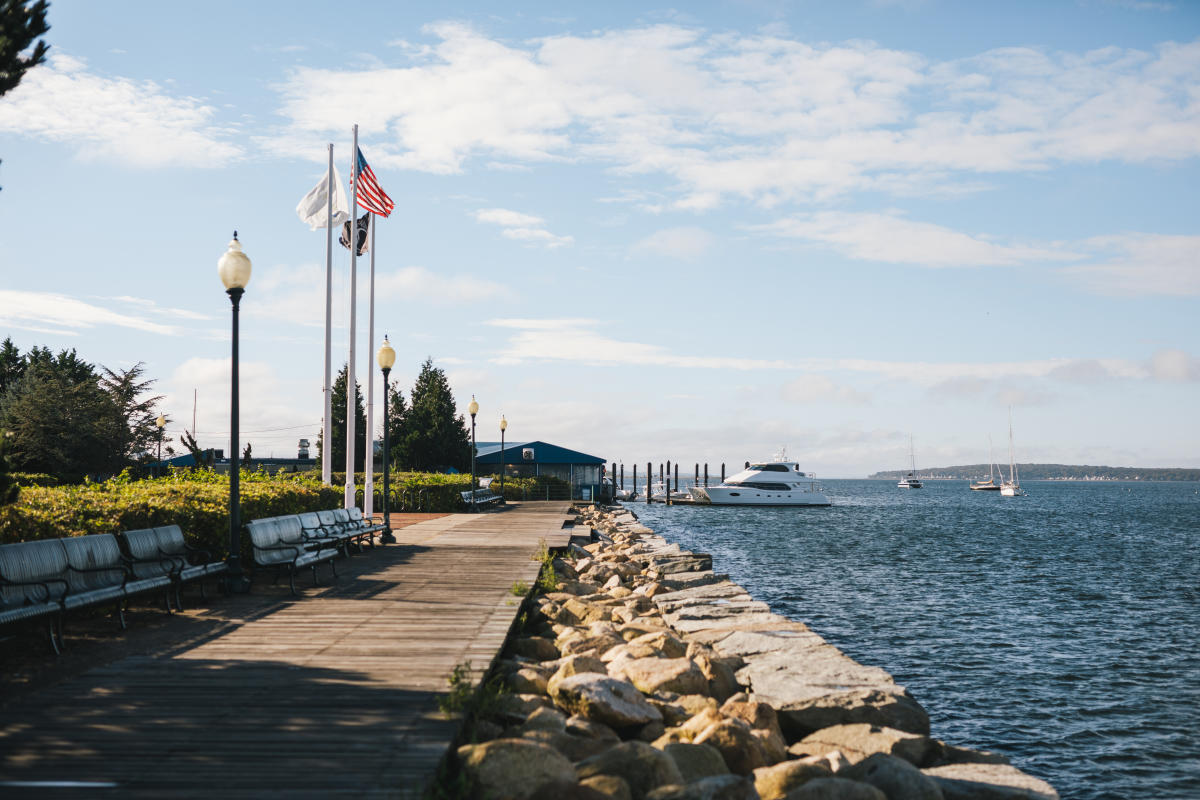 Commercial Roofing in Bristol, RI
 Commercial Roofing in Burrillville, RI
 Commercial Roofing in Central Falls, RI
 Commercial Roofing in Charlestown, RI