
Commercial Roofing Built for Foster's Western Highlands
Foster sits in the high, wooded country along the Connecticut line, and as Rhode Island's most rural town it carries a building stock that looks nothing like the dense commercial corridors closer to Providence. The structures that anchor the local economy here are spread out and practical: the municipal and emergency-services buildings clustered around Foster Center, the small-business storefronts and service garages strung along the Route 6 and Route 94 corridors, agricultural outbuildings and equipment barns, contractor yards, self-storage rows, and the occasional light-manufacturing or fabrication shop tucked off a back road. Many of these were built with low-slope or flat roof sections, and many have been carrying the same membrane or built-up assembly for two or three decades. We work on exactly this kind of building, and we know how it behaves at elevation in this part of the state.
The town's setting matters more than people expect. Foster is home to Jerimoth Hill, the highest point in Rhode Island at 812 feet, and a good deal of the commercial property here sits on that same elevated western plateau. Higher ground means more wind exposure, deeper snow that lingers later into spring, and a sharper freeze-thaw cycle than the coastal lowlands ever see. A roof that would last comfortably in Warwick or East Providence gets pushed harder up here, and the failures show up sooner.
The Flat and Low-Slope Work We Do Here
Most of what we handle in Foster falls under commercial flat and low-slope roofing, and the right system depends on the building, the budget, and how the roof gets used.
- TPOis a common choice for newer commercial roofs and reroofs. The reflective white membrane sheds heat in summer and the heat-welded seams hold up well against wind-driven rain, which matters on exposed sites near the highway.
- EPDMremains a workhorse on a lot of older Foster buildings. The rubber membrane is durable, predictable in cold weather, and straightforward to repair, which keeps it practical for barns, storage buildings, and municipal structures.
- PVCis what we reach for when a roof sees grease, chemical exposure, or heavy foot traffic, such as a kitchen exhaust area or a shop with rooftop equipment.
- Modified bitumenworks well on smaller low-slope sections and on roofs with a lot of penetrations, giving a tough, layered surface that takes abuse.
- Roof coatingslet us extend the life of a sound but aging membrane without a full tear-off, sealing seams and small splits and adding a reflective layer that cuts heat load.
Alongside full systems, the day-to-day need out here is leak repair and reroofing. When a roof is past saving, we plan the tear-off and replacement around the building's schedule so a working garage or storefront keeps running while we re-cover it.
Preventive Maintenance Keeps Foster Roofs Out of Trouble
Because commercial buildings in Foster are spread across rural roads and frequently sit unattended for stretches, small problems have room to grow before anyone notices. A clogged drain, a lifted seam, or a split around a vent pipe can leak quietly for weeks. We set up preventive maintenance schedules tuned to twice-a-year inspections, typically after winter and before it returns, so flashings, seams, drains, and penetrations get checked and sealed before they turn into interior damage. For owners managing a building from a distance or running a property without on-site building occupants, a documented maintenance program is the cheapest insurance there is, and it almost always costs less than the deck repairs and inventory losses that follow a roof that was left alone too long.
New England Weather Is What Wears These Roofs Out
The roofs we service in Foster do not fail at random. They fail in patterns set by the weather, and at this elevation the weather is unforgiving.
Nor'easters drive rain and wind hard against the building, and on a low-slope roof the danger is at the edges and seams. Wind that gets under a loose membrane edge can peel it back fast, and wind-driven rain finds any gap in the flashing. We pay close attention to perimeter detailing and fastening because that is where storms do their damage first.
Snow load is the heavier concern on Foster's high ground. Snow falls deeper here and sits longer than it does down by the bay, and a flat roof can hold thousands of pounds of accumulated snow and ice. As it partially melts and refreezes, it migrates toward drains and low spots, and standing water that freezes overnight stresses the membrane and the structure underneath. We look hard at drainage and ponding because a roof that cannot clear water in this climate is a roof on a clock.
Freeze-thaw is the quiet destroyer. Water works into a tiny crack or seam, freezes, expands, and forces the opening wider, then thaws and seeps deeper, and the cycle repeats through the long Foster winter. Old built-up roofs and aging membranes get pulled apart this way one fraction of an inch at a time, which is why the splits and seam failures we find almost always trace back to a freeze-thaw cycle that has been working on the same weak point for years.
Foster sits well inland in the western highlands, so airborne coastal salt is not the daily factor it is along Narragansett Bay. The wear out here is driven by wind, snow, ice, and the cold, and we spec materials and details with that inland-highland reality in mind rather than treating every Rhode Island roof the same.
Talk to Us About a Roof Assessment
If you own or manage a commercial building anywhere in Foster, from the center of town to the shops and yards along Route 6 and Route 94, the most useful first step is a straight look at what you actually have. We will get on the roof, check the membrane, seams, flashings, and drainage, and tell you plainly whether you are looking at a repair, a coating, or a replacement, with no pressure to spend on more than the building needs. Reach out whenever you are ready and we will set up an assessment.
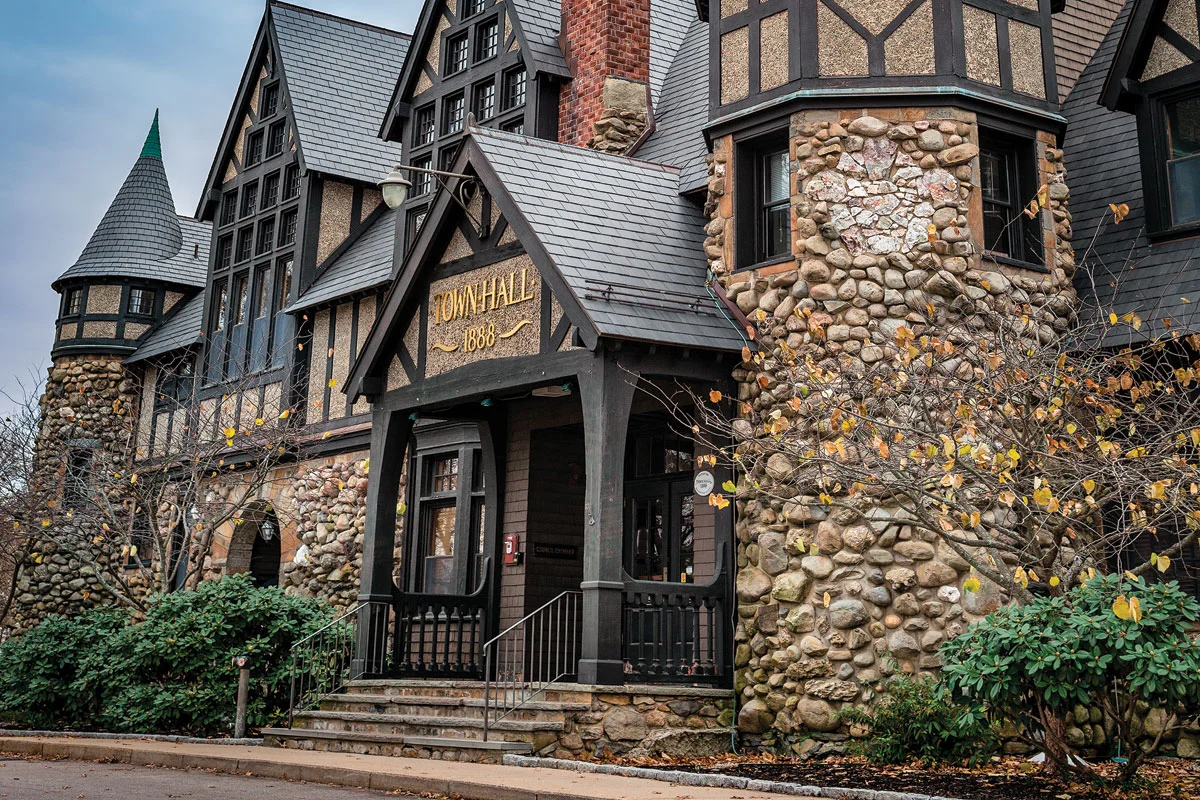 Commercial Roofing in Barrington, RI
 Commercial Roofing in Block Island, RI
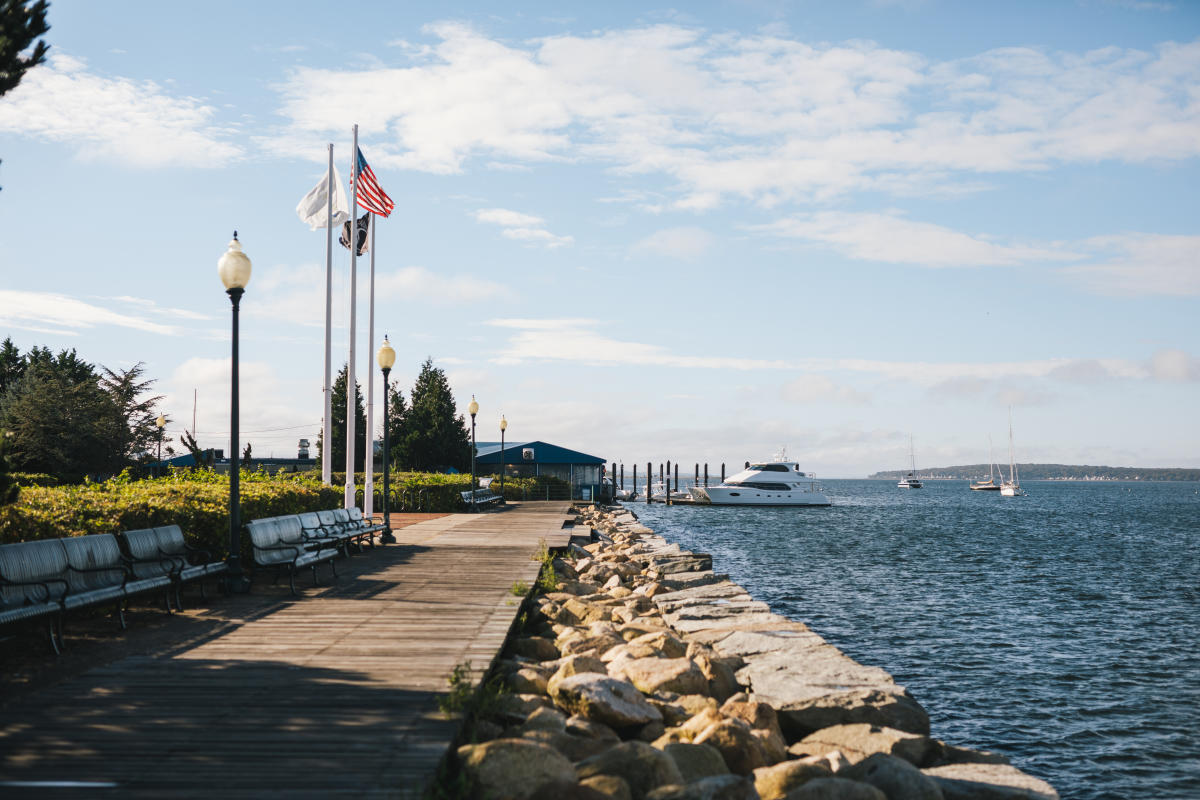 Commercial Roofing in Bristol, RI
 Commercial Roofing in Burrillville, RI
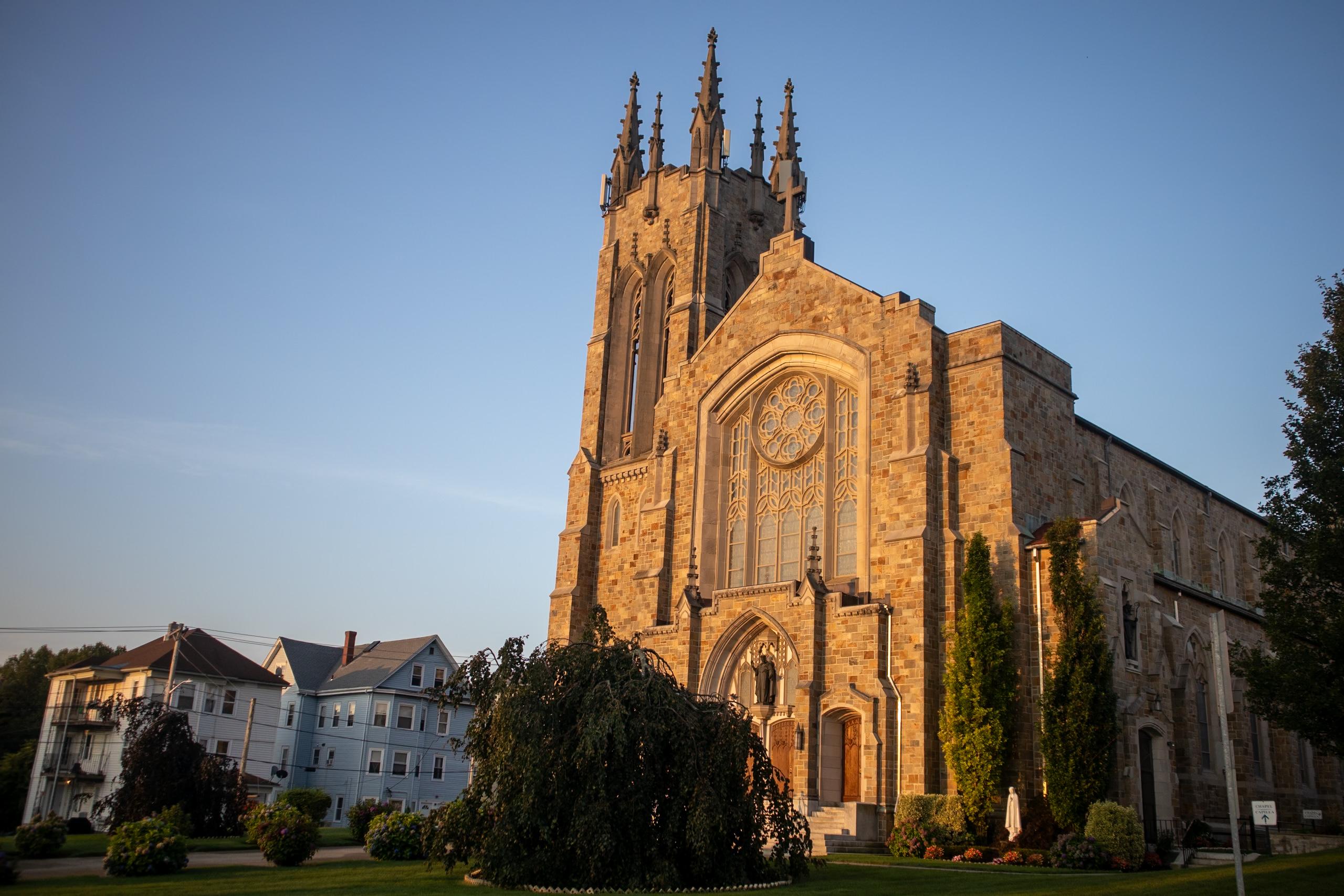 Commercial Roofing in Central Falls, RI
 Commercial Roofing in Charlestown, RI