
Commercial Roofing Built for Little Compton's Coast
We handle flat and low-slope commercial roofs across Little Compton, from the cluster of civic and retail buildings around the Commons to the farm stands, barns, and outbuildings strung along Route 77, the winery and tasting-room structures near Sakonnet Vineyard, and the clubhouses and storage buildings down at Sakonnet Point. This is a small, rural, coastal town, but the buildings here still take a beating. Salt air rides in off the Sakonnet River, nor'easters come up the coast with no land to break them, and the freeze-thaw swings between November and April pry at every seam and flashing on a roof. We work on the buildings that keep this town running, and we build roofs to last in exactly these conditions.
The Buildings We Work On Here
Little Compton's commercial stock is a mix that you do not see everywhere. The Commons holds the older civic and retail buildings, the Town Hall, the Brownell Library, the general store, and the cafes and galleries that draw people in. Many of these are older structures with additions and porches tacked on over the decades, which means roof transitions, valleys, and tie-ins where flat sections meet pitched roofs, and those junctions are where leaks usually start.
Beyond the Commons, the working buildings spread out. Route 77 runs the spine of the town from the Tiverton line down toward the water, and along it sit farm stands, equipment barns, packing buildings, and the structures around Sakonnet Vineyard, which has been growing grapes on these fields since 1975. Up in the northeast corner, Adamsville and the Route 81 area carry their own small commercial buildings. Down at Sakonnet Point, at the mouth of the river, the club buildings and harbor-side storage take the most direct salt exposure in town. Each of these building types has its own roofing demands, and a barn roof asks for something different than a tasting-room flat roof or a town office membrane.
Flat and Low-Slope Roofing Systems We Install
Most of the commercial and agricultural buildings we service have flat or low-slope roofs, and the right system depends on the building, the budget, and what is already up there. We install and service:
- TPOsingle-ply membrane, a reflective white roof that handles UV well and welds into a continuous waterproof surface. It is a strong fit for newer commercial buildings and additions where energy performance matters.
- EPDMrubber roofing, which holds up to the temperature swings and cold New England winters as well as anything we install. It is a proven, long-lived choice for a lot of the older flat roofs in town.
- PVCmembrane, which we recommend where a roof faces grease, chemical exposure, or heavy salt, since its welded seams and chemical resistance make it well suited to buildings near the water and to any kitchen or food-handling operation.
- Modified bitumen, a multi-ply asphalt system that gives a tough, redundant surface for buildings that see foot traffic or need extra durability.
- Roof coatings, fluid-applied over an existing sound roof to seal seams, reflect heat, and add years of service without a full tear-off, which keeps capital costs down for owners who are not ready to reroof.
When a roof is past coating or repair, we handle full reroofing, including tear-off, deck inspection, replacement of any rotted or wet decking, and installation of a new system with proper insulation and drainage. We would rather catch a failing deck during planned work than after it has caved under a snow load.
Why Roofs Fail Around Here
The weather in southeastern Rhode Island is rough on commercial roofs, and the failures we see are not random. They track the seasons.
Nor'easters and coastal wind. Little Compton sits exposed on the coast, and a strong nor'easter drives rain sideways and finds any weakness in a membrane, a flashing, or a seam. Wind uplift at roof edges and corners is a constant threat, so edge detailing and proper fastening are not places to cut corners on a building this close to open water.
Snow load and ice. Snow piles up on flat roofs and does not always slide off. When it melts during the day and refreezes at night, ice dams and ponding follow, and standing water is the enemy of any low-slope roof. We pay close attention to slope, drainage, and the condition of drains and scuppers, because that is what keeps water moving off the roof instead of sitting on it.
Freeze-thaw cycling. Through the winter, temperatures cross the freezing point again and again. Water gets into a tiny crack, freezes, expands, and opens that crack wider. Every cycle makes it worse. This is why a small problem in December becomes an active leak by March if nobody looks at it.
Coastal salt. Salt air corrodes metal flashings, fasteners, and edge details, and it ages membranes faster than the same roof would age inland. Buildings near Sakonnet Point and along the open fields catch the most of it. We account for salt exposure when we choose materials and detail the metal work, because a fastener that rusts out takes the roof's edge security with it.
Leak Repair and Preventive Maintenance
Not every roof needs replacing. A lot of what we do is find a leak, fix it right, and keep a sound roof sound. When a building owner calls about a stain on the ceiling, we track the water back to its real source rather than just patching where it shows up inside, because water travels along a deck before it drips. We repair failed seams, flashings, pitch pockets, and penetrations, and we get the roof watertight again.
The better path, though, is staying ahead of it. We set up preventive maintenance for commercial and agricultural buildings, with seasonal inspections, drain and gutter clearing, seam and flashing checks, and minor repairs before they grow. On a coast like this, a roof that gets looked at twice a year, ideally before and after winter, lasts far longer than one that only gets attention when it is already leaking into the building. For a town where many buildings are seasonal or lightly building occupantsed in the off months, that scheduled second set of eyes catches the problems nobody is around to notice.
Get a Roof Assessment
If you own or manage a commercial, retail, or agricultural building in Little Compton and you are not sure where your roof stands, we are glad to come take a look. We will get up on the roof, check the membrane, seams, flashings, and drainage, and give you a straight read on its condition and what, if anything, it needs. Reach out to set up an assessment and we will take it from there.
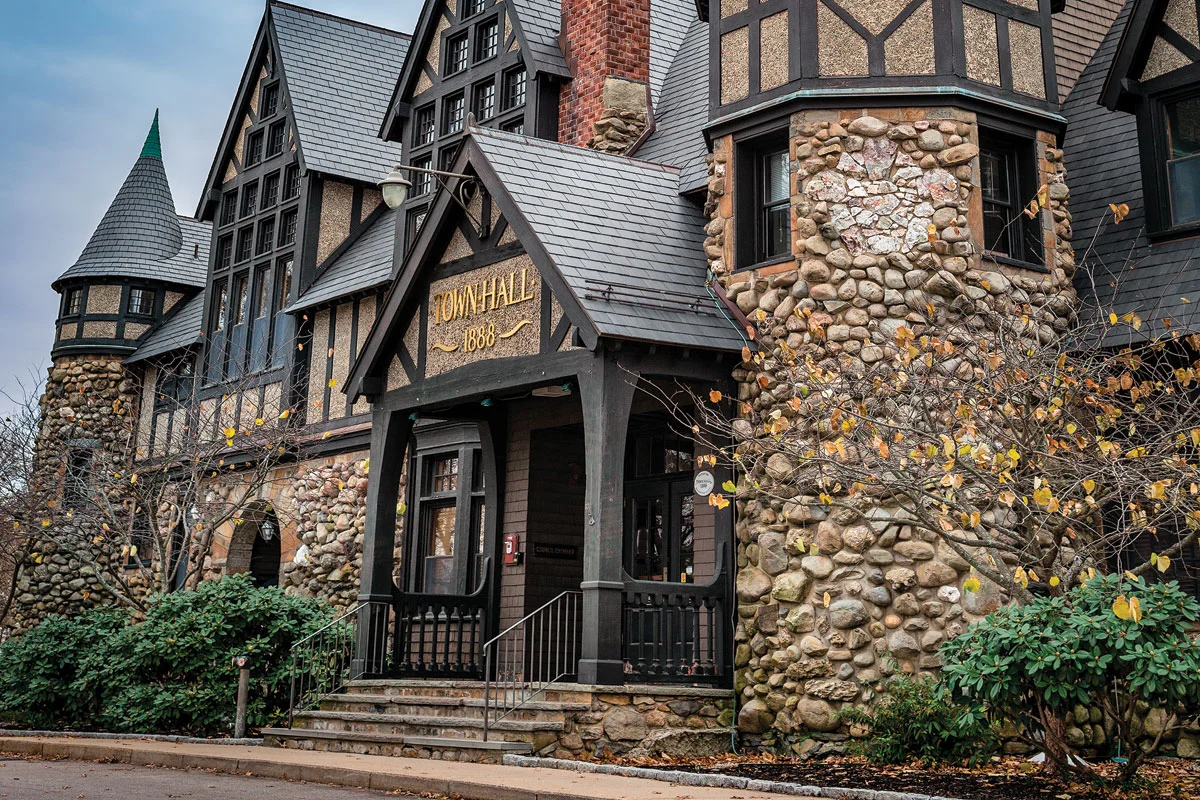 Commercial Roofing in Barrington, RI
 Commercial Roofing in Block Island, RI
 Commercial Roofing in Bristol, RI
 Commercial Roofing in Burrillville, RI
 Commercial Roofing in Central Falls, RI
 Commercial Roofing in Charlestown, RI