Commercial Roofing Serving Richmond, Rhode Island
Drive the length of Route 112 through Carolina, where it runs as Main Street before becoming Richmond Townhouse Road and climbing north toward Route 138 near the Meadow Brook Golf Club, and you pass the kind of buildings that keep us busy. Light manufacturing shops, contractor yards, small retail blocks, and the converted mill-era structures that still anchor several of Richmond's seven villages. We work on the flat and low-slope roofs that cover these properties, and we know the difference between a roof that gets ignored until it leaks and one that gets looked after before the weather finds the weak spot.
Richmond is a rural town in southwestern Rhode Island, with the better part of it still undeveloped woodland. The commercial footprint is concentrated, which means the buildings that do carry business roofs matter a great deal to the people who own and operate them. A shut-down day for a leaking warehouse roof in this part of Washington County is not a minor inconvenience. It is lost production, damaged inventory, and a scramble to find someone who can get on the roof in the weather that caused the problem in the first place. We would rather be the contractor you already know before that day arrives.
The Commercial and Industrial Buildings We Service Here
Stillson Road is the town's designated industrial area and the home of several manufacturing companies, and the buildings clustered there are exactly the type that depend on a sound membrane roof. Steel-frame structures with wide, flat spans do not shed water the way a pitched residential roof does. Water sits, ponds in the low spots, and works at every seam and flashing until something gives. These are the roofs we inspect, repair, and replace, and they are the reason a commercial roofer needs to understand drainage and detailing rather than just shingles.
The Wyoming village business district sits just off Exit 7 of Interstate 95, which has made it a gateway between the rest of Rhode Island and eastern Connecticut and pulled commercial development toward the highway. The mix there runs from service businesses and storefronts to the kind of mixed-use buildings that grew up around the old riverside mills on the Wood River. Down toward Wood River Junction you find office space, retail, and industrial sites of varying age. Each of those building types ages differently on top, and each calls for a roofing approach matched to its deck, its slope, and the way it is actually used day to day.
Older buildings carry their own history on the roof. A mill structure or a retail block that has stood for decades has often been reroofed more than once, sometimes with layers built up over older material, sometimes with patch jobs that solved a leak for a season and created a new one a few feet over. When we assess one of these roofs, we want to know what is actually under the surface before we recommend anything. Tearing into the unknown is how budgets get blown.
Flat and Low-Slope Roofing Systems for Richmond Properties
Most commercial roofs in this area fall into the flat or low-slope category, and the right system depends on the building, the budget, and how long the owner intends to hold the property. We install and service the membranes that hold up in New England:
- TPOsingle-ply membrane, a reflective white surface that handles UV exposure well and keeps cooling costs down on buildings with large open interiors.
- EPDMrubber roofing, a proven low-slope system that stands up to temperature swings and has a long track record on industrial and commercial buildings throughout the region.
- PVCmembrane, a strong choice where chemical exposure, grease, or heavy foot traffic is a factor, such as restaurants and certain manufacturing settings.
- Modified bitumen, a layered asphalt-based system that performs well on roofs with rooftop equipment and frequent maintenance access.
- Roof coatings, fluid-applied systems that can extend the life of an existing roof, seal small failures, and reflect heat without the cost and disruption of a full tear-off.
When a roof has reached the end of its service life, we handle full reroofing as well, including tear-off, deck inspection and repair, and installation of a new system. We would rather tell you a coating or a targeted repair will buy you several more good years, when that is true, than sell you a replacement you do not yet need. A roof that gets the right work at the right time costs less over its lifetime than one that lurches from emergency to emergency.
Leak Repair and Preventive Maintenance
Most of what fails on a commercial roof fails at the details, not in the open field of the membrane. Flashings at parapet walls, seals around rooftop HVAC units and vents, drains, and seams are where water finds its way in. We track leaks back to the actual source rather than chasing the stain on the ceiling, which often shows up several feet from the real breach. Once we find it, we fix it properly.
Preventive maintenance is the part that quietly saves owners the most money. A scheduled inspection twice a year, plus a look after major storms, catches the small problems while they are still small. Clearing drains, resealing flashings, and addressing minor punctures before winter is far cheaper than replacing a wet, deteriorated roof deck after water has been sitting under the membrane for a season. For buildings near the highway corridor and the industrial road, where downtime carries a real cost, that routine attention pays for itself.
Why Roofs Fail in Southern Rhode Island
The weather here is hard on commercial roofs, and it works in a few specific ways. Nor'easters drive wind and rain at the roof from angles that test every seam and edge detail, and the wind uplift on a wide flat roof can pull at poorly fastened membrane and loose flashing. A roof that was installed without attention to edge metal and fastening patterns shows its weaknesses fast in a serious coastal storm.
Snow load is the next factor. Heavy wet New England snow adds real weight to a flat roof, and when it drifts against parapets and around rooftop units, it concentrates that load and the meltwater in exactly the spots most prone to leaking. As temperatures swing above and below freezing through the winter, the freeze-thaw cycle goes to work. Water that has crept into a seam or a hairline crack freezes, expands, and forces the opening wider, then thaws and seeps deeper, and the cycle repeats through every cold snap until a minor flaw becomes a genuine leak.
Ice damming and standing water round out the picture. Ponding that lingers after a storm accelerates membrane breakdown and tells us drainage is not working the way it should. Because Richmond sits in the southern part of the state and is not far inland from the coast, salt-laden air can add to the wear on metal edge details and fasteners over time. We account for all of this when we design a roofing system and when we lay out a maintenance plan, because a roof built for milder weather will not last here.
Request a Roof Assessment
If you own or manage a commercial or industrial building in Richmond, whether it sits along the Route 112 corridor in Carolina, near the Wyoming business district off Exit 7, on Stillson Road, or anywhere among the town's villages, we are glad to take a look at your roof and give you a straight assessment. We will tell you what condition it is in, what it needs now, and what it will likely need down the road, so you can plan and budget instead of waiting for the next leak to make the decision for you. Reach out whenever you are ready, and we will set up a time to come out.
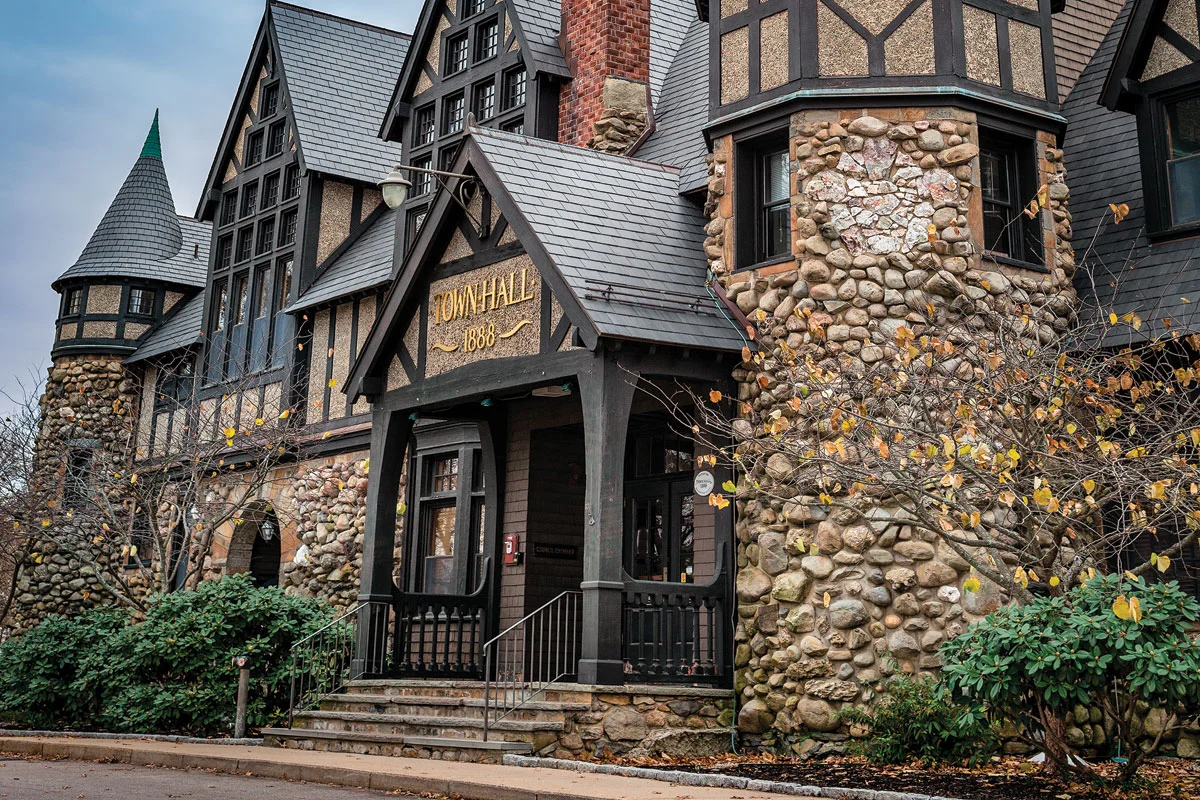 Commercial Roofing in Barrington, RI
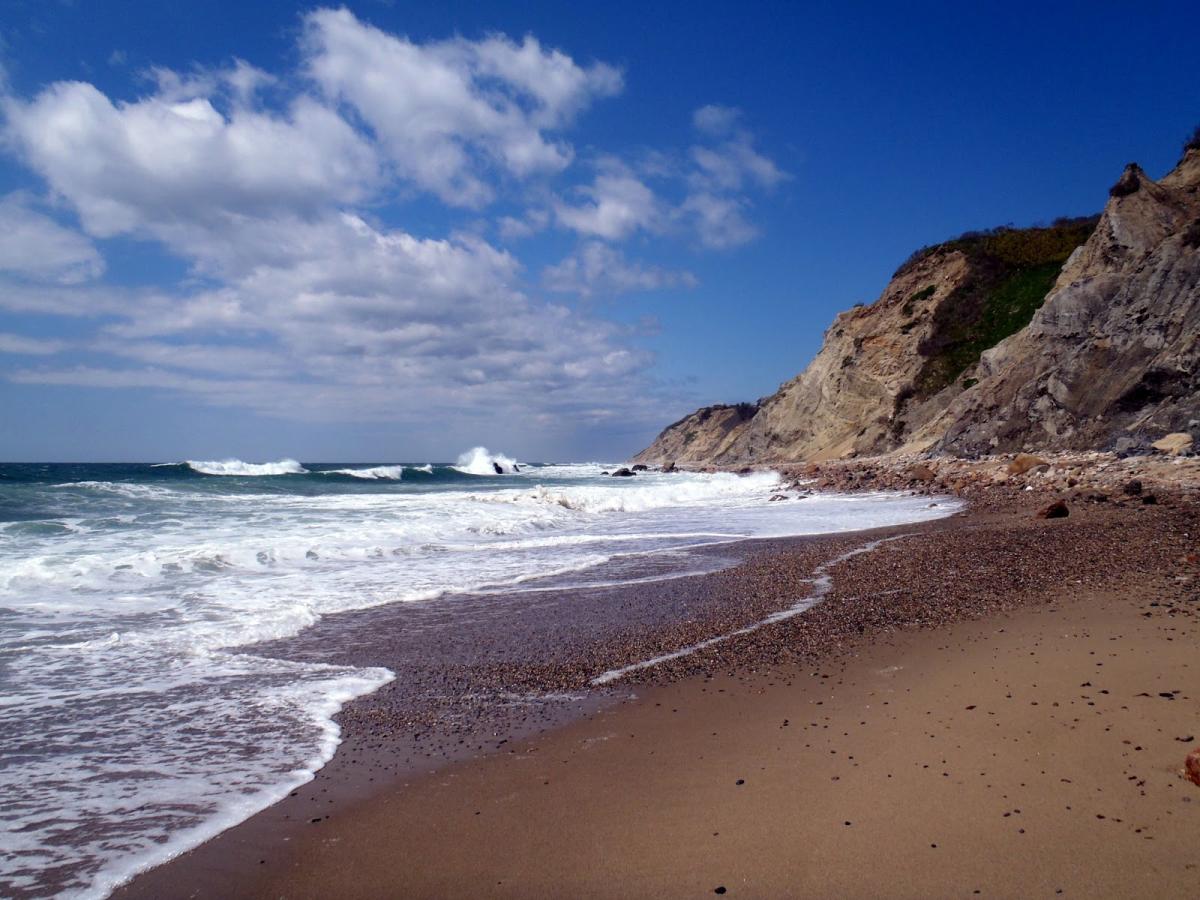 Commercial Roofing in Block Island, RI
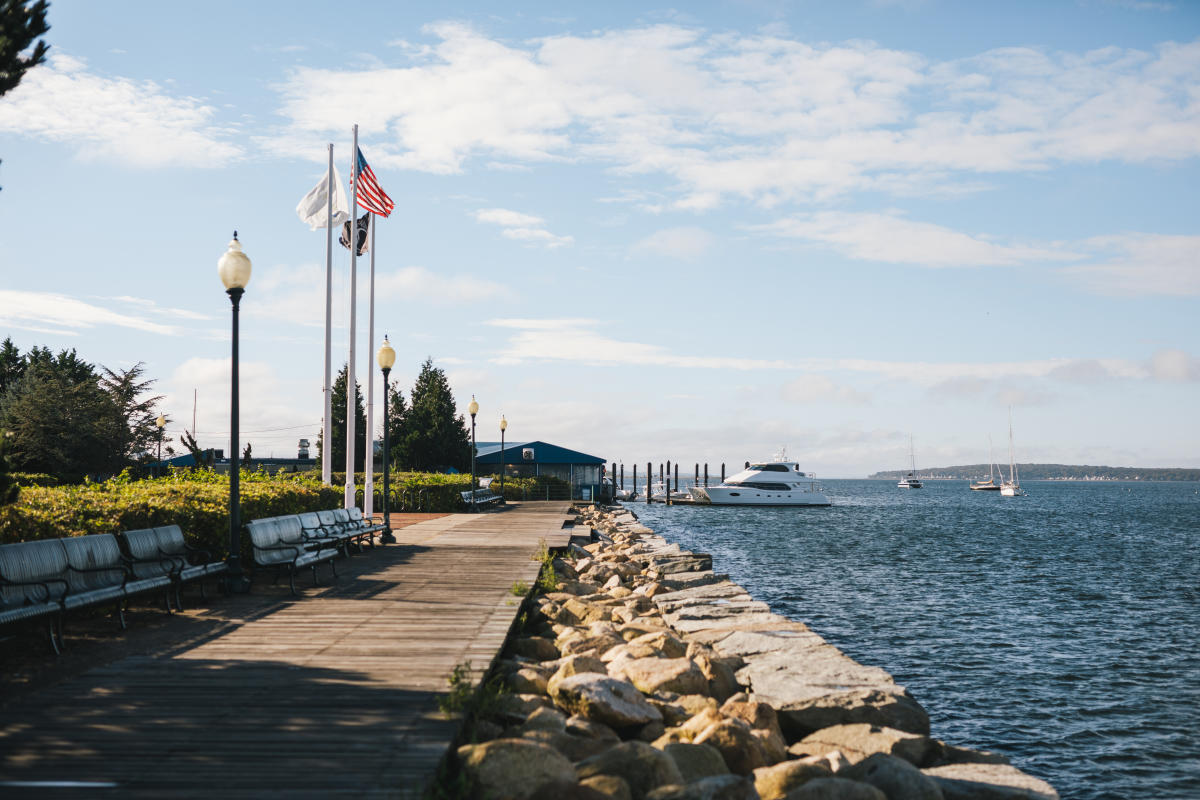 Commercial Roofing in Bristol, RI
 Commercial Roofing in Burrillville, RI
 Commercial Roofing in Central Falls, RI
 Commercial Roofing in Charlestown, RI