
Commercial Roofing in Warren, Rhode Island
Warren packs a lot of commercial building into a small footprint, and much of it sits within a stone's throw of the water. We work on the flat and low-slope roofs that cover this town's mills, storefronts, boatyards, and service buildings, from the brick blocks lining Main Street to the metal-sided shops tucked along the Warren and Palmer Rivers. The roofs here take a beating from coastal weather and, in many cases, are decades older than the businesses operating under them. That combination is exactly what we handle.
The building stock in Warren is a mix of old and new, and each type fails in its own way. We see nineteenth-century mill structures, mid-century commercial blocks, modern single-ply additions, and everything in between. A page like this can only sketch the picture; the real answer always comes from getting up on the roof and looking.
The Buildings We Roof Here
Warren's commercial core runs along Route 114, which becomes Main Street through the center of town and meets Child Street (Route 103) at the heart of the historic district. The buildings along this corridor were built tight to the street and tight to each other, often with flat or shallow-pitched roofs hidden behind parapets and decorative cornices. From the ground you would never know what shape the membrane is in, which is how small problems on these older blocks become expensive ones.
A short distance away, the former American Tourister complex at tells the story of how Warren's industrial buildings get a second life. The old brick luggage mill, which dates back over a century, has been redeveloped into a mixed-use property carrying roughly 106,000 square feet of commercial space alongside its apartments. Large floorplate buildings like this one carry sprawling low-slope roofs, and reworking them for new tenants almost always means reworking the roof systems, the drains, and the rooftop equipment curbs at the same time.
The waterfront adds another layer. Warren sits inside the National Register's Waterfront Historic District, which covers more than three hundred buildings across Water Street, Main Street, and the blocks running down to the river. Working boatyards still operate here, some dating to the 1930s, and that means storage barns, repair shops, and utility structures whose roofs see constant moisture, salt, and hard use. These are the buildings that rarely get attention until water is already coming through, and they are the ones where preventive work pays off the most.
Local Building Types and Why Their Roofs Need Attention
- Converted mills and historic brick blocks. Original roof decks, multiple past patch jobs, and parapet walls that trap water and ice. Flashing details at the walls and copings are usually the first thing to go.
- Downtown storefronts along Main Street. Shared walls, internal drains, and roofs that are hard to reach. Ponding and clogged drains are common, and a leak in one unit often traces back to a failure two storefronts over.
- Boatyard and waterfront service buildings. Constant salt exposure, high humidity, and corrosion at fasteners and metal edges. Coatings and membrane systems here need to be specified for a marine environment.
- Light industrial and warehouse roofs. Wide expanses of single-ply membrane, rooftop HVAC and exhaust units, and seams that open up as the material ages and moves.
The Commercial Roofing Work We Do
Most of what covers Warren's commercial buildings is flat or low-slope, and that is the heart of our work. We install and repair the full range of commercial membrane and built-up systems, and we match the system to the building rather than pushing one product for everything.
- TPO and PVC single-ply. Heat-welded membranes that hold up well on warehouses, retail, and newer construction. PVC in particular is a strong choice for buildings with grease or chemical exposure, including restaurant and food-service rooftops.
- EPDM rubber. A durable, proven option for large low-slope roofs, with straightforward repair and long service life when the seams and flashings are maintained.
- Modified bitumen. Multi-ply asphalt systems that work well on smaller commercial roofs, mill additions, and areas that see foot traffic or rooftop access.
- Roof coatings. Fluid-applied silicone and acrylic systems that can extend the life of an aging membrane or metal roof, seal out leaks, and add reflectivity without a full tear-off. A practical option for budget-conscious building owners who want more years out of what they already have.
- Leak repair and emergency response. Tracing the actual source of a leak, which is often nowhere near where the water shows up inside, and getting it sealed before the next storm.
- Preventive maintenance. Scheduled inspections, drain and gutter clearing, seam and flashing checks, and minor repairs that keep small issues from turning into deck damage and interior loss.
- Reroofing and full replacement. When a roof is past repair, a tear-off and new system installed correctly, with attention to insulation, drainage, and the details around every penetration.
New England Weather and Why Roofs Fail Here
Warren's location on the East Bay means its commercial roofs face the full range of southern New England weather, and most roof failures we see trace back to it. Nor'easters drive wind and heavy rain in off Narragansett Bay, and a single storm can lift loose flashings, push water under seams, and overwhelm drains that were already half clogged. Flat roofs with poor drainage are especially vulnerable, since standing water finds every weak point in a membrane.
Winter is its own problem. Snow load on a low-slope roof adds real weight, and as it melts and refreezes it works into seams, laps, and flashing details. That freeze-thaw cycle is relentless here. Water gets into a small gap, freezes, expands, and opens the gap a little wider, then does it again the next night. Over a season this is what turns a tight seam into a leak. Ice damming along parapets and at roof edges backs water up under the membrane where it can sit and rot the deck.
The salt air off the water makes all of this worse on Warren's waterfront blocks. Salt accelerates corrosion at metal edges, fasteners, drains, and any exposed flashing, and it shortens the life of components that would last longer a few miles inland. On boatyard and riverfront buildings we account for that exposure in how we detail and what materials we recommend, because a system that ignores the salt will not last.
The buildings that come through the winter in good shape are almost always the ones that were inspected in the fall and had their drains cleared and flashings checked before the first storm. The ones that fail are usually the ones nobody looked at until the ceiling stained.
Talk to Us About a Roof Assessment
If you own or manage a commercial building in Warren and you are not sure what shape your roof is in, the simplest next step is to have someone look at it. We will walk the roof, check the drains, seams, flashings, and penetrations, and give you a straight read on what you are dealing with and what it will take to fix or maintain it. No pressure and no guesswork. Reach out whenever you are ready and we will set up an assessment.
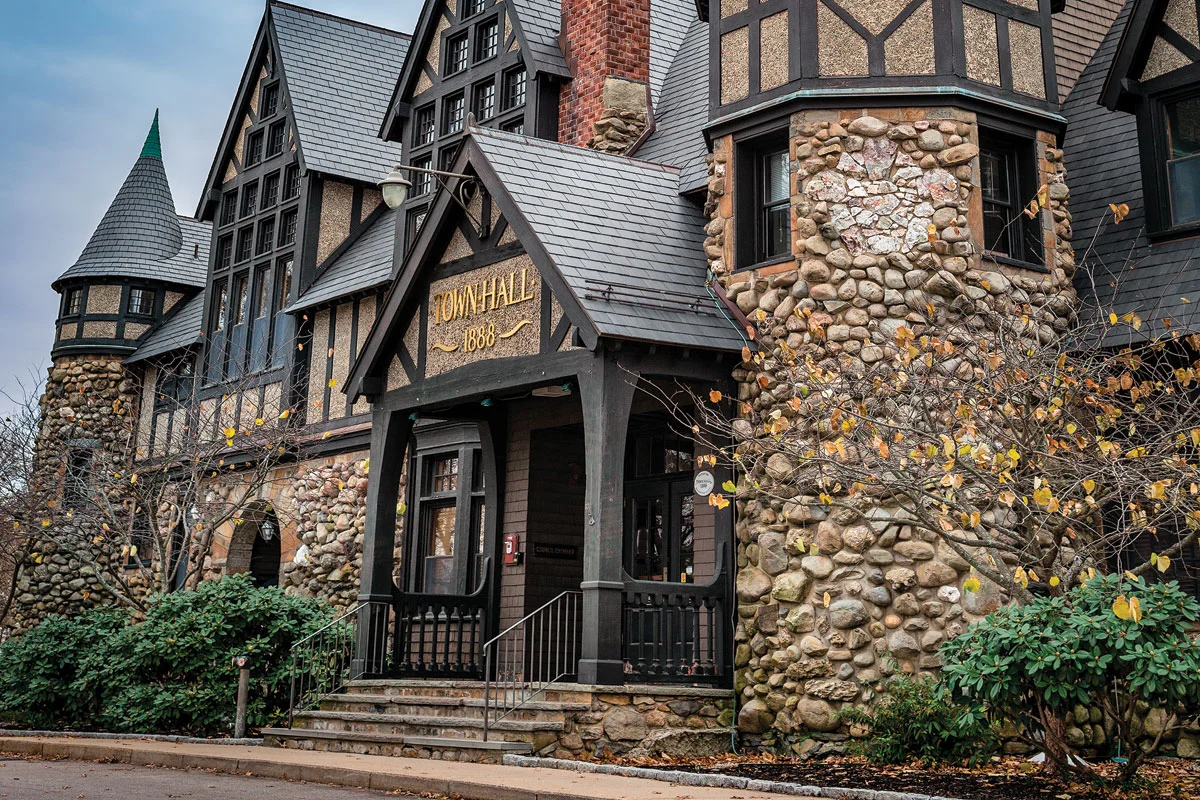 Commercial Roofing in Barrington, RI
 Commercial Roofing in Block Island, RI
 Commercial Roofing in Bristol, RI
 Commercial Roofing in Burrillville, RI
 Commercial Roofing in Central Falls, RI
 Commercial Roofing in Charlestown, RI