Commercial Roofing Built for West Warwick's Buildings
West Warwick packs a lot of building types into a small footprint, and almost every one of them carries a flat or low-slope roof that takes a beating from New England weather. We work on the storefronts and shopping plazas along the Route 2 corridor, the warehouses and shops inside the West Warwick Industrial Park off Bald Hill Road, the converted mill buildings strung along the Pawtuxet River, and the smaller commercial blocks through Arctic and Centreville. Each of those rooftops has its own quirks, and we keep them watertight with repairs, maintenance, coatings, and full replacements sized to how the building actually gets used.
This is a town built on industry. The mill villages along the north and south branches of the Pawtuxet River were home to some of the earliest textile factories in the country, and by 1810 five of the seven Rhode Island mills running more than a thousand spindles sat in what is now West Warwick. A lot of that brick stock is still standing and still in use, now holding offices, light manufacturing, self-storage, and mixed commercial tenants. The roofs on those buildings have usually been rebuilt more than once, and the way membranes meet old parapets, masonry walls, and odd rooflines is exactly where leaks tend to start.
The Local Building Stock and Why Roofs Fail Here
Flat roofs do not fail all at once. They wear down slowly until water finds a path inside, and the buildings around West Warwick give that water plenty of openings. We see the same patterns again and again across town.
- Older mill and masonry buildingsthrough Centreville and along the river often have parapet walls, multiple roof levels, and decades of patch-on-patch repairs. Failed flashing at the wall-to-roof transition and cracked coping are common entry points.
- Retail and restaurant buildingsalong the Route corridor carry heavy rooftop equipment loads. HVAC units, exhaust fans, and grease ductwork all create penetrations that need proper curbs and flashing, and they are frequent leak sources when they are not detailed right.
- Warehouse and light-industrial roofsin the West Warwick Industrial Park cover large spans where ponding water collects in low spots, slowly degrading the membrane and overloading the structure during heavy rain and snowmelt.
- Municipal, institutional, and office buildingsnear the town center in Arctic need roofs that stay reliable with minimal disruption to the people working underneath them.
The common thread is that drainage, flashing, and seam integrity decide how long a commercial roof lasts. Sun breaks down membranes over the years, foot traffic from service crews wears them thin, and any standing water accelerates the whole process. By the time a stain shows up on a ceiling tile, the problem has usually been developing on the roof for a while.
The Flat and Low-Slope Work We Do
We focus on the systems that fit commercial and industrial buildings, and we match the system to the structure rather than installing the same thing on every job.
Single-Ply Membrane: TPO, EPDM, and PVC
Single-ply roofs cover most of the commercial buildings in town, and for good reason. TPO offers a reflective white surface that helps with cooling loads on retail and warehouse roofs through the summer. EPDM, the black rubber membrane many building owners already recognize, holds up well across wide temperature swings and handles New England's freeze-thaw cycle. PVC is the system we reach for over restaurants and any building venting grease or chemicals, since it resists that kind of exposure better than the alternatives. We install all three and repair them when a seam opens or a penetration starts leaking.
Modified Bitumen and Built-Up Roofing
For buildings with heavy rooftop traffic or complex layouts, multi-ply modified bitumen gives a tough, redundant surface that stands up to service crews walking on it season after season. It is a dependable choice on older mill rooftops and anywhere the roof needs extra durability at the transitions.
Roof Coatings and Restoration
When a roof is aging but still structurally sound, a reflective coating can buy years of additional service and seal up minor problems before they spread. Silicone and acrylic coating systems renew the surface, cut down heat absorption, and cost far less than a full tear-off. We assess whether a roof is a good candidate for restoration before recommending replacement, because coating the right roof at the right time saves owners real money.
Leak Repair and Emergency Response
Most of our calls start with water already inside the building. We track leaks back to the source, which is often nowhere near where the stain appears, and make repairs that hold. Failed flashing, split seams, clogged drains, and storm damage are the usual culprits, and we handle all of them.
Preventive Maintenance
A roof you inspect twice a year lasts far longer than one you ignore until it fails. Our maintenance work clears drains and scuppers, reseals penetrations, checks seams and flashing, and catches small issues while they are still cheap to fix. For a building owner, this is the single most cost-effective thing you can do for a flat roof.
Reroofing and Replacement
When a roof has reached the end of its life, we handle full replacement, including tear-off, decking repairs, insulation upgrades, and a new membrane system. We work to keep the building operating through the project and stage the job around your tenants and hours.
New England Weather Is Hard on Flat Roofs
Rhode Island weather is the reason commercial roofs here wear out faster than building owners expect. Winter nor'easters drive wind and wind-driven rain under poorly secured flashing and edge metal. Snow piles up and sits on low-slope roofs, adding weight and then melting into water that has to find a working drain or it ponds and refreezes. That freeze-thaw cycle is brutal on aging membranes and old masonry parapets, opening cracks a little wider with every cold snap.
Heavy rain events overwhelm undersized or clogged drainage, and water that cannot get off the roof goes looking for the path of least resistance into the building. Summer brings the opposite problem, with UV exposure and roof temperatures that bake membranes and pull seams apart over time. A roof that handles all of this for years was detailed correctly and maintained. One that fails early almost always had a drainage or flashing problem that nobody addressed.
Because so much of West Warwick's commercial stock sits along the Pawtuxet River and near the Route 2 corridor, drainage capacity is something we look at closely on every assessment. Getting water off the roof quickly is what keeps these buildings dry through a hard winter.
Schedule a Roof Assessment
If your building is showing leaks, the roof is getting up in years, or you simply want a clear read on its condition before the next winter, we can take a look. A roof assessment gives you an honest picture of where things stand and what your options are, whether that turns out to be a targeted repair, a maintenance plan, a coating, or a replacement. Reach out and we will set up a time to get on your roof and walk you through what we find.
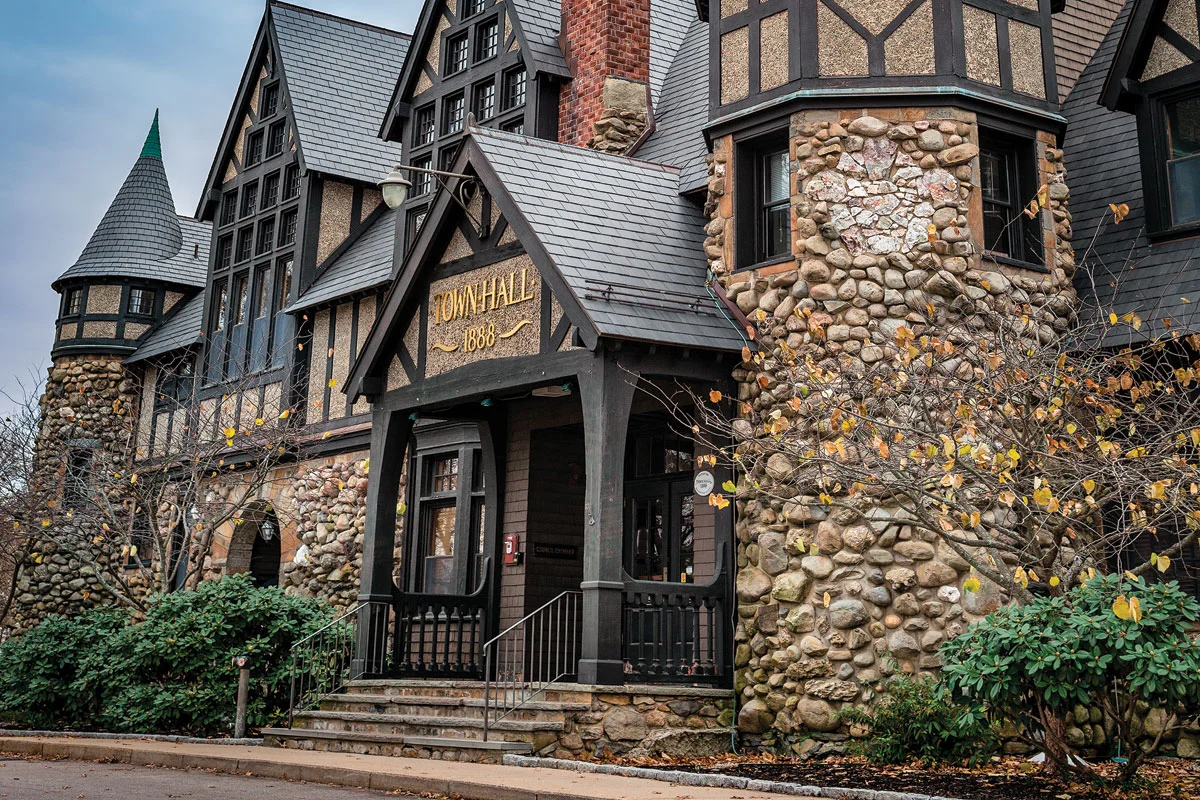 Commercial Roofing in Barrington, RI
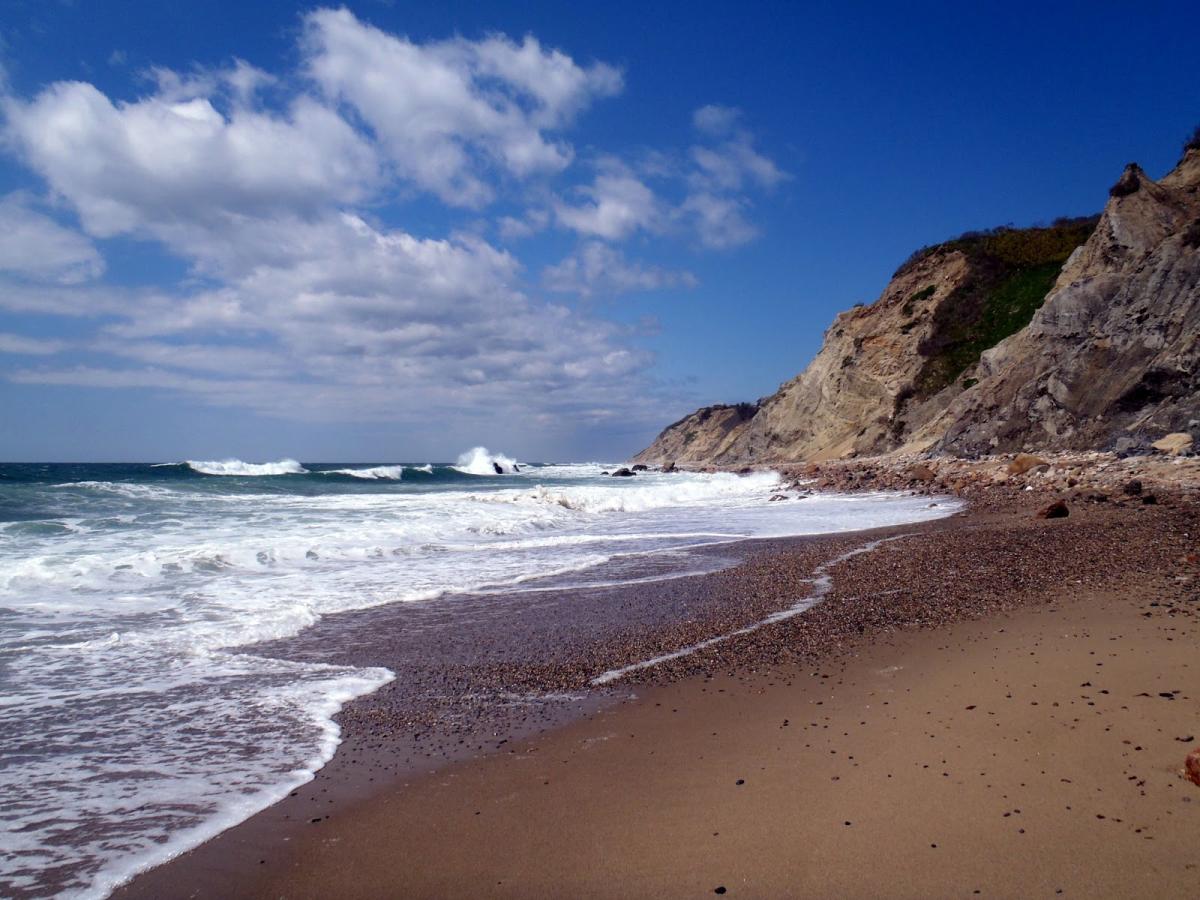 Commercial Roofing in Block Island, RI
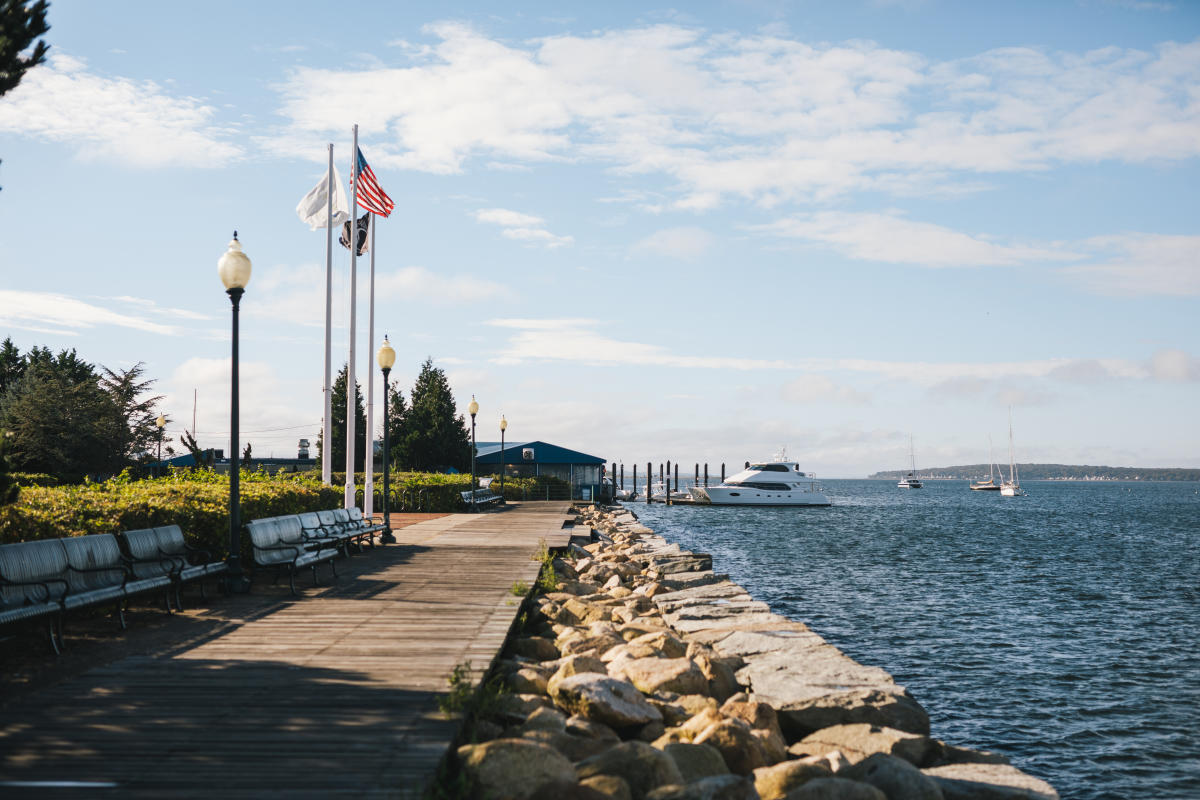 Commercial Roofing in Bristol, RI
 Commercial Roofing in Burrillville, RI
 Commercial Roofing in Central Falls, RI
 Commercial Roofing in Charlestown, RI