
The Roof Fails at the Edge First
People think of a commercial roof as the field, the big flat expanse of membrane in the middle. But the field is rarely where the trouble starts. The perimeter is where wind tries to peel the roof off, where water has to be collected and carried away, and where the membrane has to terminate against metal in a way that stays watertight for decades. Edge metal, coping caps, gutters, and downspouts are the details that hold the whole assembly down and move water off it, and when any of them fails, the consequences show up fast: lifted membrane corners, water behind the parapet, soaked masonry, and leaks that have nothing to do with the field at all.
We handle the roof's perimeter, the metal and the drainage, for commercial buildings across all thirty-nine Rhode Island cities and towns. This is detail work that punishes shortcuts, and the buildings here demand it. The state's nineteenth-century textile mills in Pawtucket, Woonsocket, and West Warwick are built with tall masonry parapets whose coping has often been failing quietly for years, letting water into the wall from the top down. We see it constantly, and addressing the coping is frequently the difference between a dry building and one that keeps staining the top floor.
Edge Metal and Membrane Termination
Edge metal does two jobs at once: it secures the membrane's perimeter against wind uplift and it creates a clean, watertight termination at the roof edge. Both jobs matter, and both are tested hard here. We fabricate and install edge metal that is properly cleated and fastened so the wind cannot work it loose, with the membrane terminated and flashed into it so water sheds outward instead of tracking back under the roof. Continuous cleats, correct fastener spacing, and proper laps are not optional details on a roof that has to survive nor'easter-force winds; they are what keeps the edge attached when a storm is trying to lift it.
- Drip edge and gravel-stop fabrication and installation
- Continuous cleats and engineered fastening for wind-uplift resistance
- Membrane termination and flashing into the edge detail
- Coping cap fabrication, joint covers, and parapet securement
- Gutter, conductor head, and downspout repair and replacement
- Sealant joints and expansion accommodation at metal-to-metal connections
Coping That Protects the Parapet
Coping is the cap that sits on top of a parapet wall, and on the mill buildings and masonry commercial structures all over Rhode Island it is doing far more than finishing the look. The coping is the umbrella for the entire wall. When its joints open up or its fasteners corrode, water gets in at the top of the parapet, runs down inside the wall, and emerges as a leak or as efflorescence and spalling masonry that looks like a wall problem but is really a roof-edge problem. We fabricate coping with joint covers and proper securement, snug the cap to the wall, and detail the joints to move with the building instead of cracking the first cold winter. On the older buildings, fixing the coping is often the single highest-value thing we can do, because it stops water from ever entering the wall assembly.
Gutters and Downspouts That Keep Up With the Weather
Drainage is where the perimeter meets the climate, and the climate here is demanding. Gutters and downspouts have to handle nor'easter downinstalls, then survive a winter of snow load, ice, and freeze-thaw. When a gutter is undersized, sagging, or clogged, water backs up, overflows behind the fascia, and freezes into ice dams that pry the metal apart and force water up under the membrane. We size, hang, and pitch gutters so they actually carry the water the roof delivers, and we make sure conductor heads and downspouts move it cleanly to the ground instead of dumping it against the building.
Ice is the part that catches people off guard. The freeze-thaw cycle works on every gutter joint and every downspout connection, opening seams that were tight in the fall. Meltwater from a snow-covered roof refreezes at the cold eave and at the gutter line, builds an ice dam, and pushes water backward into the roof edge. We detail gutters and downspouts with that sequence in mind, because a drainage system that works fine in an October rain can fail completely under February conditions if it was not built for the ice.
Coastal Salt and Metal Choice
On Aquidneck Island, in Newport, throughout South County, and out on Block Island, salt air goes to work on metal, and the perimeter is the most exposed metal on the building. Salt corrodes fasteners, seams, edge metal, and downspouts, often from the back side where it is invisible until something is already failing. Material choice matters more near the water: the gauge and finish that hold up on an inland Cranston or Warwick roof are not always what survives a few hundred yards from Narragansett Bay. We account for that exposure when we specify edge metal, coping, and gutters for coastal buildings, so the perimeter we install is matched to what the salt air is actually going to do to it.
How We Approach Perimeter Work
We start by reading why the existing edge, coping, or drainage is failing rather than just replacing it in kind and repeating the mistake. Loose edge metal usually means a fastening or cleat problem; open coping joints point to movement the original detail did not accommodate; an overflowing gutter is often undersized or pitched wrong, not merely dirty. We trace the cause, then fabricate and install the replacement to correct it. Where the perimeter ties into a roof we are also repairing or replacing, we coordinate the metal with the membrane work so the termination and the field become one continuous, watertight system instead of two trades meeting at a seam.
Because so much of this is wind and water performance, the unglamorous details carry the load: fastener type and spacing, cleat continuity, joint covers, sealant selection, and how the metal is allowed to expand and contract through Rhode Island's temperature swings. Get those right and the perimeter outlasts the membrane. Get them wrong and the best field membrane in the world leaks at the edge.
Let Us Look at Your Perimeter
When we finish, you should have a roof edge that is secured against the wind, a coping that keeps water out of the wall, and a drainage system that carries a New England storm without backing up. We document what we found, what we replaced and why, and any adjacent conditions worth watching, so the work fits into how you plan and budget the rest of the roof.
If your building has lifting edge metal, failing coping, sagging gutters, or water showing up at the parapet anywhere in Rhode Island, contact us for a roof assessment. We will tell you what is actually failing at the perimeter and what it takes to make it hold.
 Acrylic Roof Coatings in Providence, RI
 Auto Dealership Roofing in Providence, RI
 Built Up Roofing in Providence, RI
 Church Roofing in Providence, RI
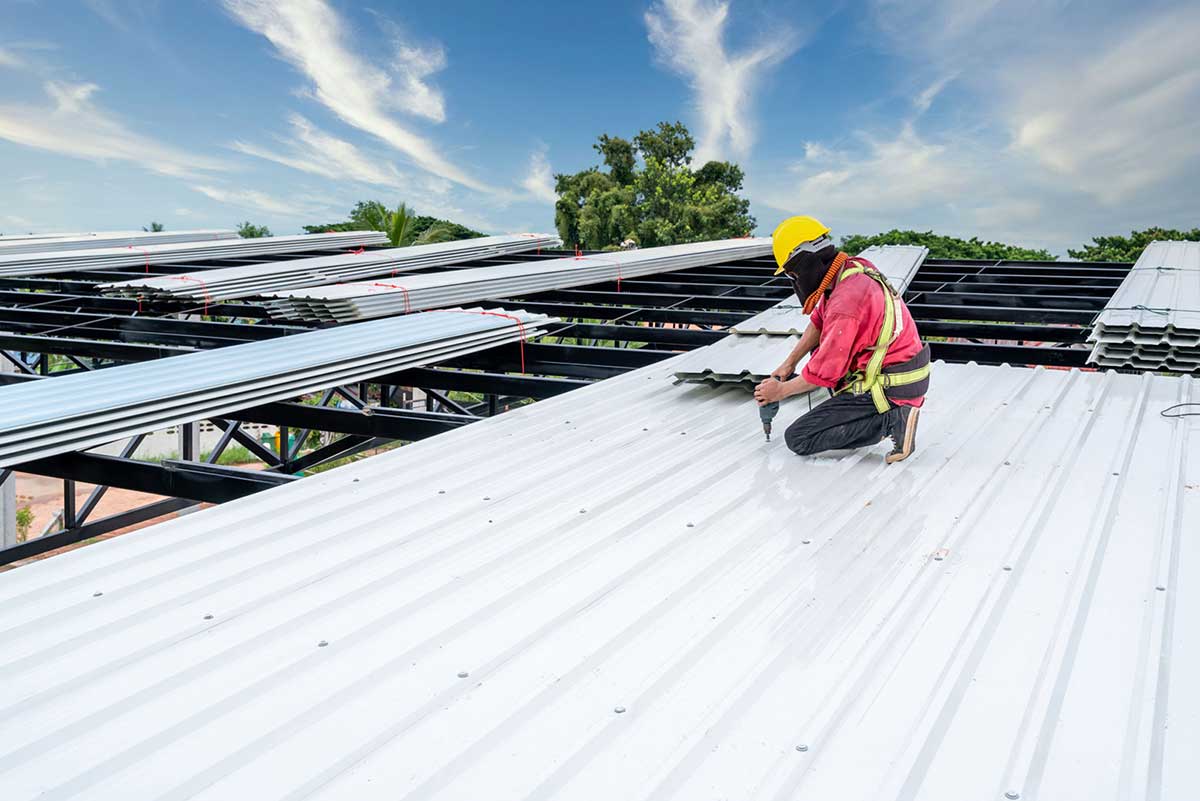 Commercial Re-Roofing in Providence, RI
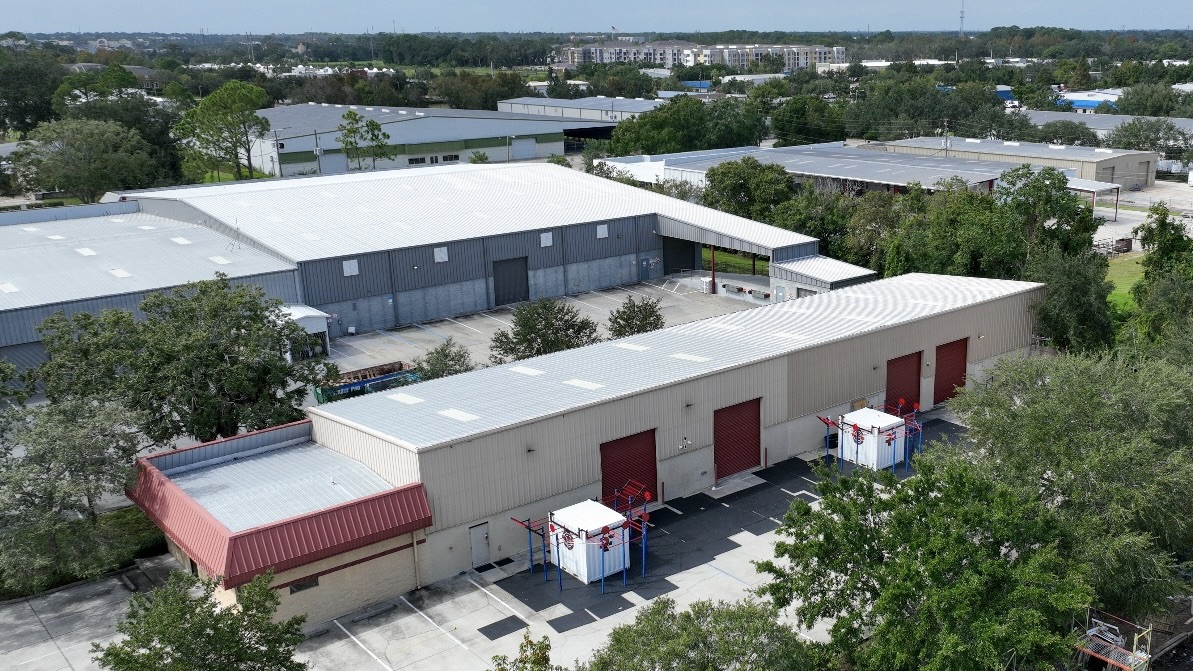 Commercial Roof Inspection in Providence, RI
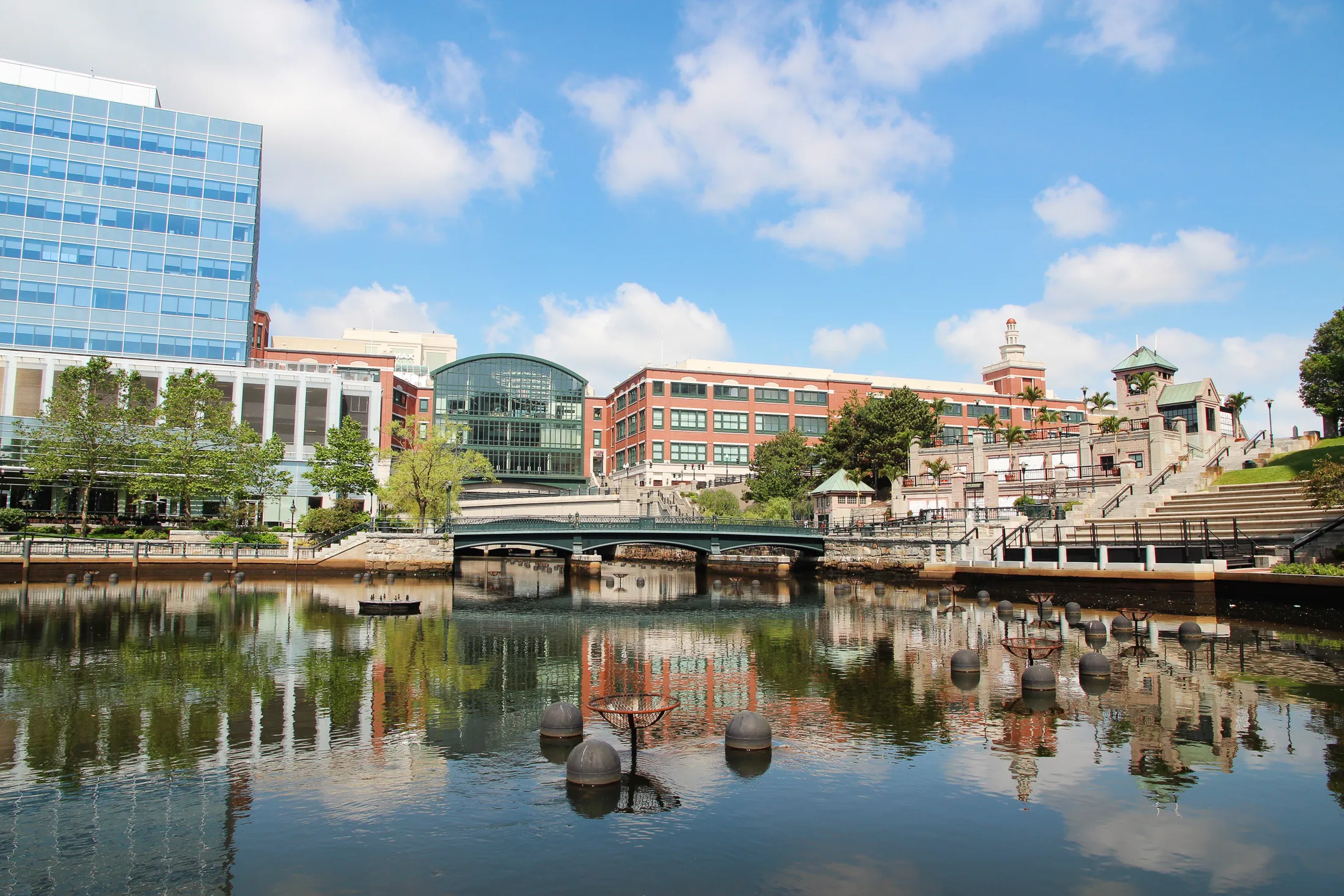 Providence
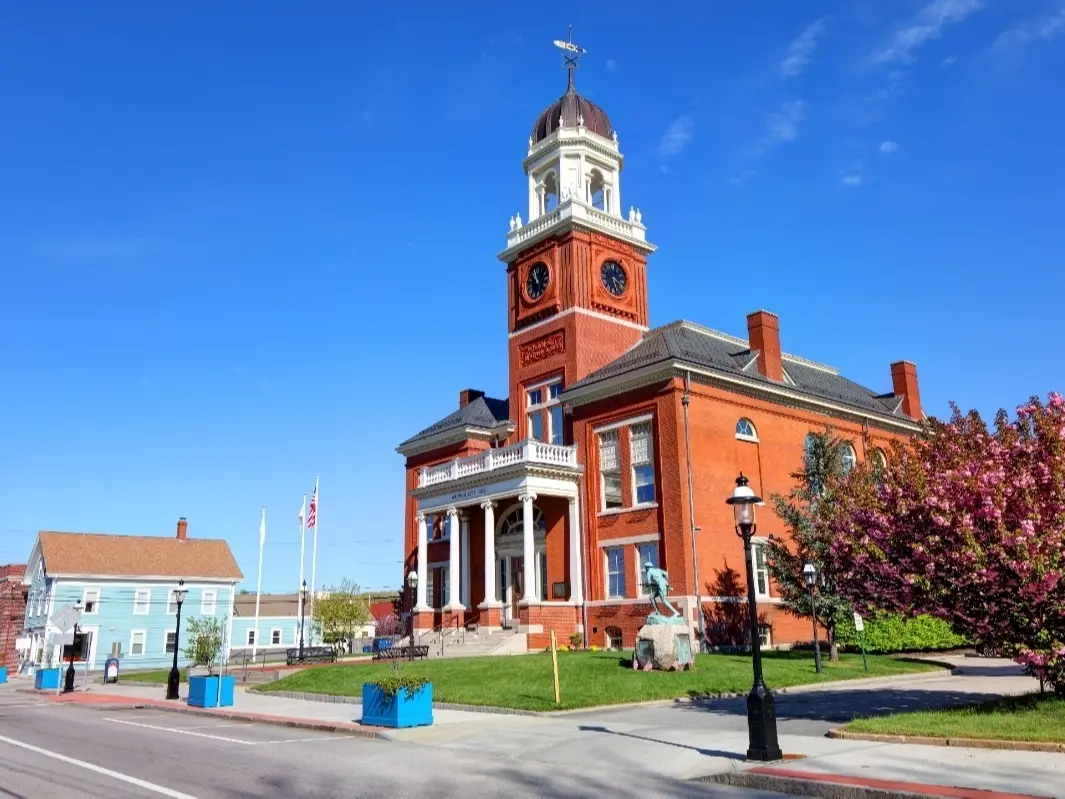 Warwick