EPDM Rubber Roofing for Rhode Island Commercial Buildings
EPDM has covered New England's flat roofs for decades, and it stays in heavy use here for a straightforward reason: it holds up. The black rubber membrane, formally ethylene propylene diene monomer, is a single-ply sheet engineered to flex with a building, shrug off ultraviolet exposure, and take the freeze-thaw beating that a Rhode Island winter hands out. We install and repair EPDM on commercial and industrial roofs across all 39 cities and towns in the state, and on a great many low-slope buildings here it is still the system we recommend when durability and simple, reliable repair matter more than a reflective surface.
Part of EPDM's staying power is that it is forgiving over a long service life. The sheet stays flexible in cold weather rather than turning brittle, it tolerates the building movement that opens up seams on stiffer systems, and when it does need attention, repairs are clean and well understood. For an owner planning to hold a building for years, that predictability is worth a great deal.
What EPDM Is and Why It Lasts
EPDM is a synthetic rubber membrane, most often installed in a black sheet that resists UV degradation well and remains pliable across a wide temperature range. Its mechanical properties are what make it a New England workhorse:
- It flexes with the building. A commercial deck moves with temperature, load, and time. EPDM's elasticity lets it absorb that movement without splitting, which is exactly what a roof needs to survive dozens of freeze-thaw cycles a winter.
- It handles cold. Where some membranes stiffen and grow brittle in deep cold, EPDM stays flexible, so it does not crack when a January cold snap settles in over Rhode Island.
- It resists the sun. EPDM was built to take long-term ultraviolet exposure on a roof that faces the sky with no shade, and it weathers that exposure slowly.
- It is genuinely repairable. Seams and punctures can be cleaned and patched with compatible material, so an isolated problem stays an isolated, affordable repair instead of forcing a larger job.
How We Attach EPDM
EPDM is not one installation. How the membrane is secured to the roof is a real engineering decision, and we choose the method to fit the deck, the building's exposure, and the budget:
- Fully adhered. The membrane is bonded directly to the insulation with adhesive, creating a smooth, tight roof with no ballast weight. This is often the right choice on buildings where wind uplift is a concern or where the deck cannot carry extra load.
- Mechanically fastened. The sheet is secured with fasteners and plates at the seams. It is efficient to install and performs well across large roof areas, and it keeps weight off the structure.
- Ballasted. The membrane is laid loose and held down with stone ballast or pavers. Where a structure can carry the weight, ballast protects the membrane from UV and foot traffic and goes down quickly, though it adds load the deck has to support.
Getting that choice right is half the job. A membrane is only as good as its attachment in a wind event, and Rhode Island gets plenty of wind off the bay, so we weigh uplift, deck capacity, and exposure carefully before we specify a method.
Why EPDM Suits Roofs Across Rhode Island
The buildings where EPDM makes the most sense are spread across the state's commercial landscape. The dense 19th-century textile-mill buildings in Pawtucket, Woonsocket, and West Warwick carry wide, low-slope roofs that move with age and temperature, and EPDM's flexibility suits those older decks well, particularly where parapets and old penetrations demand a membrane that flexes rather than splits. Around Providence's downtown and hospital district, EPDM covers occupied buildings where a durable, easily repaired roof keeps disruption to a minimum over the long haul. The large industrial roofs at the Quonset Business Park in North Kingstown span wide areas where a mechanically fastened or ballasted EPDM system covers a lot of ground reliably. And while we account for the salt-laden coastal air on Aquidneck Island and across South County by detailing fasteners and edge metal to last, the EPDM membrane itself weathers that exposure dependably.
Across all of it, the New England climate is what EPDM is built for. Nor'easters drive wind and rain at seams and laps, heavy wet snow loads sit on flat roofs until they clear, and the temperature crosses freezing again and again through the winter. EPDM's combination of cold flexibility and elasticity is a direct answer to those conditions, which is a large part of why it has stayed in service here so long.
Repair, Restoration, and Replacement
Not every EPDM roof needs to be replaced. A great deal of our EPDM work is keeping sound membranes in service: repairing seams that have opened, patching punctures, rebuilding flashings and parapet details, and addressing the drains and scuppers where trouble tends to start. When a membrane is weathering but the roof is otherwise solid, a coating can sometimes extend its life and add a reflective surface without a tear-off. When the deck or insulation has reached the end of the road, we plan a full replacement, including tear-off logistics, insulation, and temporary dry-in to keep the building watertight while the roof is open. We separate what can be repaired from what has to be replaced so you get a clear decision instead of an oversized bid.
How We Approach an EPDM Roof
We start with what the roof tells us. Before recommending anything, we get on it, look at the seams and penetrations, check the drains and the low spots where water sits, and probe for soft, saturated insulation under the membrane. On older mill roofs we pay particular attention to parapets and abandoned penetrations from equipment removed years ago, because that is usually where leaks begin. Then we lay out the options in plain terms, whether that is a targeted repair, a coating to buy several more years, or a new EPDM system, along with what each one costs and how long it should last. On occupied buildings we plan access and staging to keep tenants running and the interior protected throughout.
Request an EPDM Roof Assessment
If you own or manage a commercial or industrial building in Rhode Island with an EPDM roof that is leaking or aging, or you are weighing EPDM for a reroof, we are glad to take a look. Reach out to schedule a roof assessment, and we will give you an honest read on its condition and what, if anything, it needs.
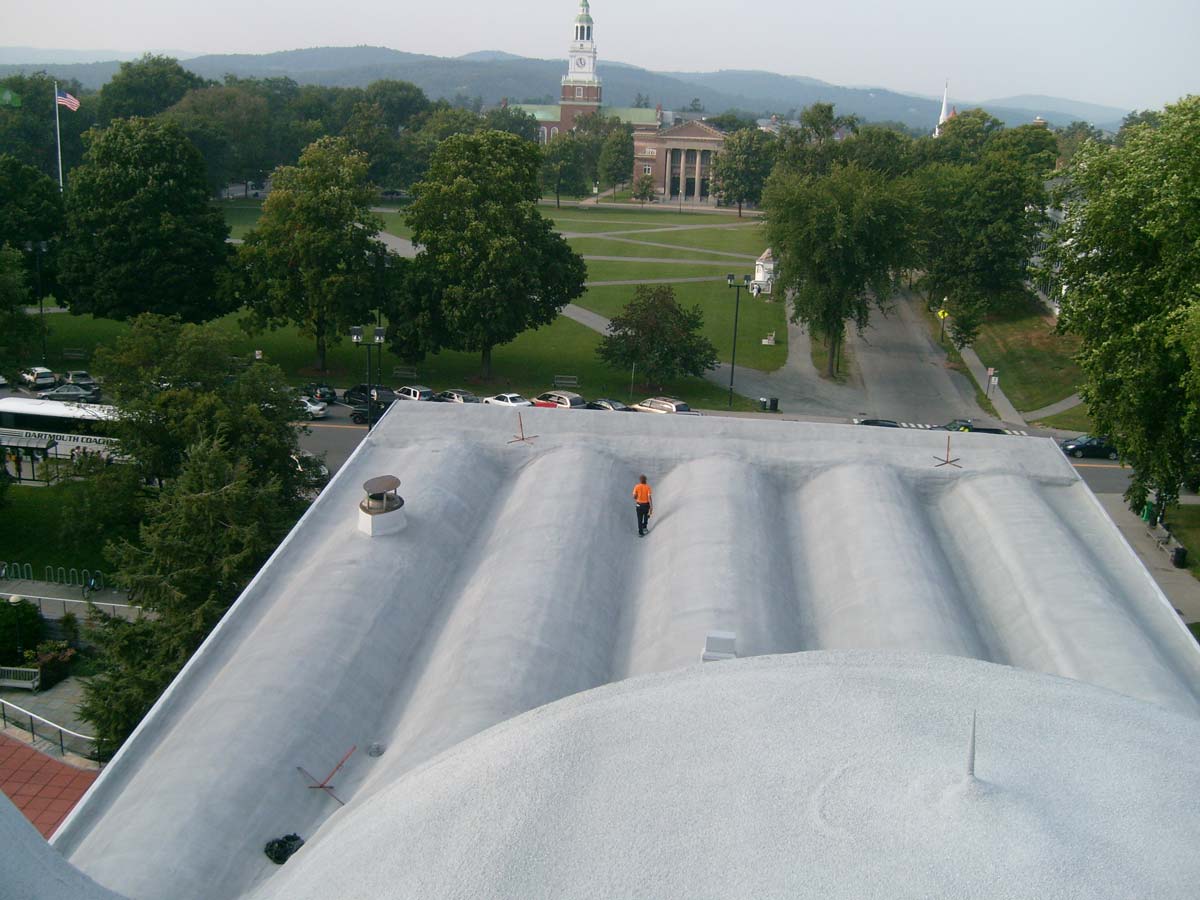 Acrylic Roof Coatings in Providence, RI
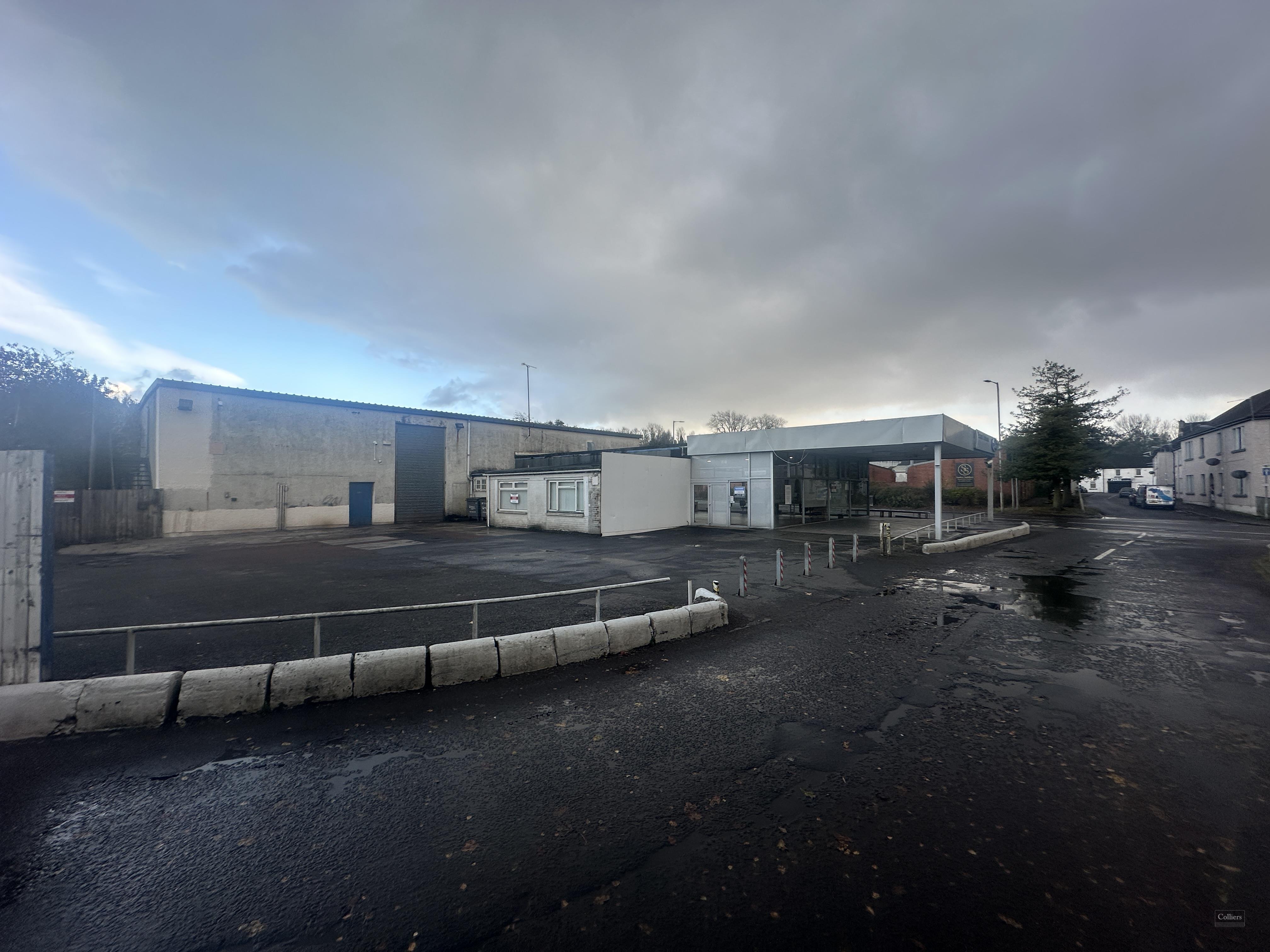 Auto Dealership Roofing in Providence, RI
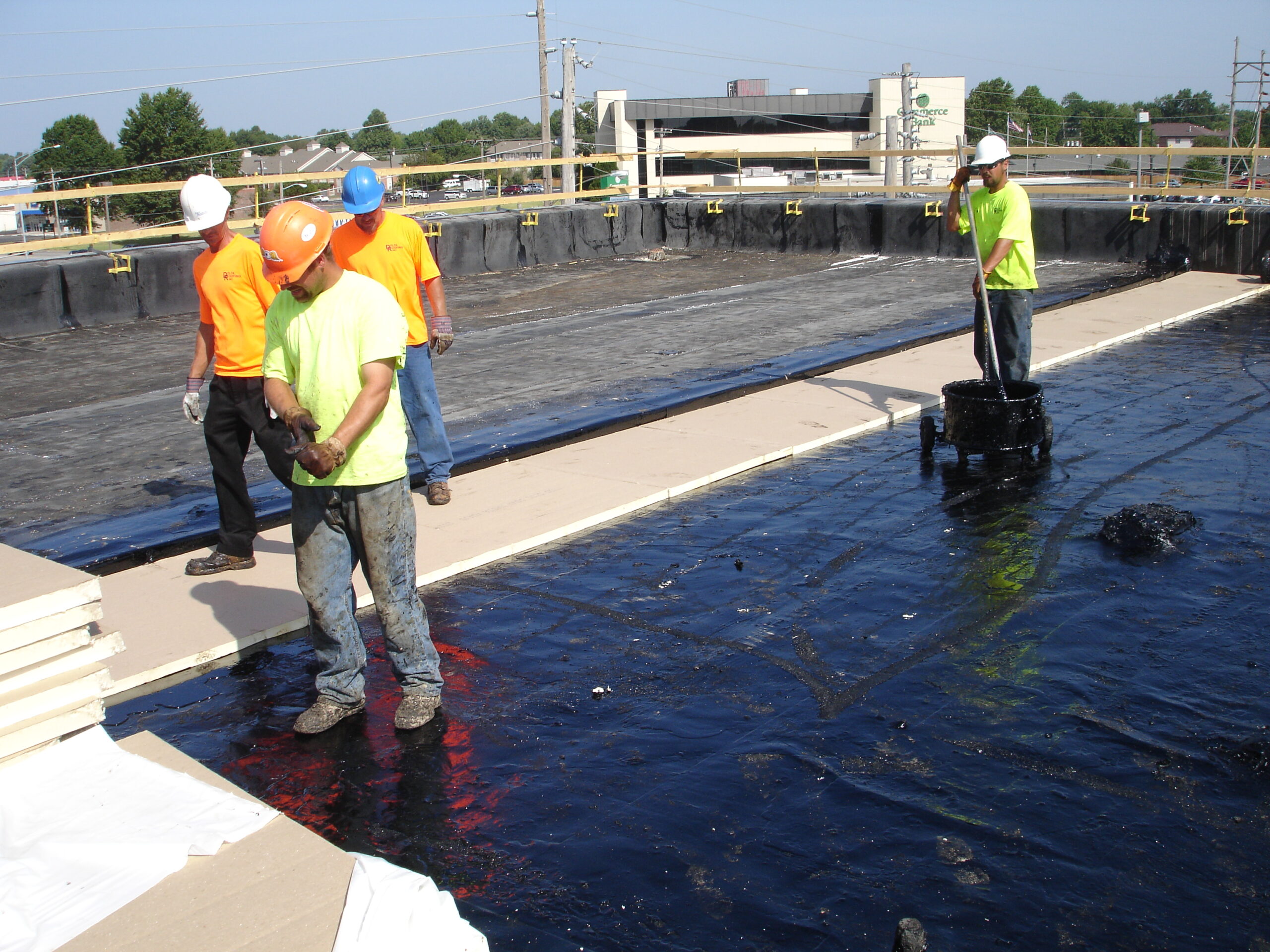 Built Up Roofing in Providence, RI
 Church Roofing in Providence, RI
 Commercial Re-Roofing in Providence, RI
 Commercial Roof Inspection in Providence, RI
 Providence
 Warwick