A single-ply membrane built to stay flexible for the long haul
KEE roofing, short for ketone ethylene ester, is a high-performance single-ply membrane that solves a problem older thermoplastic roofs run into over time. Standard PVC membranes rely on plasticizers to stay flexible, and over the years those plasticizers can migrate out, leaving the membrane brittle and prone to cracking. KEE membranes use a solid polymer plasticizer that does not leach away, so the sheet keeps its flexibility and weldability for decades. For Rhode Island commercial and industrial buildings, that long-term flexibility is exactly the property our climate punishes a roof for lacking. We install KEE single-ply systems statewide, across all 39 cities and towns.
Like other thermoplastic membranes, KEE sheets are heat-welded at the seams rather than glued or taped. A hot-air weld fuses adjacent sheets into a single monolithic surface, so the seams are as strong as the field of the membrane itself. That welded construction is what makes a single-ply roof watertight under the conditions that defeat lesser systems.
Why cold-weather flexibility matters here
Rhode Island roofs go through brutal thermal swings. A flat roof can bake in summer sun and then sit under freezing snow for weeks in winter, and the membrane has to expand and contract through all of it without splitting. The freeze-thaw cycle is relentless, working water into any small opening and then expanding it. A membrane that has gone brittle is exactly the membrane that splits at a seam or cracks at a corner during a January cold snap. KEE's retained flexibility means the sheet keeps moving with the building instead of fighting it, which is a meaningful advantage on a roof that faces nor'easters, heavy snow load, and ice damming year after year.
The same flexibility helps at the details that actually leak. Pipe boots, curb flashings, inside and outside corners, and edge terminations are where roofs fail first, because those are the spots that flex the most and see the most stress. A membrane that stays pliable forms and holds those details far longer than one that stiffens with age.
Chemical and grease resistance for working buildings
KEE earns its place on buildings where the rooftop environment is harsh. The membrane resists grease, oils, animal fats, and many industrial chemicals that would degrade EPDM or attack other single-plies. That makes it a strong choice for restaurants and food processing, where kitchen exhaust deposits grease across the roof, and for manufacturing and industrial buildings where rooftop equipment vents oils and process chemistry.
Rhode Island has plenty of exactly those buildings. The Quonset Business Park in North Kingstown is a large concentration of manufacturing, food, and logistics operations whose roofs take real chemical and equipment exposure. Restaurants throughout the Providence metro and the downtown district put grease on their roofs every day they are open. On buildings like these, a membrane that simply shrugs off grease and chemical contact will outlast one that slowly breaks down under it.
Reflectivity and the energy angle
KEE membranes are commonly produced in white and other light colors with high solar reflectance, which keeps the roof surface cooler in summer and reduces the cooling load on the building below. A reflective roof also runs cooler through its whole service life, and a cooler membrane ages more slowly. For Rhode Island owners reroofing an older building, pairing a reflective KEE membrane with an upgraded, code-compliant insulation layer is a practical way to cut energy use in both seasons.
How we install a KEE roof
A KEE single-ply system is only as good as the assembly under it and the workmanship at the seams. We treat the whole roof as a system rather than just rolling out a membrane.
- We start with the deck and insulation, confirming the deck is sound and dry and that the insulation meets current Rhode Island energy code, with tapered polyiso where the roof needs positive drainage.
- We install a cover board to give the membrane a firm, uniform substrate and to improve the roof's resistance to hail and rooftop foot traffic.
- We choose attachment, mechanically fastened, fully adhered, or a hybrid, based on the building's wind exposure, which on coastal Aquidneck Island, in Newport, and across South County and Block Island means designing to the elevated uplift pressures that salt-laden coastal wind produces.
- We hot-air weld every seam and probe the welds to verify a continuous, monolithic bond, then detail every penetration, curb, and edge with welded membrane rather than relying on sealant alone.
Reroof, recover, or repair
KEE works as a full tear-off replacement and, where conditions allow, as a recover over a sound existing roof. Many older Rhode Island buildings, especially the dense 19th-century textile mills in Pawtucket, Woonsocket, and West Warwick, already carry aging low-slope roofs and sometimes more than one old layer, and code limits how many layers can stack. We core the existing assembly and check for trapped moisture before recommending a recover; if the insulation is wet or the deck is failing, we will tell you that a tear-off is the responsible choice rather than burying a problem under a new membrane.
Where KEE fits, and where it might not
We do not put the same membrane on every roof. KEE is the right answer when grease or chemical exposure, long-term flexibility, and a welded thermoplastic system are what the building needs. For a clean, low-traffic roof with no chemical exposure, a standard TPO or EPDM system may deliver what you need at a lower cost, and we will say so. The point of an honest assessment is to match the membrane to how the building actually gets used, the deck and slope it has, and the budget horizon the owner is working with.
Talk to us about a KEE roof for your building
If you operate a restaurant, food plant, or industrial building where the roof takes grease or chemical exposure, or you simply want a single-ply membrane that holds its flexibility through Rhode Island winters, KEE is worth a serious look. We will walk your roof, check the assembly underneath, and lay out whether a KEE system is the right fit and how it would be built for our climate. Reach out whenever you would like a roof assessment.
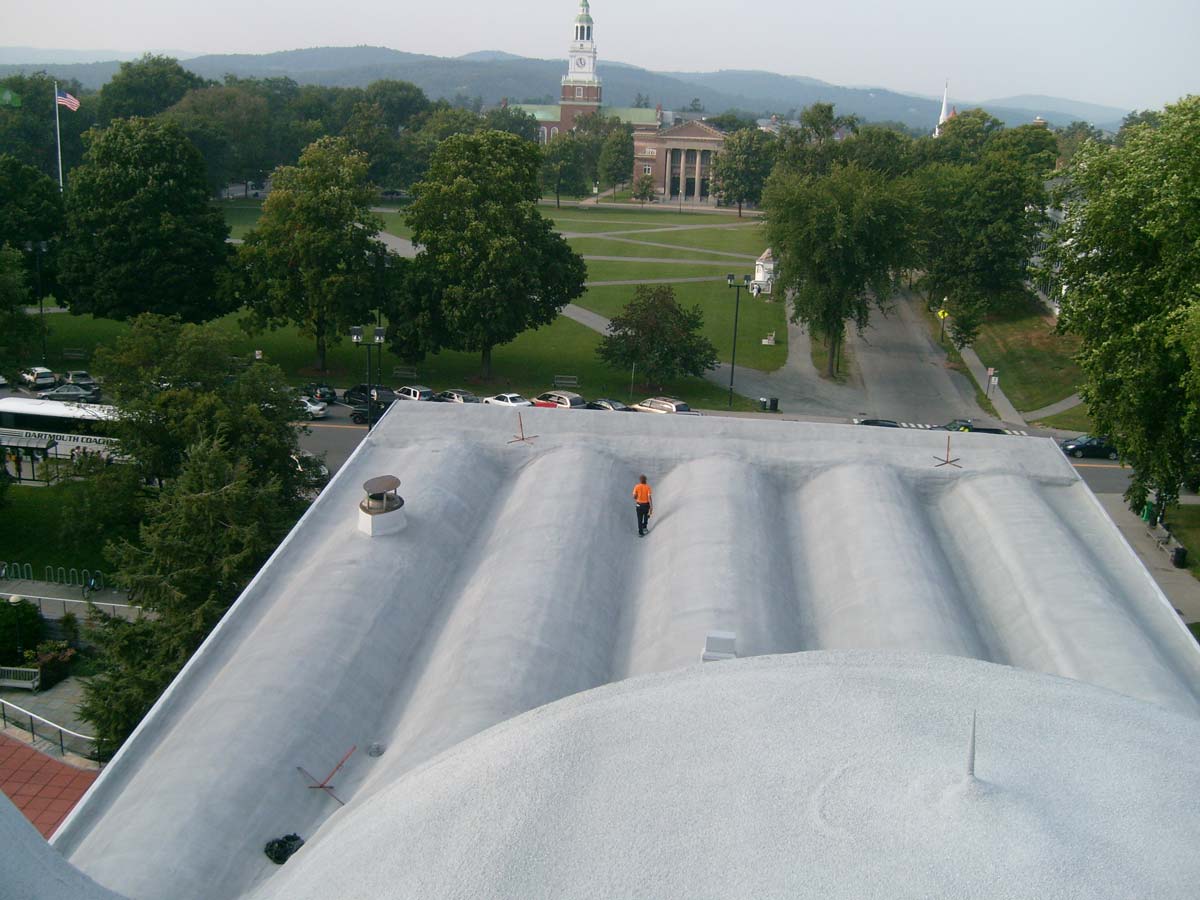 Acrylic Roof Coatings in Providence, RI
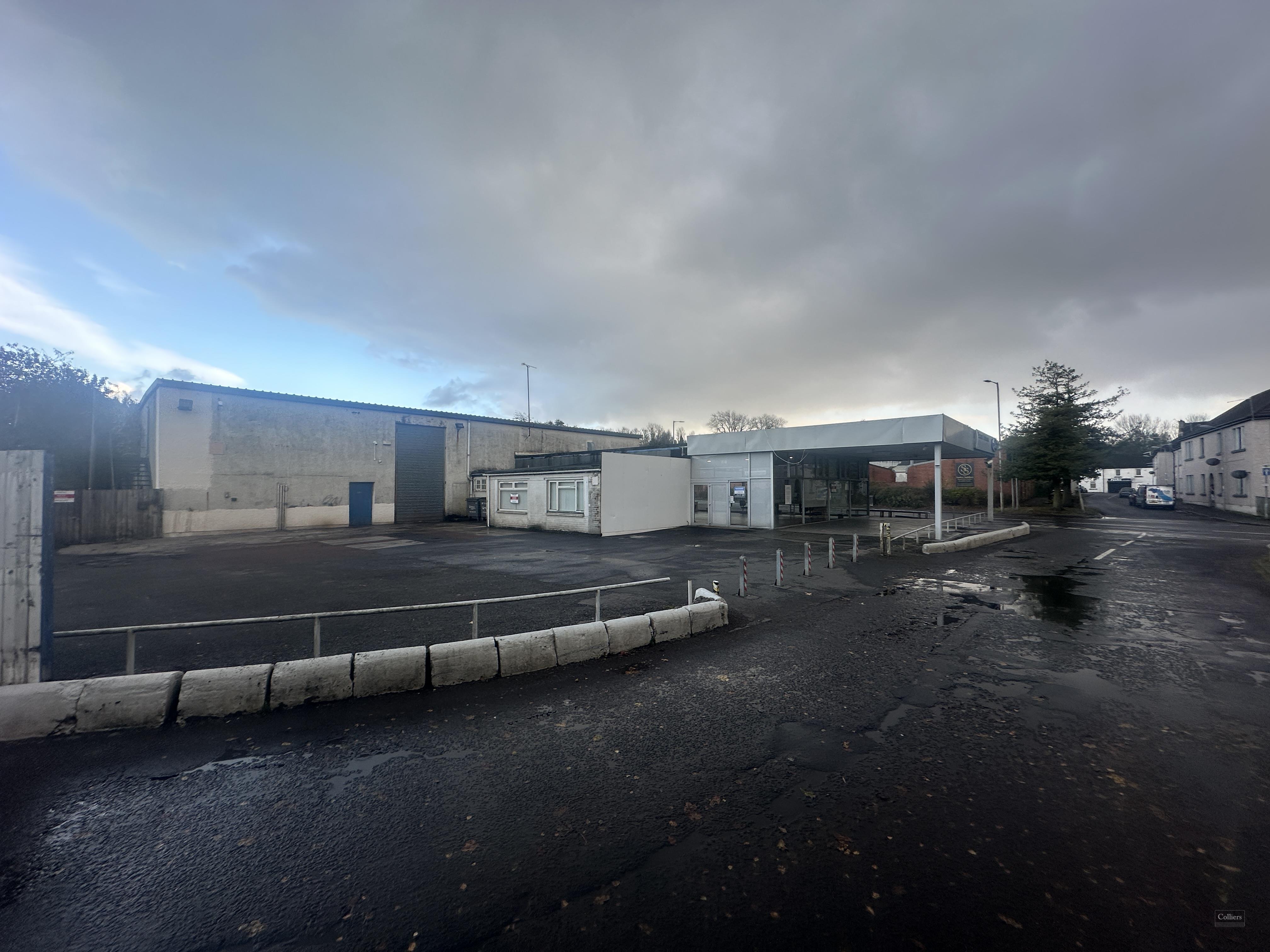 Auto Dealership Roofing in Providence, RI
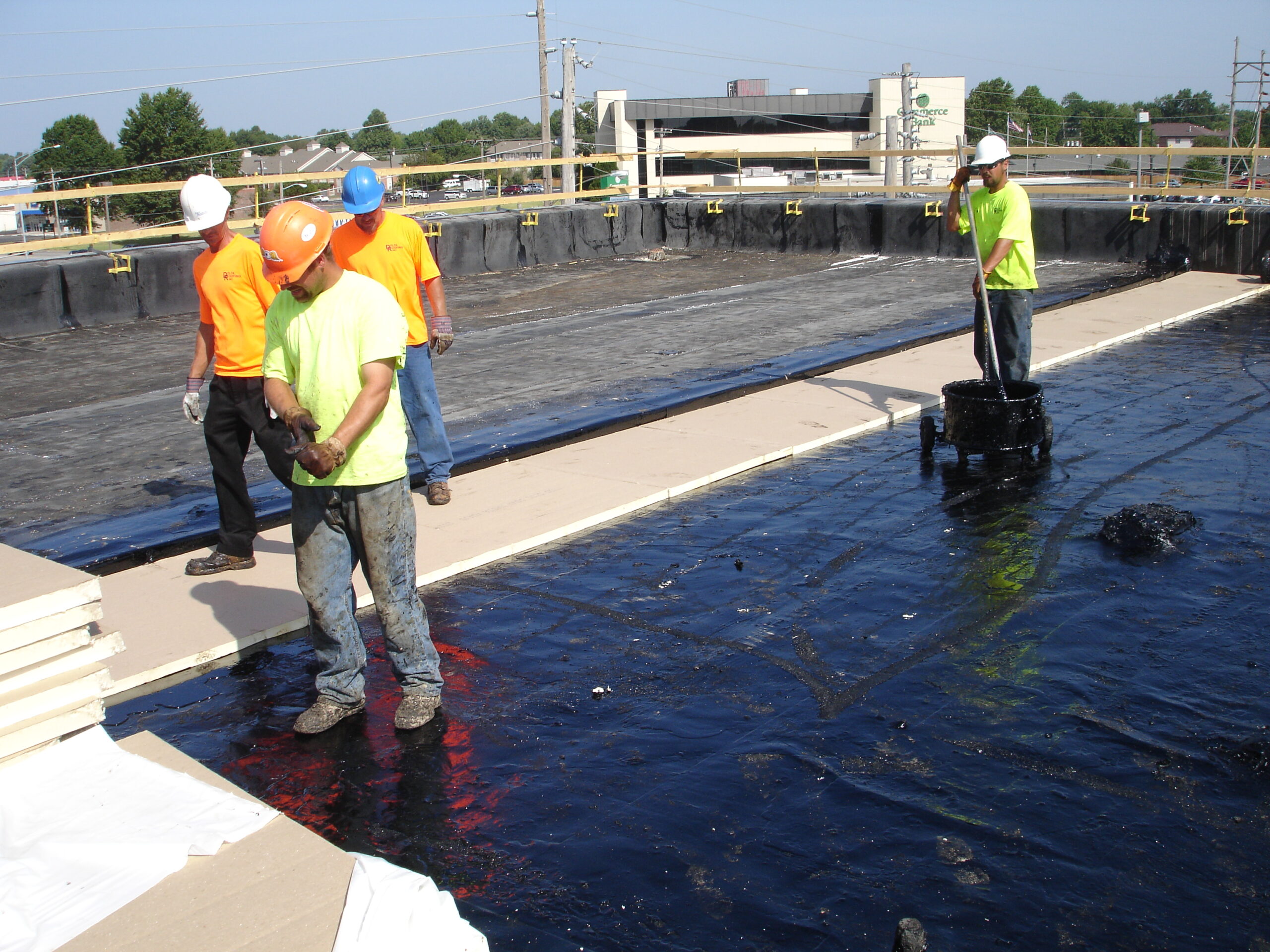 Built Up Roofing in Providence, RI
 Church Roofing in Providence, RI
 Commercial Re-Roofing in Providence, RI
 Commercial Roof Inspection in Providence, RI
 Providence
 Warwick