Roofing Keyed to How Your Plant Actually Runs
A manufacturing roof is not just weather protection. It is part of your production environment. Process heat, exhaust stacks, rooftop dust collectors, makeup air units, condensate lines, and chemical fume venting all put loads on the deck and membrane that a typical office building never sees. We roof manufacturing facilities across Rhode Island with that reality front of mind, because the cost of a leak over a CNC cell, a packaging line, or a clean assembly area is rarely the roof repair itself. It is the downtime, the scrapped product, and the equipment damage underneath.
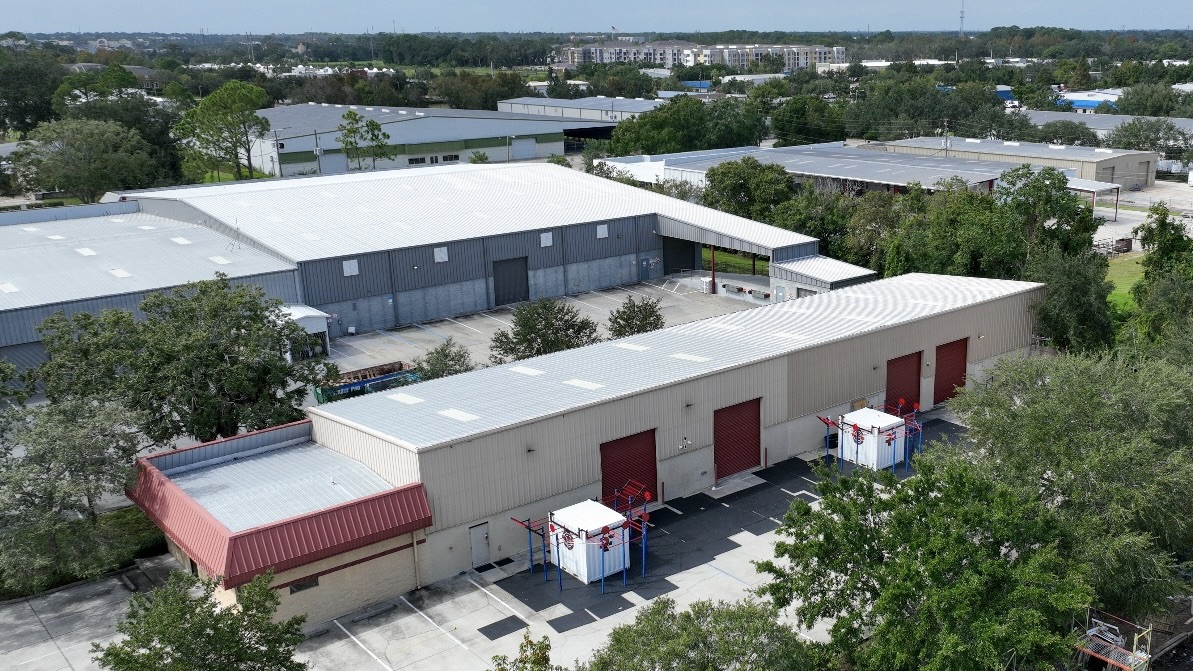
We work statewide, covering all 39 cities and towns, and a large share of our industrial work sits in two corridors. The first is the older mill manufacturing belt along the Blackstone and Pawtuxet rivers, where 19th-century textile mills in Pawtucket, Woonsocket, and West Warwick have been reborn as machine shops, food production, and light assembly under enormous flat and low-slope roofs. The second is the Quonset Business Park in North Kingstown, a former Navy base now packed with warehouse, distribution, and fabrication buildings carrying acres of single-ply and metal roofing. These two building types fail in different ways, and we approach them differently.
The Roof Systems We Install on Production Buildings
Single-ply membrane: TPO, PVC, and EPDM
Most modern manufacturing roofs in Rhode Island are low-slope and best served by a single-ply membrane. We specify the membrane to the building, not the other way around. TPO and PVC are heat-welded into monolithic sheets, and PVC in particular resists the animal fats, oils, and chemical exhaust common around food processing and metalworking, which is why we lean toward it on plants with greasy or solvent-laden rooftop discharge. EPDM, a synthetic rubber, holds up well on large open warehouse decks where chemical exposure is minimal and the priority is long service life and easy field repair. We detail every penetration, curb, and pipe boot by hand, because on a busy industrial roof the failures almost never start in the open field. They start at the hundreds of transitions around your equipment.
Metal roof systems
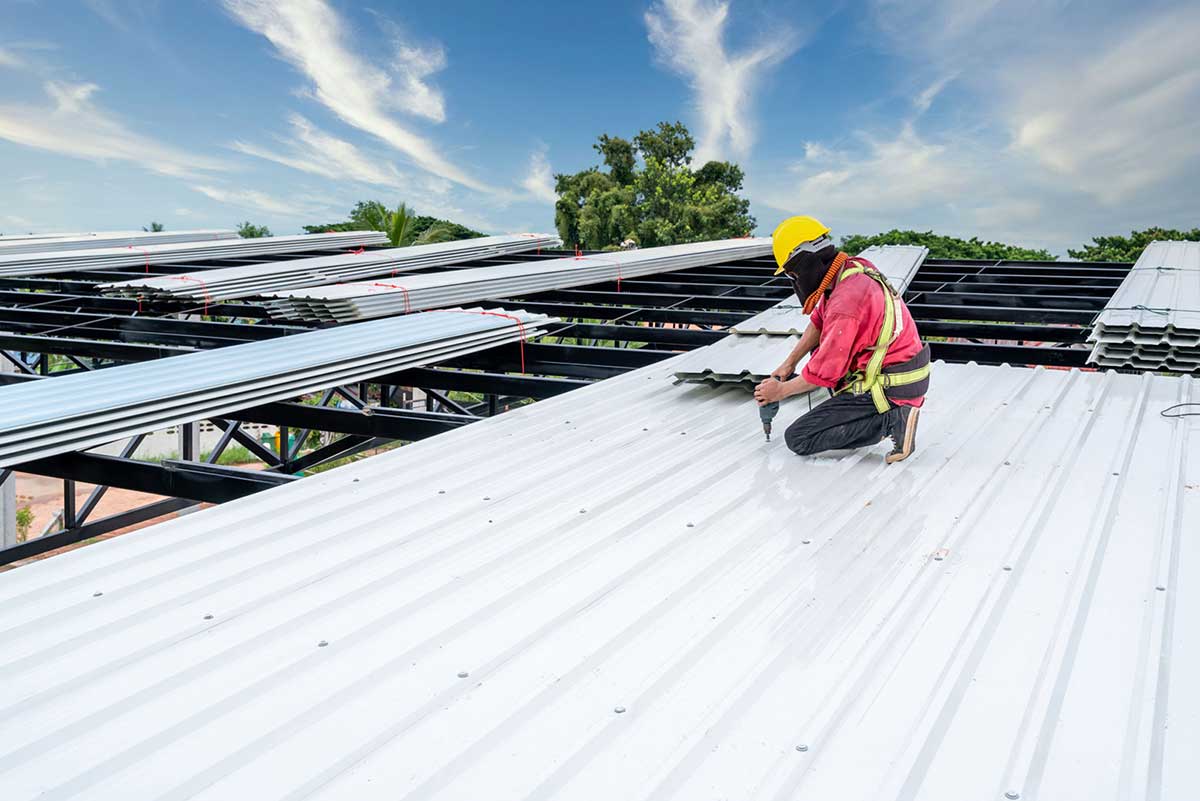
Many Quonset and newer industrial buildings carry structural standing-seam or R-panel metal roofs. When the panels are sound but the building is leaking, the problem is usually fasteners, sealants at the laps, and failed closures rather than the steel itself. We re-fasten, re-seal, and where appropriate install a metal-over-metal retrofit or a coating system that buys decades of additional life without tearing the existing roof off over live production.
Restoration coatings and roof recover
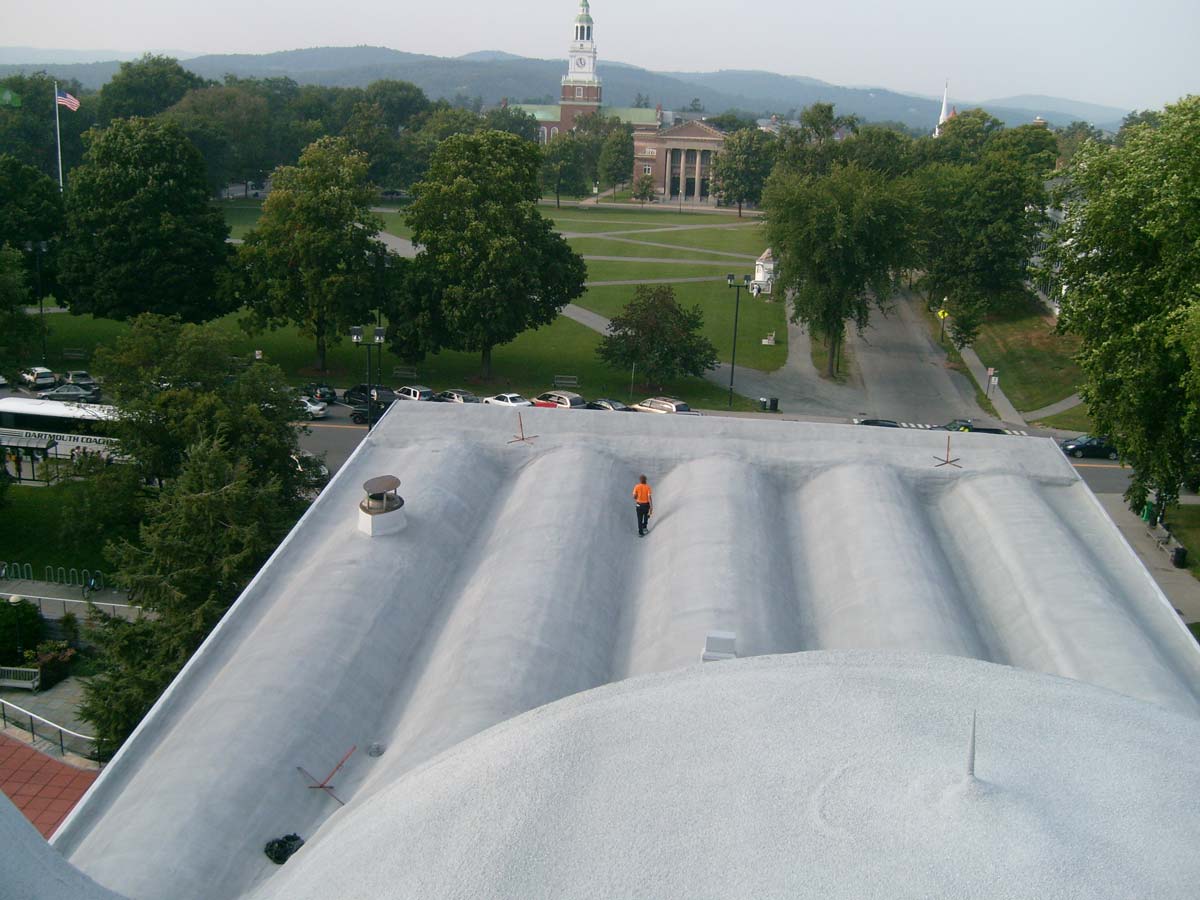
Tearing off a manufacturing roof is disruptive and expensive, and it is not always necessary. When the existing membrane or metal is still structurally viable, a reinforced silicone or acrylic coating can seal seams, stop minor leaks, and add a bright reflective surface that lowers rooftop temperatures over heat-sensitive processes. A full recover, installing a new membrane over the old one, is another way we extend roof life while keeping your line running. We will tell you honestly when a roof is past saving and a tear-off is the right call, and when it is not.
Why Rhode Island Climate Is Hard on Industrial Roofs
The New England weather load on a manufacturing roof here is relentless and seasonal. Winter nor'easters drop heavy, wet snow that piles into drifts behind rooftop units and parapet walls, concentrating structural load exactly where the roof is most penetrated. Freeze-thaw cycling works water into every open seam and lap, then expands it, prying details apart over a few winters. Ice damming at eaves and low points backs water up under the membrane. The large, flat roofs typical of mill and warehouse manufacturing make drainage the whole game. Ponding water that lingers after a storm accelerates membrane breakdown and adds dead load the original structure may not have been designed for. On every industrial roof we assess, we look hard at drains, scuppers, internal gutters, and slope, because in this climate a roof that cannot shed water fast does not last.
The older mill stock carries its own challenges. Original roof decks may be wood plank or concrete over heavy timber, sometimes with multiple layers of old roofing built up over a century. We core and probe before we quote so there are no surprises, and we account for the added weight of snow on structures that predate modern load codes.
How We Work Without Stopping Your Production
- We phase the work so sections of roof come offline in sequence, keeping the bulk of your operation dry and covered at all times.
- We coordinate around shift schedules, shutdowns, and high-sensitivity areas so torches, fasteners, and debris stay clear of running equipment and intakes.
- We protect rooftop air intakes and seal openings daily so dust, fumes, and odors do not get pulled into your building or your product.
- We handle the rooftop equipment, curbs, and penetrations that your maintenance team and HVAC contractor depend on, leaving clean, watertight details behind.
Maintenance That Protects the Investment
A manufacturing roof should be inspected at least twice a year and after every major nor'easter. Most of the expensive failures we are called to fix began as a split seam, a clogged drain, or a cracked pipe boot that went unnoticed for a season. We offer scheduled inspection and maintenance programs that document roof condition, clear drains before winter, and catch small problems while they are still small. For a building where a roof leak can halt production, that documentation also matters for budgeting and for capital planning around eventual replacement.
Talk to Us About Your Facility
If you run a plant, warehouse, or fabrication building anywhere in Rhode Island and you are dealing with leaks, ponding, an aging membrane, or a roof you simply have not had a straight answer on, we would be glad to take a look. We will walk the roof, probe the deck, photograph the trouble spots, and give you an honest assessment of what it needs and when. Reach out to schedule a roof assessment for your facility.
 Acrylic Roof Coatings in Providence, RI
 Auto Dealership Roofing in Providence, RI
 Built Up Roofing in Providence, RI
 Church Roofing in Providence, RI
 Commercial Re-Roofing in Providence, RI
 Commercial Roof Inspection in Providence, RI
 Providence
 Warwick