Roofing the Buildings People Live and Work In
A mixed-use building is harder to roof well than a warehouse, and the reason is simple: there are people directly underneath. Storefronts, offices, or restaurants on the ground floor and apartments or condos above mean a roof project has to protect occupied homes, keep businesses open, and satisfy more than one set of stakeholders at once. We roof mixed-use buildings across Rhode Island with that complexity in mind, because the roof is only half the job. Managing the work over a building full of tenants is the other half.
Rhode Island has more of this building type than most states its size, and it is concentrated in exactly the places where the old and the new economy meet. Downtown Providence and the surrounding neighborhoods are full of buildings with shops or restaurants at street level and residences above. The converted textile mills of Pawtucket, Woonsocket, and West Warwick now hold a mix of commercial space, studios, and loft apartments under the same vast low-slope roofs they were built with in the 1800s. Main streets in Newport, Bristol, and the smaller town centers follow the same pattern. Each of these buildings carries its own roofing challenges, and the climate they all sit in is hard on roofs.
What Makes Mixed-Use Roofs Different
One leak, many consequences
On a typical commercial building, a roof leak damages inventory or a ceiling. On a mixed-use building, a leak can run into a family's apartment, soak a restaurant's dining room, and trigger calls to a property manager from tenants who are upset and within their rights to be. The stakes of a watertight roof are higher, and the tolerance for sloppy work is lower. We detail these roofs with that in mind and we do not leave a building exposed overnight.
Roofs that mix flat and steep
Mixed-use buildings frequently combine roof types. A flat or low-slope main roof over the bulk of the building may meet steeper roofs over dormers, mansards, bays, or street-facing facades, especially on the older Providence and mill-town stock. Where a low-slope membrane meets a steep-slope metal or shingle roof, the transition is the most likely place to leak. We are comfortable working both systems and detailing the seam between them correctly, which is where contractors who only do one or the other tend to come up short.
Rooftop life and shared systems
These roofs are busy. Restaurant kitchen exhaust and grease ducts, shared HVAC for the units, plumbing vents, satellite and antenna runs, and sometimes a roof deck or amenity space all live up there. Each one is a penetration that has to be flashed and maintained, and grease from a ground-floor kitchen will eat an ordinary membrane. We account for all of it.
The Roof Systems We Use
Single-ply membrane for the low-slope sections
For the flat and low-slope portions of a mixed-use building, we install single-ply membrane. TPO and PVC are heat-welded into seamless sheets and reflect heat, which helps keep the top-floor apartments cooler in summer; PVC specifically resists the kitchen grease and oils around restaurant exhaust, so it is often our pick on buildings with food service below. EPDM rubber is a durable, long-lived option on simpler roofs. On the old mill buildings, where the low-slope roof can be enormous, we pay special attention to drainage and to the condition of decks that may be a century old.
Metal and steep-slope work for the visible roofs
The street-facing and steep portions of these buildings are part of how the property looks, and on a downtown or historic main street that matters. We install and repair metal roofing, and we handle the flashing, valleys, and transitions on mansards, dormers, and bays so the visible roof both sheds water and looks right. On buildings in or near historic districts, we are mindful that appearance and detailing carry weight beyond pure function.
Coatings and recover to avoid disruption
Tearing a roof off over occupied apartments is the most disruptive thing we can do, so when the existing roof allows it, we look at recover and coating options first. A reinforced membrane recover or a silicone coating can restore watertightness and add years of life with far less noise, debris, and intrusion for the people living and working below.
Why Rhode Island Weather Drives These Repairs
The same New England climate that fills our calendar fills the property managers' too. Winter nor'easters drop heavy wet snow that piles in roof valleys and behind parapets on these dense urban buildings, where there is nowhere for it to go. Freeze-thaw cycling pries open seams and the flat-to-steep transitions that mixed-use roofs are full of. Ice damming is a particular problem here: on a building with heated apartments below a roof edge, escaping warmth melts snow that refreezes at the cold eave, backing water up under the roofing and into the units. Ponding on the old mill roofs and clogged interior drains turn a slow afternoon's rain into a ceiling stain in someone's living room. We assess drainage, edges, and transitions hard on every mixed-use roof, because in this climate those are the points that fail and those are the failures the tenants feel first.
Working Over Occupied Homes and Open Businesses
- We sequence and dry-in the work so no occupied section of the building is ever left open to weather overnight.
- We coordinate with property managers, owners, and ground-floor businesses on timing, noise, and access, and we keep entrances, walkways, and storefronts clear and safe for customers and residents.
- We protect kitchen exhaust, vents, and shared mechanical equipment, and we keep debris contained so nothing ends up in a tenant's parking spot or a restaurant's patio.
- We communicate the schedule clearly so tenants know what to expect and when, which heads off most of the friction that derails these projects.
Get a Straight Look at Your Building
If you own or manage a mixed-use building anywhere in Rhode Island, with retail, offices, or a restaurant below and residences above, and you are dealing with leaks, aging roofing, ice dams, or a roof you need a real plan for, we are glad to help. We will inspect the full roof, low-slope and steep sections alike, photograph the trouble spots and the transitions, and give you an honest assessment of what it needs and how we would do the work with your tenants in place. Reach out to schedule a roof assessment.
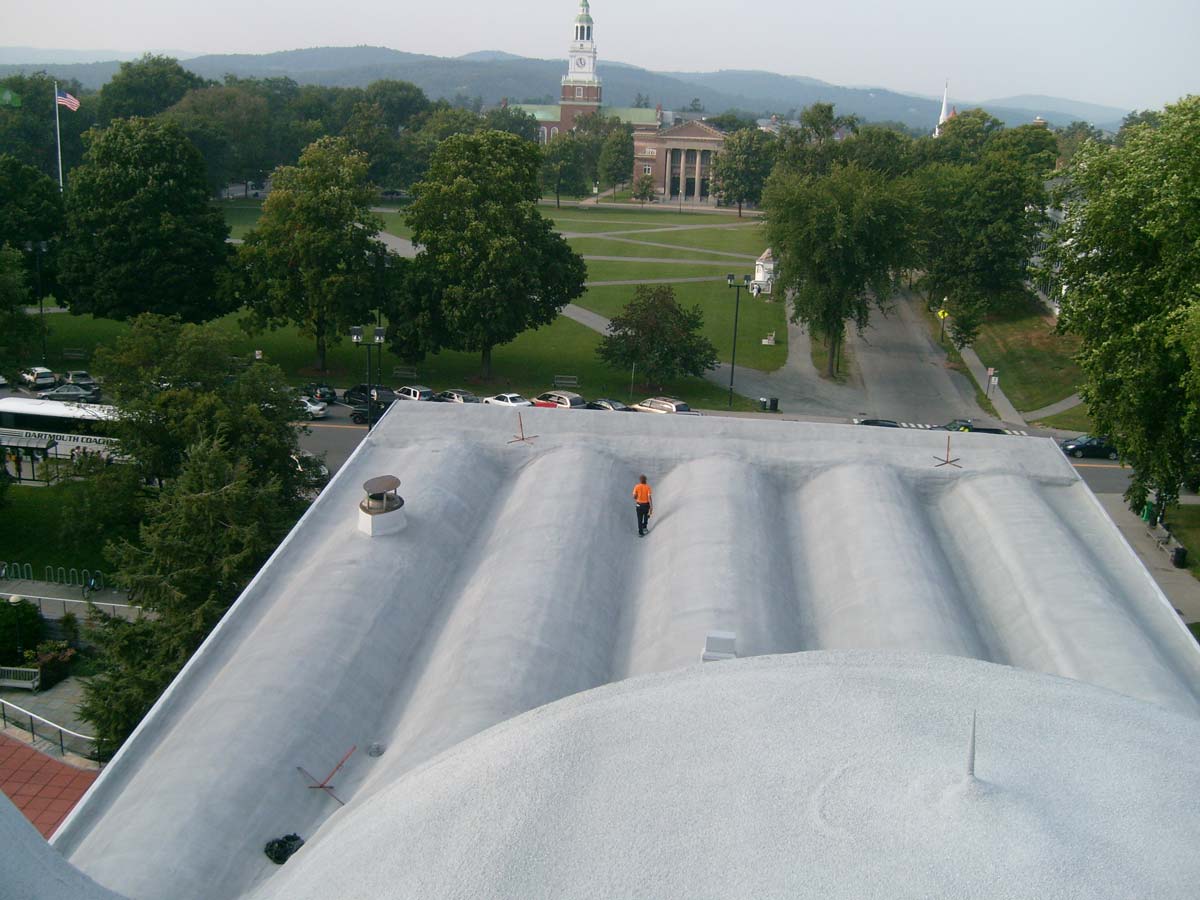 Acrylic Roof Coatings in Providence, RI
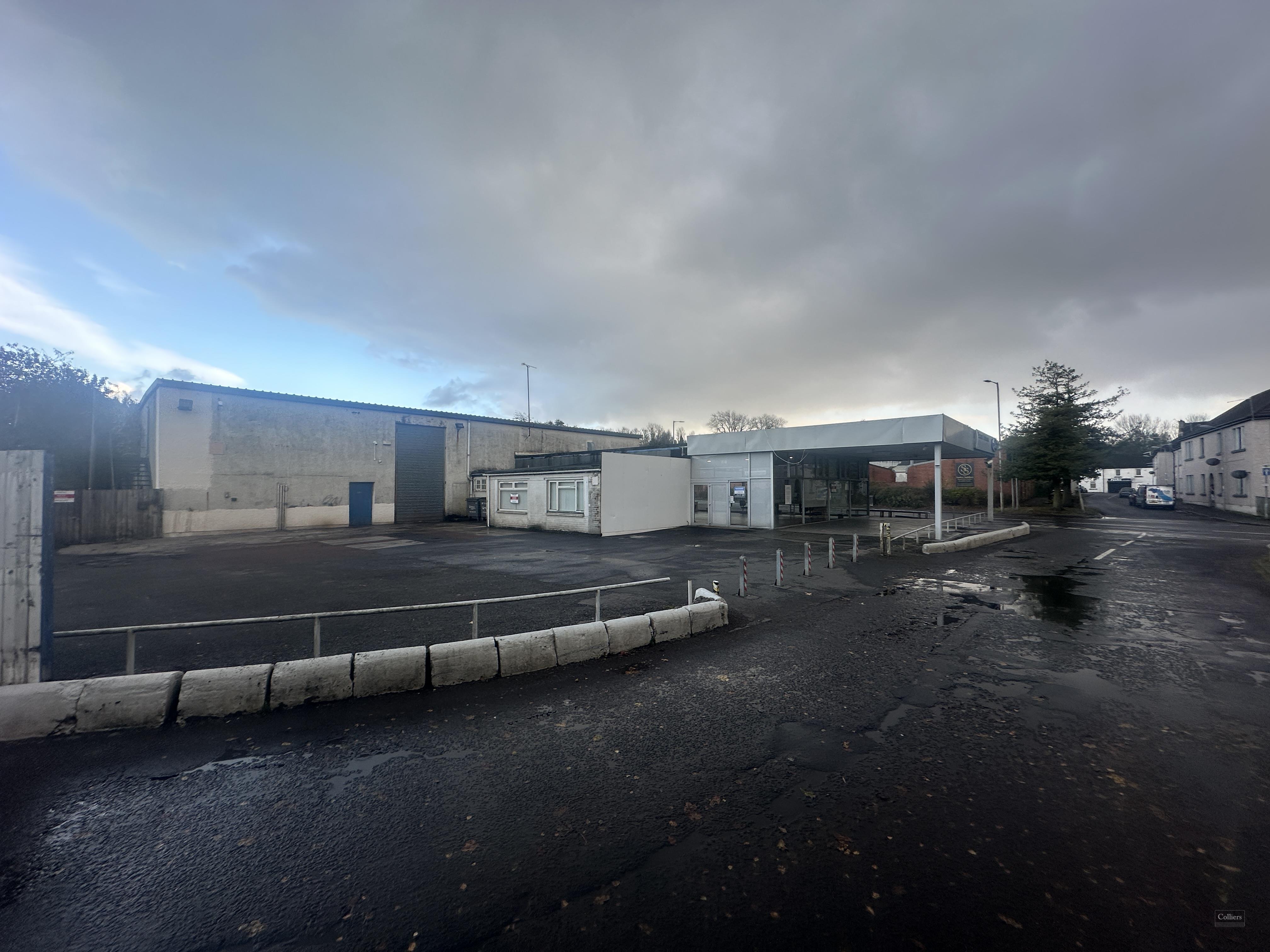 Auto Dealership Roofing in Providence, RI
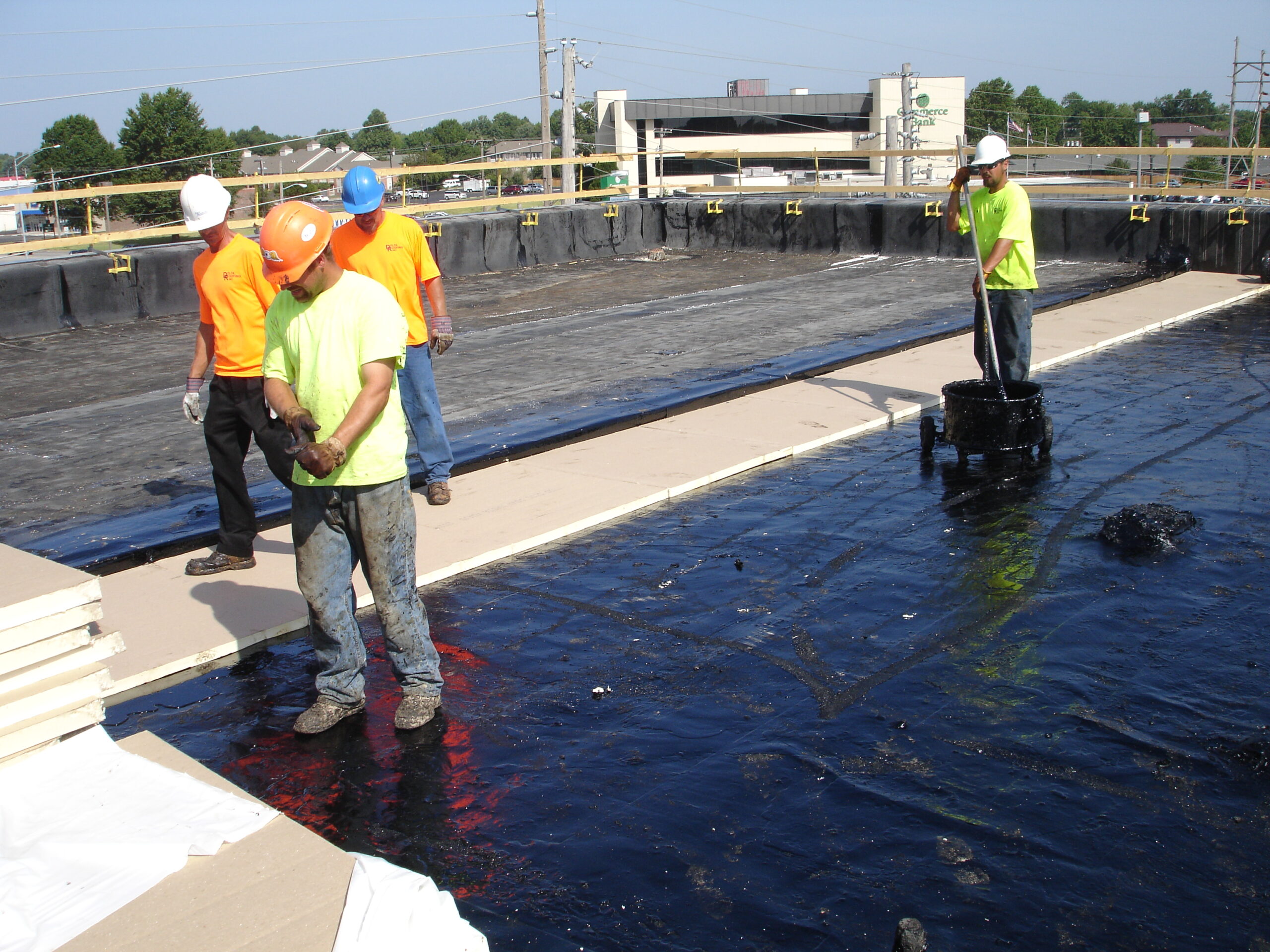 Built Up Roofing in Providence, RI
 Church Roofing in Providence, RI
 Commercial Re-Roofing in Providence, RI
 Commercial Roof Inspection in Providence, RI
 Providence
 Warwick