Roofing for Rhode Island's Stores and Shopping Centers
Retail roofs cover a lot of ground and a lot of risk. A single membrane spans a strip mall full of separate tenants, a big-box store packed with inventory, or a downtown storefront with a sales floor right beneath the deck. When that roof leaks, it does not just need a repair; it threatens merchandise, soaks ceilings over shoppers, and can shut a store on its busiest day. We roof and repair retail buildings of every size across all 39 cities and towns in Rhode Island, from neighborhood strip centers to large-format stores, and we plan the work around the fact that these buildings have to keep selling.
What makes retail roofing its own discipline is the combination of wide, exposed roof area and high-value, low-tolerance space below. A warehouse can take a slow leak for a while; a sales floor cannot. Inventory is stacked to the ceiling, point-of-sale and stockrooms sit under the worst of the ponding, and in a multi-tenant center one bad section of roof becomes several different tenants' problems at once. We approach retail roofs with all of that in mind.
The Buildings We Cover
Retail comes in very different roof shapes, and each carries its own challenges.
Strip Malls and Multi-Tenant Centers
A strip center is one continuous roof over many separate businesses, which makes leaks complicated. Water that enters at one point can travel along the deck and show up over a tenant two units away, so tracing the actual source matters more here than on almost any other building. Tenant build-outs add their own rooftop units, exhaust fans, and penetrations over the years, often poorly flashed, and lease turnover leaves a trail of abandoned curbs and openings. We map the whole roof, sort out which penetration belongs to which space, and seal the leftover openings that previous tenants left behind.
Big-Box and Large-Format Stores
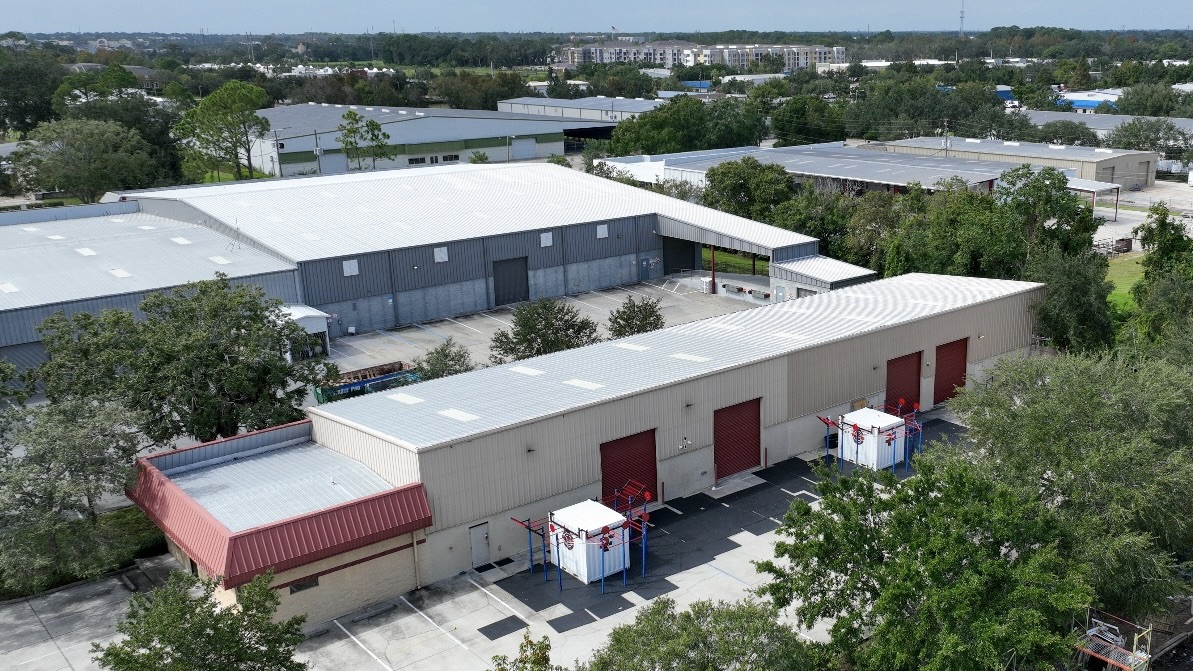
Large-format retail puts an enormous low-slope roof over a single open sales floor. The sheer area means a lot of seams, a lot of rooftop HVAC, and drainage that has to move serious volumes of water off a roof with very little pitch. On these buildings we focus hard on the drains, the seam integrity across the field, and the perimeter, because a problem on a roof this size escalates quickly and a clogged drain can pond thousands of gallons over the registers.
Downtown and Storefront Retail
Older retail buildings in Rhode Island's downtowns and village centers often carry low-slope roofs hidden behind parapets and decorative facades, sometimes over ground-floor stores in 19th-century commercial blocks. These parapets and old built-in details are frequent leak sources, and the roof has to be detailed to protect a storefront that has no tolerance for water over the merchandise.
Membranes for Retail Roofs
The right system depends on the building, the budget, and how long the owner plans to hold it, but for wide retail roofs we most often specify reflective single-ply membranes.
- TPO. A reflective, heat-welded membrane that covers large retail roofs efficiently, throws off solar heat to cut cooling load over a big sales floor, and seals into continuous welded seams.
- PVC. Where a tenant mix includes food service or other grease- and chemical-producing uses, welded PVC adds chemical resistance on top of the same watertight welded seams and reflective surface.
- EPDM. A durable, easily repaired rubber membrane that remains a dependable, cost-effective choice on many retail buildings, particularly where simple long-term repairability is the priority.
Across all of them, we treat the drains, the perimeter edge metal, and the dozens of rooftop-unit curbs as the real work, because that is where retail roofs leak, not in the open field.
Why the Rhode Island Climate Pressures Retail Roofs
Wide, flat retail roofs catch the full weight of New England weather. Heavy wet snow piles across the entire span and sits there until it clears, loading the structure and burying drains that then back up the moment it melts. Repeated freeze-thaw cycles work at seams and flashings all winter, and ice damming along the eaves and parapets backs meltwater under the roofing and into the ceiling over the sales floor. Nor'easters drive rain sideways at every rooftop curb and at the parapets, finding any flashing that was not detailed for wind-driven water. Retail centers along the coast, in places like Warwick and East Greenwich near the bay, in Narragansett and Westerly along the southern shore, and on Aquidneck Island around Portsmouth, also contend with salt-laden air that corrodes fasteners, edge metal, and rooftop equipment faster than inland. On a roof this large, any one of those forces can open up a leak over thousands of dollars of inventory, which is why retail roofs need regular attention rather than a wait-and-see approach.
Protecting Inventory and Keeping Stores Open
Keeping the store selling is built into how we plan retail work. We stage materials and access so customers, deliveries, and the sales floor keep functioning, schedule disruptive work to limit the impact on business hours, and protect the interior so nothing during a re-roof drips onto merchandise or into shopper areas. On a leak repair we move fast to get the building dry, because for a retailer a leak over the floor is lost sales and damaged stock at the same time. In a multi-tenant center we coordinate with the owner and the affected tenants so the work proceeds without blindsiding a business mid-day. The goal is a roof solved without a store lost.
Leaks, Repairs, and Replacement
Plenty of retail roofs do not need full replacement. A large share of our retail work is keeping sound roofs in service: tracing a leak back to its true source across a wide deck, re-welding or re-sealing failed seams, rebuilding the flashings around rooftop units, replacing worn pipe boots, and clearing and repairing drains where ponding starts trouble. When one area of a large roof has failed but the rest is solid, we can often re-roof that section rather than the whole building. When the membrane has genuinely reached the end of its life, we plan a full replacement in phases so the center keeps operating, including tear-off logistics and temporary dry-in to keep the interior and the inventory protected while the roof is rebuilt. We separate what can be repaired from what has to be replaced, so you get a clear decision instead of an oversized bid.
How We Approach a Retail Roof
We start on the roof. Before recommending anything we walk it, check the seams across the field, inspect every rooftop-unit curb and penetration, and look hard at the drains and the low spots where water ponds over the store below. In a multi-tenant center we trace leaks to their real origin rather than guessing from where the stain appears inside. Then we lay out the options in plain terms, whether that is a targeted repair, a sectional re-roof, or a full replacement, with what each one costs, how long it should last, and how we will sequence it to keep the stores open and the inventory dry.
Request a Retail Roof Assessment
If you own or manage a retail building in Rhode Island, a strip center, a big-box store, or a downtown storefront, with a roof that is leaking or aging, we are glad to take a look. Reach out to schedule a roof assessment, and we will give you an honest read on its condition and what, if anything, it needs, with a plan that protects your tenants and their merchandise.
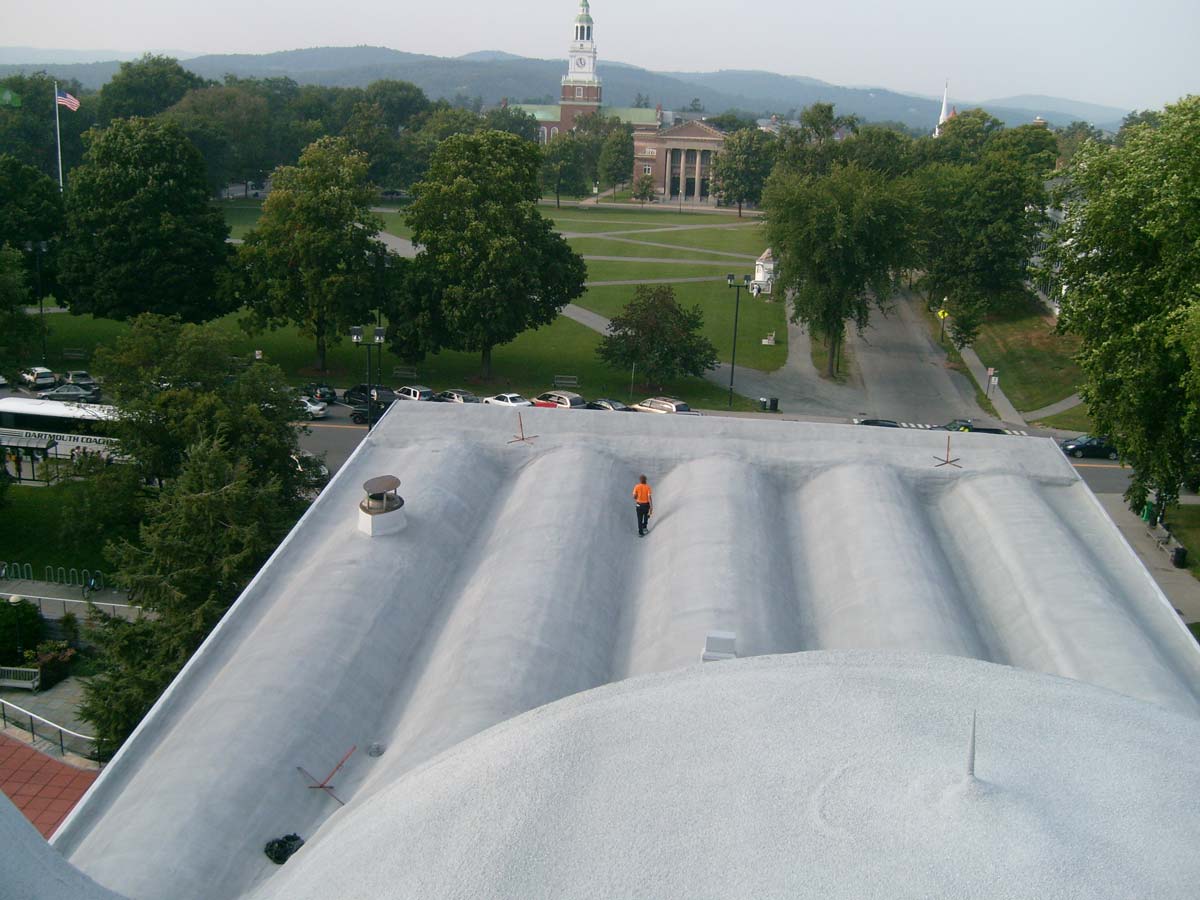 Acrylic Roof Coatings in Providence, RI
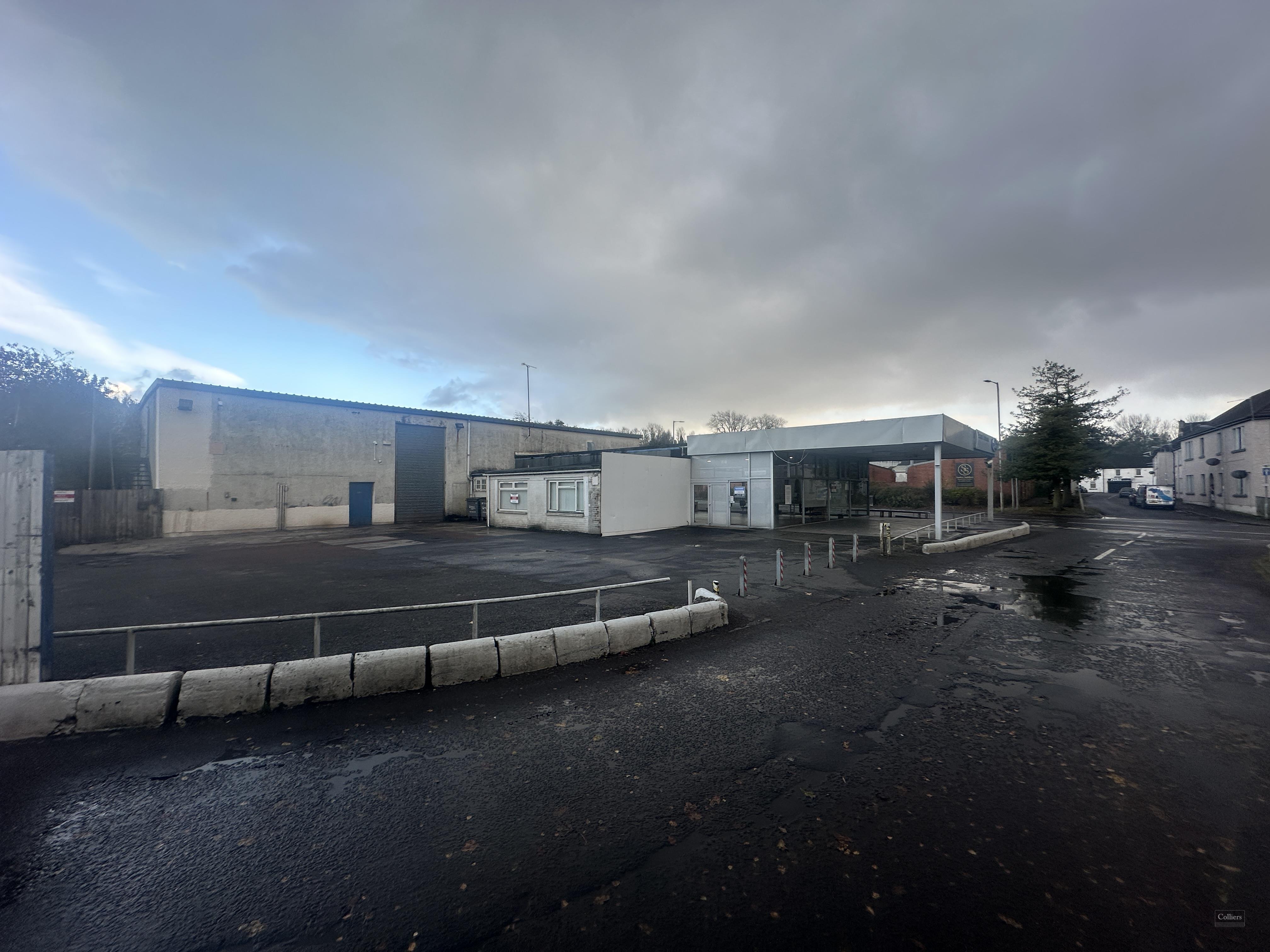 Auto Dealership Roofing in Providence, RI
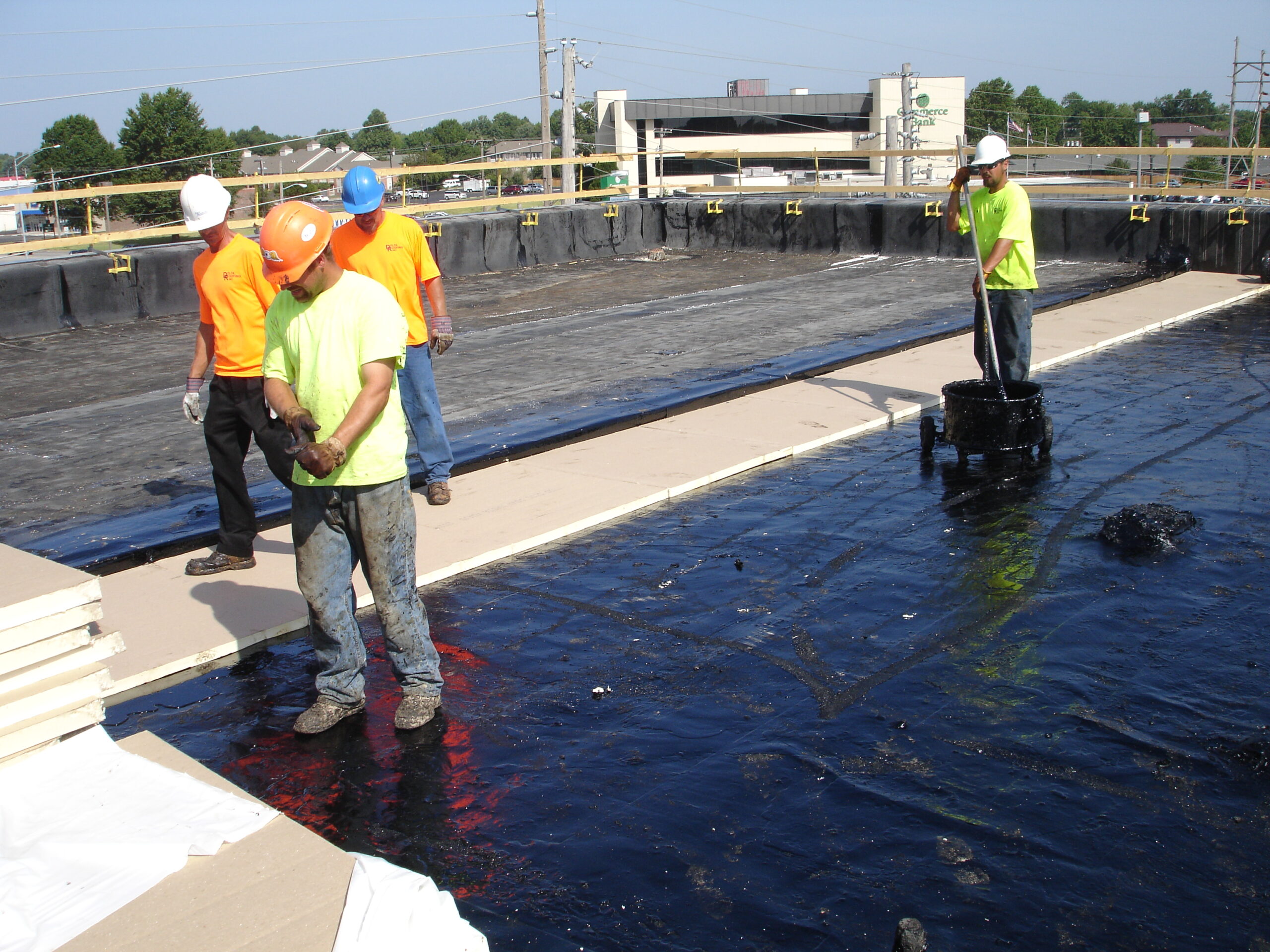 Built Up Roofing in Providence, RI
 Church Roofing in Providence, RI
 Commercial Re-Roofing in Providence, RI
 Commercial Roof Inspection in Providence, RI
 Providence
 Warwick