
After the Storm Passes, the Damage Is Still Working
The wind dies down and the rain stops, but a storm-damaged commercial roof does not stop leaking on its own. A lifted membrane edge keeps catching wind and peeling further. A torn lap keeps letting water into the insulation with every shower that follows. A clogged or undersized drain keeps backing meltwater up against a seam that was fine until the storm overloaded it. The hours and days right after a nor'easter or a high-wind event are when a contained problem turns into a soaked roof assembly and a wet interior, which is why the first thing we do on a storm call is stabilize the roof, stop the active water, and protect what is below before anything else gets decided. We respond to storm-damaged commercial, industrial, and institutional roofs across all 39 cities and towns in Rhode Island.
Stabilization and the permanent repair are two different jobs, and we keep them separate on purpose. Drying the building in buys time and stops the damage from spreading; the permanent repair happens once we can see the full extent of what the storm did, in workable conditions, and price it honestly rather than guessing in the wet.
The Storms That Damage Roofs Here
The New England climate hands a flat commercial roof a specific menu of trouble, and storm damage in Rhode Island usually traces back to one of a few sources:
- Nor'easters. These drive rain sideways for hours and put sustained wind on the roof. Horizontal rain finds laps, parapet joints, and coping details that shed water fine in a calm shower, and the wind gets under any membrane edge that is not fully secured and starts to peel it.
- High-wind events. A strong gust front finds the weakest edge, corner, or flashing on the roof and lifts it. Wind uplift is an edge-and-corner problem first, so storm damage often shows up at the perimeter, at the coping, and around rooftop equipment before it ever touches the field.
- Heavy snow load and ice damming. Wet snow sits on a flat roof as dead load until a crew clears it, and meltwater backs up at clogged drains and at ice dams along eaves and parapet bases, forcing water uphill under the membrane against the way the roof was built to drain.
- Freeze-thaw after the storm. Water driven into a flashing crack or a coping joint during the storm freezes that night, expands, and opens the crack wider, so a detail that survived the wind fails a few cold nights later.
On Aquidneck Island, in Newport, across South County, and out on Block Island, the coastal exposure makes storm damage worse and harder to read. Salt-laden air corrodes fasteners, edge metal, and termination bars from the back side over years, so when a gust lifts a perimeter detail near the water, the underlying reason is often a fastener the salt had already weakened. We account for that when we assess storm damage near the bay, because what failed in the wind is not always what the wind alone would have failed.
Emergency Dry-In and Stabilization
When water is actively coming into a building, especially over occupied office space in downtown Providence or near the hospital district, the immediate job is to stop the entry and protect the interior. We secure lifted and torn membrane, set temporary watertight repairs and tarps over the breached areas, clear the drains and scuppers the storm overloaded, and dry the building in so it can keep operating while the weather is still bad. We treat that work as triage, not the fix. The goal is to halt the spread of damage and buy the time to do the permanent repair right, not to bury the problem under a tarp and call it done.
Finding Everything the Storm Did
Storm damage is rarely confined to the one spot a tenant reports. Once conditions allow, we survey the whole roof, because the leak someone noticed is frequently the most visible of several failures. We follow the water from the interior stain back up the slope to where it actually entered, then check everything the storm would have stressed: the perimeter and corners where uplift starts, every coping and parapet joint, the field seams and laps, the curbs and flashings around rooftop equipment, the pitch pockets and penetration boots, and the drains and scuppers themselves. We probe for soft, saturated insulation, because once a storm drives water under the membrane the leak stops behaving like a single hole and starts behaving like a sponge that releases water with every rain. Where the membrane looks intact but the building keeps leaking, we pull a core to see the deck and insulation directly rather than caulking the surface and hoping.
Permanent Repairs That Hold
A storm repair has to restore the system, not just cover the hole. We match the repair to the membrane already on the roof rather than smearing an incompatible mastic over the damage. On TPO and PVC we use hot-air-welded patches that fuse to the existing sheet. On EPDM we clean and prime the surface and use cover tape and compatible flashing. On the modified bitumen and built-up sections common on the older textile-mill roofs in Pawtucket, Woonsocket, and West Warwick, we cut out the wet material, dry or replace the insulation, and rebuild the plies so the patch is bonded into the assembly. Where the storm soaked the insulation, we say so plainly and remove the wet material before we close the roof, because welding a clean patch over wet insulation traps the water and guarantees a callback. We also re-secure and re-detail the perimeter, coping, and equipment curbs the wind got under, since a storm repair that ignores why the edge lifted is a repair that lifts again in the next blow.
Documentation for Your Insurance Claim
Storm damage usually means a claim, and a claim moves faster when the damage is documented clearly from the start. As we stabilize and survey the roof, we record what failed, where, and how the storm caused it, with the photographs and notes an adjuster needs to understand the loss. We separate genuine storm damage from the ordinary wear a roof already had, because conflating the two slows a claim down. You are free to share that record with your carrier and your adjuster, and it gives you something concrete to work from rather than a vague description after the fact.
Request a Storm Damage Assessment
If a nor'easter, a wind event, or a heavy snow has damaged the roof on your commercial, industrial, or institutional building anywhere in Rhode Island, contact us for a roof assessment. We will stabilize the active leaks, find everything the storm did, document it for your claim, and lay out what a lasting repair takes without pressure.
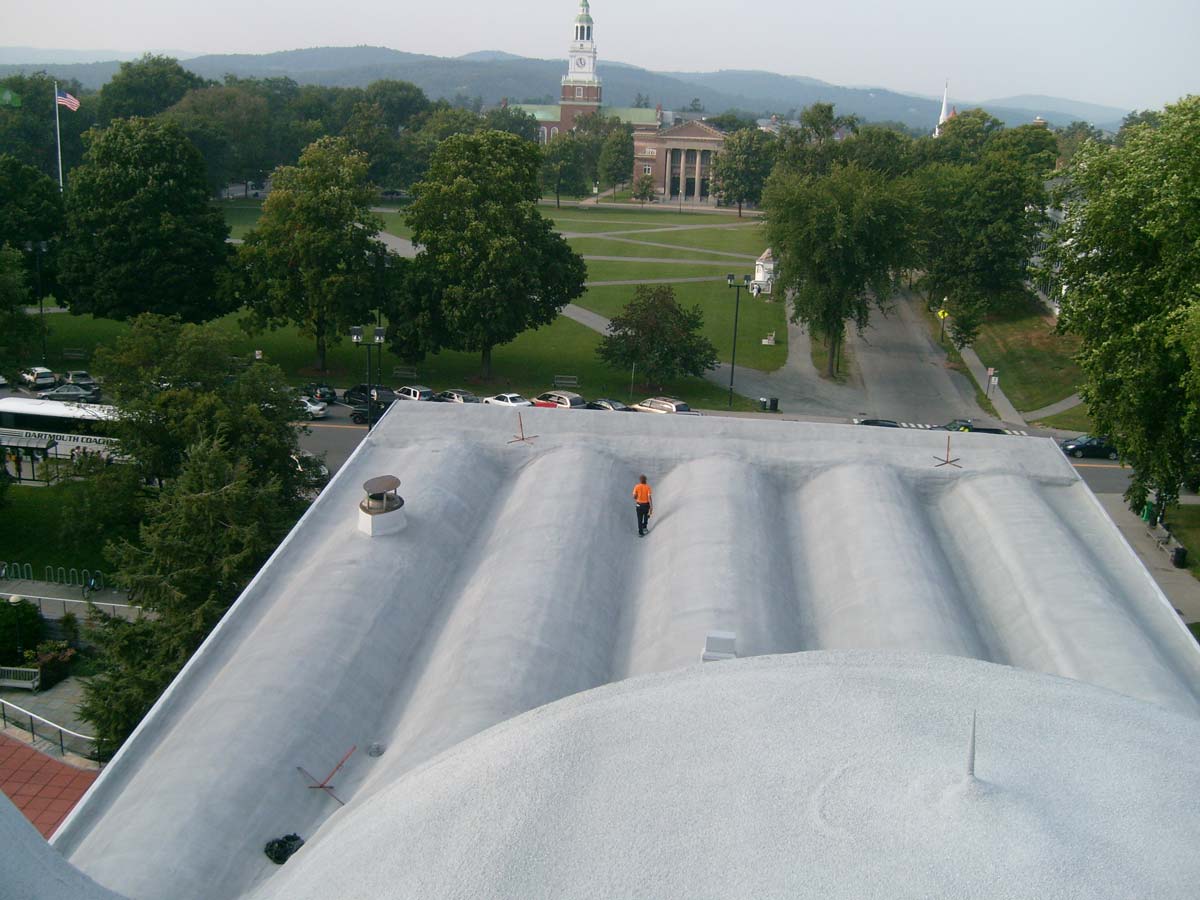 Acrylic Roof Coatings in Providence, RI
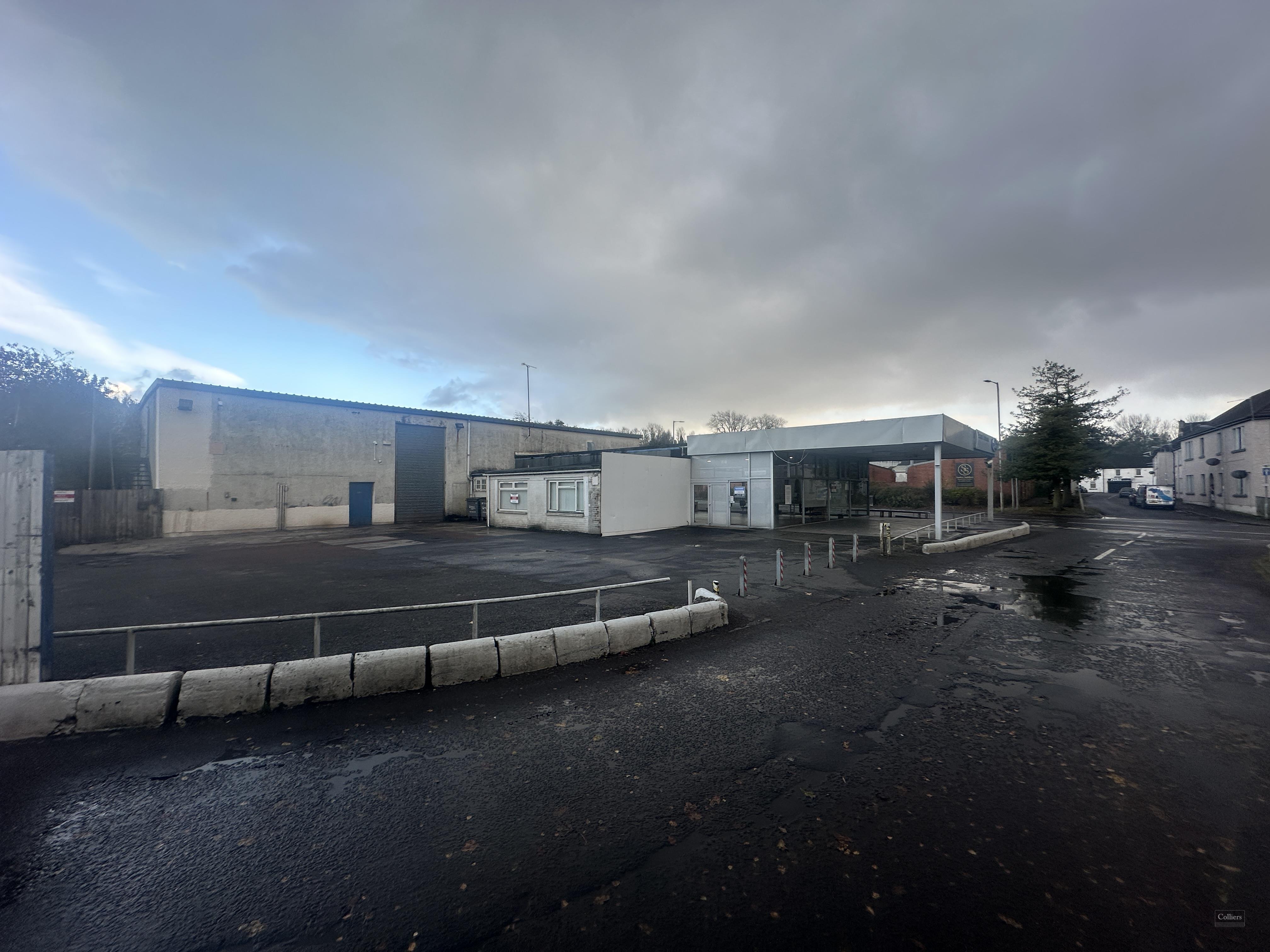 Auto Dealership Roofing in Providence, RI
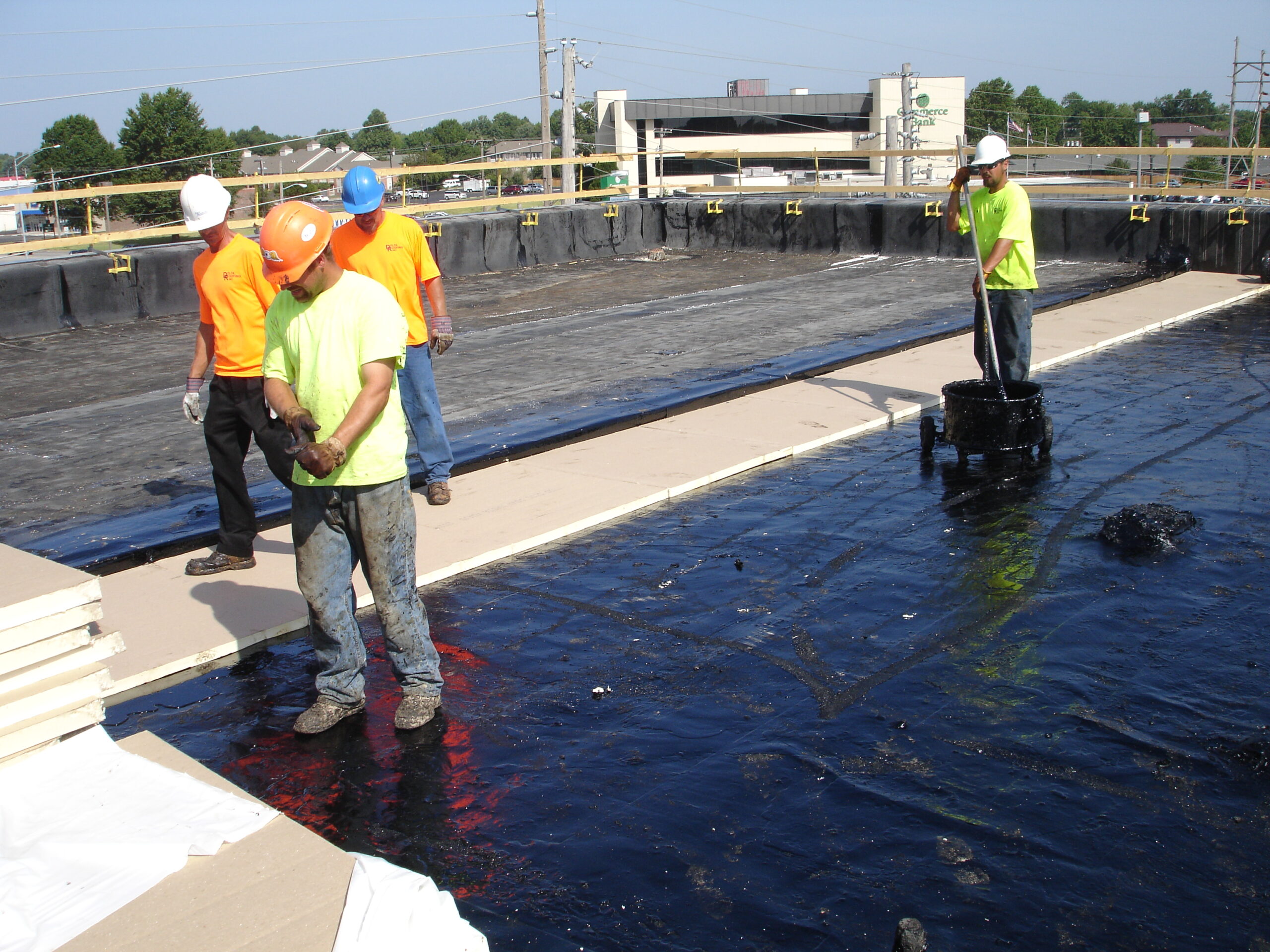 Built Up Roofing in Providence, RI
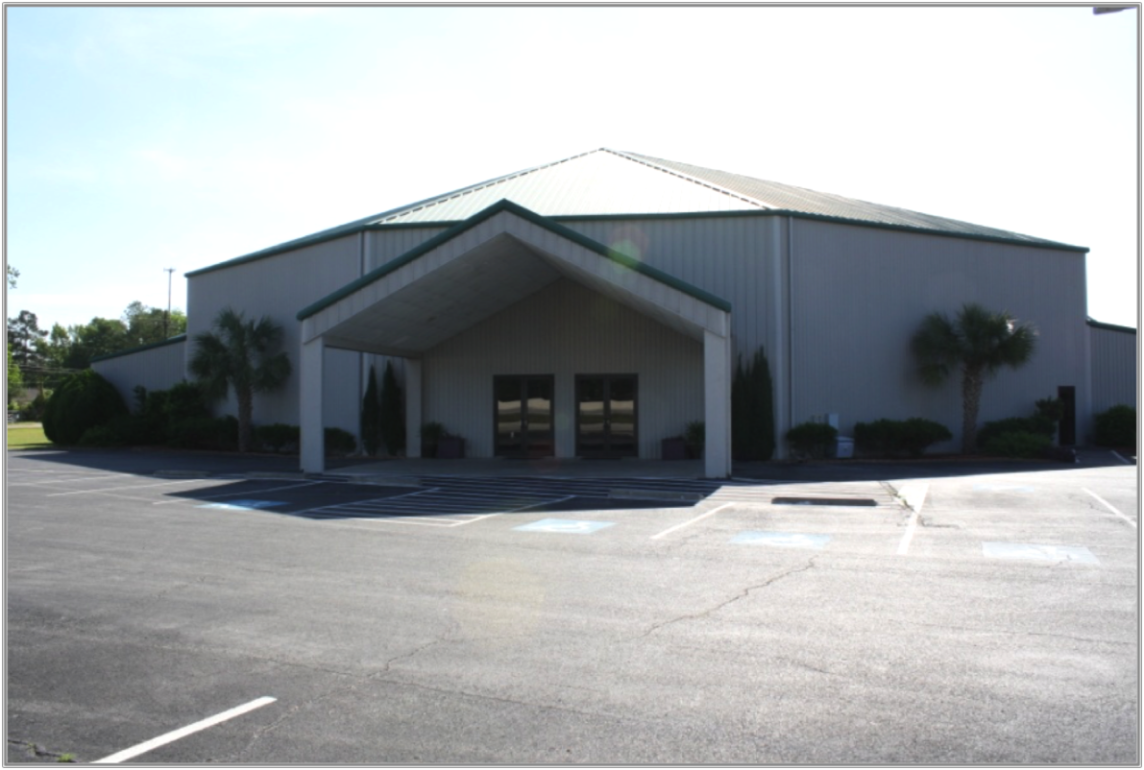 Church Roofing in Providence, RI
 Commercial Re-Roofing in Providence, RI
 Commercial Roof Inspection in Providence, RI
 Providence
 Warwick