Roofing geared to guests who never see the roof
A hotel roof has one job that no other commercial roof has: it has to stay invisible. The moment a guest in a fourth-floor suite hears dripping, smells must in the corridor, or finds a bucket in the elevator lobby, the property has a problem that no amount of fresh towels will fix. We work with hospitality groups across Rhode Island, from boutique inns on Aquidneck Island to multi-property operators with locations in Providence, Warwick, and along the South County shoreline, and our entire approach is structured by keeping the roof out of the guest experience while keeping the building dry.
That means we plan the work the way you plan a renovation: around occupancy, around event calendars, and around the noise, smell, and access constraints that come with a building full of paying guests. We have no interest in showing up with a kettle of hot asphalt outside the windows of a sold-out wedding block.
The properties we roof in Rhode Island
Hospitality in this state is not one thing, and the roofs are not one thing either. We cover all 39 cities and towns, and the building stock we see ranges across:
- Full-service hotels and conference properties in the Providence metro, where a single low-slope membrane may cover an entire floorplate punctured by HVAC curbs, kitchen exhaust, and elevator overruns.
- Resorts and waterfront inns in Newport, Middletown, and Narragansett, where salt-laden coastal air attacks fasteners, flashings, and rooftop equipment faster than it does inland.
- Restored 19th-century mill and mercantile buildings converted to boutique hotels, often carrying decades-old low-slope assemblies that were never designed for today's rooftop loads.
- Restaurants and banquet venues with grease-laden kitchen exhaust that degrades the membrane around the hoods unless the detailing is right.
- Extended-stay and limited-service properties along the I-95 and Route 4 corridors in Warwick, Cranston, and East Greenwich.
Why coastal hospitality roofs fail early
If you operate on or near the water, your roof is aging on a different clock. Salt air drives corrosion at termination bars, metal edge details, fasteners, and rooftop condenser units. We see Newport and Narragansett properties where the field membrane still has life but the metal flashings and equipment supports are rusting through. Wind is the other coastal factor: an exposed oceanfront roof takes uplift loads that an inland Providence rooftop never sees, and a membrane that is mechanically attached for inland wind speeds may be under-engineered for an Aquidneck Island exposure. When we assess a coastal hospitality roof, we look at the edge metal and attachment as hard as we look at the field.
New England weather and a building you can't shut down
Nor'easters, heavy snow loads, freeze-thaw cycling, and ice damming are the recurring threats on Rhode Island roofs, and a hotel is the worst possible place for any of them to win. Ponding behind a clogged drain freezes, expands, and works open a seam. Snow load stresses an already-tired membrane over a ballroom with a long clear span. Ice dams form at parapets and along eaves and push water back under the assembly and into the rooms below.
For occupied properties, we lean toward systems and details that reduce winter risk: redundant drainage and overflow scuppers, robust parapet and wall flashings, and membranes that stay flexible through the cold rather than getting brittle. Where a full reroof is not in this year's budget, we keep the existing roof alive through the season with targeted repairs so you are not gambling a January weekend on a seam that should have been addressed in October.
How we work without disrupting guests
The roof scope is only half the job at a hospitality property. The other half is logistics. We coordinate on:
- Phasing the work by wing, tower, or roof section so occupied areas stay sealed and quiet while we work elsewhere.
- Scheduling the loudest and most disruptive operations around your booking calendar, events, and shoulder seasons.
- Material and equipment staging that keeps the porte-cochere, valet lanes, and guest entrances clear.
- Odor and fume control, especially on adhered systems, so guests in rooms below the work area are not affected.
- Protecting pool decks, rooftop bars, terraces, and amenity spaces that sit adjacent to the work.
- Clean daily site control so the property never looks like a job site to an arriving guest.
Repairs, leak response, and keeping rooms in service
When a guest room or function space is taking water, every hour it stays out of inventory costs you. We respond to active leaks on Rhode Island hospitality roofs, trace the entry point, and stabilize the assembly so you can get the affected rooms back online. Roof leaks rarely show up directly below the breach, especially on a multi-story property where water travels along decking and structure before it appears, so we diagnose rather than guess. Where the membrane is sound and the failure is at a penetration, drain, or flashing, a focused repair often solves it without a capital project.
Planning capital across a portfolio
Hospitality groups running several Rhode Island properties rarely have the luxury of reroofing everything at once. We help you sequence it. By assessing each roof, documenting its condition and remaining service life, and estimating its needs, we give you the information to build a multi-year capital plan that spreads roof spend sensibly across the portfolio. A property heading into a brand-mandated renovation gets prioritized; a roof with five good years left gets a maintenance plan and a place in the queue. The goal is no surprises, no emergency capital requests, and no roof that fails before you planned for it.
Roof systems for hospitality buildings
We install and service the low-slope systems common on Rhode Island hotels and resorts, including single-ply membranes such as TPO and PVC, EPDM, and modified bitumen, along with the metal flashings and edge details that hold them together at the perimeter. The right choice depends on the building: a kitchen-heavy restaurant roof, a salt-exposed oceanfront hotel, and an inland conference center each call for different detailing. We match the system to the property and the exposure rather than installing the same assembly on every roof.
Talk to us about your property
Whether you run a single waterfront inn in Newport or a group of hotels across the Providence metro and beyond, we can assess your roofs, handle active leaks, and build a plan that protects your rooms and your revenue. We cover the entire state, and we work on hospitality time, not job-site time.
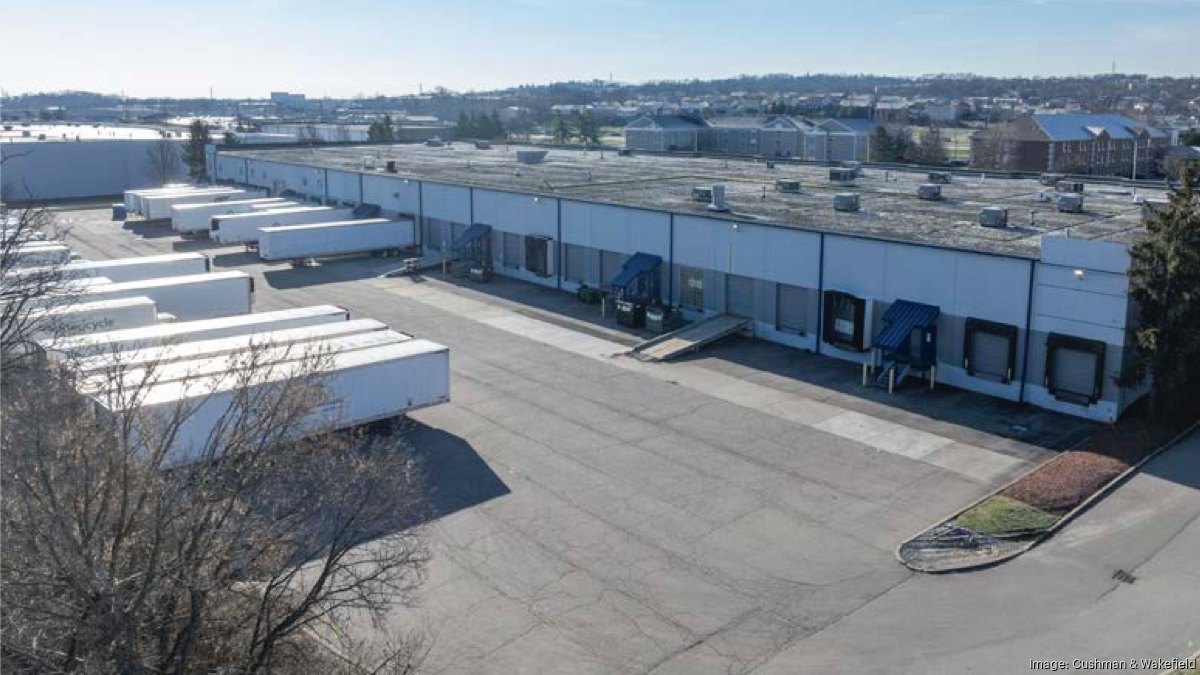 Commercial Real Estate Reits Roofing in Providence, RI
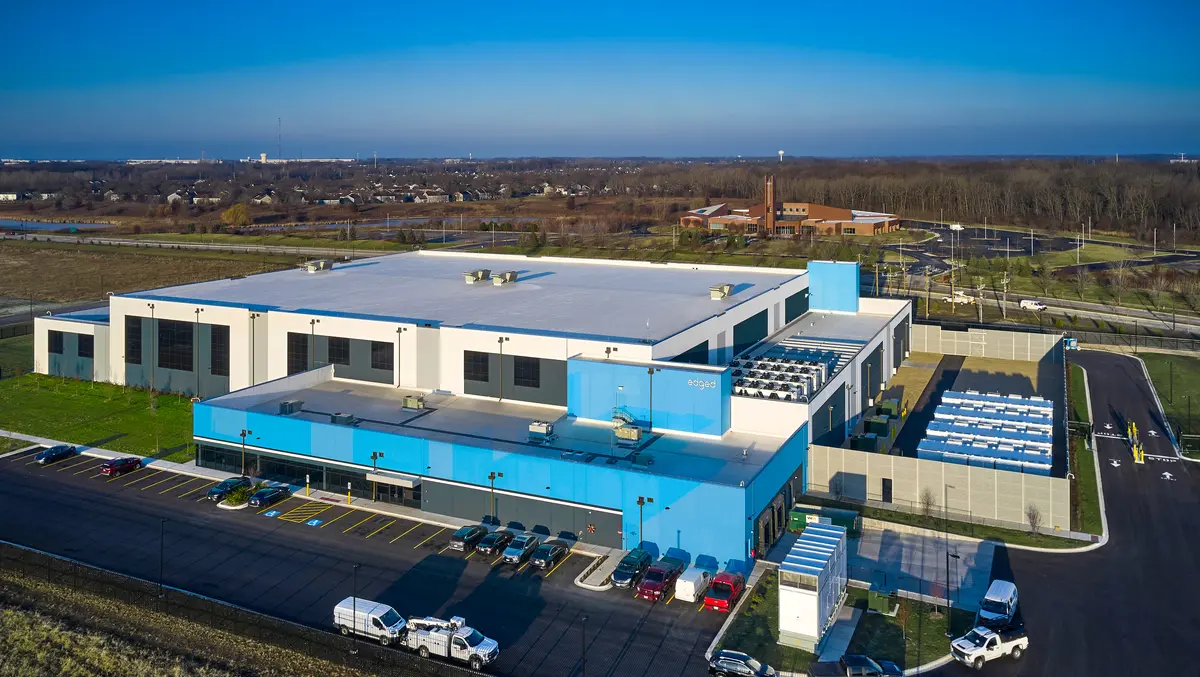 Data Center Operators Roofing in Providence, RI
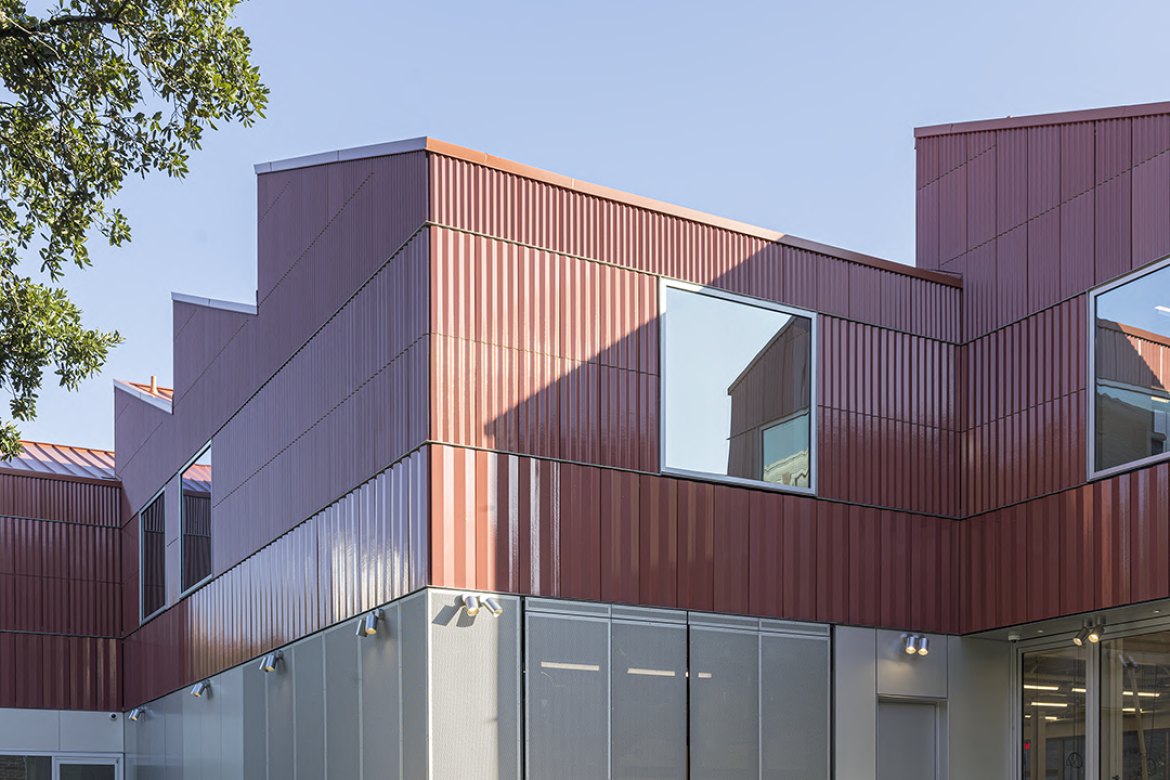 Education Facilities Roofing in Providence, RI
 Food Processing Cold Storage Roofing in Providence, RI
 General Contractors Roofing in Providence, RI
 Government Public Sector Roofing in Providence, RI
 Providence
 Warwick