
The roofing partner for storm and claim work
When a nor'easter peels back a section of membrane, a tree comes through a low-slope roof, or wind drives water into a building overnight, the roof becomes an insurance matter as much as a construction one. We work with the people who manage that side of the loss across Rhode Island: restoration and remediation firms, property and facility managers, building owners, and the adjusters who need the roof scope documented accurately. Our role is to stop the damage from getting worse, capture what happened in a way that holds up, and put the roof back together correctly. We cover all 39 cities and towns in the state.
Emergency response when the loss is fresh
The first hours after a roof failure decide how big the claim becomes. Water that keeps entering migrates through decking, insulation, ceilings, walls, and contents, turning a contained roof loss into a building-wide mess. We respond to active situations on Rhode Island commercial roofs and stabilize them with:
- Emergency tarping and temporary membrane patching to stop water entry.
- Securing or removing storm debris, downed limbs, and displaced rooftop equipment.
- Closing open seams, lifted flashings, and breached penetrations on a temporary basis until permanent repairs can be scheduled.
- Clearing blocked drains and scuppers so trapped water has somewhere to go.
The point of emergency work is twofold: protect the building, and protect the claim. A clean, well-executed temporary repair shows the carrier that the owner took reasonable steps to mitigate further loss.
Documenting the damage so the claim holds up
A roof claim lives or dies on documentation. We approach the inspection knowing the photos and notes may be reviewed by an adjuster who was never on the roof. That means thorough, organized evidence: overall and close-up photographs of the damage, the affected areas mapped on the roof, the condition of flashings, terminations, penetrations, and field membrane recorded, and a clear account of what failed and how. Where the cause matters, we distinguish storm and impact damage from pre-existing wear, because conflating the two is how claims get disputed. The goal is a record that an adjuster can rely on and an owner can stand behind.
Storm damage we see on Rhode Island roofs
The losses on commercial roofs in this state follow the New England weather. We regularly assess and restore:
- Wind damage from nor'easters and coastal storms: lifted or torn membrane, peeled edge metal, displaced coping, and uplift failures, worst on exposed roofs on Aquidneck Island and along the South County and Narragansett shoreline.
- Snow load and ice damage: structural stress, crushed insulation, and ice damming that drives water back under the membrane and into the building.
- Freeze-thaw damage, where water that entered a small defect froze, expanded, and opened seams and flashings into real breaches.
- Impact damage from wind-driven debris and fallen trees punching through low-slope assemblies.
- Water intrusion losses where a roof failure has saturated insulation and interior finishes below.
Older buildings, bigger claims
A lot of Rhode Island's commercial building stock is old, and that changes how a storm loss plays out. The 19th-century textile-mill buildings in Pawtucket, Woonsocket, and West Warwick carry large low-slope roofs, many of them aging and some patched over many times. When a storm hits one of these, the failure is rarely a single clean puncture; it is an old assembly giving way at its weakest points, and the water travels far through the heavy timber and masonry structure before it surfaces. Documenting these losses takes care, because the line between storm damage and an end-of-life roof is exactly where claims get contested. We assess what actually failed and why, and we say so plainly.
Reading the cause of loss correctly
Carriers pay for sudden, accidental damage, not for a roof that wore out, and the whole dispute usually turns on telling those two apart. We look at the evidence on the roof rather than the story we would like to tell. Wind damage has a signature: membrane lifted and torn at edges and corners where uplift concentrates, fasteners backed out, coping and edge metal displaced in the direction the storm came from. Impact damage shows fresh punctures and crushed material with clean, recent edges. Wear shows differently: chalked and crazed membrane, seams that have crept open over years, ponding stains that predate any storm, and patches layered on patches. We photograph and describe what is actually there. When a loss is genuinely storm-driven, clear cause-of-loss documentation gets the claim moving; when part of the damage is pre-existing, saying so up front keeps the owner out of a fight they will lose later. Either way, an honest read protects everyone but the roof that should have been replaced two winters ago.
From temporary fix to permanent repair
Stabilizing the roof is the start, not the finish. Once the immediate threat is handled and the scope is agreed, we carry out the permanent work: repairing or replacing the damaged sections, restoring flashings, edge metal, and penetrations to a watertight condition, and where the loss warrants it, reroofing the affected areas or the full roof. We work in the single-ply membranes, EPDM, and modified bitumen systems common on Rhode Island commercial buildings, and we match the repair to the existing assembly so the restored roof performs as one system rather than a mismatched patch.
Working alongside restoration firms and adjusters
Restoration projects have a lot of moving parts, and the roof is usually the part that has to be controlled first, because nothing inside can be dried out and rebuilt while water is still coming in. We coordinate with remediation crews, general contractors, and property managers so the roof scope fits the overall timeline. We keep our documentation organized enough to support the claim file and to answer questions when the adjuster reviews the scope. The aim is a process that moves the claim forward instead of stalling it.
When winter is the cause
Not every roof loss in Rhode Island arrives with a named storm. A great many of the claims we see are winter losses that build quietly: ice dams forming along eaves and parapets as snowmelt refreezes, water backing up under the membrane, and a leak appearing in a January thaw that traces straight back to weeks of freeze-thaw cycling. Snow load is its own category, stressing structure and saturating insulation across large roofs until something gives. These claims are harder to document than a torn-open membrane because the damage is internal and the trigger was a stretch of weather rather than a single event. We map where the water entered, document the ice-related damage at the details, and tie the failure to the conditions that caused it, so the claim reflects what actually happened on the roof through the winter.
What owners and managers get from us
For a building owner or facility manager dealing with a storm loss, the value is straightforward:
- Fast stabilization that limits how far the damage spreads.
- Documentation thorough enough to support the claim.
- An honest read on what is storm damage and what is wear, so expectations are set early.
- Permanent repairs or reroofing that return the building to a sound, watertight condition.
- One roofing partner from the emergency tarp through the final repair, covering the whole state.
After the storm
When a Rhode Island commercial roof takes storm damage, the clock starts immediately, on the building and on the claim. We respond, stabilize, document, and restore, and we work with the adjusters, restoration firms, and owners who carry the loss through to resolution. Reach out when you have a roof in trouble and need it handled right.
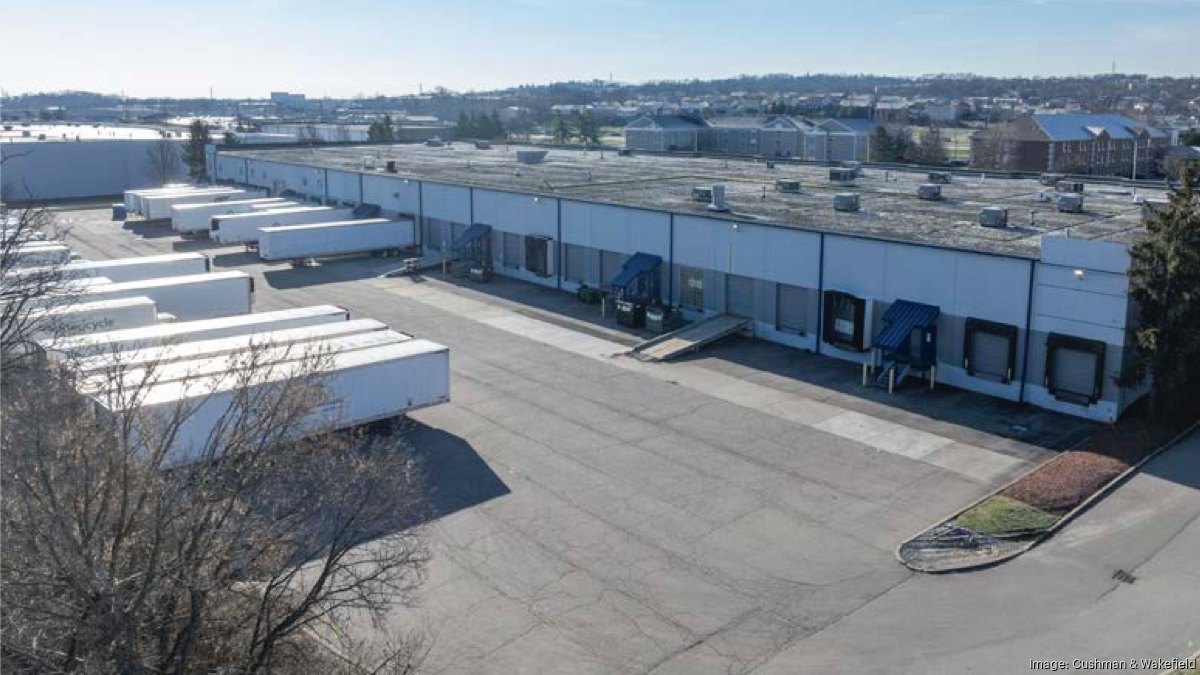 Commercial Real Estate Reits Roofing in Providence, RI
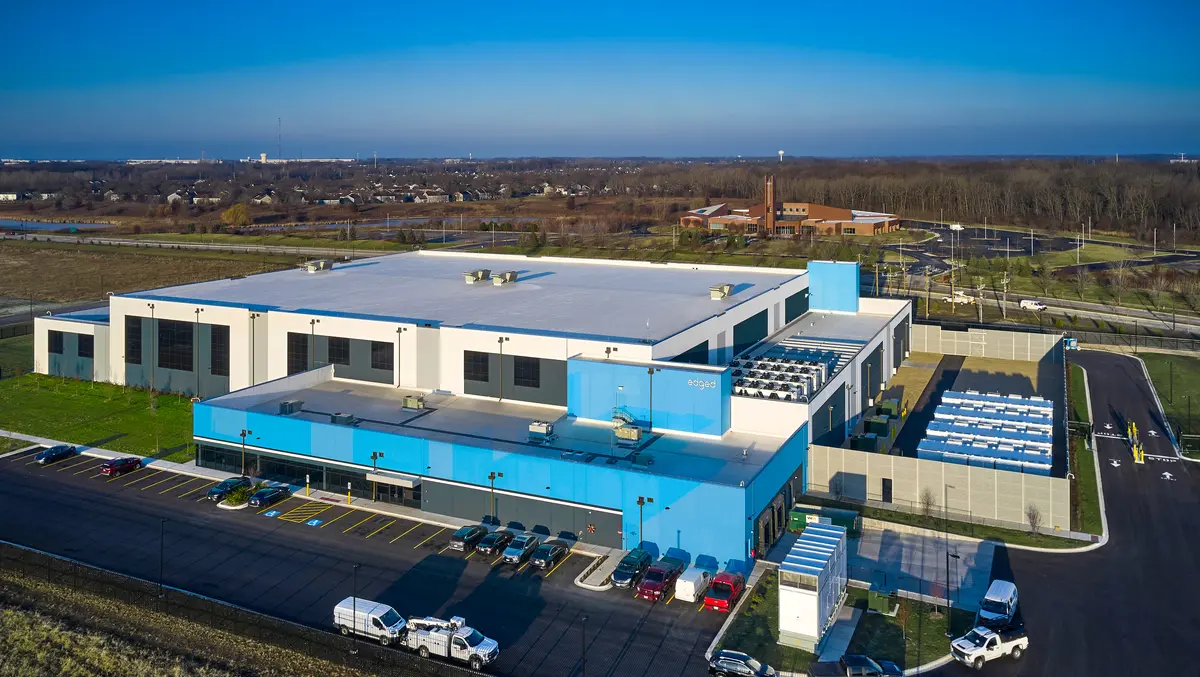 Data Center Operators Roofing in Providence, RI
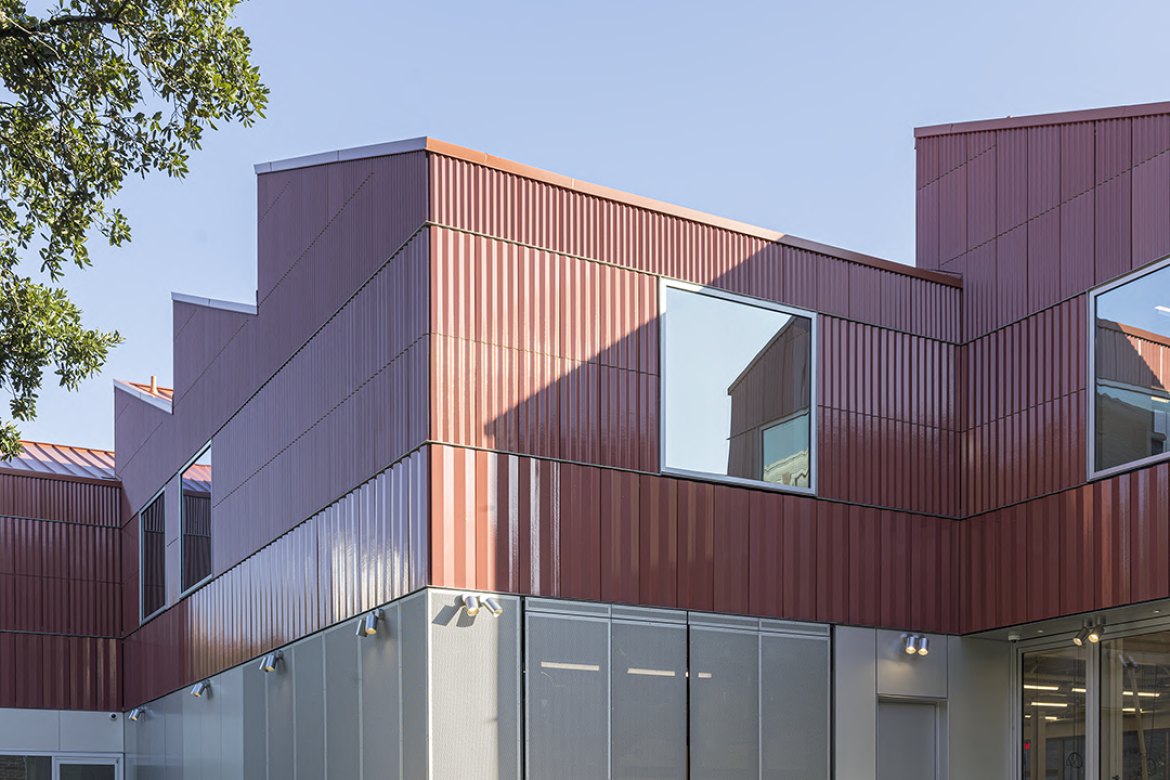 Education Facilities Roofing in Providence, RI
 Food Processing Cold Storage Roofing in Providence, RI
 General Contractors Roofing in Providence, RI
 Government Public Sector Roofing in Providence, RI
 Providence
 Warwick