Roofing centered on a running production line
A manufacturer cannot simply close the plant because the roof is leaking over a packaging cell. We work with operators across Rhode Island who run shifts, hold inventory, and answer to customers who expect on-time shipments. Our job is to get the roof watertight and durable without taking your floor down with it. That means staging work over occupied bays in sequence, protecting equipment below, and scheduling the loud or disruptive phases around your production calendar rather than ours.
We cover all 39 towns in the state, from the older industrial blocks of Providence and Central Falls to the newer tilt-up plants and distribution buildings out at Quonset Business Park in North Kingstown. Whether you occupy a converted mill or a purpose-built facility on Route 95, we adapt the approach to what is actually over your heads and what is running underneath it.
The two kinds of plants we see in Rhode Island
Mill conversions and older industrial stock
A large share of the state's manufacturing still happens inside 19th-century textile-mill buildings in places like Pawtucket, Woonsocket, and West Warwick. These structures have aging low-slope roofs that have often been recovered more than once, sometimes with built-up gravel systems sitting on top of older felts. Deck conditions vary wildly inside a single building, and saturated insulation hides under sound-looking surfaces. We core and probe before we quote so the scope reflects the real condition, not a guess. When the existing assembly is too far gone or overloaded with old material, we plan a full tear-off down to the structural deck rather than adding yet another layer.
Modern industrial buildings
Newer plants and warehouses, including much of what sits at Quonset and along the I-295 corridor, tend to carry single-ply membranes over metal or composite decks. The roofs are larger, flatter, and busier with mechanical units, exhaust fans, and process penetrations. Here the work is less about discovering hidden rot and more about managing drainage, detailing dozens of curbs correctly, and choosing a membrane thickness that survives foot traffic and equipment service for years.
What manufacturing roofs deal with that office roofs do not
Production buildings put loads on a roof that a typical commercial building never sees. We account for several of them on every manufacturing project:
- Process exhaust that carries heat, moisture, or chemical fume directly onto the membrane around the stack, which can degrade some materials faster than weathering alone
- Heavy and frequent rooftop traffic from techs servicing compressors, dust collectors, and HVAC, which calls for walkway protection along the routes they actually use
- Constant vibration and thermal cycling from equipment that works seams and fasteners loose over time
- A long list of penetrations, where most leaks begin, each needing a detail that will still be sound after years of expansion and contraction
On top of the plant-specific demands, every roof in the state takes a New England beating. Nor'easters drive rain sideways into laps and flashings, winter snow load tests the structure and the drainage, and the freeze-thaw cycle pries at any detail that holds water. We build for those conditions, not for a calm day in June.
Keeping the line running while we work
Disruption is usually the real cost of a roof project for a manufacturer, not the materials. We plan around it deliberately:
- Phasing the work bay by bay or zone by zone so only a small part of the building is ever exposed, and the rest keeps producing
- Coordinating with your maintenance and EHS teams on roof access, lockout of affected units, and safe routing of crews away from process hazards
- Scheduling tear-off and other noisy or fume-producing tasks during planned downtime, weekends, or off-shifts wherever the calendar allows
- Protecting machinery, raw stock, and finished goods below with interior covering and a dry-in plan that keeps the building closed against weather every single night
We would rather spend extra time on the plan than have you discover mid-project that a critical cell has to shut down with no warning.
Maintenance that protects uptime and the asset
For an operator, the roof is both a building component and a risk to everything stored and running beneath it. A small unaddressed leak over the wrong machine or material can cost far more than the repair. We set up maintenance programs that catch problems while they are still cheap, with scheduled inspections in spring and fall, debris and drain clearing before the heavy snow season, and prompt repair of opened seams, cracked flashings, and failed sealant. Documented inspections also help you plan capital spending instead of reacting to emergencies, and they give plant and facilities managers a defensible record for budgeting and insurance.
Reroofing and recover decisions
When a manufacturing roof reaches the end of its service life, the choice between a recover and a full replacement carries real money and real risk. We base the recommendation on what we find: the number of existing layers, whether the insulation is wet, the condition of the deck, and the loads the structure can carry, including snow. A recover can be the right call on a sound assembly with only one membrane in place, and it keeps debris and cost down. But if the deck is compromised or the building already carries the maximum allowed roofing weight, adding another layer is a false economy that traps moisture and shortens the life of everything above it. We will tell you which situation you are in and why.
Working with Rhode Island manufacturers statewide
We serve plant and facility managers throughout the state, from single-building shops to multi-site operators with roofs of different ages and systems across their portfolio. The buildings differ, but the priorities are the same: keep the product dry, keep the people safe, keep the line moving, and spend the roofing budget where it does the most good. Whether you are dealing with a chronic leak over a finishing area, planning a phased replacement of a worn-out membrane, or trying to get ahead of a roof you inherited with a building, we can assess what you have and lay out a path that fits how your operation actually runs.
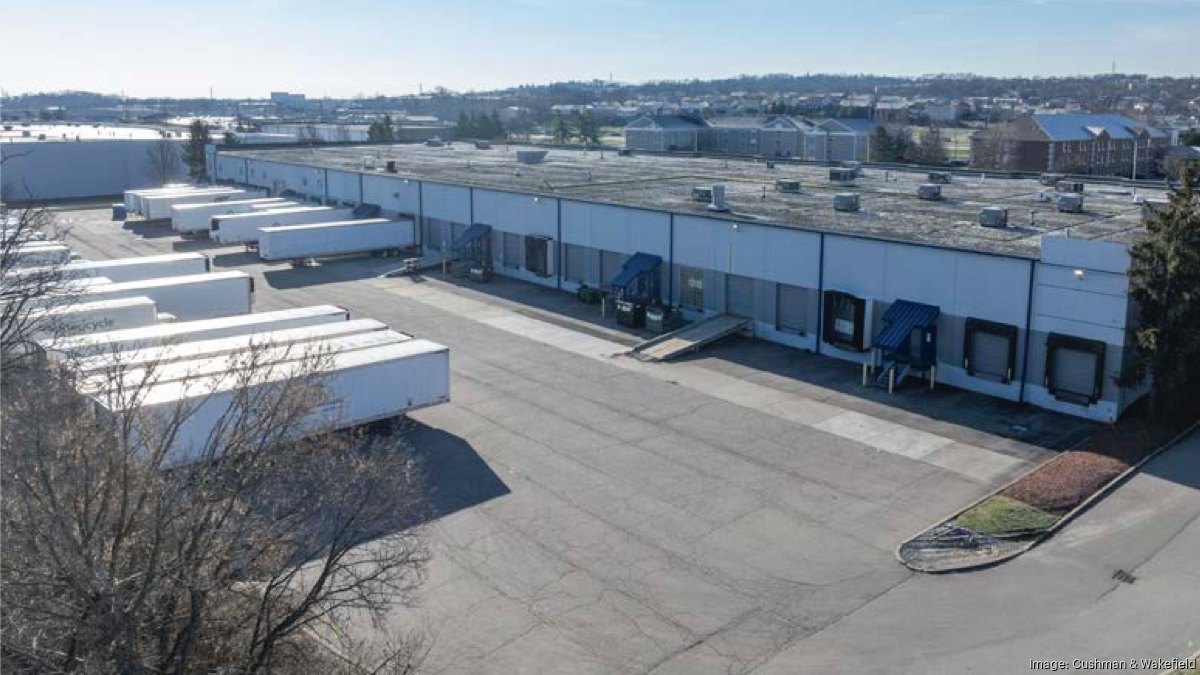 Commercial Real Estate Reits Roofing in Providence, RI
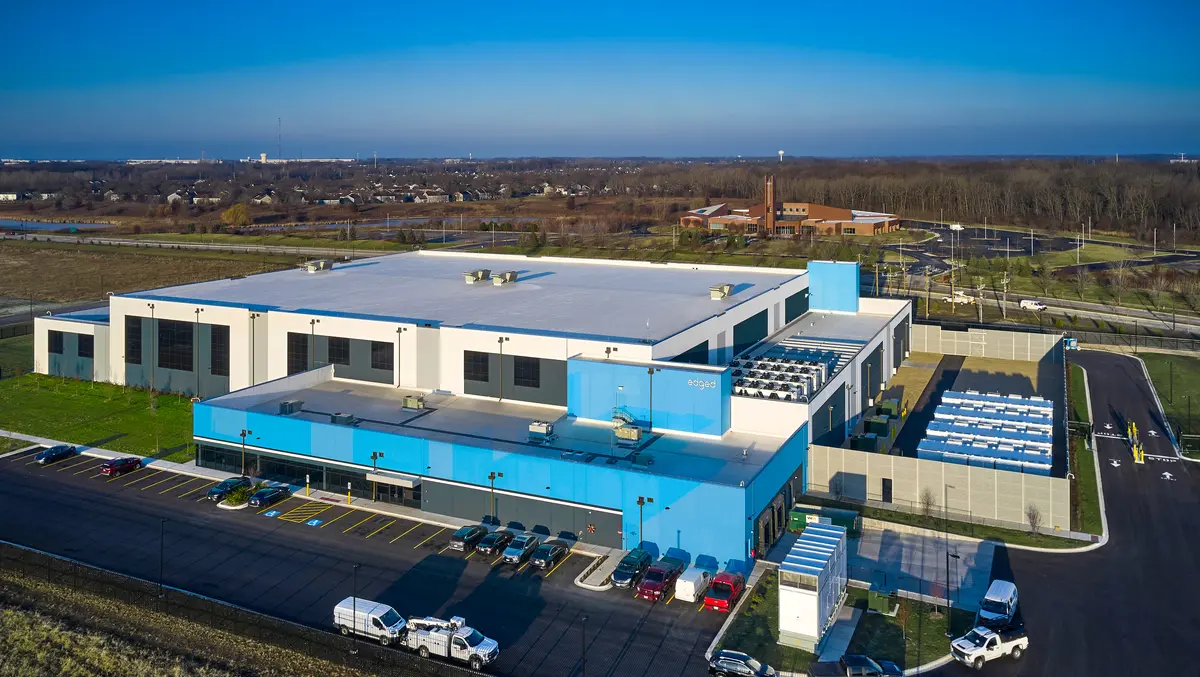 Data Center Operators Roofing in Providence, RI
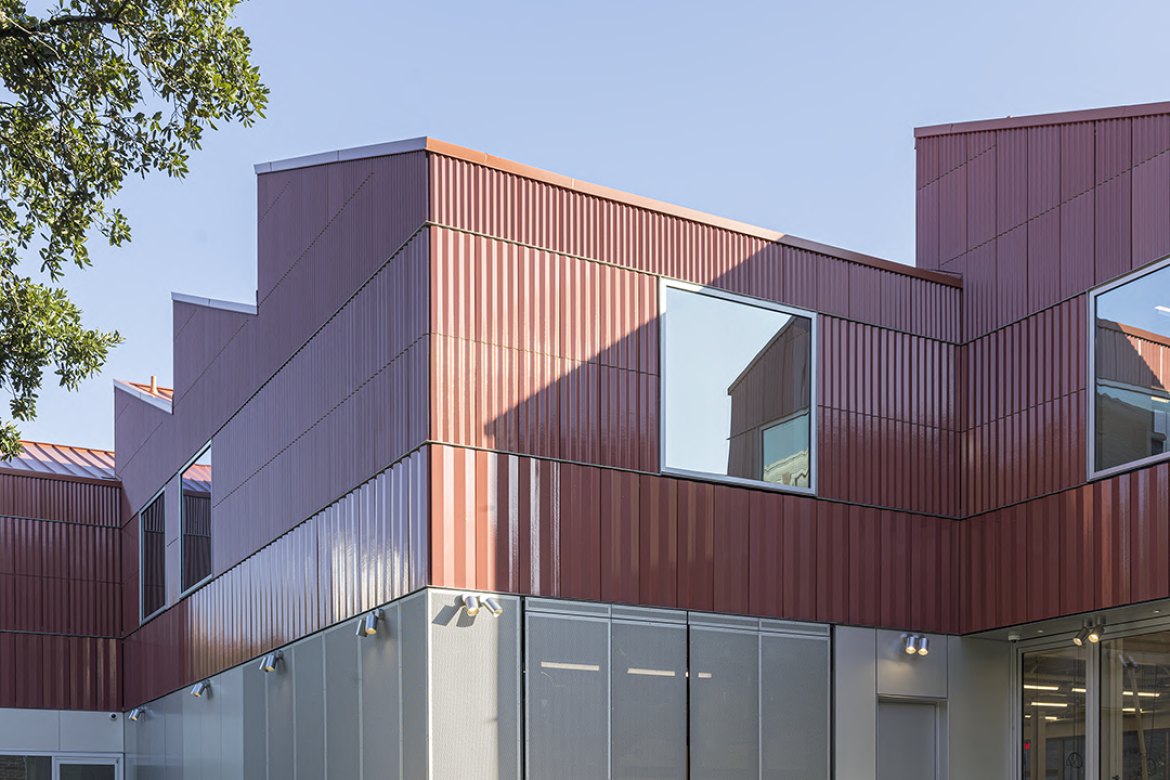 Education Facilities Roofing in Providence, RI
 Food Processing Cold Storage Roofing in Providence, RI
 General Contractors Roofing in Providence, RI
 Government Public Sector Roofing in Providence, RI
 Providence
 Warwick