Roofing for organizations watching every dollar
Non-profits run buildings on budgets that were never built with a roof replacement in mind. A leak in a food pantry, a daycare classroom, or a congregation's sanctuary is not just a maintenance item; it threatens the program the building exists to serve. We work with churches, private schools, shelters, museums, arts organizations, and community centers across Rhode Island, and we treat the roofing budget the way the organization does: as money that came from donors, grants, and members who expect it spent carefully.
We serve non-profits in all 39 towns, from neighborhood organizations in Providence and Pawtucket to historic meeting houses in South County and small-town congregations across the state. The buildings range from century-old masonry to mid-century cinder-block additions to modern community facilities, and the right roof for each is rarely the most expensive one.
The buildings non-profits tend to occupy
Older and historic structures
Many Rhode Island non-profits operate out of buildings that predate most of the building occupants by a century, including former industrial buildings in the old textile-mill towns of Woonsocket and West Warwick that have been converted into offices, studios, and program space. These come with aging low-slope roofs, irregular framing, and details that do not match anything in a modern catalog. Steeples, slate sections, parapets, and additions built in different decades all meet on one roof. We assess each part on its own terms and propose work that respects the structure and the budget rather than forcing a one-size approach onto a building that was never standardized.
Schools, halls, and community buildings
Other organizations work from large flat-roofed buildings such as parish halls, gyms, classroom wings, and converted commercial space. Here the issues are usually drainage, worn single-ply or built-up membranes, and years of small repairs that need to be replaced by a real plan. Because these buildings hold people every day, scheduling around the calendar matters as much as the work itself.
Honest assessments and clear options
A non-profit board often has to approve roofing spending in a public meeting, and the people voting are not roofers. We make that easier by being plain about what we find and what the choices actually are. On every assessment we lay out:
- The true condition of the roof, with photos and core samples where the situation calls for them, so the board sees the same evidence we do
- What can wait and what cannot, separating an urgent leak from a roof that has a few more good seasons left in it
- Repair versus recover versus full replacement, with the reasoning behind each so the decision is informed rather than rushed
- How a project can be phased across budget years when a single replacement is out of reach right now
We would rather tell an organization that targeted repairs will buy it three more years than sell a replacement it does not yet need. That kind of honesty is how we end up working with the same congregations and boards again when the bigger project finally does come due.
Phasing work to match funding
The reality for most non-profits is that the money arrives in pieces: a capital campaign, a grant cycle, a bequest, a year of disciplined saving. We design roof work to fit that reality. A large building can often be tackled wing by wing or roof section by roof section, with the most failure-prone areas done first and the rest scheduled as funds come in. We document the full scope up front so the organization can carry it into grant applications and donor conversations with real numbers, then we execute it in stages without losing the watertight integrity of the parts not yet replaced.
Building for the New England climate, affordably
Durability is its own kind of stewardship for a non-profit, because the organization cannot afford to do this again soon. Rhode Island roofs take a hard run of weather every year, and we build for it without over-specifying:
- Nor'easters that drive wind and rain into seams and flashings, which means details done right the first time rather than patched later
- Heavy winter snow load that tests both the structure and the drainage paths on flat and low-slope roofs
- Freeze-thaw cycling and ice damming that work water into any opening and lift any detail that traps it
- Salt-laden coastal air for organizations near the water in Newport, on Aquidneck Island, and along the South County shore, which is hard on fasteners, metal edges, and flashings
We match the system to the building and the exposure, choosing materials that will go the distance in this climate rather than the cheapest option that will be back as a problem in a few winters.
Working respectfully in occupied, mission-critical space
A shelter does not stop sheltering, a school does not stop teaching, and a congregation does not skip its services because the roof is being worked on. We plan around the people the building serves. That means coordinating with building occupants on access and noise, sequencing work around services, classes, and program hours, keeping the building dry and secure every night, and being mindful that we are working over spaces where vulnerable people may be present. We keep the site clean and contained so the organization can keep doing its work while the roof gets fixed above it.
Maintenance that stretches the budget further
The single best way for a non-profit to protect its roof is to stop small problems before they become capital problems. We set up simple, affordable maintenance programs with seasonal inspections, drain and gutter clearing ahead of the snow season, and prompt attention to opened seams and failed sealant. For an organization with limited reserves, catching a five-dollar problem before it becomes a five-figure one is exactly the kind of leverage a tight budget needs. Documented inspections also give the board a clear record for planning and for any insurance or grant requirements.
Serving Rhode Island non-profits statewide
We work with mission-driven organizations throughout the state, large and small, well-resourced and stretched thin. The buildings vary, but the goal is consistent: keep the facility dry and safe, protect the program inside it, and spend the organization's money with the same care its supporters did when they gave it. Whether you are facing an urgent leak, planning a phased replacement around a capital campaign, or simply trying to understand the condition of a roof you are responsible for, we can give you an honest assessment and a plan that fits what your organization can actually do.
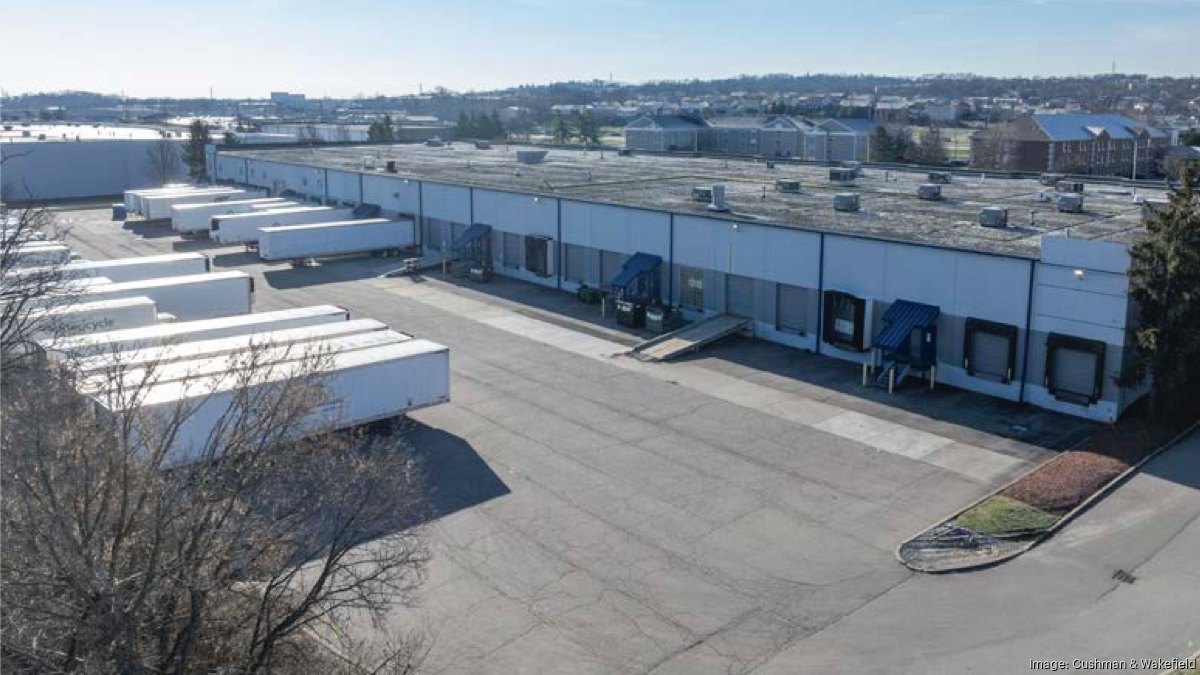 Commercial Real Estate Reits Roofing in Providence, RI
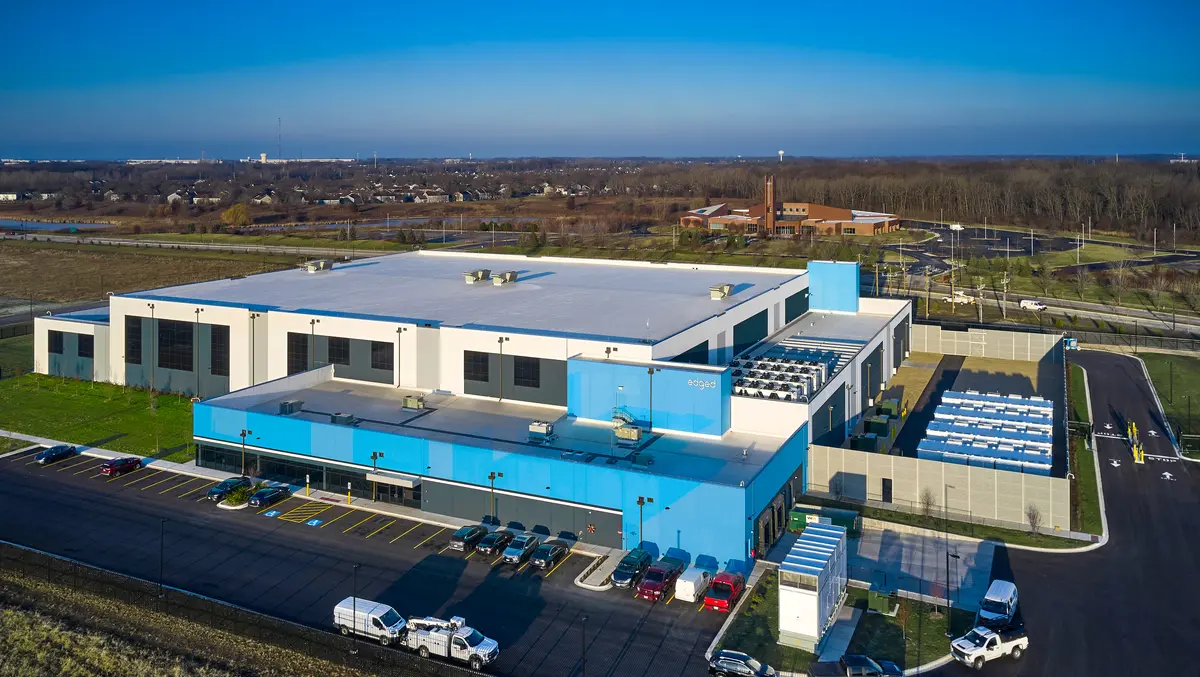 Data Center Operators Roofing in Providence, RI
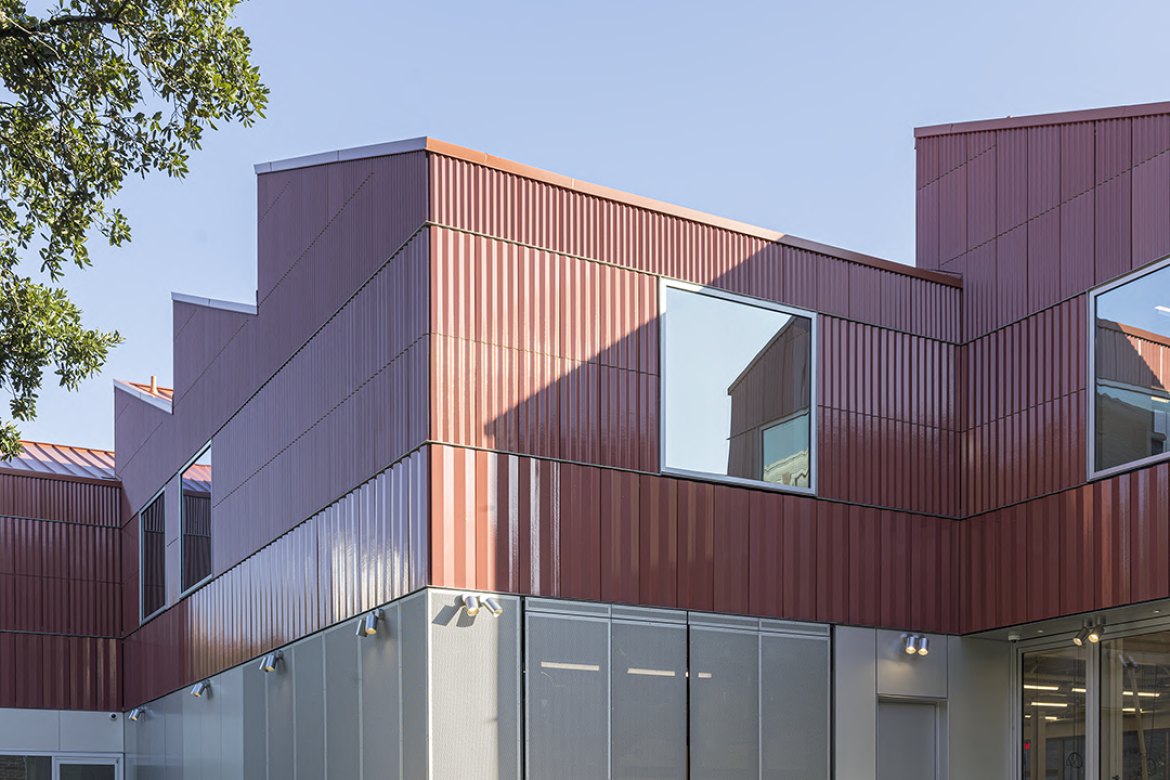 Education Facilities Roofing in Providence, RI
 Food Processing Cold Storage Roofing in Providence, RI
 General Contractors Roofing in Providence, RI
 Government Public Sector Roofing in Providence, RI
 Providence
 Warwick