
Roofing built for Rhode Island's churches, parishes, and faith campuses
Houses of worship are some of the oldest standing buildings in the state, and they rarely have a single roof. A parish in Providence might pair a steep slate sanctuary roof with a flat-roofed parish hall, a connector to a rectory, and a low-slope addition that was tacked on decades later. We work with congregations, dioceses, temple boards, and facility committees across all 39 Rhode Island towns to keep these mixed assemblies watertight without forcing a faith community into spending it does not have.
The pressures on a religious property are specific. Budgets are set by committees and tied to giving cycles, so a roof failure that arrives mid-winter cannot simply be paid for on the spot. Many of these buildings carry historic significance to their neighborhoods, which means a repair has to respect the original materials and lines rather than slapping a generic membrane over everything. And the buildings are occupied on a predictable rhythm, so the work has to be sequenced around services, funerals, weddings, and the schools and food pantries that so many congregations run out of the same campus.
The building stock we see across the state
Rhode Island's religious architecture spans centuries, and each era brings its own roofing problem. The granite and brownstone churches downtown and along the East Side often carry original or early-replacement slate with copper valleys and built-in gutters that have been patched for generations. The mill-town parishes of Pawtucket, Woonsocket, Central Falls, and West Warwick were built to serve textile workers and tend to be large, masonry-heavy structures with slate or standing-seam roofs and flat-roofed annexes. Mid-century and newer congregations across Cranston, Warwick, and the suburbs are more likely to sit under low-slope membranes that were never detailed for New England snow.
- Slate and tile sanctuary roofs with copper or terne flashings
- Standing-seam and metal roofs on bell towers, spires, and steep gables
- Built-up and modified bitumen on older flat-roofed halls and connectors
- EPDM and TPO on parish centers, gymnasiums, classroom wings, and additions
- Internal gutters, scuppers, and parapet details that funnel water through the structure
Steeples, towers, and bell-tower flashings
The most common point of failure on a Rhode Island church is not the broad roof field; it is everything vertical. Steeples, bell towers, dormers, and crosses create transitions where masonry meets metal, and those joints take the full force of wind-driven rain off the bay and the open coast. When the flashing at a tower base or a louver opening starts to fail, water travels down inside walls and shows up as stains far from the actual leak, sometimes near pipe organs, plaster ceilings, or stained-glass surrounds that are expensive and irreplaceable.
We approach tower and steeple work as flashing and water-management projects first. That means tracing where water actually enters, rebuilding counterflashing into sound masonry, reworking louver and clock-face details, and making sure valleys and crickets behind the tower shed water cleanly instead of pooling against the wall.
Slate repair without a full tear-off
A failing slate roof does not always mean the whole roof is finished. On many of the older sanctuaries we look at, the slate itself is still sound and the real problems are the fasteners, the underlayment at the eaves, and the copper valleys and flashings that have corroded through after a century of freeze-thaw. We can replace broken and slipped slates, rebuild valleys, and address ice-dam-prone eaves so a congregation gets decades more out of a roof rather than financing a premature replacement. When slate truly is at the end of its life, we lay out the realistic options, including synthetic slate, so the committee can weigh appearance, longevity, and cost honestly.
Flat-roofed halls, classrooms, and additions
The low-slope portions of a faith campus often get neglected because they are out of sight behind a pitched front. Yet the parish hall, the gymnasium, the classroom wing, and the connector between buildings are frequently where the active leaks live. These roofs collect snow, hold ponding water at clogged internal drains, and suffer from seams and flashings that were never built for the loads a New England winter delivers. We survey these areas as carefully as the showpiece sanctuary, because a leak over a fellowship hall or a preschool classroom disrupts ministry just as much as one over the altar.
Working around an active congregation
A church is not a job site that empties out at five o'clock. There are daily masses, weekend services across multiple traditions, weddings booked a year out, funerals scheduled on short notice, and tenant ministries like food pantries, twelve-step groups, and day schools that meet in the building all week. We plan staging, debris handling, and noisy work around that calendar, coordinate with the facility committee on which entrances stay open, and protect interior finishes, organs, and pews during the work. The goal is a roof project the congregation barely notices until the leaks are gone.
Winter, the coast, and a century of weathering
Two forces drive most of the failures we repair on Rhode Island faith buildings. The first is winter: nor'easters dump heavy, wet snow, and the long freeze-thaw season works ice into every open joint and pries up flashings. Ice dams form readily along the deep eaves of older masonry churches and back water up under slate and into the building. The second is the coast: congregations on Aquidneck Island, in Newport, and across South County contend with salt air that accelerates corrosion of the copper, terne, and steel that historic roofs depend on. We detail repairs and replacements with both realities in mind, choosing flashings and assemblies that hold up to salt and the snow loads these buildings actually carry.
Phased plans that respect a faith budget
Most congregations cannot reroof an entire campus in one season, and they should not have to. We help facility committees build a phased plan that stabilizes the worst leaks first, then sequences the larger work over several giving cycles or around a capital campaign. That might mean securing steeple flashings and the parish-hall membrane this year, addressing slate valleys next year, and reserving the full sanctuary replacement for when the funds are in hand. Each phase is scoped so it stands on its own and does not have to be undone later, and we document conditions so the committee can show stewards exactly where their money is going.
Serving faith communities statewide
We provide roofing services to religious organizations throughout Rhode Island, from the historic downtown Providence congregations and the hospital-district institutions to the mill-town parishes of the Blackstone Valley and the coastal churches of Newport and South County. Whether you oversee a single historic sanctuary or a multi-building campus with a school and offices attached, we can assess the full roof system, prioritize the work, and keep your community dry through the next New England winter.
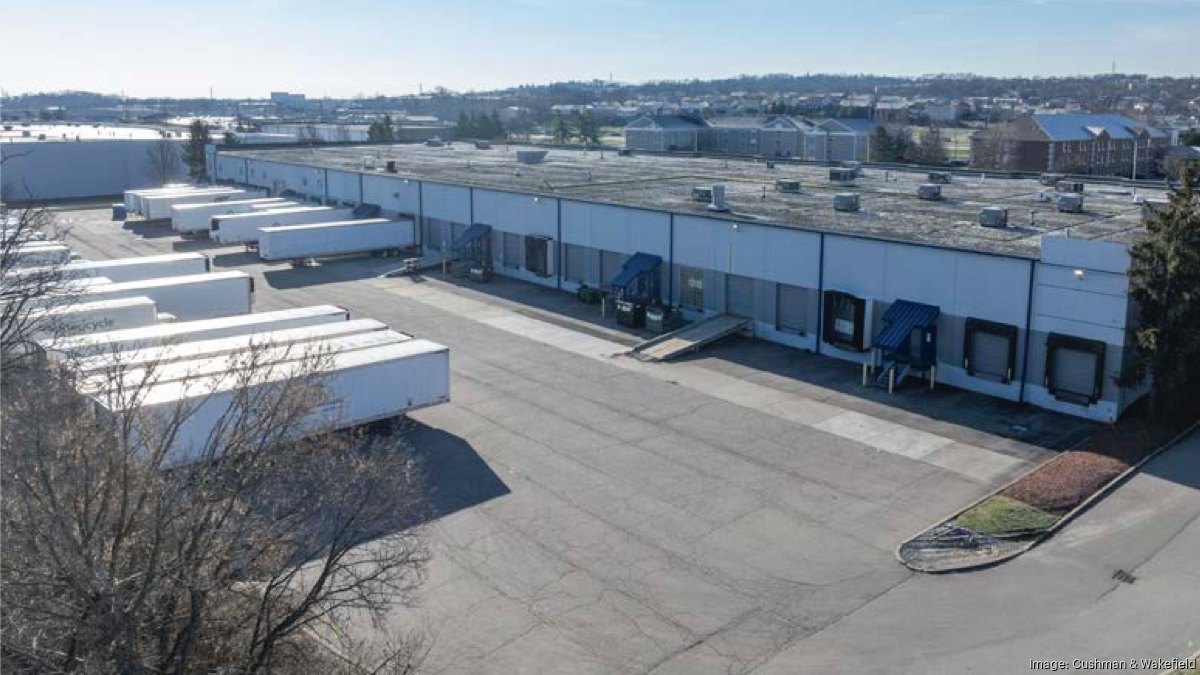 Commercial Real Estate Reits Roofing in Providence, RI
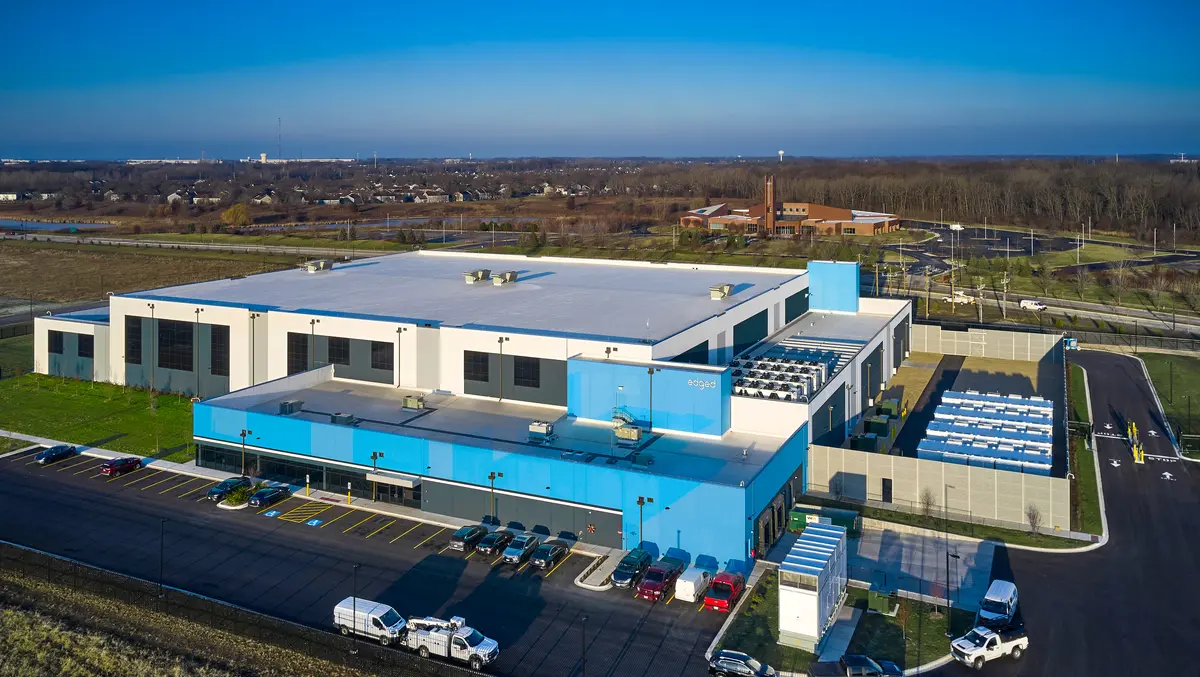 Data Center Operators Roofing in Providence, RI
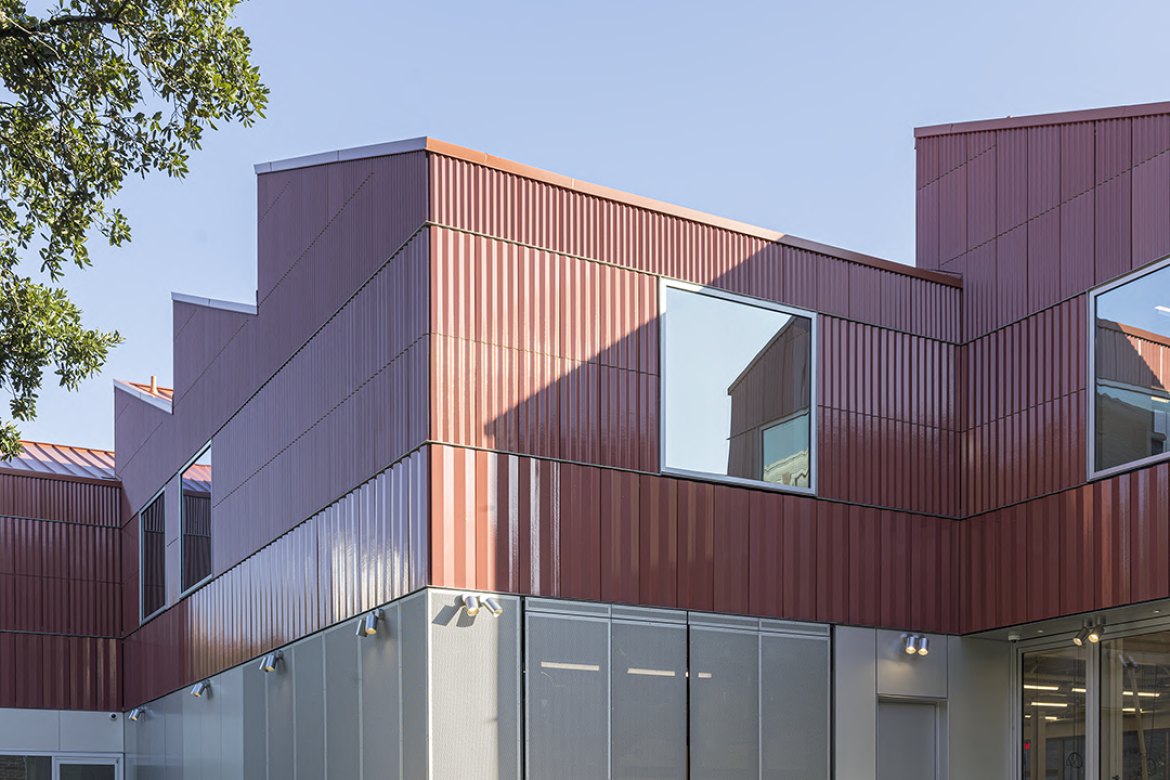 Education Facilities Roofing in Providence, RI
 Food Processing Cold Storage Roofing in Providence, RI
 General Contractors Roofing in Providence, RI
 Government Public Sector Roofing in Providence, RI
 Providence
 Warwick