Roofing Built for Airport Terminals and Aviation Facilities
An airport terminal roof carries demands that an ordinary commercial building never sees. Hundreds or thousands of people pass beneath it every day, ticketing halls and concourses run on uninterrupted HVAC, and a single leak over a security checkpoint or baggage carousel can ripple into delays that touch the whole operation. We install and reroof low-slope membrane systems on terminal buildings, concourses, hangars, and ground-support structures throughout Rhode Island, from T.F. Green territory in Warwick out to the smaller general-aviation fields that dot the state. Every detail is planned around the reality that the building stays open while we work above it.
Because terminals tend to be wide, sprawling roofs broken up by clerestory glazing, mechanical penthouses, and long runs of rooftop ductwork, we treat the roof as a system rather than a single field of membrane. The flashings around curbs, the transitions where canopy roofs meet the main structure, and the drainage that has to clear fast during a downinstall all get the same attention as the open field.
Why Terminal Roofs Are Different
Three things separate an aviation roof from a standard warehouse or retail job. The first is occupancy. We phase work so that active gates, concourses, and public areas stay dry and operational, often sequencing a large roof into zones that follow the building's least-busy hours. The second is rooftop traffic. Terminals carry heavy mechanical loads, communications equipment, and frequent service access, so we specify walkway pads, reinforced membranes, and protection layers at every point a technician is likely to step. The third is glare and reflectivity. Control towers and aircraft movement areas mean reflective surfaces have to be chosen thoughtfully, and we work with reflective membrane colors and surfacing that balance energy performance against any glare concerns near active airfield zones.
We also build for interruption tolerance. A terminal cannot simply close because weather rolls in. Our crews stage materials and maintain temporary protection so that an exposed area can be buttoned up quickly when a New England system moves through faster than forecast.
Membrane Systems We Install on Aviation Buildings
The right system depends on the deck, the existing assembly, and how the building is used. We commonly install:
- TPO and PVC single-ply for large concourse and terminal fields, where heat-welded seams give a monolithic, watertight surface and reflective white membranes cut cooling load over high-traffic public spaces.
- Modified bitumen on smaller, complex roof areas and over occupied spaces where a redundant, multi-ply assembly adds an extra margin of protection.
- EPDM where a proven, long-lived rubber membrane suits mechanical yards, hangar roofs, and support buildings.
- Fluid-applied and reinforced flashing systems for the dense field of penetrations, antenna mounts, and equipment curbs that aviation rooftops accumulate.
On every system we pay close attention to the insulation package and vapor control, because terminals run high interior humidity loads from crowds and food service, and a poorly detailed vapor path shows up as condensation and premature deck corrosion.
Designed for Rhode Island Weather and Operations
Coastal Rhode Island throws a hard combination at any large flat roof. Nor'easters drive wind-borne rain sideways into parapets and curb flashings, so we upgrade perimeter attachment and corner fastening to the wind zones a fully exposed airfield site actually sees. Winter brings sustained snow load and the freeze-thaw cycling that opens up tired seams and lets water track under the membrane. We design drainage and tapered insulation to move meltwater off the roof before it refreezes at the eaves and around scuppers, and we keep snow-load realities front of mind when we evaluate an aging assembly that was never built for today's accumulation.
For facilities closer to the bay, airborne salt accelerates corrosion on fasteners, edge metal, and any exposed steel. We specify coated and stainless hardware and corrosion-resistant edge details on coastal sites so the weak point of the roof isn't the metal holding it down.
Phased Work That Keeps the Terminal Running
A reroof over a working terminal is a logistics project as much as a roofing project. We build a sequence that protects passenger flow, maintains emergency egress, and keeps baggage and security operations dry from the first day to the last. Staging areas, crane and hoist placement, and material delivery windows are all coordinated around the building's schedule rather than ours. When a roof has to be torn off, we never open more than we can make watertight before the next weather window, and we keep night and off-peak crews available where the operation calls for it.
Inspections, Moisture Surveys, and Capital Planning
Many terminal roofs reach us partway through their service life, with isolated wet areas hidden under otherwise sound membrane. We run infrared and core-sample moisture surveys to map exactly where insulation has taken on water, so a facilities team can decide between targeted replacement of wet zones and a full system replacement. That mapping feeds a realistic capital plan, letting an airport budget reroofing across fiscal years instead of reacting to the next leak. For owners managing multiple buildings on a single campus, we can document the whole roof inventory in one assessment.
Service Across All 39 Rhode Island Towns
We cover aviation and large institutional roofs statewide, across every one of Rhode Island's 39 cities and towns. That includes the main commercial corridor around Warwick and the Providence metro, the industrial buildings at and around Quonset Business Park in North Kingstown, and the coastal facilities on Aquidneck Island and through South County where salt exposure changes how a roof has to be built. Whether the project is a full terminal reroof, a hangar membrane replacement, or emergency repair over an active concourse, we bring the same attention to keeping the building open and dry.
What to Expect From Us
- A roof assessment that documents the existing assembly, drainage, and problem areas before any system is recommended.
- A membrane and insulation specification matched to the deck, the occupancy, and the exposure.
- A phasing and safety plan that keeps passengers, building occupants, and operations protected throughout the work.
- Detailing at curbs, penetrations, and perimeters built for full wind exposure and New England winters.
If you manage a terminal, concourse, hangar, or support building anywhere in Rhode Island, we can walk the roof, map its condition, and lay out a path that fits both your operations and your budget.
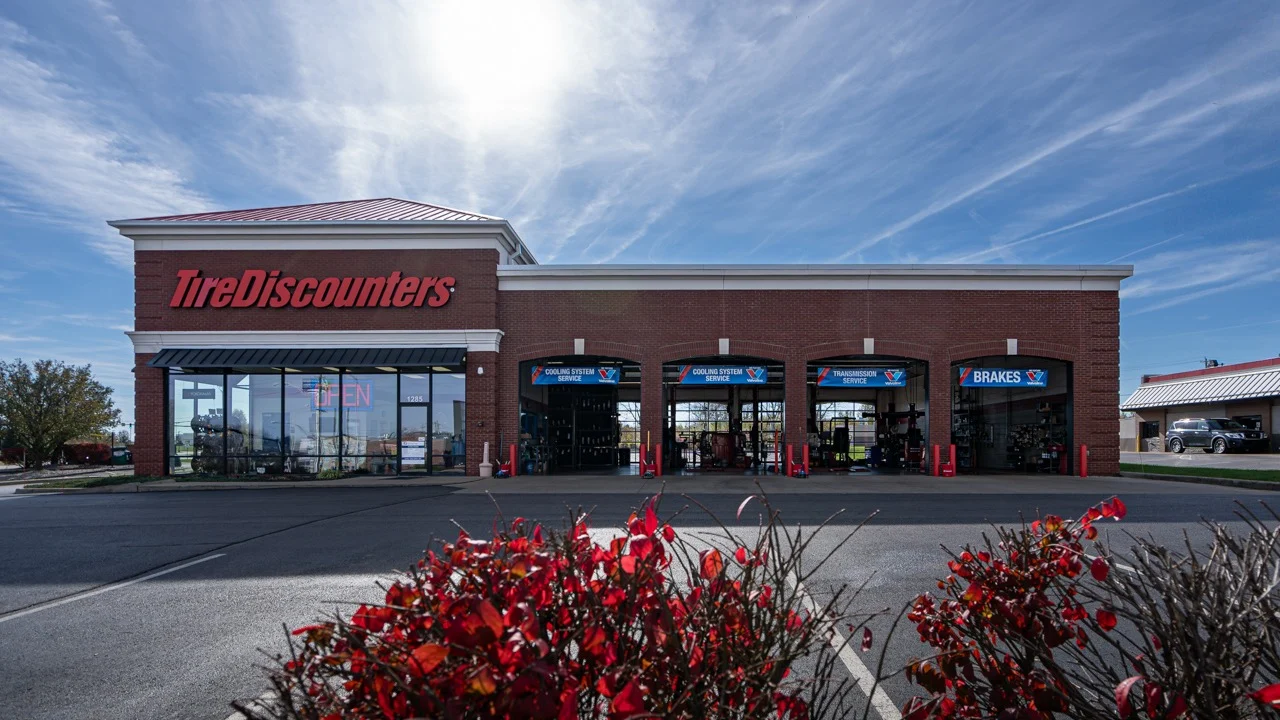 Auto Dealership Roofing in Providence, RI
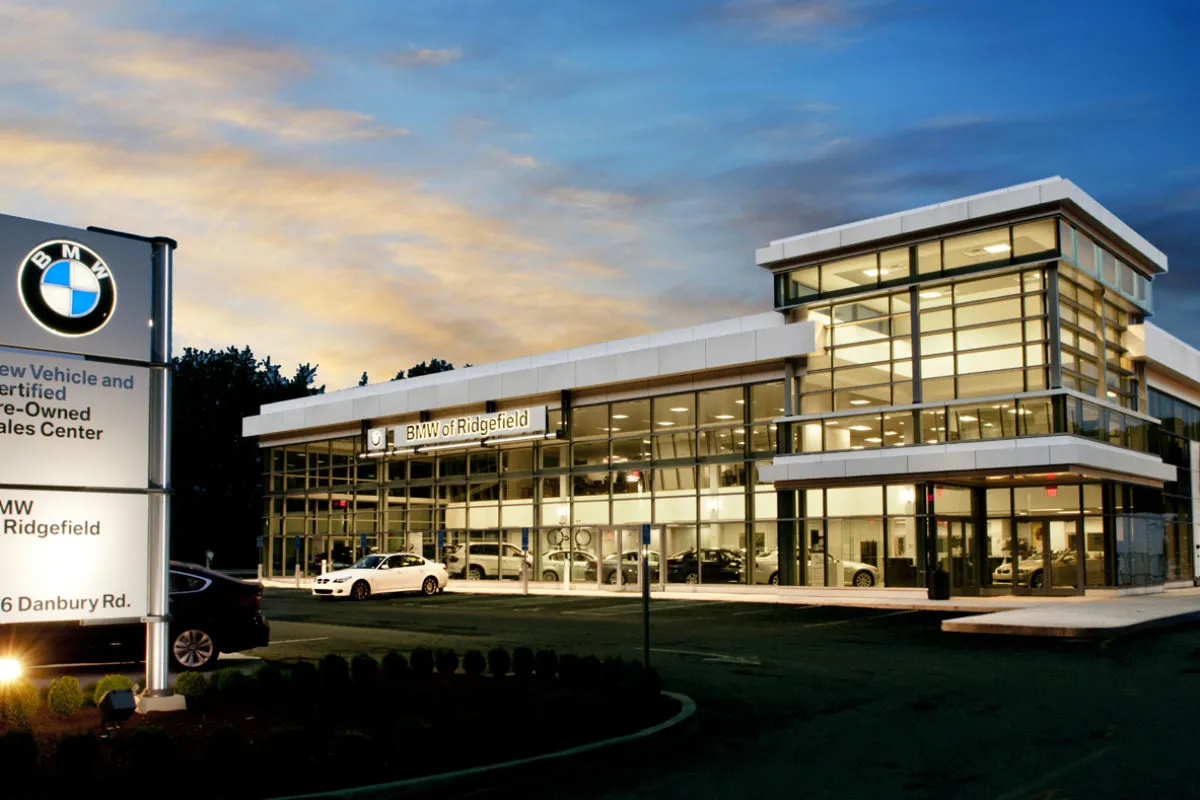 Automotive Manufacturing Roofing in Providence, RI
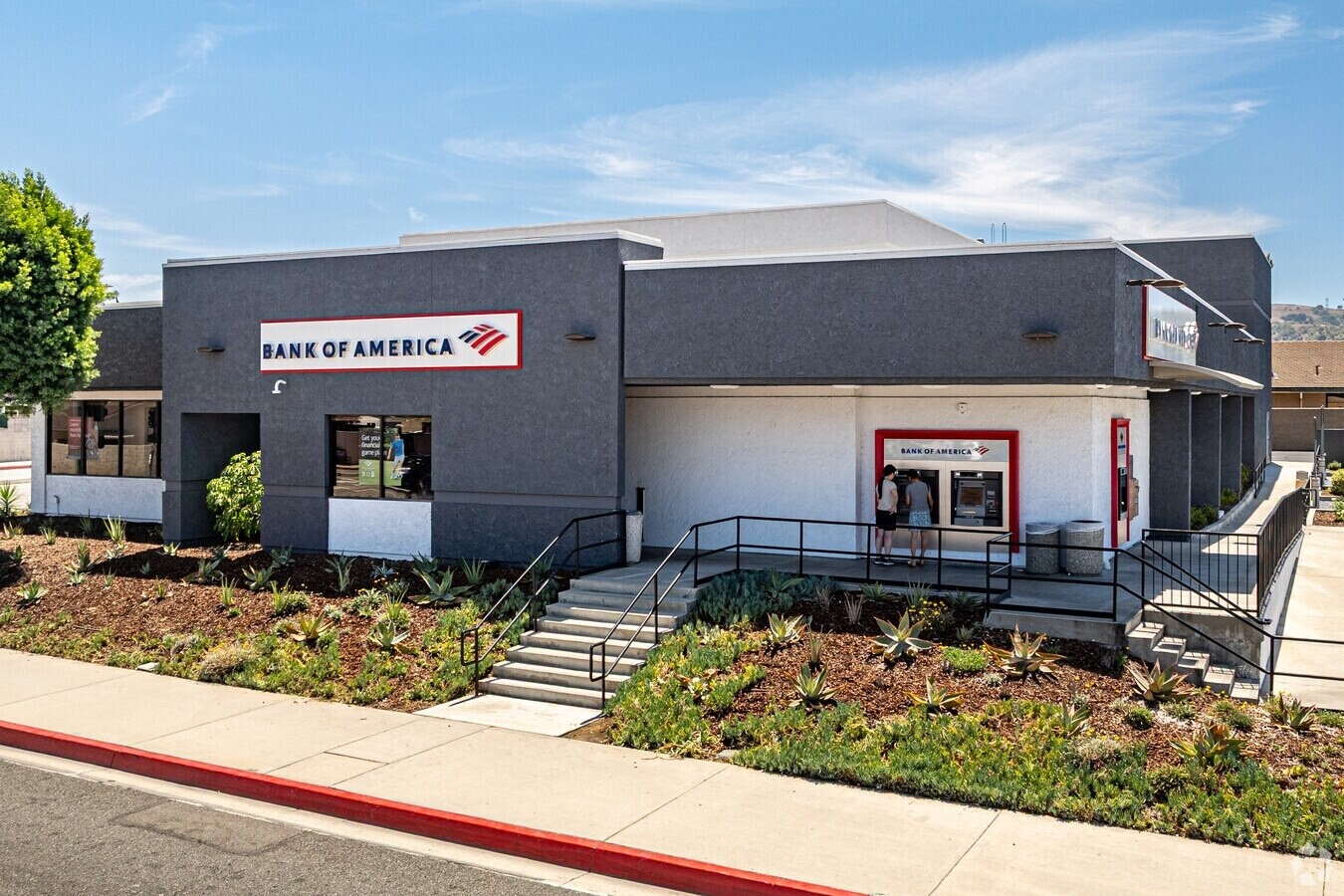 Bank Financial Building Roofing in Providence, RI
 Big Box Retail Roofing in Providence, RI
 Brewery Distillery Roofing in Providence, RI
 Car Wash Facility Roofing in Providence, RI
 Providence
 Warwick