Roofing Built for the Wet, Corrosive World Inside a Car Wash
A car wash punishes its own roof from underneath. Tunnel washes, self-serve bays, and detail shops generate warm, chemical-laden vapor all day, and that vapor rises straight into the deck, the insulation, and the underside of the membrane. Soap surfactants, tire-shine solvents, presoak acids, and brine carried in off winter roads all ride the steam upward. We roof car wash facilities across Rhode Island with that interior environment as the starting point, because a roof spec written for a dry warehouse will rot out over a wash bay in a fraction of its rated life.
We work all 39 cities and towns in the state, from high-traffic wash corridors on Bald Hill Road in Warwick and Post Road through Cranston, to the express tunnels going up along Route 2 in the southern part of the state. Wherever the building sits, the problem on a car wash roof is the same: keep an aggressive interior atmosphere from destroying the assembly, while the outside of that same roof takes everything a New England winter throws at it.
Why Car Wash Roofs Fail Early
The single biggest killer is trapped moisture. Hot, humid air inside the tunnel meets a cold deck in January, and condensation forms inside the roof assembly where you cannot see it. Without a properly detailed vapor retarder and the right insulation, that condensation soaks the boards, corrodes the steel deck, and drips back down looking exactly like a roof leak. Owners call us about "leaks" that are actually interior condensation, and the fix is an assembly problem, not a patch.
We also see these specific failure points on Rhode Island wash buildings:
- Corroded fasteners and rusted-through steel decking directly over the tunnel, where vapor concentration is highest
- Failed sealant at every pipe, vent, and equipment curb, attacked by chemical mist from below and UV from above
- Blistered and degraded membrane where reclaim-system and blower exhaust vents the warmest, dirtiest air
- Ponding water over the equipment mezzanine that freezes, thaws, and works seams loose all winter
- Soft, saturated insulation that has lost its R-value, driving up the cost of keeping the wash from freezing up
Membranes and Details That Hold Up
For most car wash roofs we recommend a single-ply membrane chosen for chemical resistance and welded seams rather than glued or taped laps. PVC is often the strongest candidate here because it resists the fats, oils, and solvents that other membranes struggle with, and its hot-air-welded seams give a monolithic surface with no adhesive to break down. TPO is a workable option on tighter budgets when the chemical exposure is moderate. Where a building owner wants a coating-based restoration over a sound existing roof, a reinforced silicone or a properly specified system can buy years, but only after we confirm the deck and insulation underneath are dry and structurally sound.
The membrane is only half the job. On a wash building the details carry the roof:
- A continuous vapor retarder sized to the interior humidity, so warm moist air never reaches a cold surface inside the assembly
- Closed-cell or moisture-tolerant insulation that will not wick water and collapse if a small leak ever does start
- Sealed, welded penetration boots and oversized equipment curbs for blowers, reclaim tanks, and exhaust stacks
- Heavy-gauge, corrosion-resistant edge metal and counterflashing, because galvanized steel does not last long in this environment
- Generous slope and oversized drains or scuppers so meltwater and wash overspray clear fast instead of ponding
Standing Up to a Rhode Island Winter
Outside, the roof faces the same nor'easters, heavy snow loads, and freeze-thaw cycling as any low-slope roof in the state, with one twist: the building below is warm and humid, so the snow on a car wash roof melts unevenly. That uneven melt is a recipe for ice damming at the eaves and refreezing at cold edges and overhangs. We design drainage and edge details to move water off fast and detail the perimeter to resist ice damage, so a February thaw does not back water under the membrane. For washes near the coast in Newport, Middletown, or down through South County, we also account for salt-laden air accelerating corrosion on every exposed metal component, and we spec accordingly.
Working Around an Operating Wash
A car wash makes its money in the bays, and every closed hour costs the owner. We sequence reroofs and major repairs to keep as much of the operation running as possible, often working over one bay or one section of tunnel at a time and keeping the conveyor moving. Tear-off debris, hot-work safety around the membrane welding, and protecting equipment below all get planned before we start. When a leak or a torn membrane needs an immediate response, we can dry the roof in fast so the equipment and electrical down in the tunnel stay protected while we scope the permanent repair.
Inspections and Maintenance Worth Doing
Because the interior environment never stops working on the roof, car wash roofs reward regular attention more than almost any other building type. We offer scheduled inspections that check seams, penetration seals, drainage, and the condition of the deck and insulation before a small problem becomes a deck-replacement project. Catching a failed pipe boot or a rusting fastener pattern early is the difference between a service call and a structural repair over a running tunnel.
Getting Started
If you own or manage a car wash anywhere in Rhode Island and you are seeing stains over the tunnel, rust on the deck, ponding over the equipment room, or rising heating costs, send us the building location, the roof's approximate age, and any history of leaks or interior condensation. We will walk the roof, look at the assembly from the inside as well as the top, and give you a straight read on whether you need a targeted repair, a restoration, or a full reroof built to survive the wet, corrosive, freeze-thaw reality of a Rhode Island car wash.
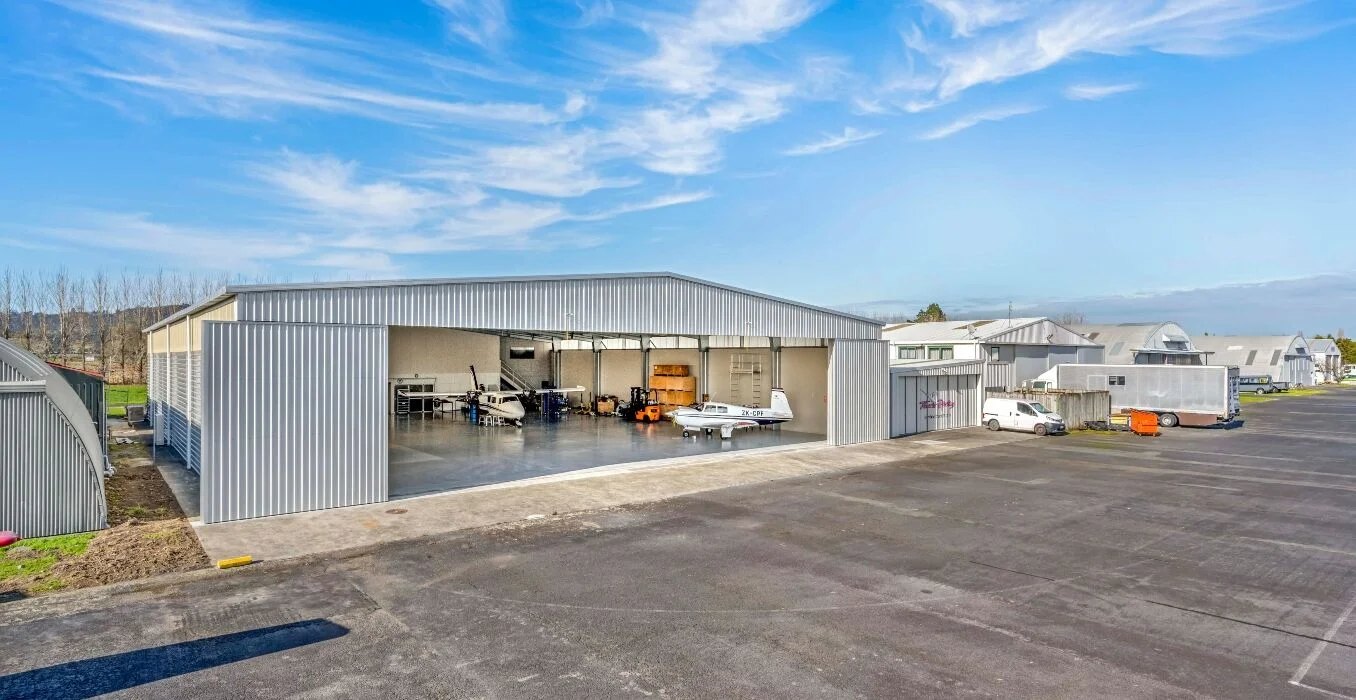 Airport Terminal Roofing in Providence, RI
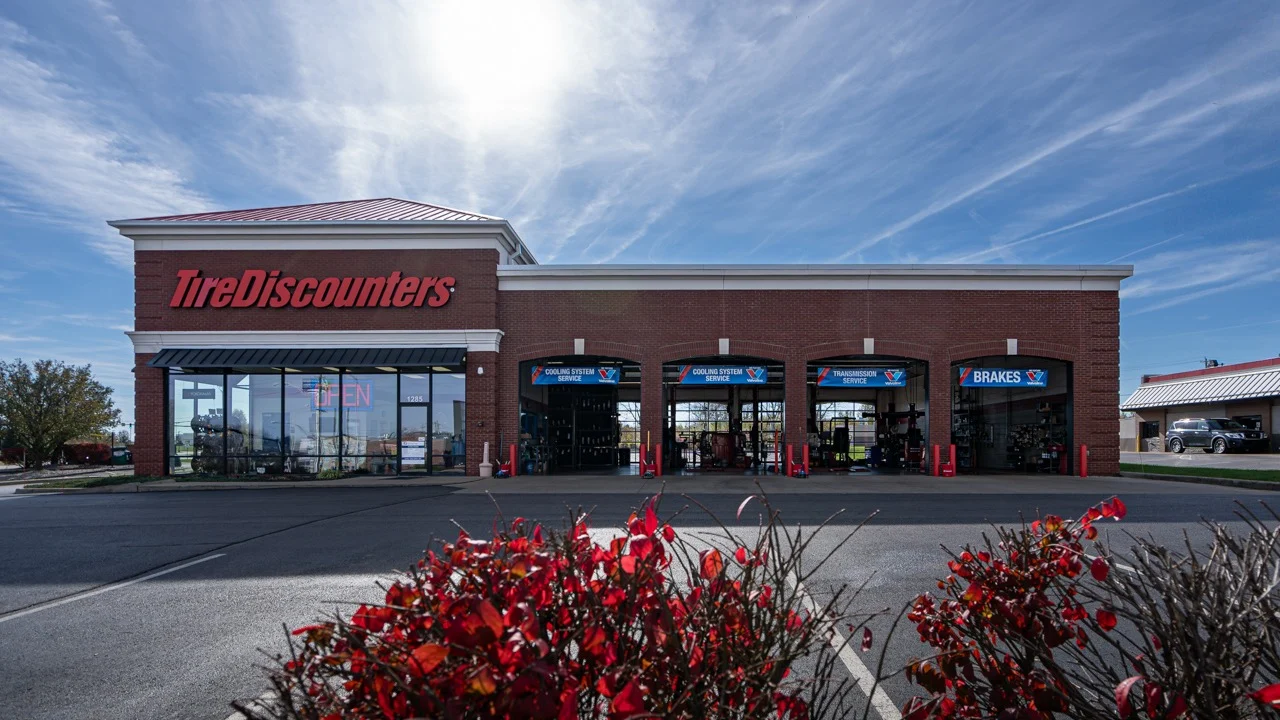 Auto Dealership Roofing in Providence, RI
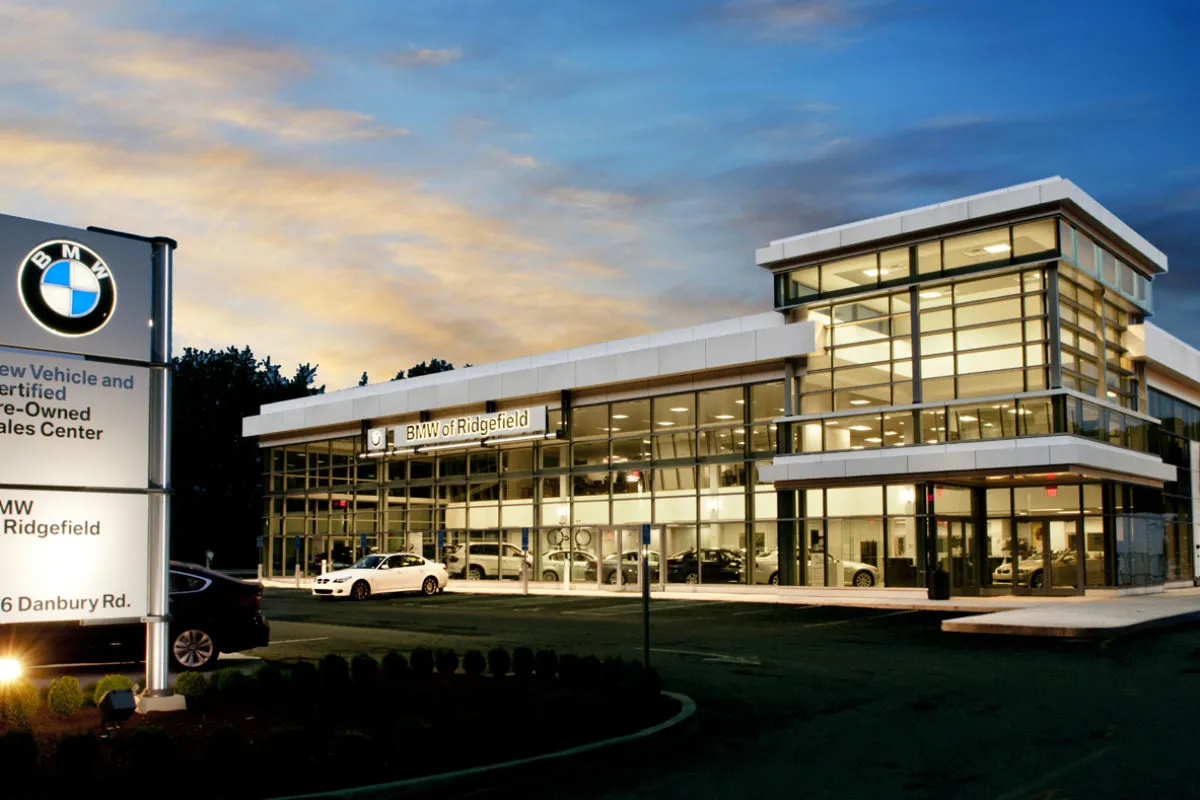 Automotive Manufacturing Roofing in Providence, RI
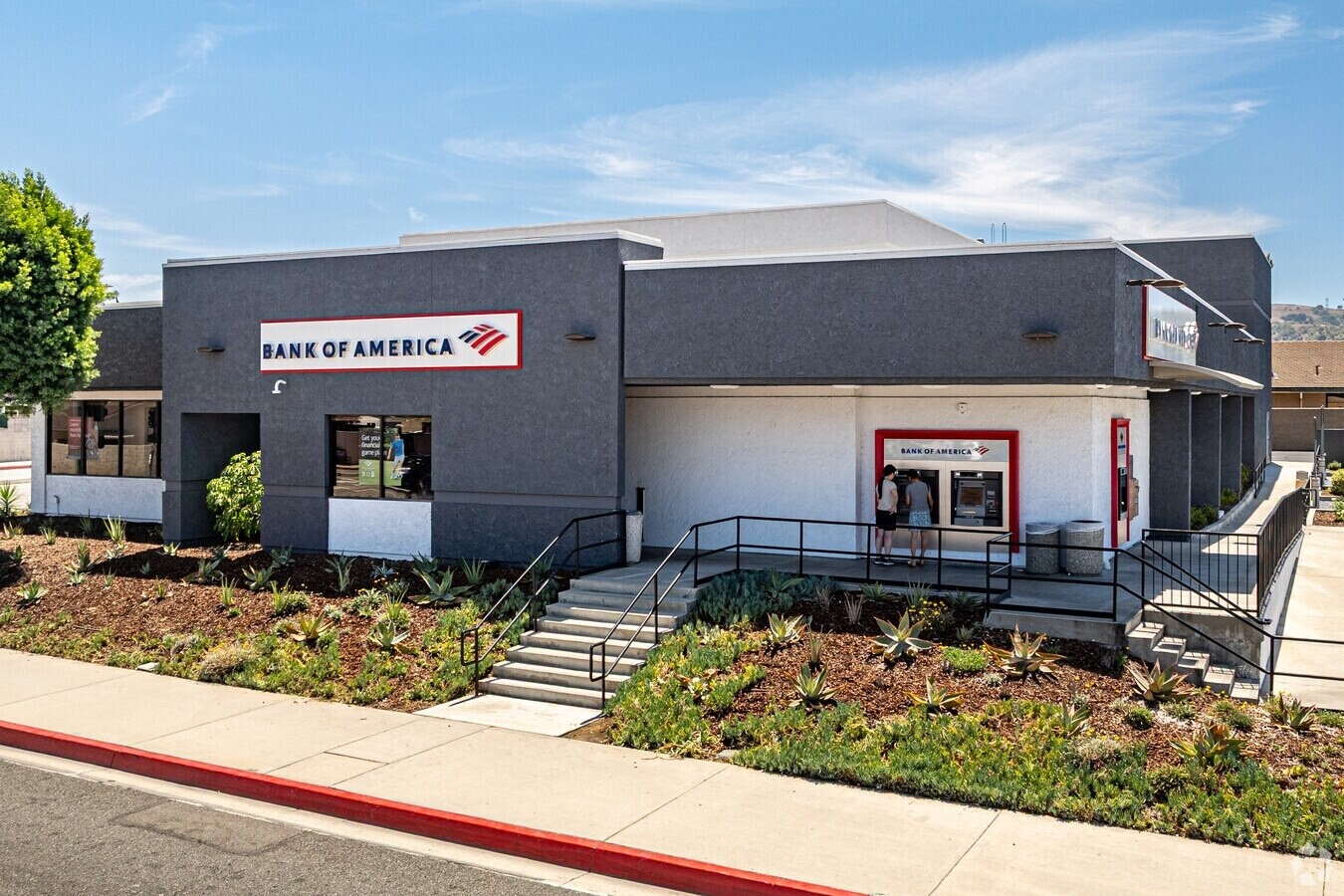 Bank Financial Building Roofing in Providence, RI
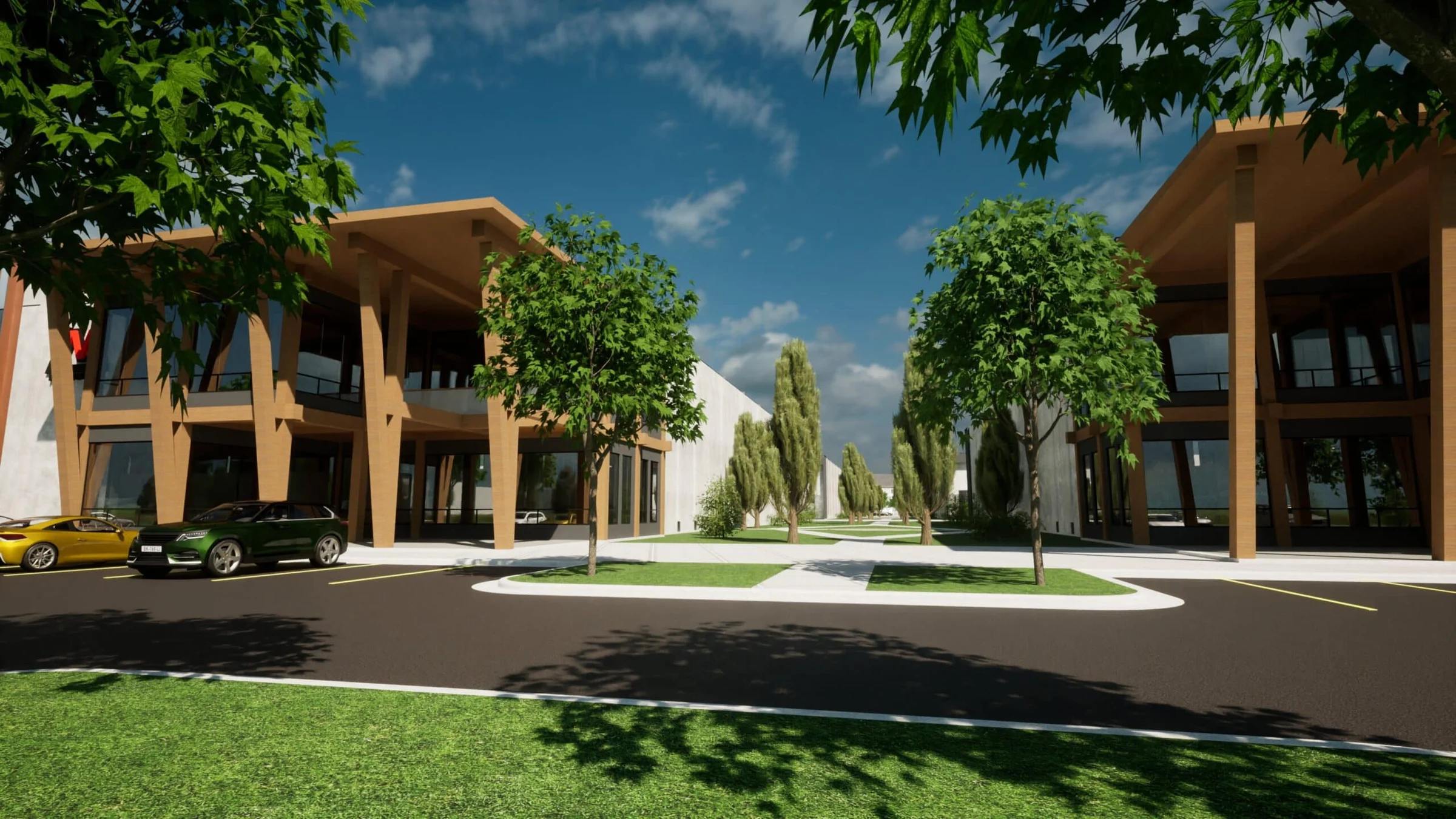 Big Box Retail Roofing in Providence, RI
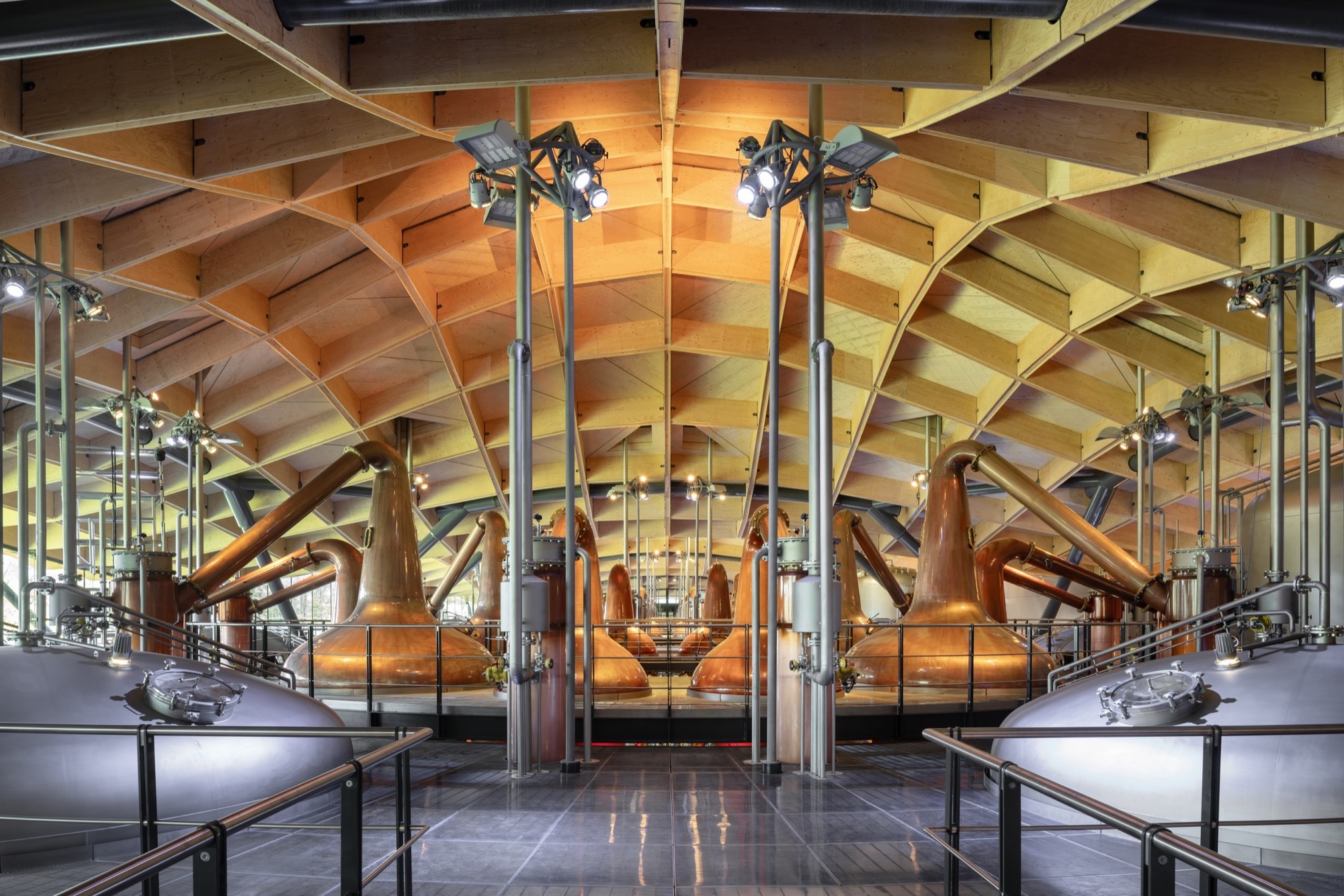 Brewery Distillery Roofing in Providence, RI
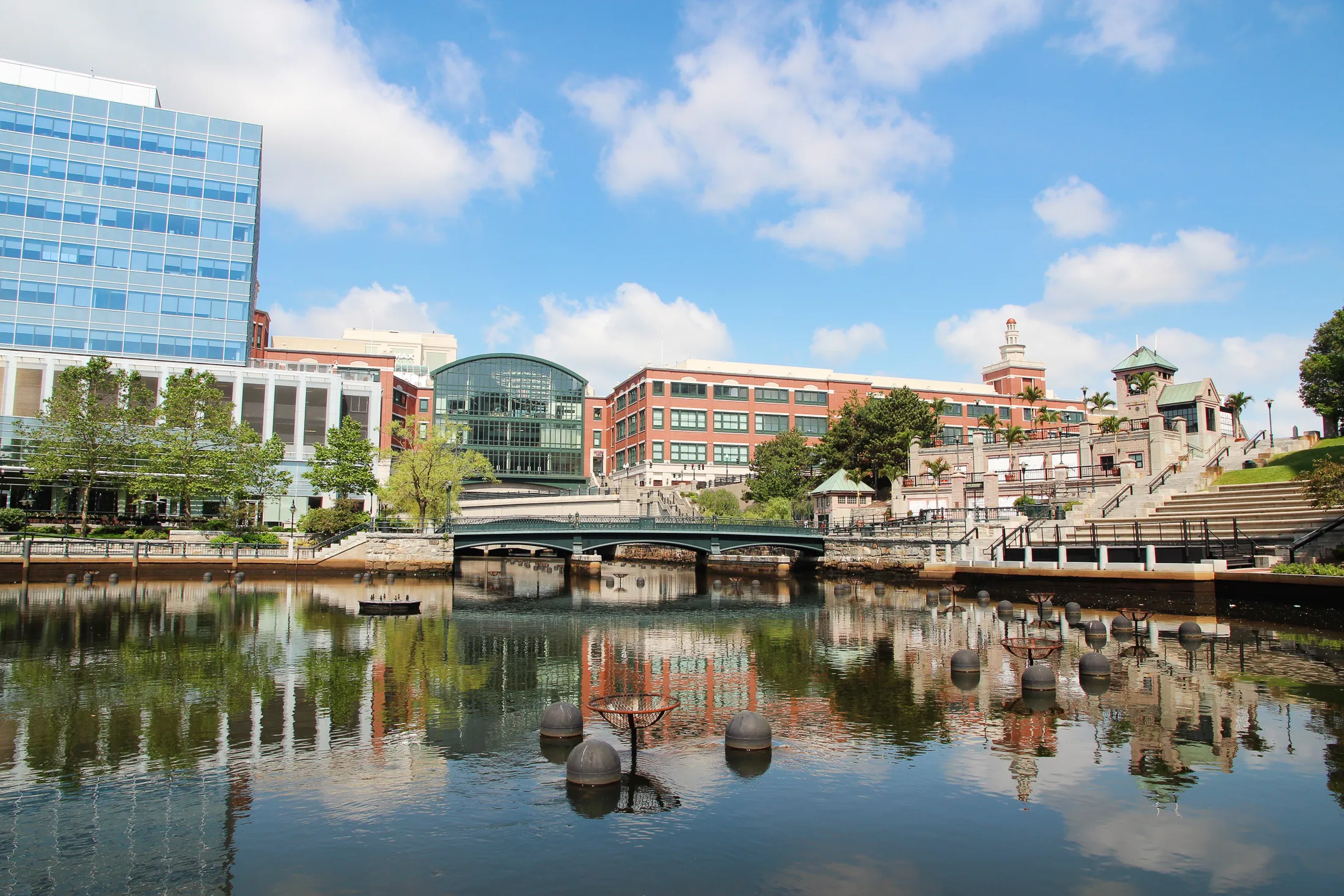 Providence
 Warwick