
Convenience Store Roofing in Rhode Island
A convenience store roof is small, but almost nothing on it is simple. The building is open every hour the rest of the state is asleep, the back half is packed with refrigeration, and the front canopy and signage carry more wind load than the sales floor underneath them. We roof gas-station c-stores, standalone markets, and fuel-and-food combinations across all thirty-nine Rhode Island towns, from the high-traffic corners along Route 2 in Warwick and Cranston to the village stores in South County and the Blackstone Valley. On a footprint this tight, every detail is close to something that matters, and we treat the roof accordingly.
Why C-Store Roofs Fail Faster Than Their Size Suggests
The first reason is the equipment. A convenience store packs walk-in coolers, reach-in compressors, kitchen exhaust, makeup-air units, and refrigeration condensers onto a roof that may be only four or five thousand square feet, which means the penetration density rivals a building ten times larger. Every curb, every refrigerant line set, every gas line and conduit run punches the membrane, and each one is a place water looks for a way in. The flashings around that equipment, not the open field, are where these roofs almost always leak first.
The second reason is grease and heat. If the store cooks, the kitchen exhaust fan deposits a film of grease across the membrane downwind of the hood, and grease degrades the wrong membrane quickly. We look at where the exhaust lands before we specify the sheet, because a roof that ignores the fryer is a roof that fails over the kitchen in a few seasons. The third reason is simply traffic: a small store gets serviced constantly, refrigeration techs and HVAC crews are on the roof more than anyone, and that foot traffic wears the membrane around the units that already carry the most stress.
Convenience Store Buildings We Roof in Rhode Island
- Gas-station c-stores. The fuel-and-food corners on the arterials through Warwick, Cranston, Johnston, and East Providence, where the store roof and the fuel canopy are separate roofing problems that have to be handled together.
- Standalone neighborhood markets. The single-tenant stores and bodegas through Providence, Pawtucket, Central Falls, and Woonsocket, many of them older buildings with low-slope roofs already past their first replacement.
- Village and shoreline stores. The markets serving Westerly, Narragansett, and the Aquidneck Island towns, where salt air off the water corrodes edge metal and fasteners faster than it does inland.
- Combination food-service stores. The growing number of c-stores with a real kitchen, pizza station, or coffee program, where exhaust and makeup-air loads change what the roof has to tolerate.
Protecting the Inventory Underneath
What sits under a convenience store roof is perishable and expensive. A leak over a walk-in cooler is not a stained ceiling tile; it is a refrigeration fault, a health-code problem, and potentially a freezer full of product written off overnight. So we plan the work around what the building protects. We keep the membrane sound and continuous over the cooler boxes and the back-of-house, we detail the cooler curbs and refrigerant penetrations tightly because that is where loss happens, and when we find a soft spot in the deck over the refrigeration, we deal with the wet insulation rather than roofing over it. The point of a c-store roof is keeping the cold side cold and dry, and we build to that.
Systems We Install on Convenience Stores
These are low-slope roofs, and we install and repair the systems that fit a small, equipment-heavy building:
- TPO, a heat-welded reflective membrane that suits most c-store roofs, keeps the back-of-house cooler in summer, and welds cleanly around the dense cluster of curbs and pipes.
- PVC, the choice when a kitchen exhaust puts grease on the membrane, because PVC resists the fats and oils that break down other single-plies near a fryer or hood.
- EPDM, the durable rubber membrane that holds up well on older standalone store roofs and is straightforward to repair on a budget.
- Modified bitumen, a tough multi-ply option where heavy service traffic and tight detailing around equipment call for a redundant, walkable surface.
- Roof coatings, silicone or acrylic systems that restore a sound but weathering store roof and reflect heat off the building without a full tear-off and the disruption that comes with one.
We also handle the steady repair work a store generates between replacements: tracing a leak that shows up over the register but starts at a cooler curb, resealing flashings after a refrigeration unit is swapped, restoring drains and scuppers clogged with leaves and debris, and inspecting the roof on a schedule so a failing seam turns up on a clipboard instead of in the dairy case.
Working Around a Store That Never Closes
Most convenience stores cannot close, and the ones that do close only for a few overnight hours. We plan reroofing and major repairs around that reality. We stage materials and debris so the fuel islands, the front door, and the parking stay open and safe for customers, we keep the roof dried-in over the coolers and kitchen at the end of every workday, and we sequence tear-off so no part of the sales floor is ever left open to the weather. Where the work is loud or dusty over a 24-hour operation, we time the worst of it to the slowest part of the day. A store should get a new roof without losing the traffic that pays for it.
What New England Weather Does to a Small Roof
A convenience store roof is small, but it takes the full New England beating. Nor'easters drive rain sideways into the dense field of flashings and find any curb that was sealed short, and the same storms put serious uplift on the fuel canopy and the rooftop signage, which have far more exposed edge than their size suggests. Heavy, wet snow piles against the rooftop refrigeration units and behind any clogged drain, and the meltwater refreezes at night, so the freeze-thaw cycle works ice into every seam and flashing gap all winter. On the shoreline corners in Westerly, Narragansett, Newport, and Middletown, salt off the water corrodes the edge metal, the fasteners, and the equipment housings faster than anything inland. We detail these roofs for that combination, because on a store this small the leaks always land on the most expensive thing in the building.
Request a Roof Assessment
If you own or operate a convenience store, gas-station market, or neighborhood store anywhere in Rhode Island and you are seeing leaks over the coolers, grease damage near the kitchen, or a small roof simply wearing out, reach out. We will get on the roof, evaluate the flashings around your refrigeration and exhaust where these roofs actually fail, and give you a straight plan that keeps the store open while the work gets done.
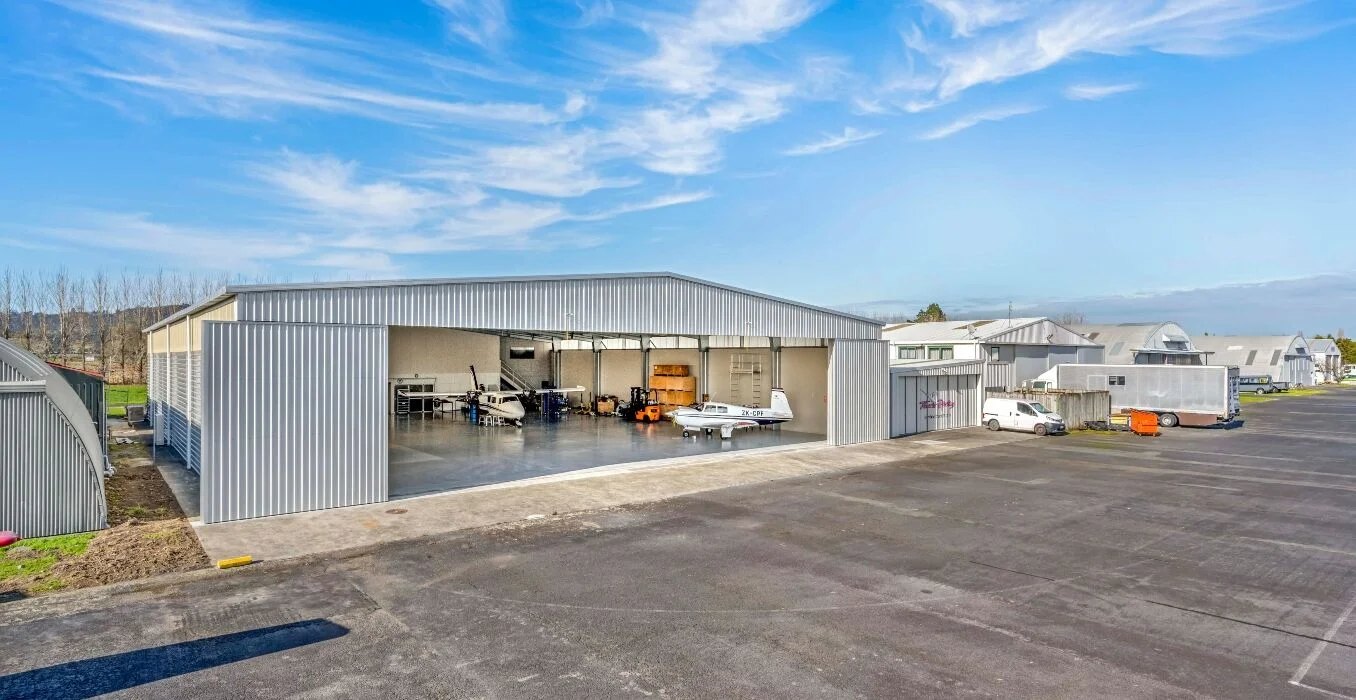 Airport Terminal Roofing in Providence, RI
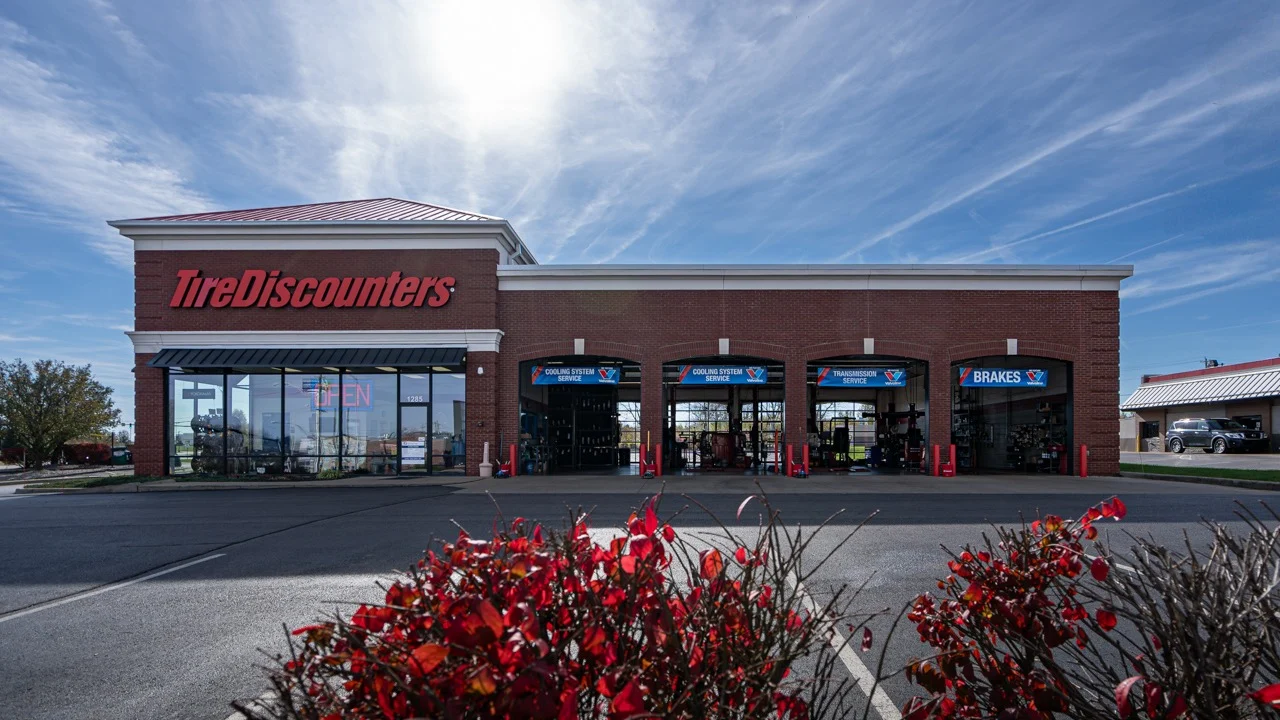 Auto Dealership Roofing in Providence, RI
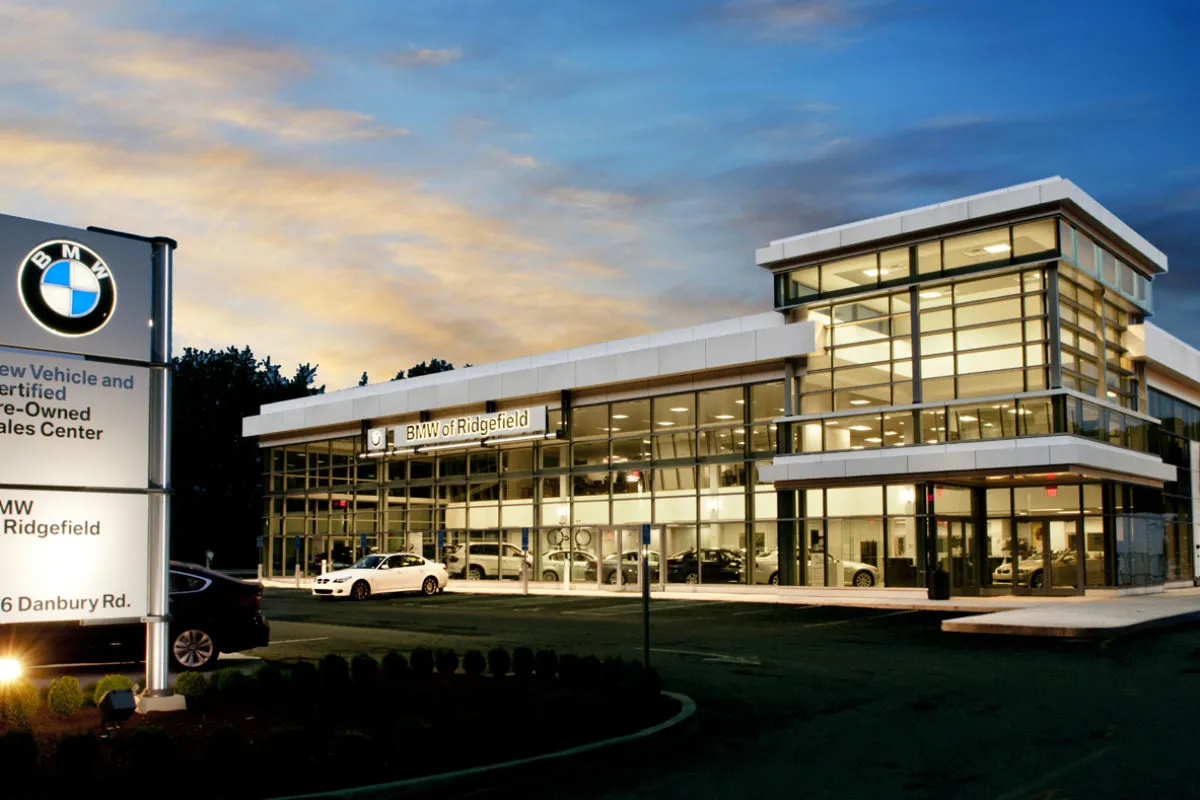 Automotive Manufacturing Roofing in Providence, RI
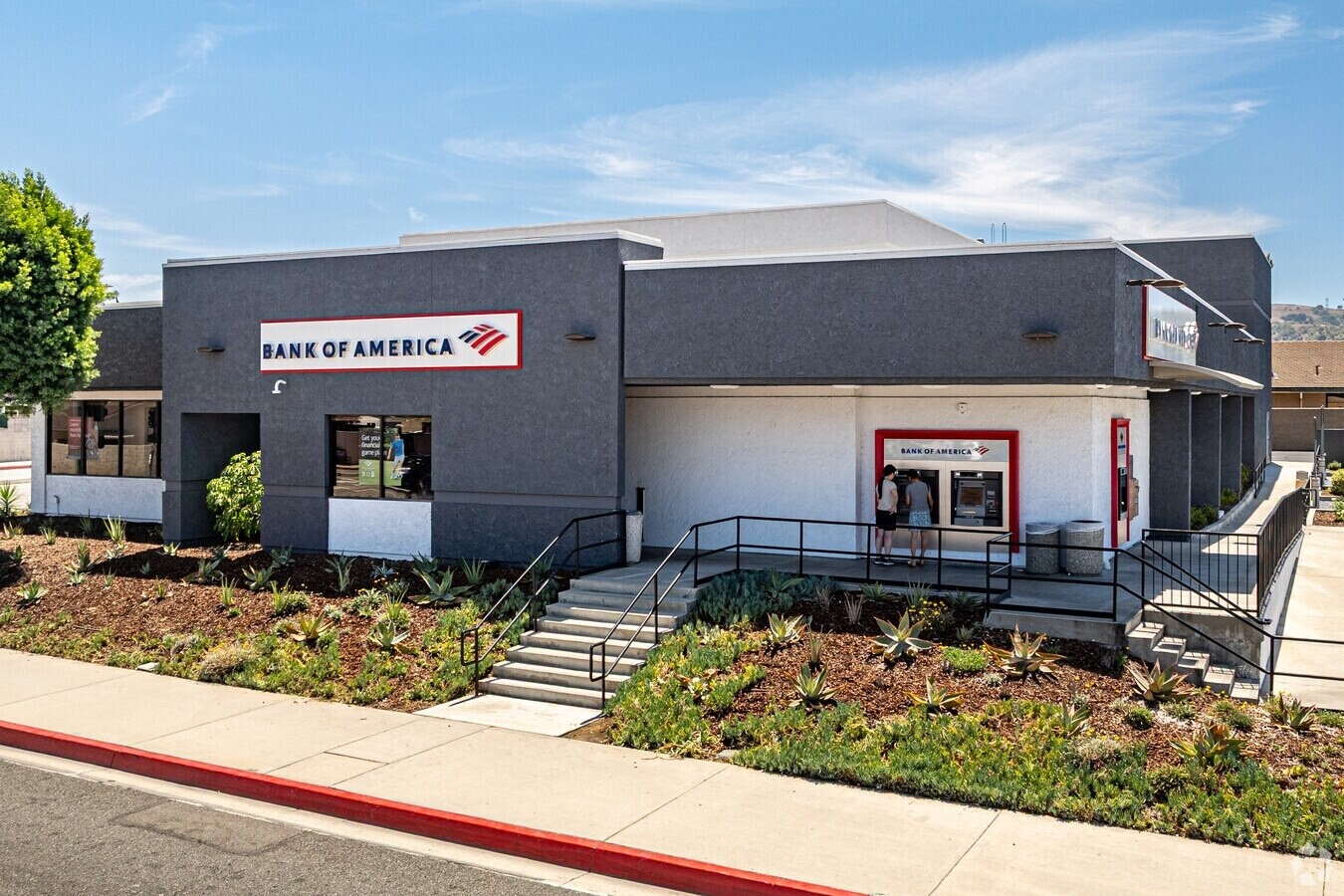 Bank Financial Building Roofing in Providence, RI
 Big Box Retail Roofing in Providence, RI
 Brewery Distillery Roofing in Providence, RI
 Providence
 Warwick