
Roofing a Building That Can Never Stop Responding
A fire station is one of the few buildings where the roof crew has to plan around the fact that the occupants may leave at full speed in the middle of your workday and have to be able to do it again ten minutes later. The apparatus has to roll, the overhead doors have to clear, and the crew quarters have to stay dry and habitable through every shift. We reroof and maintain fire stations across Rhode Island, from career departments in Providence, Cranston, and Warwick to the volunteer and combination companies that cover the smaller towns, and we sequence every project so that response capability is never compromised while we work overhead.
A station is really several buildings stitched together under different roof types. The apparatus bay is a tall, wide-span structure with its own thermal and moisture problems. The living quarters, kitchen, bunkroom, and day room sit under a more conventional low-slope or pitched roof that has to stay quiet and dry over sleeping crews. Many older stations also carry a hose-drying tower or a bell tower, and those tall, exposed elements leak in ways the rest of the building never does. We map all of it before we recommend a system.
The Apparatus Bay Is the Hardest Roof in the Building
Apparatus bays are deceptively demanding. They are heated intermittently, the big doors open and dump conditioned air and pull in cold, and diesel exhaust and washdown humidity load the space with moisture that wants to condense on the underside of a cold deck. A roof and insulation package that ignores that vapor drive will sweat, soak its insulation, and rot from the inside while the membrane above still looks fine. We specify the insulation, vapor control, and ventilation for how a bay actually behaves, not for a generic warehouse, so the assembly stays dry through a Rhode Island winter of repeated door cycles and freeze-thaw.
The bay roof is also crowded. Exhaust-extraction systems, makeup-air units, plumbing vents, and antenna and radio penetrations all puncture the membrane, and each one is a leak path directly over running apparatus and the bay floor. A drip onto a truck, onto turnout gear, or into the electrical and air systems that keep the rigs ready is not an inconvenience here, it is a readiness problem. We detail every curb and penetration tightly and keep the field of the roof drained so water never sits over the most critical space in the station.
Overhead Doors and the Roof-to-Door Transition
The header above each overhead door is a chronic weak point. It carries a long structural span, it flexes as the doors cycle, and the roof or parapet above it has to shed water away from an opening that is constantly in motion. We pay particular attention to the flashing and counterflashing across the door headers and at the tall front wall of the bay, because wind-driven rain off a nor'easter finds these transitions first and runs straight down into the door tracks and the bay below.
Living Quarters Have to Stay Dry, Warm, and Quiet
Behind the bays, crews eat, sleep, and wait through long shifts, and that part of the station deserves a roof that keeps it comfortable. A leak over a bunkroom or day room is a morale and habitability problem, not just a maintenance ticket. These sections usually carry low-slope membrane or, on older stations, a pitched roof over occupied space, and the priorities are a tight, well-insulated assembly and quiet performance so rain and hail on the membrane do not keep an off-duty crew awake. We match the system to the deck and the use, and we protect the interior finishes during the work since these rooms are lived in around the clock.
Working Without Taking a Station Out of Service
The constraint that defines fire-station roofing is that the building cannot close. We coordinate directly with the department so the apparatus apron, the bay doors, and the crew's path to the rigs stay clear at all times. We never tear off more roof than we can make watertight the same day, and we stage material, crane picks, and debris removal so an alarm can drop and the trucks can roll without weaving through our operation. When a section sits over the bunkroom or the watch desk, we protect what is below before the first fastener comes out. The objective is a finished roof and a department that stayed fully in service every single day of the project.
Coordinating Around Shifts and Alarms
We plan the loud, disruptive phases of the work around shift changes and the realities of station life where we can, and we keep our crew briefed on what to do when an alarm sounds so the apron clears instantly. Radio antennas, sirens, and rooftop warning equipment get identified and protected up front, because knocking out a station's communications to fix its roof defeats the purpose.
What the New England Climate Does to a Station Roof
The weather here is hard on the broad, flat bay roofs and the tall towers that stations are built with. Heavy snow loads pile up and sit for weeks on low-slope roofs, and the wide clear span of an apparatus bay is exactly the kind of structure where snow load and drifting deserve real attention. As that snow melts and refreezes through repeated freeze-thaw cycles, ice dams form along the eaves and back water up under the roofing. Nor'easters drive rain sideways into the tall front wall of the bay and into any hose-drying or bell tower. For coastal departments on Aquidneck Island, in Newport, and across South County, salt in the air corrodes rooftop metal, fasteners, and the antenna hardware faster than it does inland, and we specify and detail for that exposure rather than against a calm inland day.
Reroofing, Restoration, and Maintenance for Stations
Most station roofs we look at do not need a full tear-off, and we will tell you when they do not.
- Full reroofing of apparatus bays and quarters when the existing assembly is saturated or at the end of its life, with insulation and vapor control matched to how each space is used
- Coating and restoration that adds reflective, seamless life to a weathered but sound bay roof at a fraction of replacement cost and disruption
- Leak diagnosis and targeted repair around the dense cluster of exhaust, antenna, and mechanical penetrations over the bays
- Tower and high-flashing work on hose-drying and bell towers that the rest of the station never needs
- Scheduled inspection and maintenance that catches a tired flashing or a clogged drain before it becomes a leak over a running rig
Public Buildings, Public Budgets
Most stations are municipal buildings funded by a town or fire-district budget, and the people deciding on a roof are often a chief, a finance officer, and a board answering to taxpayers. We try to be straightforward about what genuinely needs attention now versus what can be monitored, and we document the roof's condition and the work we perform so a department has a clear record for budgeting, for warranty claims, and for any storm-damage question that comes up later. When a full replacement is warranted, we lay out the system options and the trade-offs in plain terms so a department or district can make a decision it can defend in public.
What a Station Assessment Covers
- Condition of the apparatus-bay roof, its insulation, and signs of trapped moisture or condensation
- Integrity of the door-header and front-wall flashing where the bay meets the overhead doors
- The dense field of mechanical, exhaust, and antenna penetrations and their flashings
- Tower, parapet, and high-flashing condition at exposed elevations
- Roof condition and quiet performance over occupied bunk and day rooms
If your department is dealing with a stained bunkroom ceiling, a bay that sweats in the winter, or a tower you cannot safely reach, we are glad to come out and look. Contact us to schedule a fire-station roof assessment anywhere in Rhode Island, and we will keep your crews in service while we get the building dry.
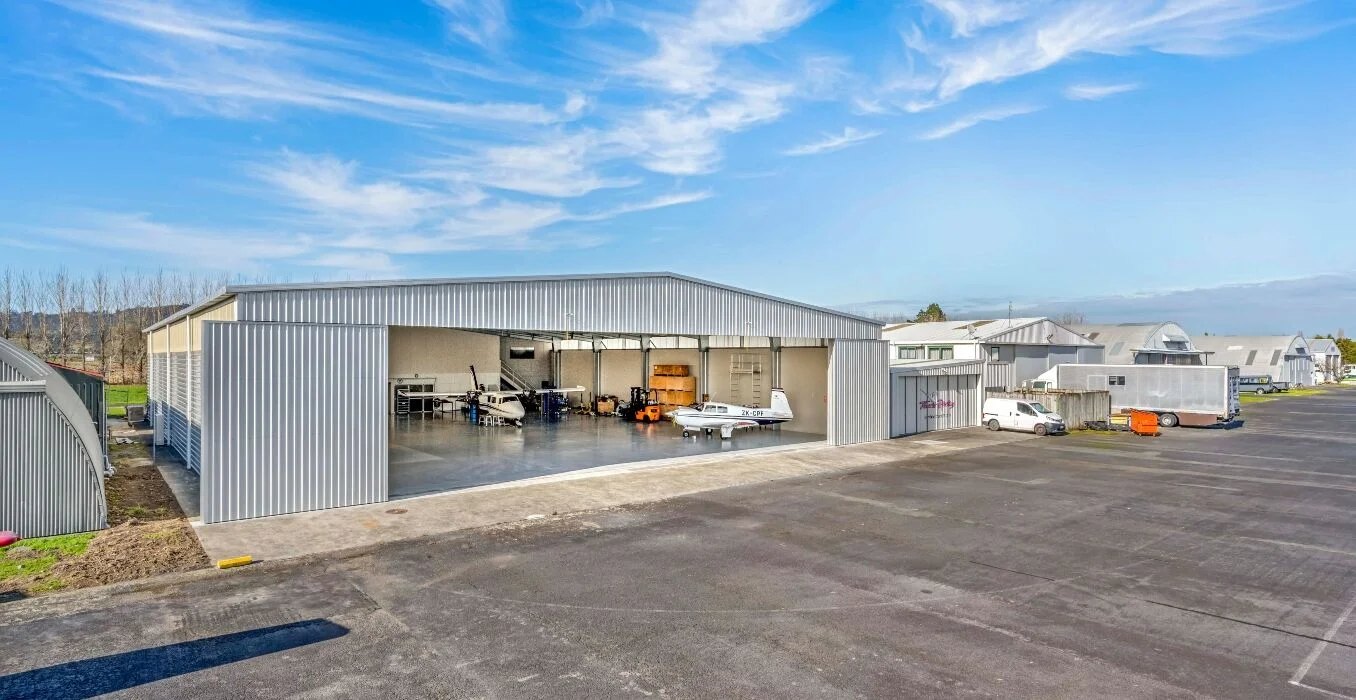 Airport Terminal Roofing in Providence, RI
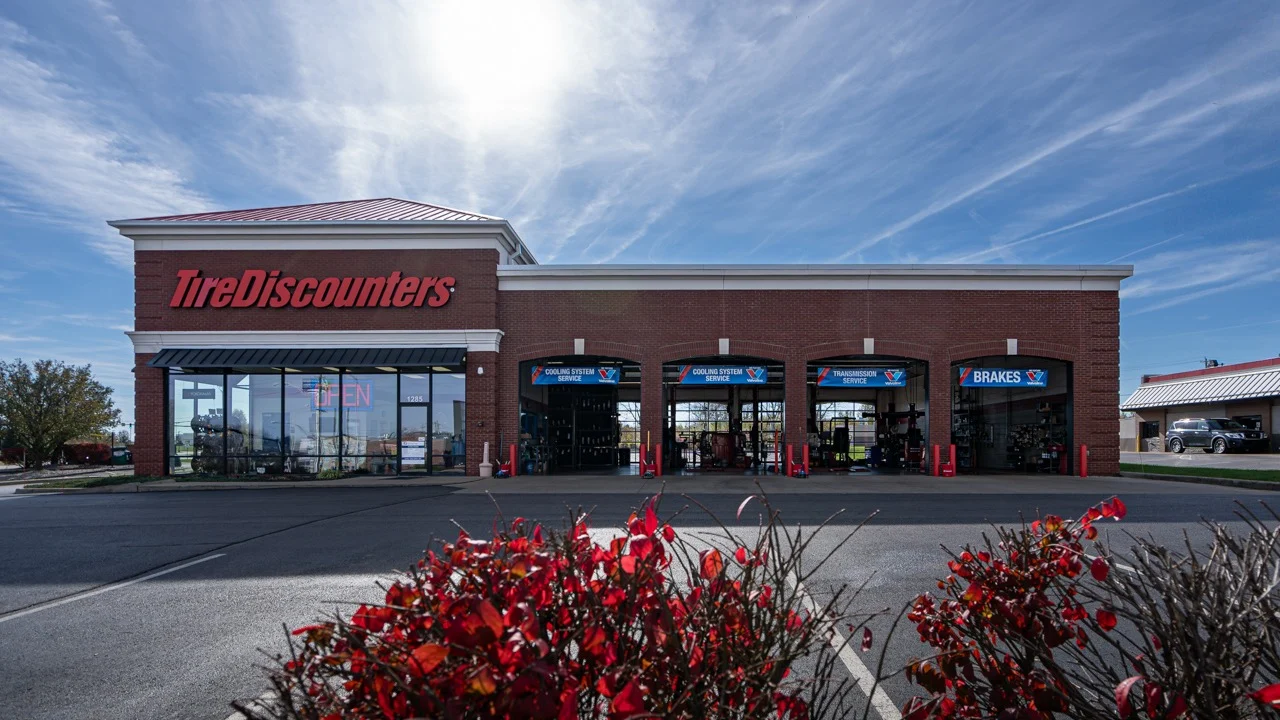 Auto Dealership Roofing in Providence, RI
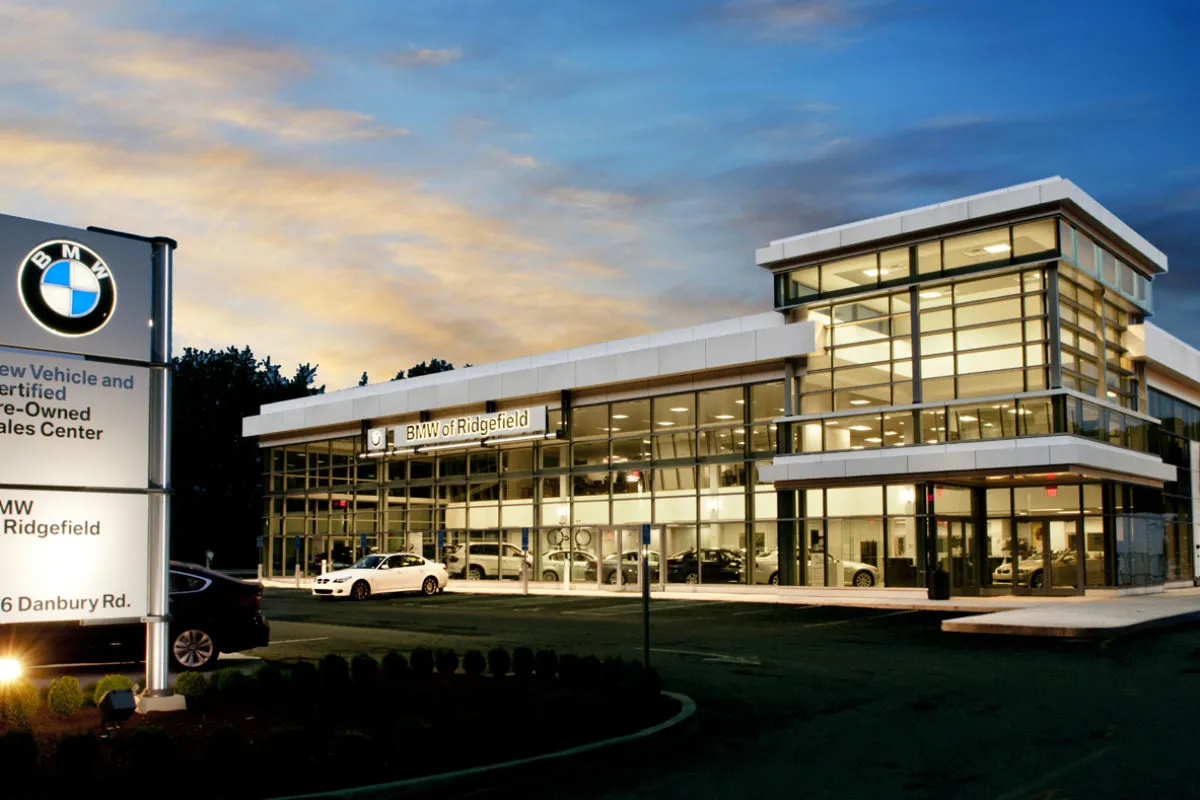 Automotive Manufacturing Roofing in Providence, RI
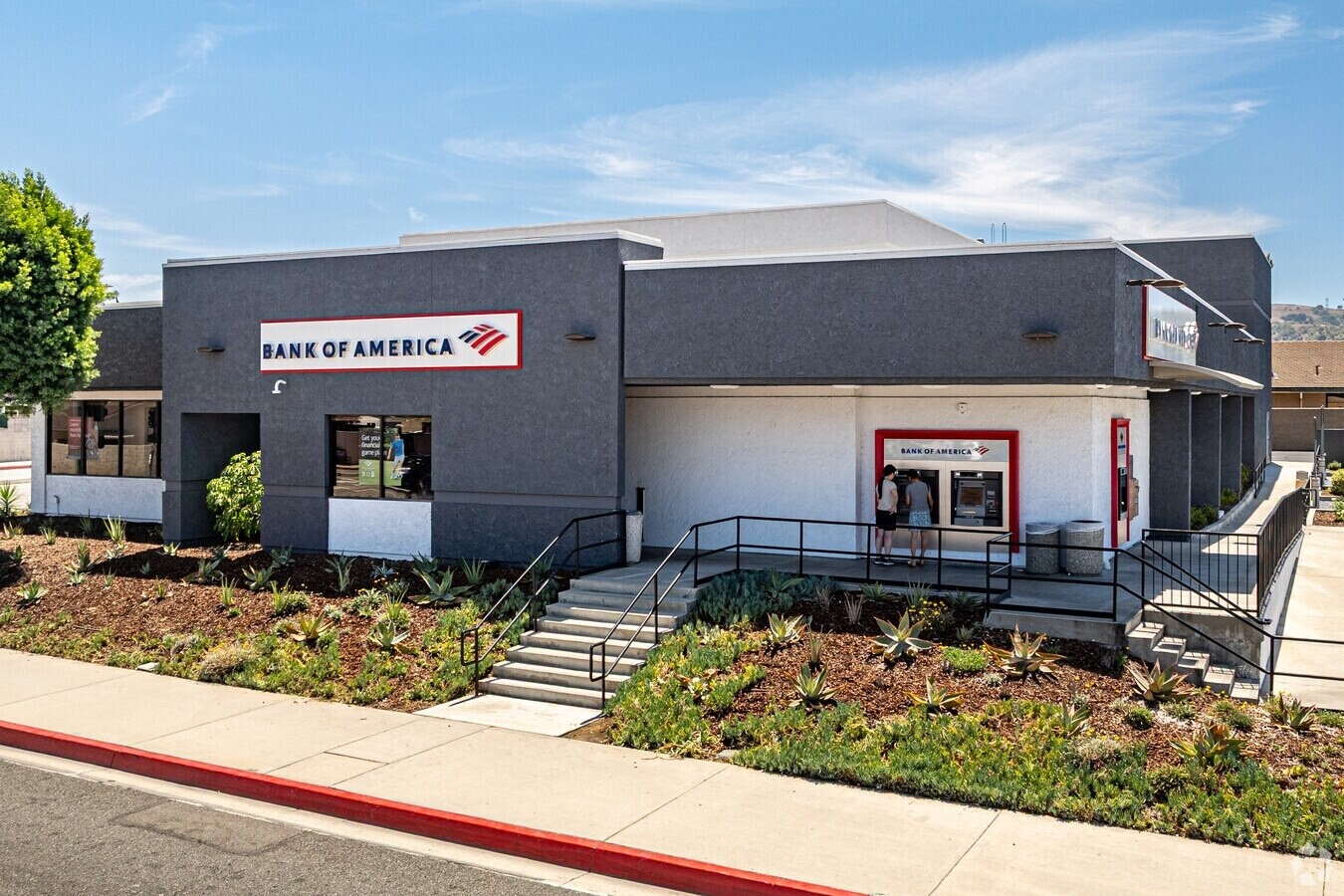 Bank Financial Building Roofing in Providence, RI
 Big Box Retail Roofing in Providence, RI
 Brewery Distillery Roofing in Providence, RI
 Providence
 Warwick