Roofing for Government and Municipal Buildings in Rhode Island
The buildings a town owns are the ones it can least afford to let leak. Water over a clerk's vault threatens land records that go back generations. A failing roof over a public works garage exposes plow trucks and salt spreaders that have to be ready the night a storm hits. A leak in a library drops onto collections that no budget can simply re-buy. We repair and replace roofs on government and municipal buildings across all thirty-nine Rhode Island cities and towns: town and city halls, courthouses, public works and highway garages, libraries, senior and community centers, water and wastewater treatment buildings, recreation facilities, and state-owned structures, including the kind of complexes found around the Providence metro and the public and quasi-public buildings tied to the Quonset Business Park in North Kingstown.
These are public assets bought with public money, and the documentation has to match. Most of this work runs through formal procurement, capital plans, and building committees, and we are comfortable producing the written scopes, condition reports, and photo records a facilities director or facility manager needs to keep a clean public file. The roof on a municipal building is expected to last decades, and we approach it as the long-term protection of a public investment rather than a quick fix.
A Building Stock That Spans More Than a Century
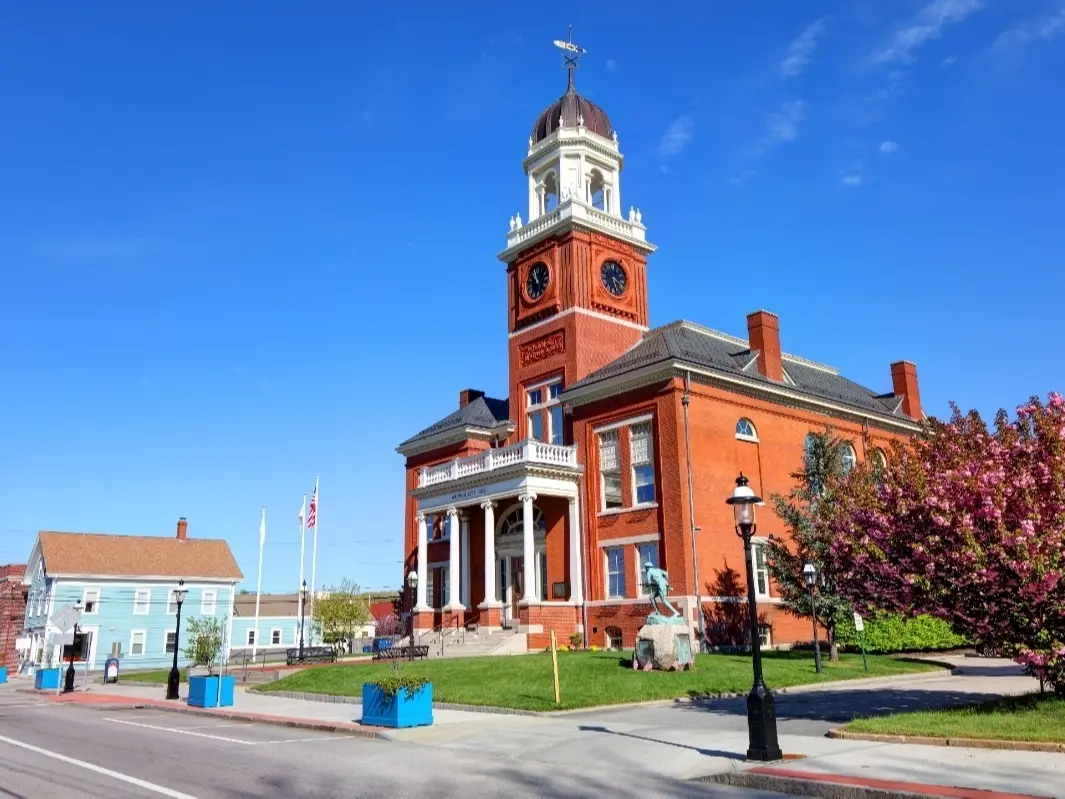
Rhode Island's municipal buildings were built across more than a hundred years, and the roofing problems sort by era. Older brick town halls, courthouses, and schoolhouses in the mill communities of Pawtucket, Woonsocket, Central Falls, and West Warwick often carry low-slope roofs that have been patched in layers for decades, sometimes with multiple membranes stacked one over another until the assembly traps moisture and hides saturated insulation. Mid-century civic buildings and public works garages frequently sit under built-up gravel roofs or first-generation single-ply that has outlived its service life. Newer municipal and state facilities tend toward modern single-ply membranes that still need disciplined upkeep to reach their full lifespan. Many of these buildings are also additions joined to original structures at different heights, so the valleys and roof-to-wall tie-ins where most leaks begin are everywhere.
The climate tests every one of them. Nor'easters drive wind-blown rain under flashing and against parapets. Heavy snow load sits on flat municipal decks for weeks and concentrates wherever drifting and roof geometry send it. The freeze-thaw swings of a New England winter open seams and widen cracks in aged membrane a little more each season. Ice damming at eaves and along roof-to-wall transitions forces meltwater back uphill and into the building, often above exactly the records or equipment that can least tolerate it.
Matching the Roof to the Building's Public Job
A roof over a courthouse asks for different things than one over a salt shed, and we plan to the use. Public works and highway garages are large, open low-slope structures where ventilation, equipment exhaust, and the abuse of heavy bay doors shape the detailing. Town and city halls and courthouses hold land records, court files, and vaults underneath, so reliability outranks every other consideration, and where a historic pitched roof defines the building's face we match materials to preserve its character. Libraries and senior centers sit over irreplaceable collections and vulnerable residents. Water and wastewater buildings combine corrosive interior environments with critical infrastructure that cannot go offline. We size up how a building serves the public before we recommend a system, because the right roof for a DPW garage is the wrong roof for a records vault.
Repair, Restoration, or Full Replacement
Not every municipal roof needs to be torn off, and we will not push a premature replacement on a public client. When a sound membrane is simply aging, a restoration program or targeted repairs can extend its life and defer a large capital expense to a year when it can be properly funded. When the deck is compromised, the assembly is saturated, or old layers have been stacked until they trap water, a full replacement is the responsible call. We walk decision-makers through the tradeoffs honestly, with the long-term cost in view rather than the cheapest line item this budget cycle. Deferring the right repairs to save money this year often means paying for wet insulation and interior damage next year, and we would rather help a town avoid that than profit from it.
Working Within Public Operations and Budgets
Public roofing rarely happens on a whim; it moves through capital plans, building committees, and approved budgets, often a year or more out. We work within that reality rather than against it, helping a facilities team sequence repairs and replacements so the most urgent buildings come first and the documentation supports each budget request. On site, we work in occupied buildings without disrupting the people inside, schedule around school calendars, court sessions, and council meetings, and stage materials so a parking area, sally port, or equipment bay stays usable. Keeping a public building open and operating while we work is part of the job, not an afterthought.
How We Start on a Municipal Roof
We begin with a full inspection of the existing roof: membrane or surfacing condition, flashing and termination details, drainage, parapet caps, and every rooftop penetration from HVAC curbs to vent stacks. Where moisture intrusion is suspected, we confirm what is in the assembly and whether the insulation is wet before recommending a scope. For public clients we put this into a written report with photo documentation and a clear, defensible scope, so a facilities team or building committee has the record it needs for budgeting and procurement.
- Low-slope and steep-slope roof repair, restoration, and replacement for town halls, courthouses, garages, and civic buildings
- Written condition reports and scopes built for capital planning, building committees, and procurement
- Work staged around occupied buildings, court sessions, school calendars, and public operations
- Moisture surveys to document existing roof conditions before a replacement decision
- Flashing, parapet, and penetration detailing built for nor'easter wind, snow load, and freeze-thaw
Talk to Us About Your Public Building
If you manage a government or municipal building anywhere in Rhode Island and the roof is aging, leaking, or simply overdue for an honest evaluation, we are glad to take a look. Reach out to schedule an assessment, and we will give you a clear picture of where things stand and what your options are.
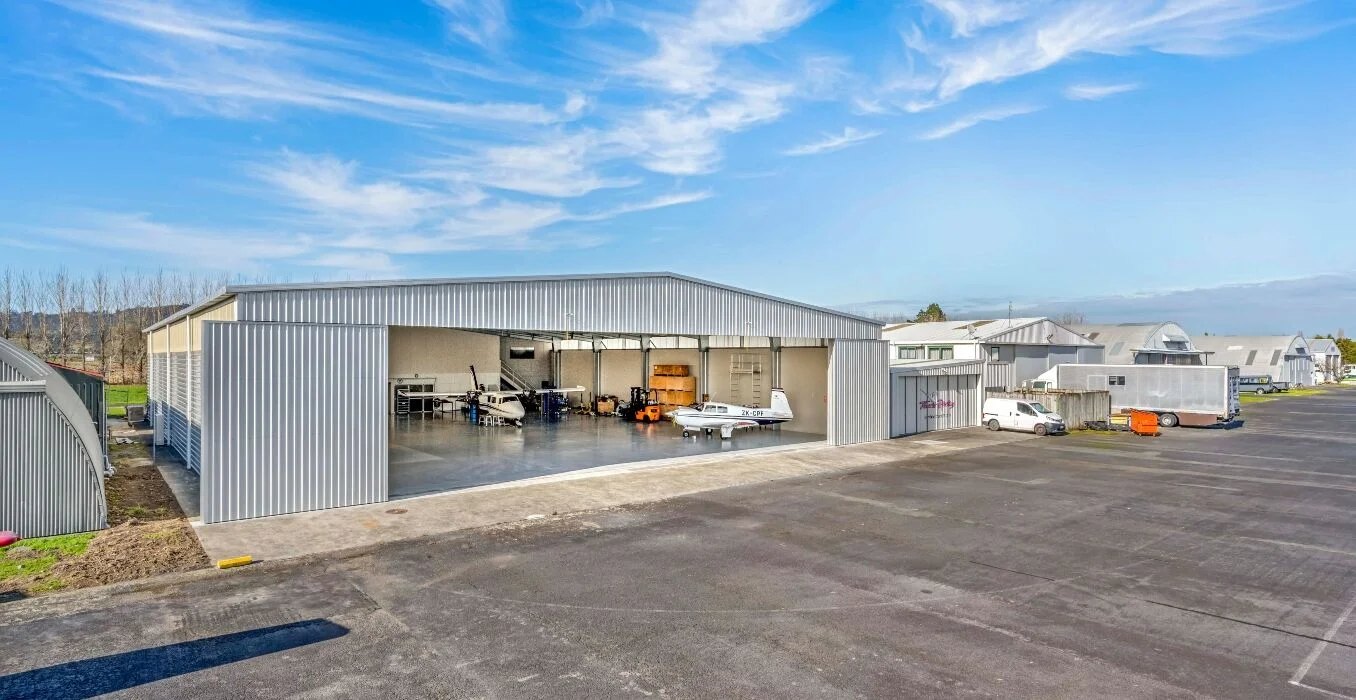 Airport Terminal Roofing in Providence, RI
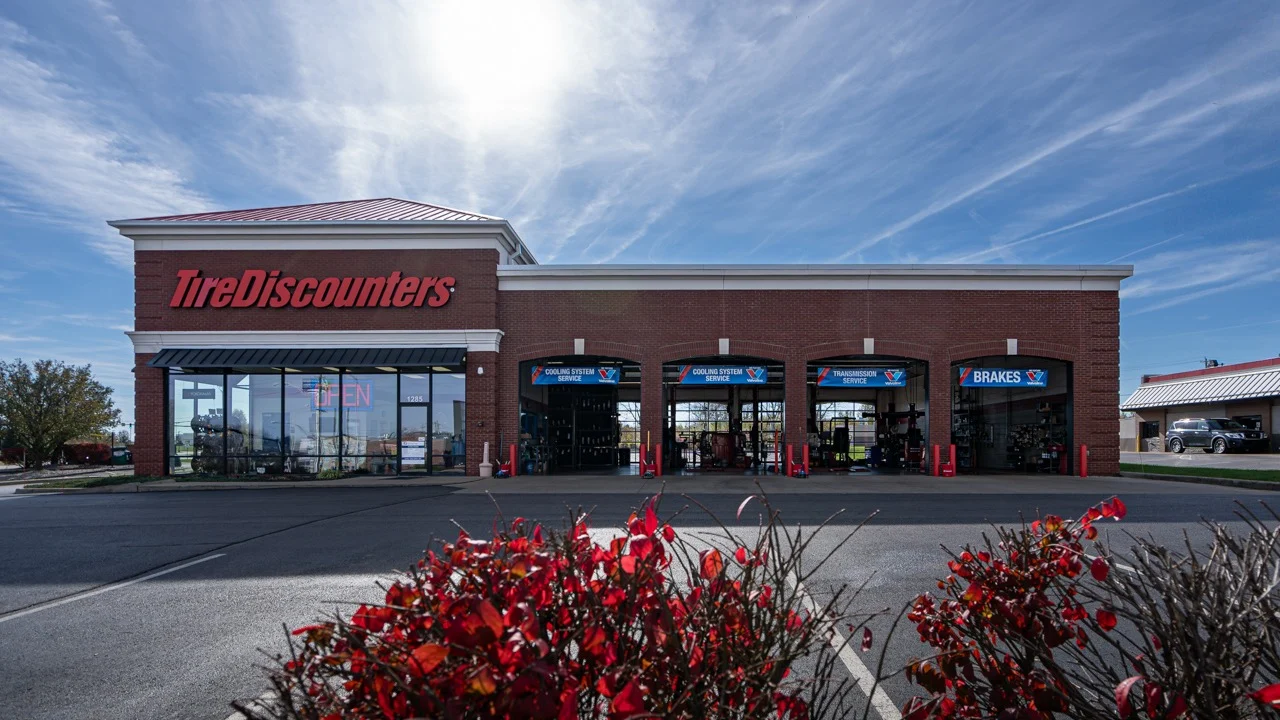 Auto Dealership Roofing in Providence, RI
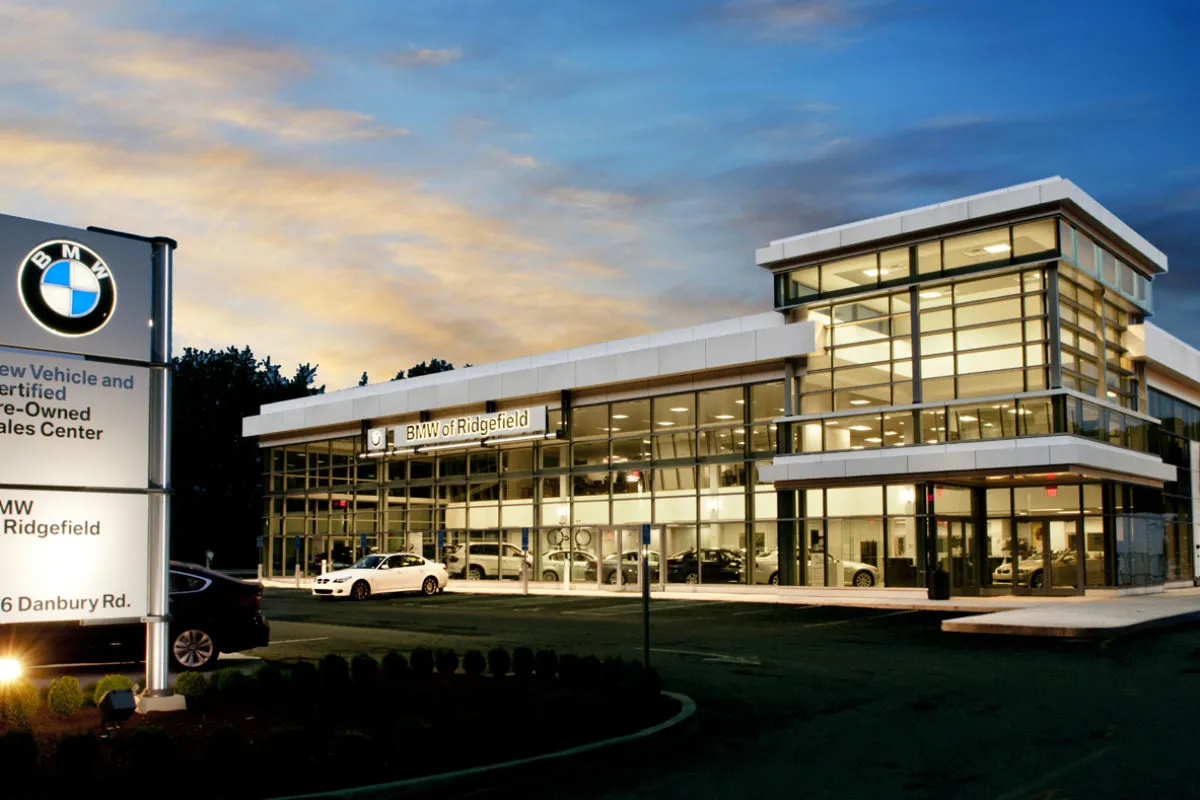 Automotive Manufacturing Roofing in Providence, RI
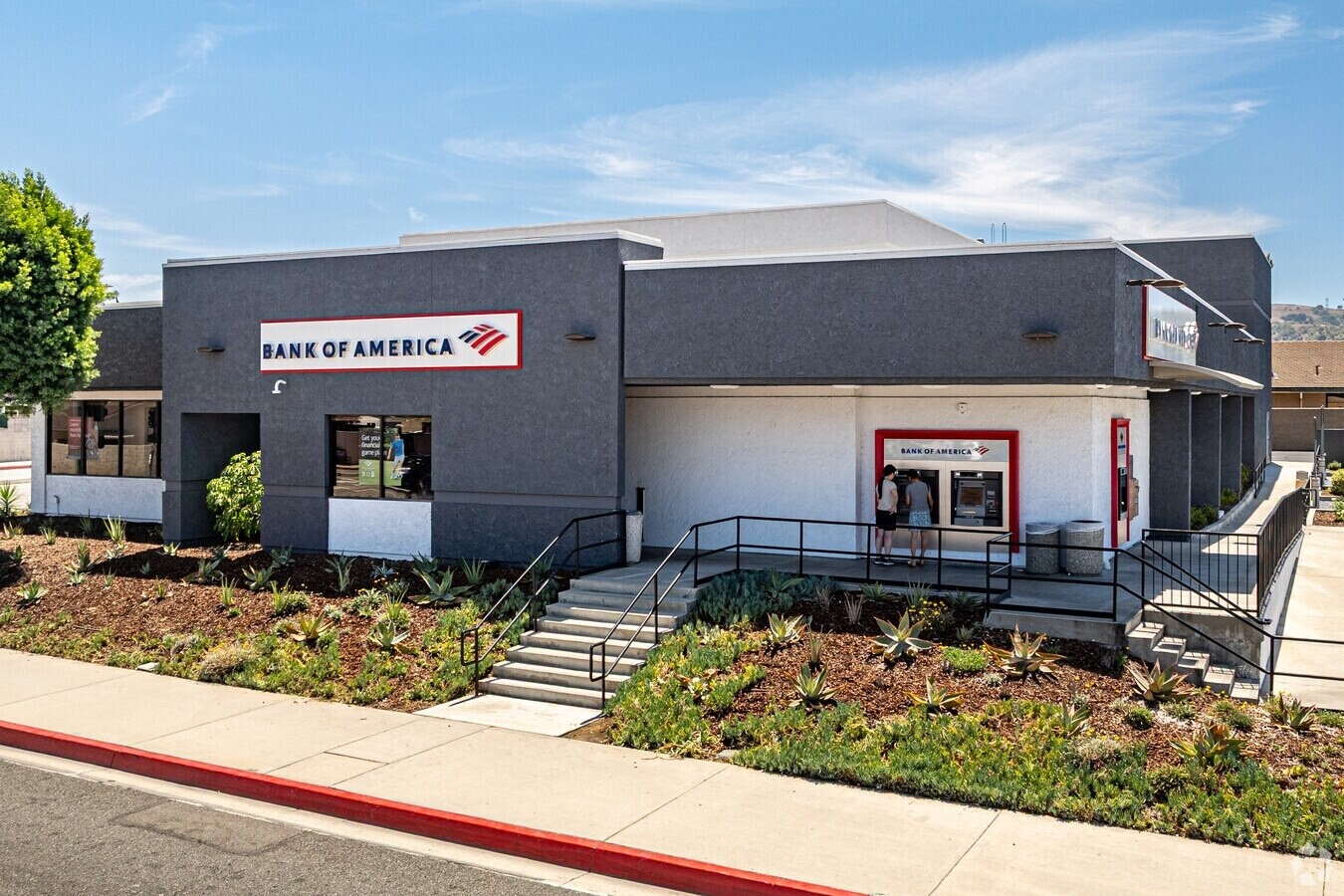 Bank Financial Building Roofing in Providence, RI
 Big Box Retail Roofing in Providence, RI
 Brewery Distillery Roofing in Providence, RI
 Providence
 Warwick