Roofing the Buildings Where Production Cannot Stop
A manufacturing roof sits over machines that run on a schedule and a production line that loses money by the hour when it stops. Water reaching the floor is not a stained ceiling tile here; it lands on CNC machinery, electrical panels, and process controls, it ruins raw stock and in-process goods, and it can force a line down at a cost measured in shifts rather than square feet. Roofing a working plant is as much about keeping production running and keeping water off equipment as it is about membrane. We work on manufacturing and industrial roofs across Rhode Island, from the surviving nineteenth-century textile mills still in industrial use in Pawtucket, Woonsocket, and West Warwick to the modern plants and machine shops in the Quonset Business Park and the industrial corridors of Cumberland, Lincoln, and Warwick.
Why a Factory Roof Is Its Own Problem
A manufacturing roof carries more, and more varied, rooftop equipment than almost any other building type, and it sits over a process that cannot pause for the convenience of a roofing crew. The combination makes it a distinct kind of project.
Process exhaust and rooftop equipment
The roof of a working plant is a mechanical yard. Process exhaust stacks, dust collectors, make-up air units, large rooftop HVAC, fume and vapor discharges, compressed-air and dust-collection equipment, and the dunnage that supports all of it crowd the deck, each on its own curb and each a penetration that has to be flashed and kept watertight. Some of that exhaust is hot, greasy, or chemically aggressive, and it degrades the membrane around the discharge faster than ordinary weather does. A real reroof accounts for every stack, curb, and discharge, and specifies the membrane and the detailing around the hot or contaminated exhaust, not just the open field.
The line runs while we work above it
Most plants cannot go dark for a roof. Production runs shifts, and the work has to happen over a live floor where machines, material handling, and people are moving below. We plan tear-off and staging so water never finds its way down onto the line, so debris and dust are contained above sensitive equipment, and so the areas over critical machinery or electrical rooms are protected before we open anything up. Where a section sits directly over a key machine or a panel, we coordinate with the plant's operations and maintenance building occupants so it can be shielded or briefly cleared during the work above it.
Vibration, dust, and the things a plant cannot tolerate
Some manufacturing is sensitive to dust, vibration, or temperature in ways an outsider would not guess, from precision machining to coatings to food and medical production. We take direction from the plant on what its process can and cannot tolerate, and we sequence the loud, dusty, and disruptive work accordingly rather than assuming a factory is indifferent to what happens overhead.
Reroofing a Plant That Keeps Running
The hardest constraint on a manufacturing reroof is that the plant keeps producing while we replace the roof over it. We sequence the work so we are never tearing off more than we can make watertight by the end of the same day, and we stage materials and schedule crane picks to keep the loading docks, the truck routes, and the production flow functioning. Over a running line, daily dry-in is not a nicety; the floor below might hold a million dollars of machinery and a shift of workers, so every section we open is fully closed before we leave it. The objective is a finished roof and a plant that kept producing the entire time.
Because plant roofs combine large open areas with dense, sometimes aggressive rooftop equipment, the membrane choice has real consequences. Single-ply systems such as TPO and EPDM cover acreage efficiently and flash cleanly around the field of curbs and stacks, and a reflective white membrane cuts the summer heat that a large dark roof dumps onto a floor already running hot from the process. Where exhaust is greasy or chemically aggressive, we specify the membrane and the detailing to stand up to it. We match the system, the attachment, and the insulation to the deck, the wind exposure, and the rooftop equipment the plant carries.
The Old Mill Roofs of the Blackstone Valley
A large share of Rhode Island's manufacturing still happens inside nineteenth-century textile mills, and those buildings bring a roofing problem all their own. The surviving mills in Pawtucket, Woonsocket, and West Warwick were built with timber-and-masonry construction, sawtooth or low-slope roof profiles, and roof decks that have been re-covered many times over more than a century. Their roofs are often aging low-slope assemblies sitting on old wood decks, with original masonry parapets, sometimes sawtooth monitors with rows of glazing, and decades of patched penetrations. We are at home on these buildings. That means probing what is actually under the current membrane before we commit to a system, flashing into old masonry parapets that were never plumb, detailing around sawtooth glazing and monitors, and accounting for a wood deck that may need repair before any new roof goes on. An old mill roof rewards a contractor who reads the building rather than one who assumes it is a modern deck.
New England Weather on a Plant Roof
Rhode Island's winters press on a manufacturing roof the same way they press on every low-slope roof in the state, and the equipment-dense field gives weather many places to get in.
- Snow load sits for weeks across broad flat roofs, then melts and refreezes into ice that backs water up under the membrane and around the equipment curbs and stacks
- Freeze-thaw cycling works at every seam, curb, and process-exhaust flashing all winter, and a plant roof has an unusual number of all three
- Ponding water collects in the low spots and around drains struggling with debris from rooftop equipment, and a roof that ponds in the fall carries ice all winter
- Nor'easters drive rain sideways into parapets, the old mill masonry, equipment curbs, and the wall transitions over the dock doors
- For plants near the bay, including the Quonset corridor, salt in the air corrodes rooftop metal, stacks, fasteners, and drains faster than it does inland
Drainage runs through all of it. A plant roof has to clear water before it freezes, around a crowded field of equipment, so we treat drains, scuppers, and overflow paths as central to the design rather than an afterthought.
Maintenance That Protects Uptime
On a building where every hour of production is money, the smart move is to catch roof problems before they reach the floor. A clogged drain, a lifted seam, or a failing flashing at a process-exhaust curb is a minor repair when it turns up on a scheduled roof walk; the same defect found after a January thaw becomes water on a machine and a line down. We run inspection and maintenance programs sized to the roof, clearing the drains, checking the seams and flashings, and verifying the equipment and exhaust penetrations on a schedule, with particular attention to the membrane around hot or greasy discharges where it degrades fastest. We photograph and document the roof's condition and the work we perform, which gives the plant a clear record for warranty claims, for facility and insurance obligations, and for any question after a storm.
Restoration Instead of Tear-Off
Not every aging plant roof needs full replacement, and on a building that cannot easily shut down, a tear-off is a major disruption as well as a major cost. Where the membrane is weathered but the deck and insulation are still sound and dry, a reflective coating or restoration system can add years of watertight, energy-saving service without the downtime of a replacement. We verify the roof is genuinely a candidate first, including checking for trapped moisture in the insulation and around the many penetrations, rather than coating over a problem that will resurface above the line.
Keep the Line Running
Your roof protects the machinery, the electrical and process controls, the raw and in-process stock, and every shift that depends on a dry, safe floor. If your manufacturing plant is leaking, ponding, aging, or simply overdue for a professional assessment, we will walk the whole roof, map the drains, stacks, and penetrations, and lay out a plan that keeps the plant producing while we get it watertight. Contact us to schedule a manufacturing plant roof assessment anywhere in Rhode Island.
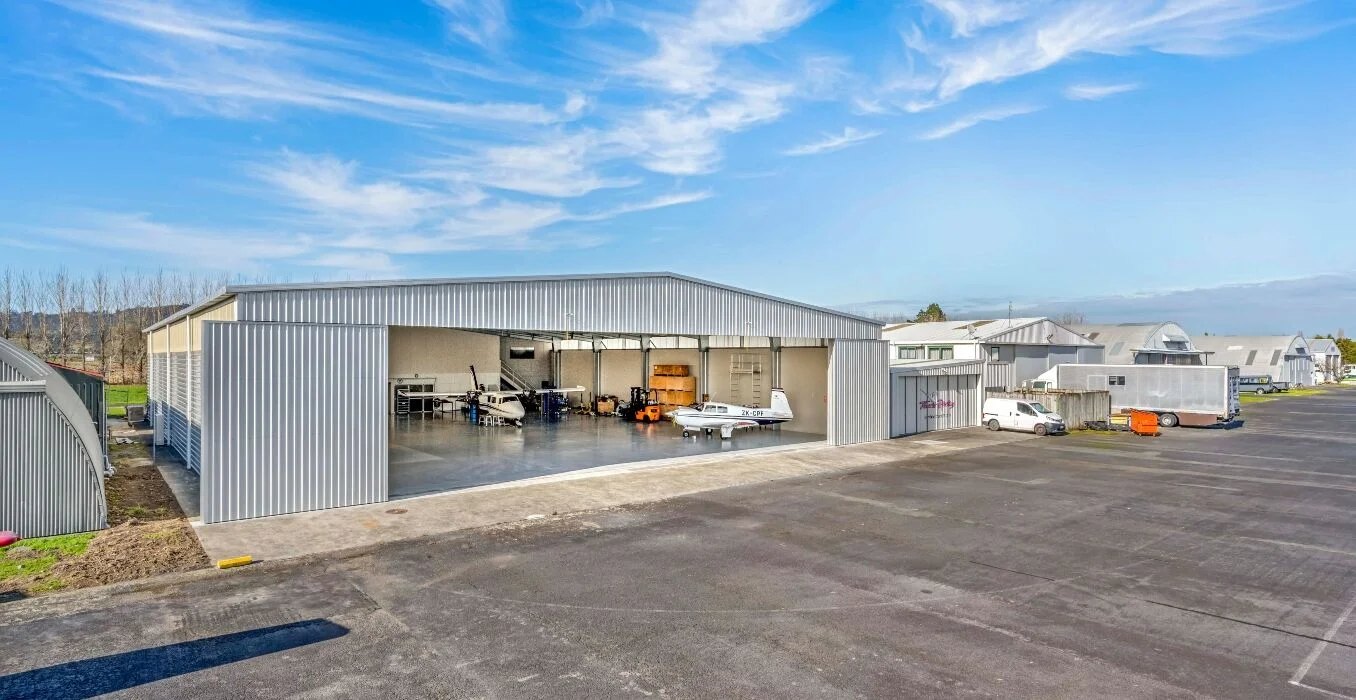 Airport Terminal Roofing in Providence, RI
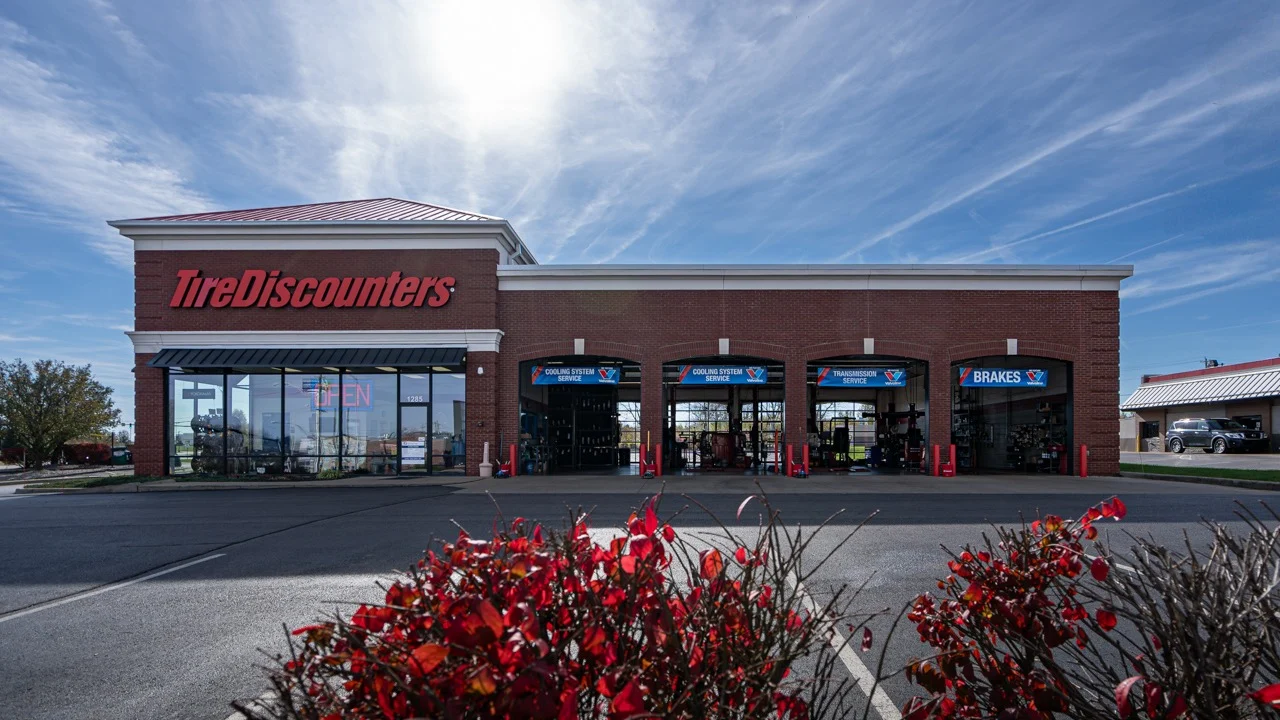 Auto Dealership Roofing in Providence, RI
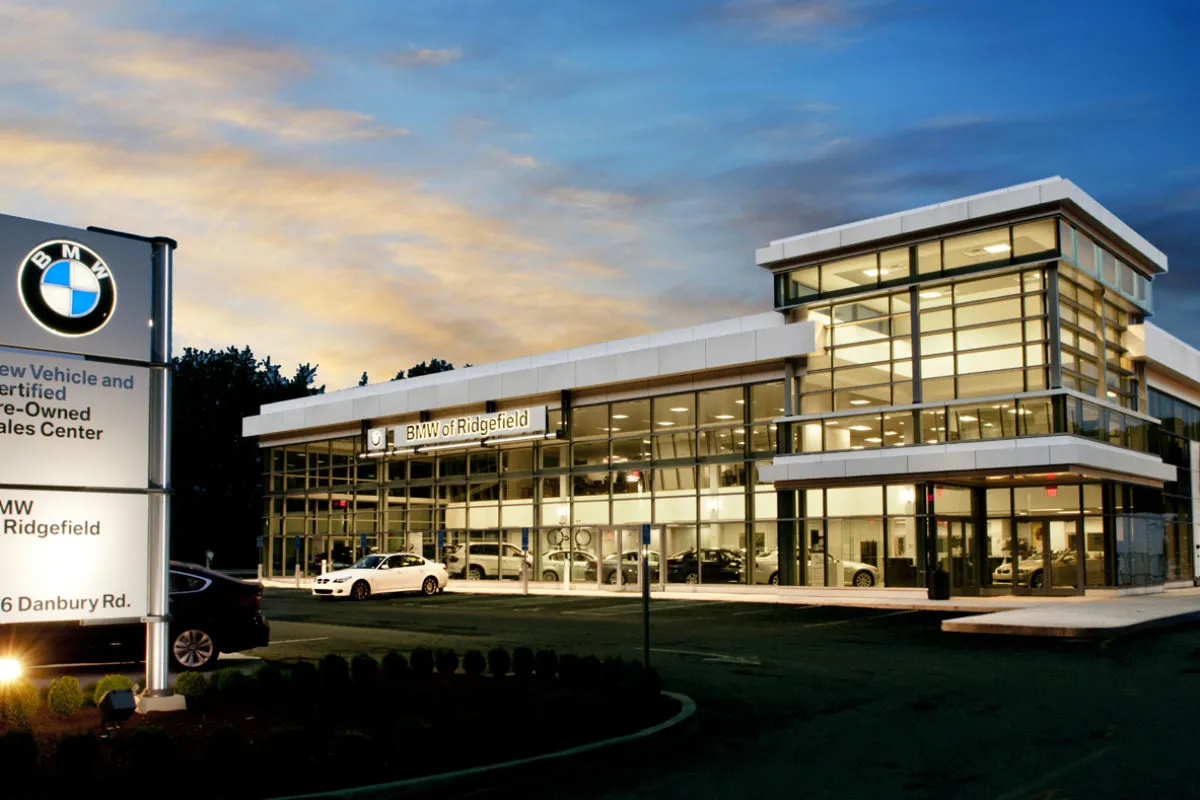 Automotive Manufacturing Roofing in Providence, RI
 Bank Financial Building Roofing in Providence, RI
 Big Box Retail Roofing in Providence, RI
 Brewery Distillery Roofing in Providence, RI
 Providence
 Warwick