
Parking Structure Roofing in Rhode Island
A parking structure breaks the usual rule about what a roof is. On most commercial buildings the roof is the part nobody walks on; on a parking deck the roof is also the floor, carrying loaded vehicles, turning tires, plow blades in January, and standing salt all winter long. The top level of a garage is the most exposed surface on the whole structure, and what protects it is not a conventional membrane but a traffic-bearing waterproofing system built to be driven on. We work on parking garages, standalone parking decks, the parking levels under and beside office and residential buildings, and the elevated plaza decks over occupied space across Providence, Warwick, Newport, and the rest of Rhode Island.
Why a Parking Deck Is Not an Ordinary Roof
The defining difference is traffic. A garage top deck has to take the point load and abrasion of vehicles and the gouging of a plow without splitting open, which is why these surfaces use vehicular-grade traffic coatings and deck membranes rather than the single-ply systems we install on a building roof. Those systems are layered: a waterproofing base bonded to the structural slab, a reinforced intermediate course, and a tough wearing coat broadcast with aggregate for traction. When any of those layers wears through, water reaches the concrete, and on a parking structure that is where the real trouble starts.
The second difference is what sits below. A leak through a building roof damages finishes; a leak through a parking deck carries chloride-laden water straight into the structural concrete, where it corrodes the embedded reinforcing steel. As that steel rusts it expands, cracking and spalling the concrete from the inside, and on the intermediate levels that same water drips onto the cars and the people parked beneath. The waterproofing on a parking structure is not protecting drywall. It is protecting the structure itself from the slow, expensive damage that road salt does to reinforced concrete, which makes intact top-deck waterproofing one of the highest-leverage things an owner can maintain.
Parking Structures We Serve Across the State
- Standalone parking garages. Multi-level public and private garages in downtown Providence and the surrounding cities, where the exposed top deck takes the full weather load and the levels below depend on its integrity.
- Decks under and beside buildings. The parking levels integrated with office complexes, apartment buildings, and mixed-use developments, where the deck waterproofing is also the roof over occupied or structural space.
- Elevated plaza and podium decks. The landscaped or paved decks built over parking and interior space, where a traffic-bearing or buried waterproofing assembly is the only thing between the surface above and the rooms below.
- Coastal-exposed structures. Garages and decks on Aquidneck Island, in Newport, and across South County, where salt-laden coastal air accelerates the corrosion that chloride from road salt already drives.
What We Look For on a Parking Deck
We start at the wearing surface and read it for the story it tells. We look for worn-through coating at the drive lanes and turning points where tires concentrate, cracks telegraphing up from movement in the slab, failed sealant in the expansion joints that are supposed to absorb that movement, and the staining and efflorescence on the underside of a deck that mark where water is already getting through. Expansion joints deserve particular attention, because they take the most movement and are a frequent first point of failure, and a joint that has let go can move a surprising amount of water before anyone connects the leak below to the joint above. Where the picture is unclear, we map the failing areas so an owner can see which zones need attention now and which can be sequenced, rather than recoating an entire deck to chase a problem confined to the ramps.
Systems and Repairs We Provide on Parking Structures
These are traffic-bearing surfaces where adhesion to concrete, crack-bridging, and a durable wearing coat govern, and we provide the systems and repairs that fit:
- Vehicular traffic coatings, the layered, aggregate-broadcast membranes engineered to be driven on, installed on top decks and ramps where abrasion and point loads are heaviest.
- Pedestrian traffic coatings, the thinner systems for stair towers, walkways, and the lighter-duty areas that still need a continuous waterproof surface.
- Expansion joint repair and replacement, restoring the joints that absorb structural movement and are a common source of leaks through a deck.
- Sealant and crack treatment, addressing the working cracks and failed joints in the slab before they channel water to the steel.
- Drainage repair, clearing and restoring the deck drains and scuppers that keep standing salt water off the surface and out of the cracks.
For the membrane roofs that sit over stair and elevator towers and the mechanical penthouses on a garage, we install and repair the same single-ply and modified-bitumen systems we use across our commercial work, so the whole structure is covered by one crew rather than split between trades.
How Salt and Freeze-Thaw Drive the Damage Here
Rhode Island gives a parking deck the worst version of the problem. Every nor'easter is followed by plows and a heavy application of road salt, and that salt dissolves into meltwater that finds any break in the wearing coat and carries chloride straight to the reinforcing steel. The freeze-thaw cycle then does the mechanical work: water that has soaked into a crack expands as it freezes and widens the crack a little more with every cycle through the winter, opening new paths for the next thaw. On the coast, the salt-laden air on Aquidneck Island and across South County adds to the chloride load the road salt already delivers, so those structures corrode faster than their inland counterparts. We treat the top deck of a Rhode Island garage as a surface under sustained chemical and mechanical attack, because that is exactly what a New England winter makes it, and a coating maintained on schedule is far cheaper than the concrete repair that follows when it is not.
Request a Parking Structure Assessment
If you own or manage a parking garage, parking deck, or plaza deck anywhere in Rhode Island and you are seeing leaks on the levels below, worn or cracking coating on the top deck, or the first signs of spalling concrete, reach out. We will assess the wearing surface, the joints, and the drainage, identify where water is getting to the structure, and give you a plan to restore the waterproofing before the damage reaches the steel.
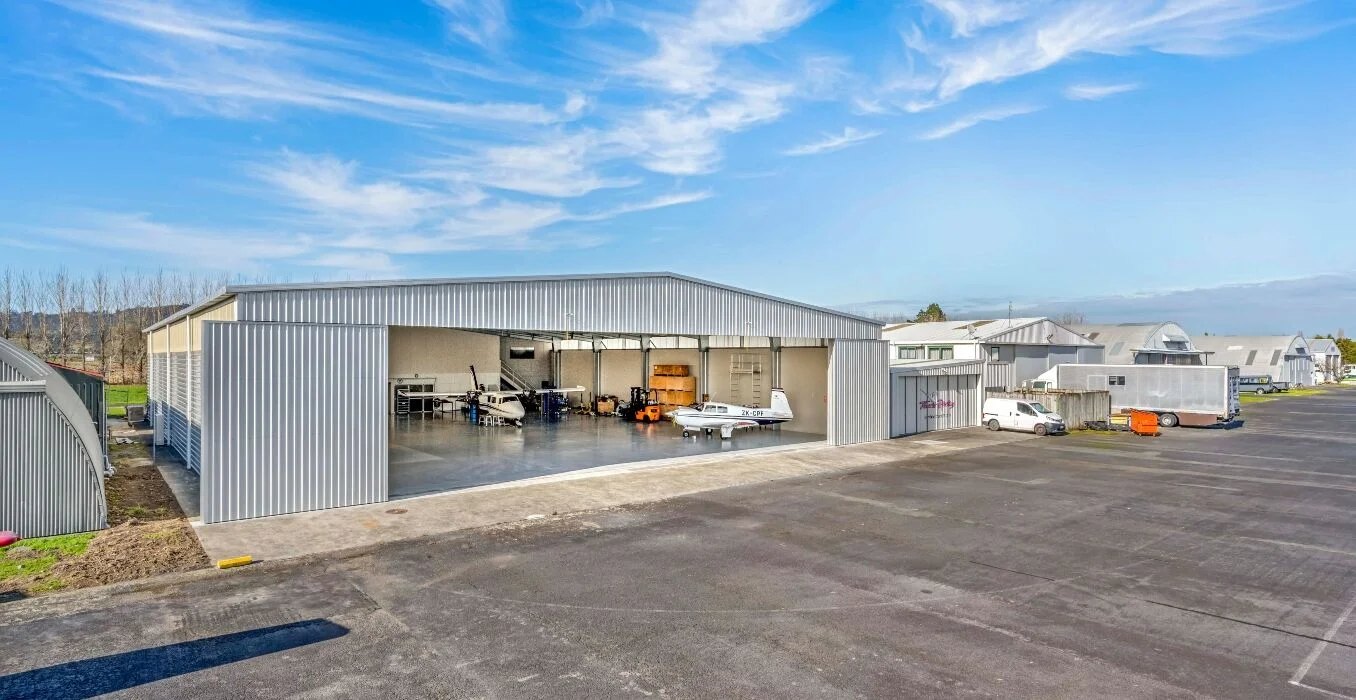 Airport Terminal Roofing in Providence, RI
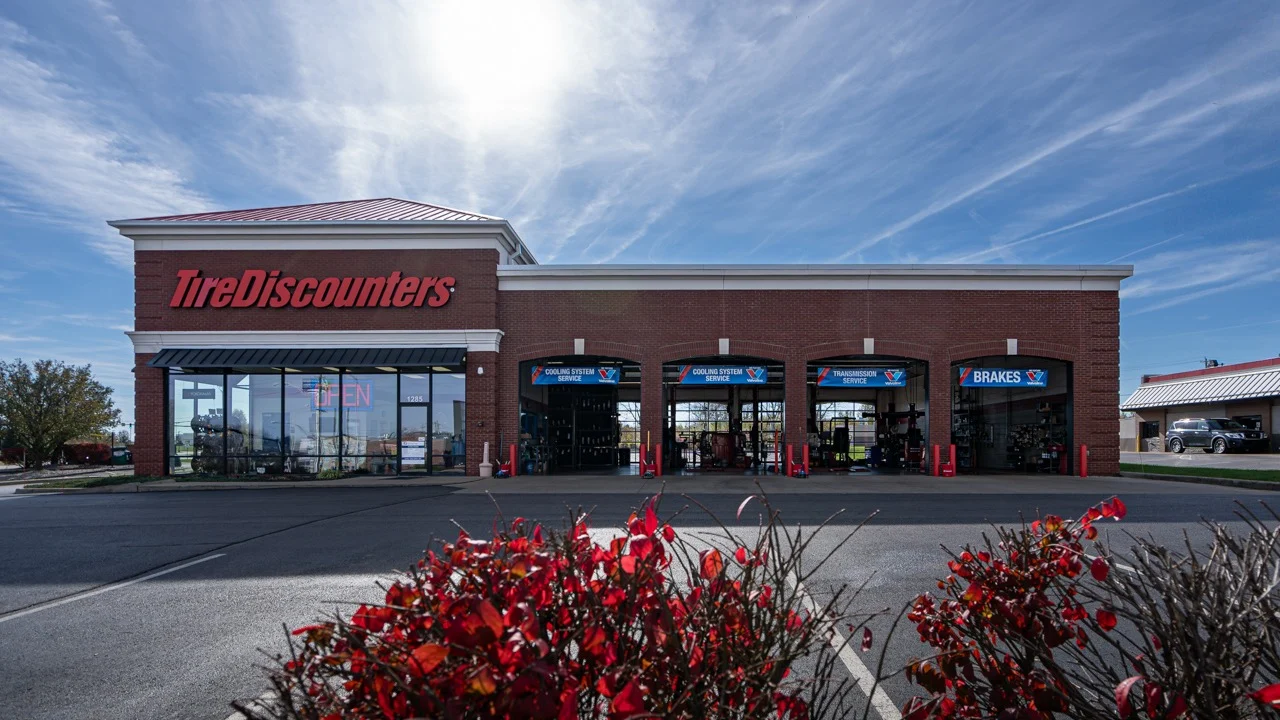 Auto Dealership Roofing in Providence, RI
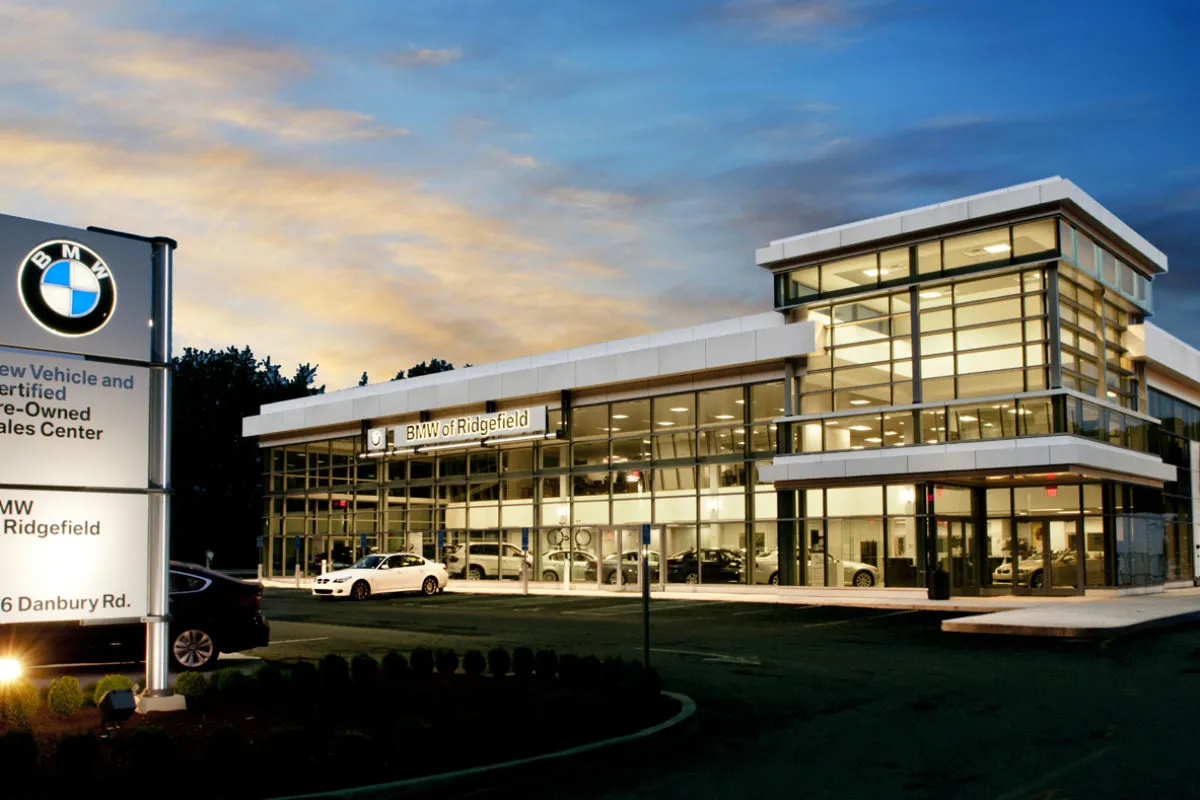 Automotive Manufacturing Roofing in Providence, RI
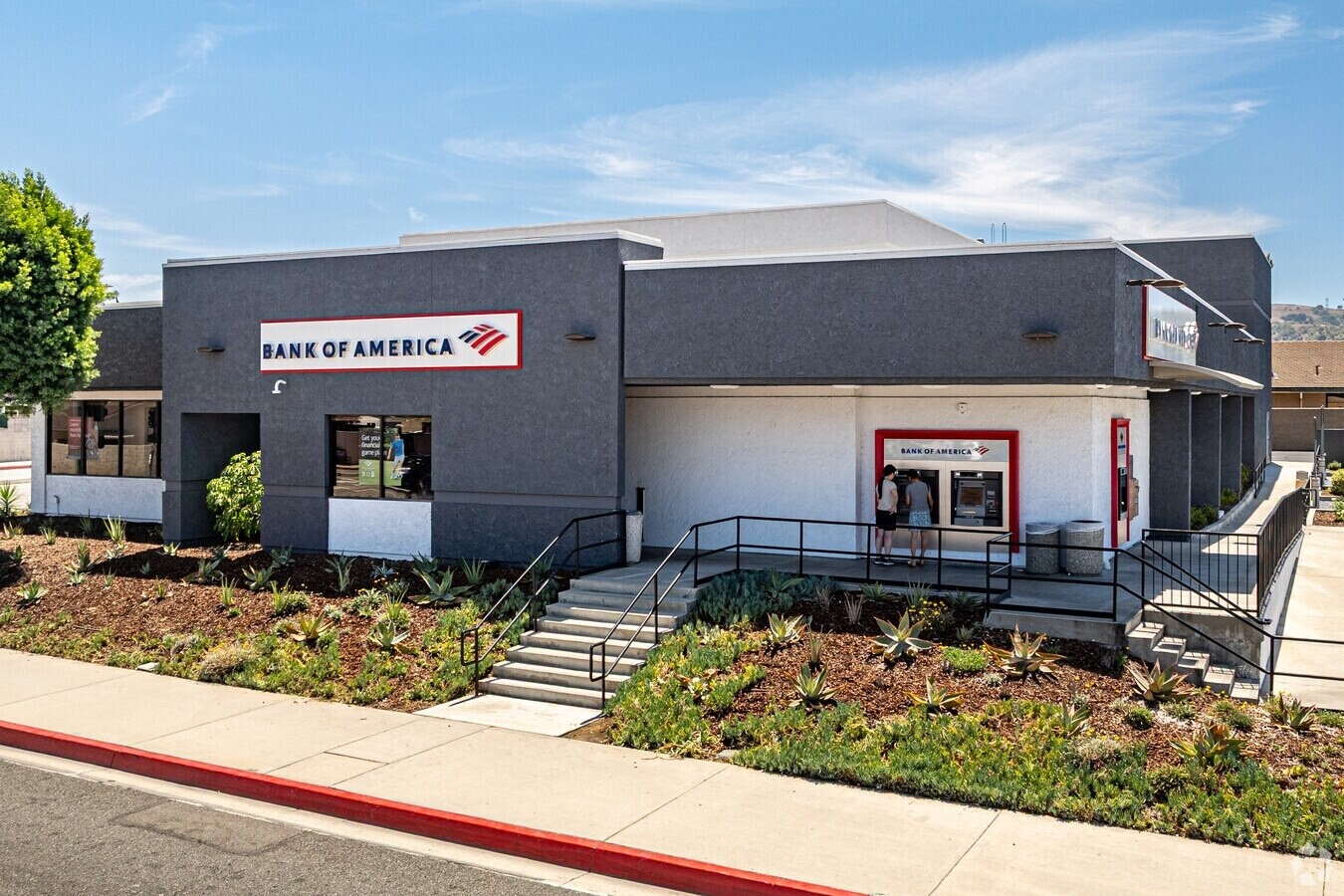 Bank Financial Building Roofing in Providence, RI
 Big Box Retail Roofing in Providence, RI
 Brewery Distillery Roofing in Providence, RI
 Providence
 Warwick