
Roofing the Buildings a Congregation Cannot Replace
A house of worship is rarely just one roof, and it is almost never a roof you can buy a duplicate of. A typical Rhode Island church puts a steep slate or copper roof over the sanctuary, a bell tower or steeple rising above everything else on the block, low-slope additions over the parish hall and fellowship space, and a flat or shallow roof over the offices, classrooms, and kitchen that were added in stages over the decades. We repair and replace roofs on churches, synagogues, mosques, temples, and parish buildings across all thirty-nine Rhode Island cities and towns, from the granite and brownstone churches of downtown Providence and the College Hill district to the white clapboard meetinghouses on the greens of the South County and East Bay towns, to the mill-village parishes of the Blackstone Valley.
What sets this work apart is the stakes. A congregation operates on a fixed budget funded by its members, the building often carries a century or more of history, and the people responsible for it are usually a volunteer board or a single overworked facilities trustee rather than a professional property team. The roof has to last, the cost has to be honest, and the work has to be explained in plain language to people who did not sign up to become roofing experts. We approach these projects with that reality in mind.
The Roofs We Find on Rhode Island Houses of Worship
The age of the building stock shapes everything. Many of the state's oldest congregations meet under original slate, copper, or wood-shingle roofs that have weathered well over a hundred New England winters, and those roofs carry the specific failures of their age: cracked and slipped slate, corroded copper valleys and flashing, failed underlayment that no longer sheds the water the slate lets past, and fasteners that have rusted away. The sanctuary roof is usually steep, high, and complicated, with dormers, hips, and valleys that all have to stay watertight to protect a finished, often decorated ceiling below.
The steeple and bell tower
The steeple is the hardest and most exposed part of any church roof. It stands above the surrounding roofline catching the full force of every nor'easter, its copper or slate cladding and its louvers and finials take wind and salt that nothing else on the building sees, and access alone is a serious undertaking. Water that gets into a steeple runs down inside the tower framing and shows up far below, sometimes staining the sanctuary wall where no one would connect it to the roof. We treat the steeple and tower as their own detailed scope, not an afterthought bolted onto the main roof job.
The low-slope additions
The parish hall, the fellowship room, the Sunday-school wing, and the kitchen are usually later additions with low-slope or flat roofs, and those are where most active leaks actually originate. Aged single-ply or modified-bitumen membrane that has been patched for years, tired flashing where the addition meets the taller original structure, and ponding over a flat office roof are the common culprits. The tie-ins where a steep historic roof meets a flat addition are classic leak points, and they are the first place we investigate.
What This Climate Does to a Worship Building
The weather works on every weak point a complicated, aging roof presents.
- Snow load sits for weeks on the low-slope additions and in the valleys of the steep sanctuary roof, then melts and refreezes into ice that backs water up under slate and membrane alike
- Ice dams form along the eaves and in the valleys, pushing meltwater backward under the roofing above finished sanctuary and hall ceilings
- Freeze-thaw cycling loosens slate fasteners a little more each winter and opens hairline cracks in aged membrane and old copper seams
- Nor'easters drive wind-blown rain against the steeple, into the louvers and finials, and under the flashing of the parapets and additions
- For coastal congregations on Aquidneck Island, in Newport, Jamestown, and the South County shore towns, salt in the air corrodes copper, fasteners, and the metalwork on towers and valleys faster than it does inland
Any one of these can put a water stain on a sanctuary ceiling, soak a pipe organ, or threaten decorative plaster and stained glass that no insurance check can truly replace.
Working Around Worship and the Calendar
The constraint that defines this work is the schedule inside the building. Services run on fixed days, and the building also hosts weddings, funerals, holy-day observances, religious-school sessions, food pantries, and community meetings throughout the week. We schedule the loud, disruptive phases of a tear-off or steeple repair around the worship and event calendar rather than asking the congregation to work around us, and we keep crews, staging, and the dumpster clear of the entrances families use. The sanctuary has to stay usable and presentable, the noise has to respect occupied hours, and the site has to look cared-for from the street, because a congregation arriving for worship should not be greeted by a debris pile at the door. Protecting the interior below an open roof section, including any decorative ceiling, organ, or fixed seating, comes before the first slate or fastener is removed.
Repair, Restoration, or Replacement
Not every church roof needs to come off, and on a building funded by donations that distinction matters enormously. Where slate or copper on the sanctuary has localized cracked valleys, slipped tiles, or failed flashing, focused repair and selective slate replacement often buy many more years at a fraction of the cost of a full reroof. Where the low-slope additions are simply aging, a targeted repair or a coating and restoration program can extend the membrane's service life and avoid a disruptive tear-off over occupied space. Where an assembly is genuinely saturated, the deck is compromised, or old roofing has been layered until it traps moisture, an honest replacement is the right call. We lay out the tradeoffs plainly, with the cost and the disruption of each path spelled out, so a board can make a sound decision and plan the funding.
How We Start
We begin with a full inspection: the slate, copper, or shingle on the sanctuary roof; the steeple and bell-tower cladding, louvers, and flashing; every low-slope addition membrane; the valleys and tie-ins where sections meet at different heights; the drainage; and the rooftop penetrations. Then we give the board a clear, written explanation of what the roof needs now, what can be safely scheduled for later, and how we would phase the work around the congregation's calendar and budget.
- Slate, copper, and shingle repair, selective replacement, and full reroofing for sanctuary roofs
- Steeple and bell-tower cladding, louver, and flashing repair as a dedicated scope
- Low-slope and flat-roof repair, restoration, and replacement over parish halls, classrooms, and offices
- Careful handling of the tie-ins where historic steep roofs meet flat additions
- Work scheduled around worship services and events, with the site kept presentable and the interior protected
Talk to Us About Your Building
If your congregation cares for a church, synagogue, mosque, temple, or parish building anywhere in Rhode Island and the roof is aging, leaking, or simply due for an honest evaluation, we are glad to take a careful look. Reach out to schedule an assessment, and we will give your board a clear picture of where the roof stands and how the work can be handled without disrupting the life of the congregation.
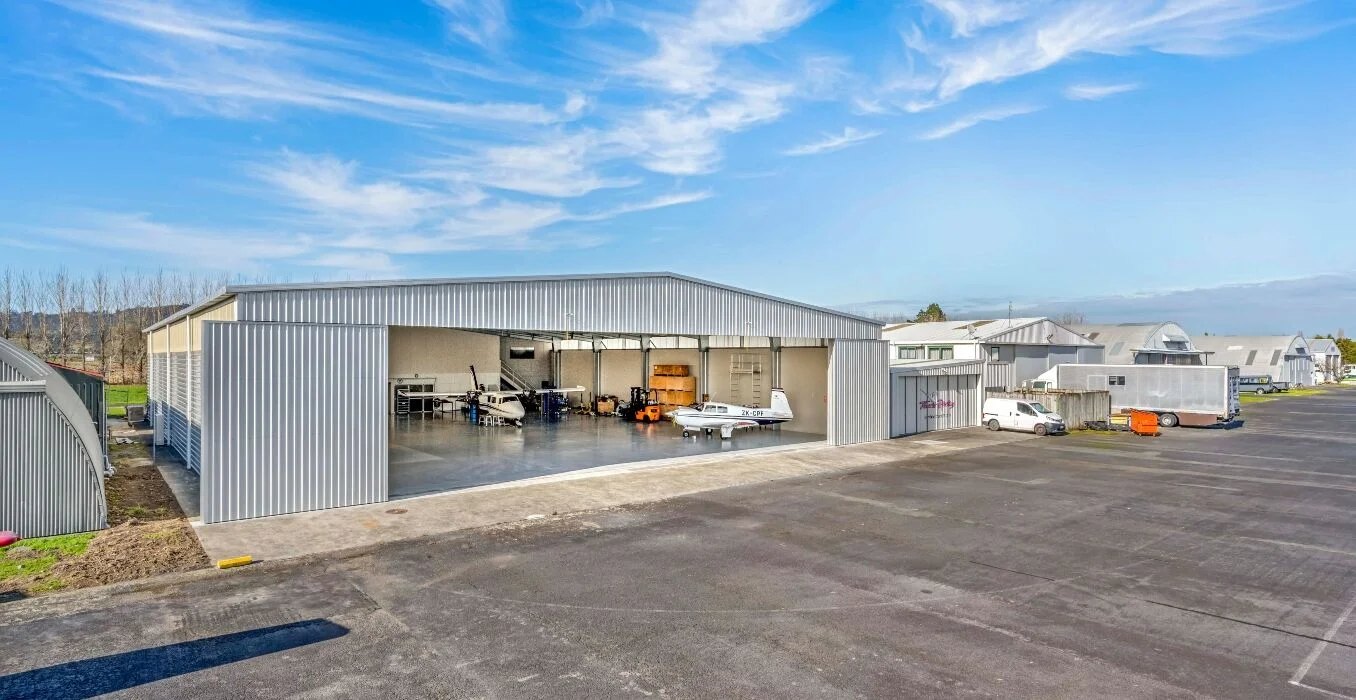 Airport Terminal Roofing in Providence, RI
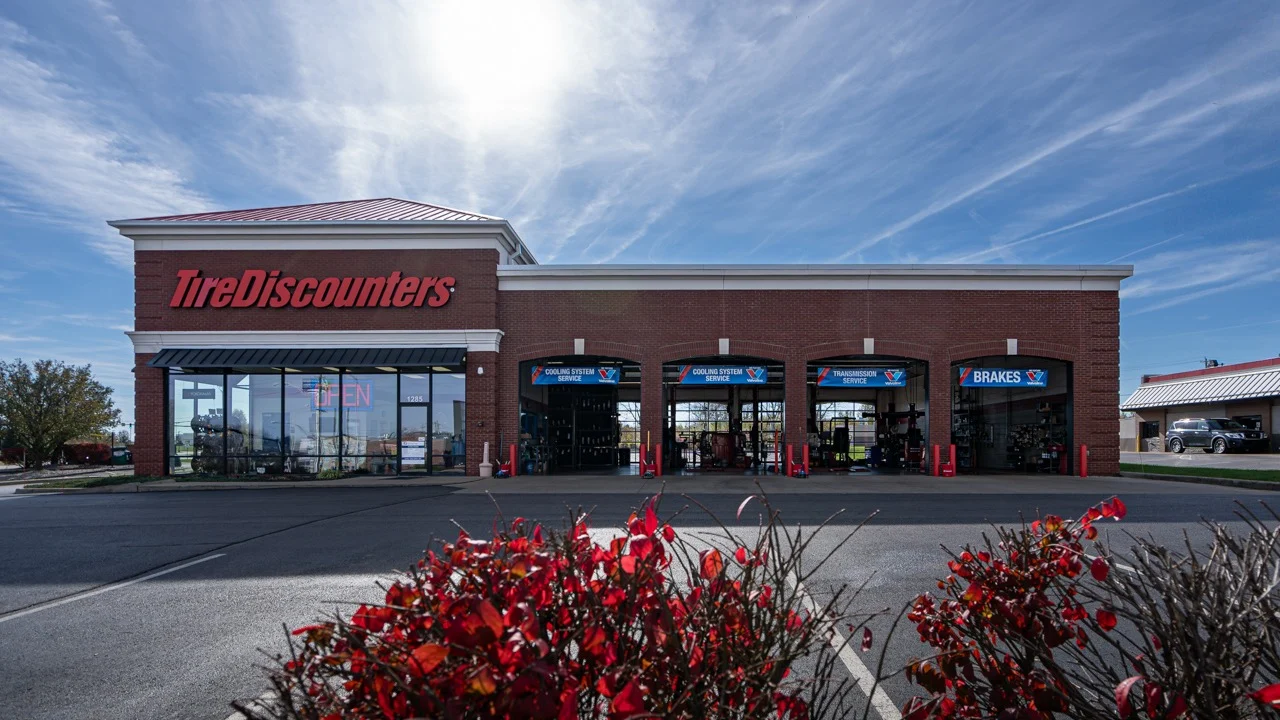 Auto Dealership Roofing in Providence, RI
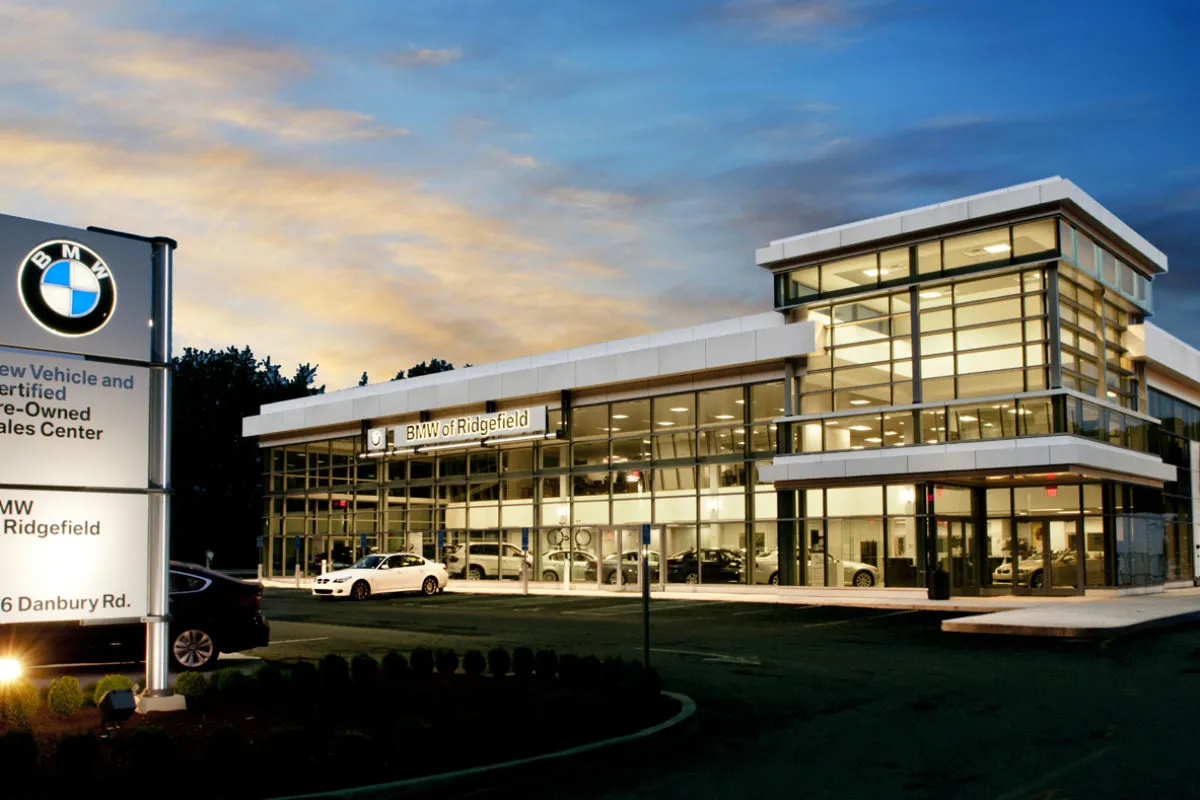 Automotive Manufacturing Roofing in Providence, RI
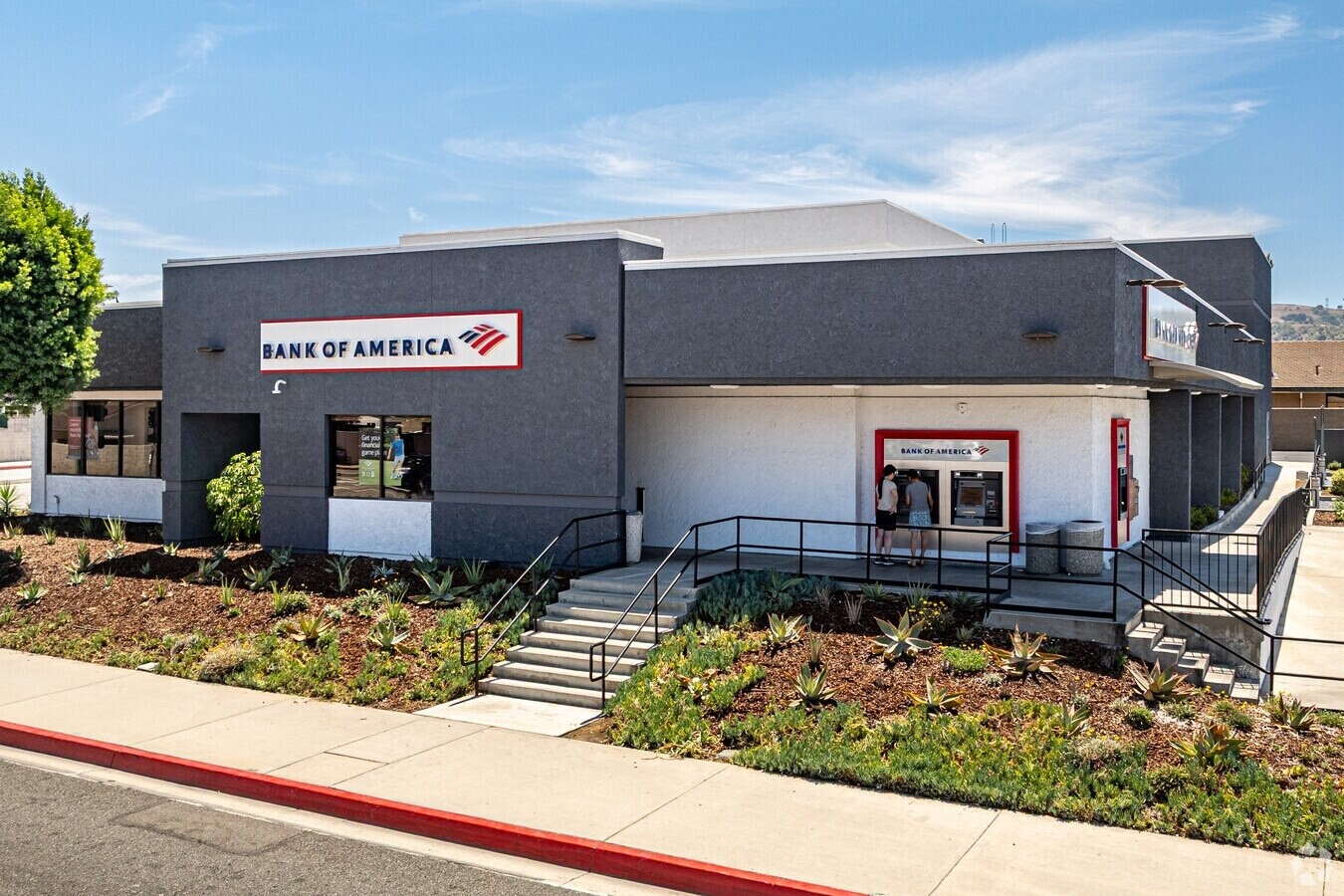 Bank Financial Building Roofing in Providence, RI
 Big Box Retail Roofing in Providence, RI
 Brewery Distillery Roofing in Providence, RI
 Providence
 Warwick