
A Roof Over People Who Cannot Simply Leave
Most commercial buildings can empty out for a roof project. A senior living facility cannot. The residents live there around the clock, many are frail or have limited mobility, and a good number depend on oxygen, scheduled medication, and care that does not pause for construction. That single fact changes how we approach every assisted living community, skilled nursing home, memory care building, and independent living campus we work on across Rhode Island, from the larger continuing-care campuses in the Providence suburbs of Cranston, Warwick, and East Providence to standalone nursing homes in the Blackstone Valley and the smaller residential care homes tucked into neighborhoods statewide. The roof has to get done while the people underneath it stay safe, calm, and dry.
Senior living buildings also tend to be roofing puzzles rather than single clean rectangles. A campus often combines a multi-story residential wing with a low-slope roof, a dining and commons area under its own membrane, a covered entry or porte-cochere, and sometimes a clinical or memory-care addition built years after the original. Each section ages on its own schedule and was likely roofed by a different contractor in a different decade. We map the whole building first so we are managing one coordinated roof plan, not a series of disconnected patches.
The Indoor Environment Is Warm, Humid, and Constant
A care facility runs warm and humid every hour of the year. Kitchens serve three meals a day, laundries run constantly, bathing and therapy rooms add moisture, and the building is heated aggressively because the residents need it. All of that water vapor rises toward a cold roof deck through a Rhode Island winter, and a roof assembly that ignores it will quietly soak its insulation from below while the membrane on top still looks fine. We specify the insulation and vapor control for the way a care building actually lives, so the assembly stays dry through the freeze-thaw swings the climate throws at it. Commercial kitchen and laundry exhaust also loads the roof with grease and heat at every penetration, and we detail those curbs for the punishment they take.
Air Quality and Odor Control Matter More Here
On most projects, the smell of roofing adhesive and hot-air welding is just part of the job. In a building full of elderly residents, many with respiratory conditions, fumes drifting into a hallway or a resident's room are a genuine health and comfort problem, not a nuisance. We plan tear-off sequencing, ventilation, and product selection to keep odors and dust out of occupied space, coordinate with the facility on which interior areas sit under the active work zone, and time the most disruptive steps to the building's daily rhythm.
Safety and Access Around Vulnerable Residents
The site logistics on a senior community are unlike any other building type. Ambulances and medical transport need their routes to the entrance kept clear at all times, families come and go, and residents may wander outdoors near staging or a crane pick. We fence and protect the work zone, keep debris and falling-object hazards away from walkways and the resident pickup area, and never block the paths that emergency vehicles and caregivers depend on. Where a memory care unit is involved, we coordinate closely with building occupants so secured outdoor courtyards and resident areas stay secure throughout the project. The roof work happens around the life of the building, not the other way around.
Working Over Occupied Resident Rooms
The defining constraint is that residents are directly below the roof, sleeping, resting, and receiving care while we work overhead. We never tear off more roof than we can make fully watertight by the end of the same workday, because a surprise overnight rainstorm cannot be allowed to send water into a resident's room or a medication area. We protect interior finishes below an active section before the first fastener comes out, schedule noisy work for waking hours rather than rest periods, and stage the project wing by wing so the disruption to any one group of residents stays brief. A leak in a care facility is never just a maintenance ticket; it can mean relocating a frail resident, and that is exactly what careful sequencing prevents.
What New England Weather Does to These Buildings
Rhode Island's climate is hard on the broad low-slope roofs that residential wings and commons areas are built with, and the stakes are higher when the building never closes.
- Heavy snow piles onto flat roofs and sits for weeks, and on a heated care building the warmth rising from below melts the underside of that snowpack and feeds ice dams that back water up under the membrane
- Ice damming along eaves and at the cold edges of unheated additions pushes meltwater backward under the roofing, right above resident rooms and corridors
- Nor'easters drive rain sideways into rooftop equipment curbs, parapet walls, and the transitions where additions meet the original building
- Repeated freeze-thaw cycling works at every seam and flashing all winter, and ponding water in a low spot becomes a sheet of ice that leaks in spring
- For facilities on Aquidneck Island, around Newport, and along the South County shore, salt in the coastal air corrodes rooftop metal and fasteners faster than it does inland
Because the building is occupied every day of these seasons, the margin for a roof problem is thin, and the response when one appears has to be fast.
Inspection and Maintenance Tuned to a 24-Hour Building
The smartest money a care facility spends on its roof is on getting ahead of problems before winter. A tired flashing, a clogged drain, or a lifted seam caught on a scheduled spring or fall roof walk is a quiet weekday repair; the same defect discovered after a January thaw sends water into a resident wing is a cleanup, an insurance claim, and possibly a resident relocation. We run inspection and maintenance programs timed to the seasons, with drains cleared, seams and flashings verified, and kitchen and laundry exhaust penetrations checked before the hard-weather months. We also photograph and document everything, which gives administrators a clean record for capital planning, warranty questions, and any insurance issue after a storm.
What a Senior Living Roof Assessment Covers
- Condition of the membrane field and insulation, with attention to moisture trapped from the building's constant interior humidity
- Drainage performance and ponding that drives winter ice and spring leaks over occupied rooms
- Kitchen, laundry, and bathing-area exhaust curbs and the grease and heat they put on the roof
- Wall and roof transitions where residential, commons, and clinical additions meet
- Coastal corrosion exposure on rooftop metal and fasteners where the campus sits near salt water
Reroofing, Restoration, and Repair
Plenty of care-facility roofs do not need a full tear-off, and we will not push one a building does not warrant. Where the membrane is weathered but the deck and insulation remain sound, a coating or restoration system can add reflective, watertight years with far less disruption to residents. Where a roof is saturated or genuinely at the end of its life, we reroof with single-ply or modified systems matched to the slope, the rooftop load, and the demands of a humid, heavily used building, with insulation and vapor control suited to the interior. And when a leak shows up in season, we diagnose and repair it quickly, because in this building type a small leak overhead is a resident-safety matter, not just a stain on a ceiling tile.
Keep Residents Safe While the Roof Gets Done
Your roof protects people who depend on the building for their daily care and cannot easily move when something goes wrong. If your community's roof is leaking, aging, or simply overdue for a professional assessment, we will look at every roof area across the campus and lay out a plan that keeps residents safe, comfortable, and dry while we get the building watertight. Contact us to schedule a senior living facility roof assessment anywhere in Rhode Island.
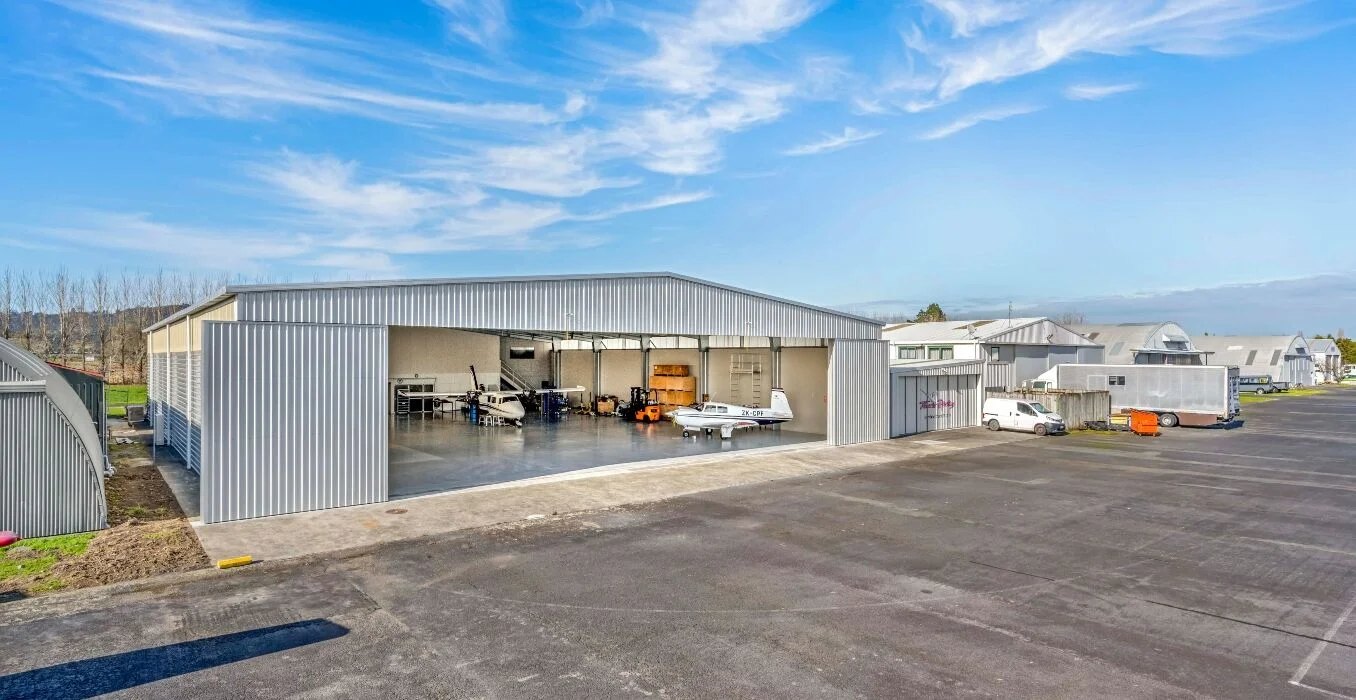 Airport Terminal Roofing in Providence, RI
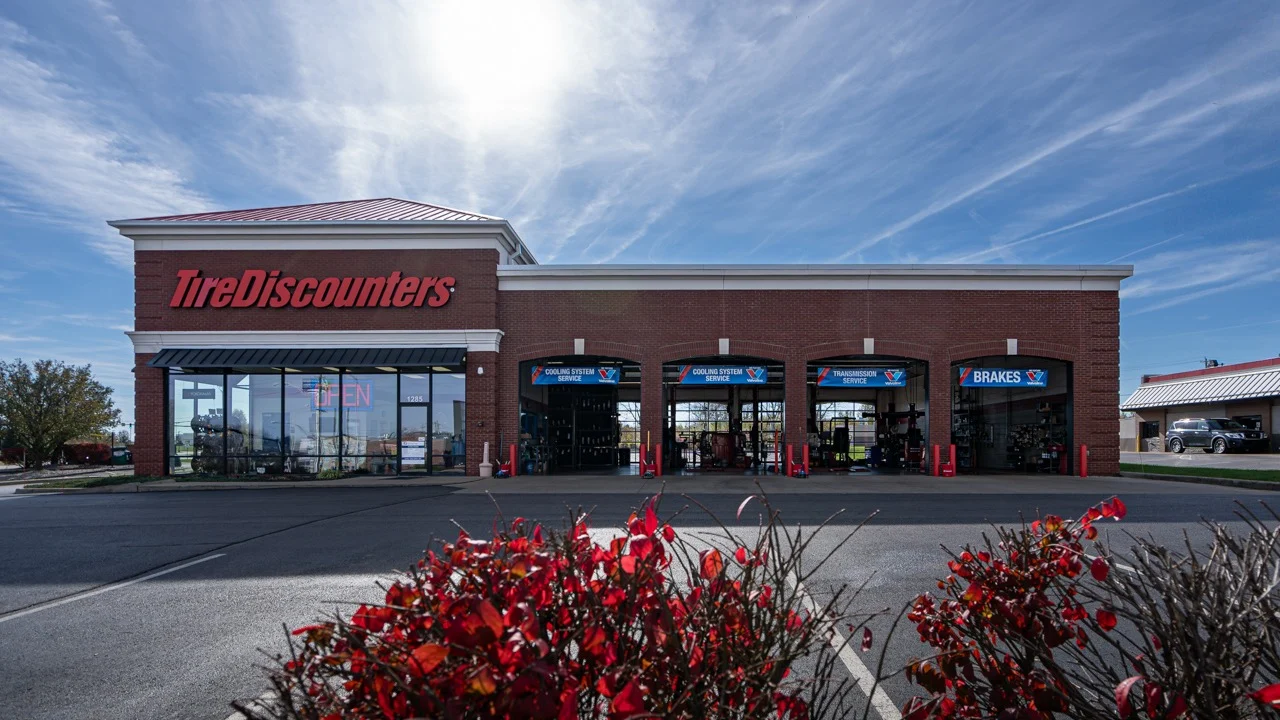 Auto Dealership Roofing in Providence, RI
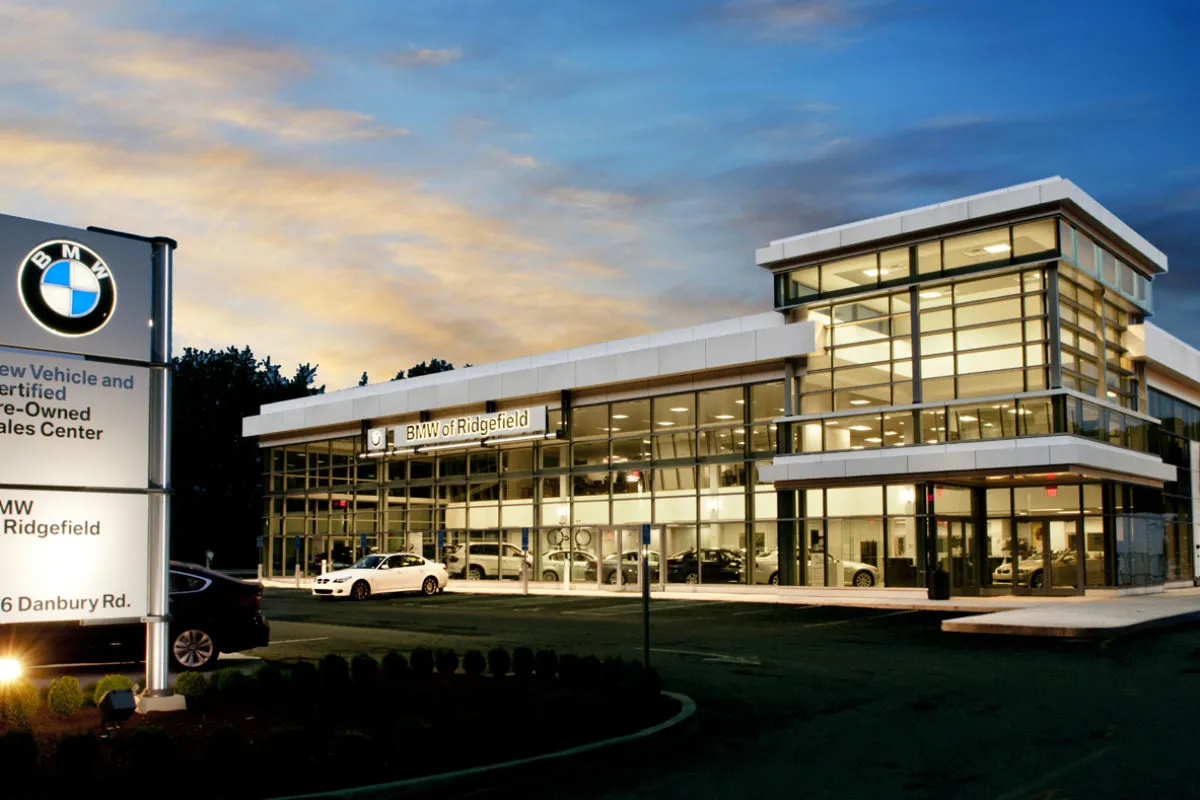 Automotive Manufacturing Roofing in Providence, RI
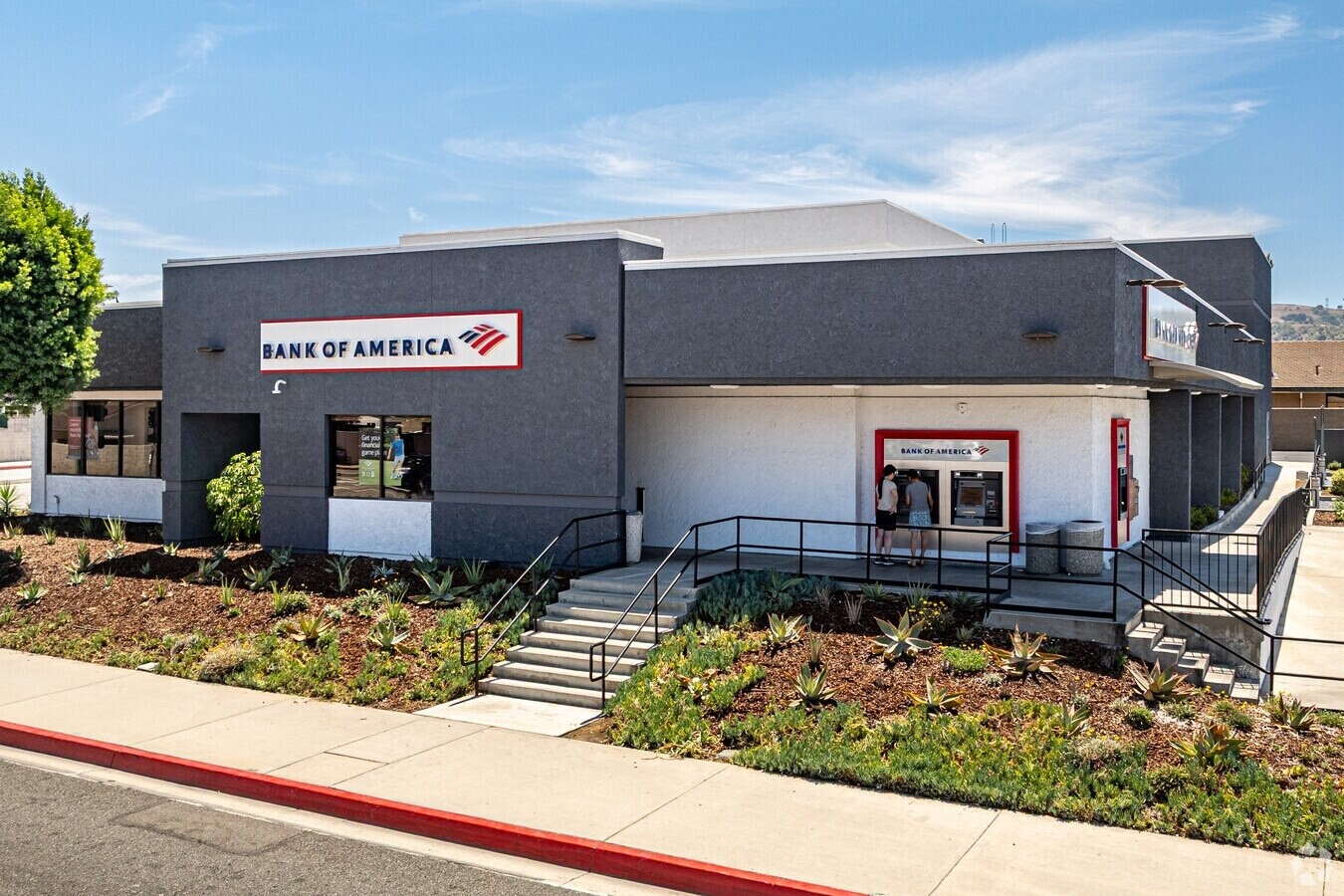 Bank Financial Building Roofing in Providence, RI
 Big Box Retail Roofing in Providence, RI
 Brewery Distillery Roofing in Providence, RI
 Providence
 Warwick