
Where Most Commercial Roof Leaks Actually Start
The wide, open field of a commercial roof is rarely where the trouble begins. Most leaks start at the flashings, the details that seal the roof everywhere it stops being a flat plane and has to turn up a wall, wrap a pipe, surround a drain, or close off the edge. Those transitions are where the membrane is most stressed, most exposed to movement, and most dependent on careful workmanship. When flashing fails, water gets behind the system and into the building, often well away from where it finally drips inside. Repairing flashing correctly is one of the most common and most valuable things we do on commercial roofs, because a small, well-executed flashing repair can save the entire roof from a slow, hidden soak.
We handle flashing repair on low-slope commercial and industrial buildings across all of Rhode Island, from the Providence metro and the downtown office and hospital district to industrial roofs at Quonset Business Park and the aging mill buildings of the Blackstone and Pawtuxet valleys. The principle is the same on every roof: find where the seal has broken, understand why it broke, and rebuild the detail so it holds.
The Flashing Details That Fail
Flashing is a category, not a single thing, and each type fails in its own way. Knowing which detail is letting go is half the repair.
- Base and wall flashing. Where the roof membrane turns up a parapet or an adjoining wall, the flashing has to stay bonded and the termination at the top has to stay sealed. Adhesive lets go, terminations pull loose, and counterflashing or coping above can funnel water behind the whole assembly.
- Curb flashing at rooftop equipment. HVAC units, exhaust fans, and skylights all sit on curbs that the membrane has to wrap and seal. Corners are the weak point, and the constant vibration and thermal movement of equipment work the detail loose over time.
- Pipe boots and penetration seals. Every pipe, conduit, and vent through the roof is sealed with a boot or a flashing that cracks, splits, or pulls away with age and temperature swing, opening a direct path for water down the penetration.
- Drain flashing. The seal around a roof drain takes water by design, and a failed clamping ring or a deteriorated membrane lap at the drain bowl lets water bypass the drain and enter the deck exactly where the most water concentrates.
- Edge metal and termination bars. At the roof perimeter, loose or corroded edge metal and failed termination bars let wind and water get under the membrane edge.
Diagnosing Before We Repair
A flashing leak is rarely directly above the stain on the ceiling. Water enters at the failed detail, runs along the deck or between layers, and surfaces somewhere else entirely. So we start by tracing the leak back to its true source rather than patching the nearest suspicious spot. We inspect the flashings around the area, check the condition of terminations and seals, and look for the telltale signs of where water has actually been traveling. Where moisture has migrated into the insulation, we determine how far it has spread, because a flashing repair over saturated insulation only traps the wetness in place. The goal is to fix the cause, not chase the symptom, so the repair actually ends the leak instead of relocating it.
Matching the Repair to the Roof System
How we rebuild a flashing depends on what kind of roof it is. A failed wall flashing on a TPO or PVC roof is repaired with heat-welded membrane and the appropriate detailing; on an EPDM roof, the repair uses compatible membrane and bonding adhesives with properly seamed laps; on a built-up or modified bitumen roof, the flashing is rebuilt with compatible plies and flashing materials. Using materials that are right for the existing system, and detailing corners and terminations the way that system requires, is what separates a repair that lasts from one that fails again at the next freeze-thaw swing. We repair to the system that is actually on your roof rather than forcing one method onto every job.
Why Flashings Fail on Rhode Island Roofs
The conditions across this state are hard on exactly the details that flashing depends on, and the local building stock concentrates the problem.
- Freeze-thaw cycling. The repeated expansion and contraction of a New England winter works relentlessly on every flashing joint and termination. Sealants harden and crack, adhesives lose grip, and laps that were once tight open up. On the 19th-century mill roofs of Pawtucket, Woonsocket, and West Warwick, decades of this cycling have left many flashings at the end of their service life even where the field membrane still has years left.
- Snow and ice at the edges. Heavy snow load and ice damming concentrate water and force it under flashings and edge details at exactly the points designed to keep it out. A flashing that sheds rain fine can fail under the standing pressure of meltwater backed up behind an ice dam.
- Coastal salt corrosion. On Aquidneck Island, in Newport and Middletown, and along the South County coast, salt air corrodes metal counterflashing, termination bars, drain rings, and fasteners. Corroded metal lets the membrane edge loosen and opens gaps that water exploits.
- Equipment movement. On busy industrial roofs like those at Quonset, the constant operation of rooftop units transmits vibration and thermal cycling into the curb flashings around them, loosening the very corners that are hardest to seal.
Repair Now or Pay for It Later
A failed flashing almost never gets better on its own. Left alone, it keeps feeding water into the deck and the insulation, and what starts as a single bad detail turns into wet insulation across a wide area, a corroded deck, and eventually a roof that needs replacing well before its time. Catching and rebuilding a flashing while the damage is still local is one of the highest-value repairs on any commercial roof. We are also direct about the moment when flashings have failed so widely that piecemeal repair stops making sense and a recoat or replacement is the better investment, so you are not installing repair money into a roof that needs a bigger decision.
Keeping Flashings Sound Over Time
Because flashings are where roofs leak first, they are also where regular attention pays off most. Looking at the terminations, the curbs, the penetrations, and the drains periodically, and resealing or rebuilding details before they open all the way, prevents the sudden interior leak and the hidden soak that does the real damage. If you have a leak you suspect is coming from a flashing, or you want the details on your roof checked before the next hard winter, reach out and we will trace it to the source and rebuild it to last.
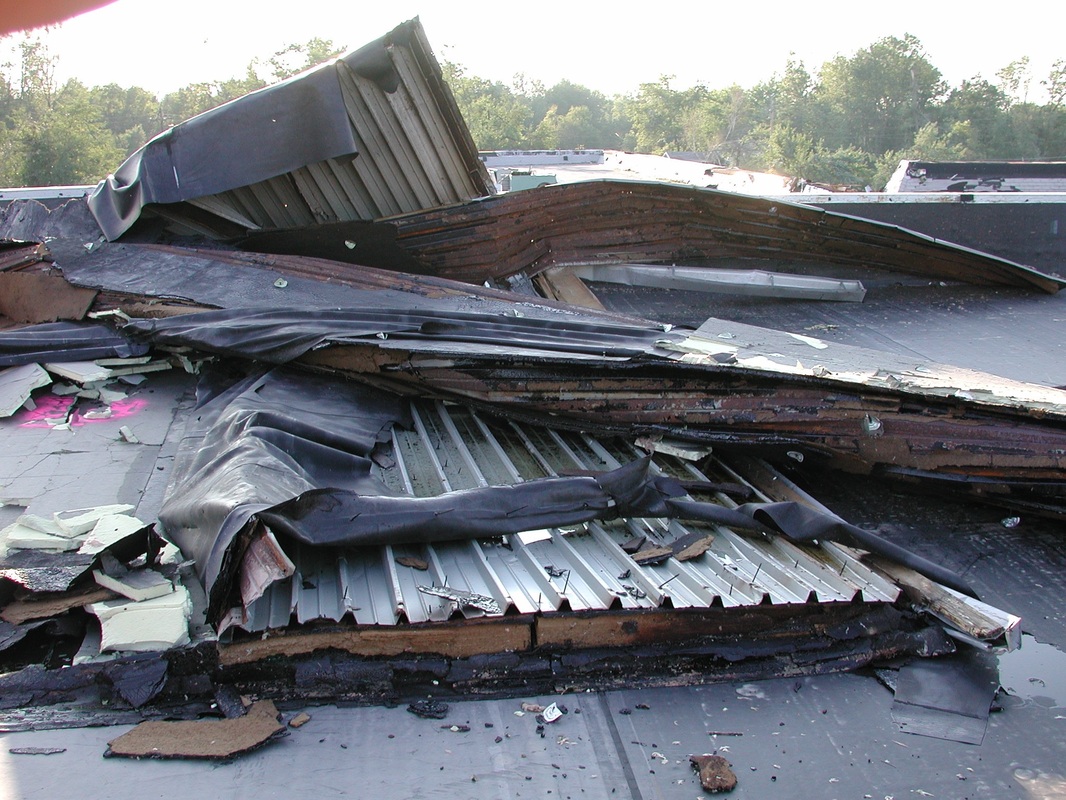 Emergency Tarping in Providence, RI
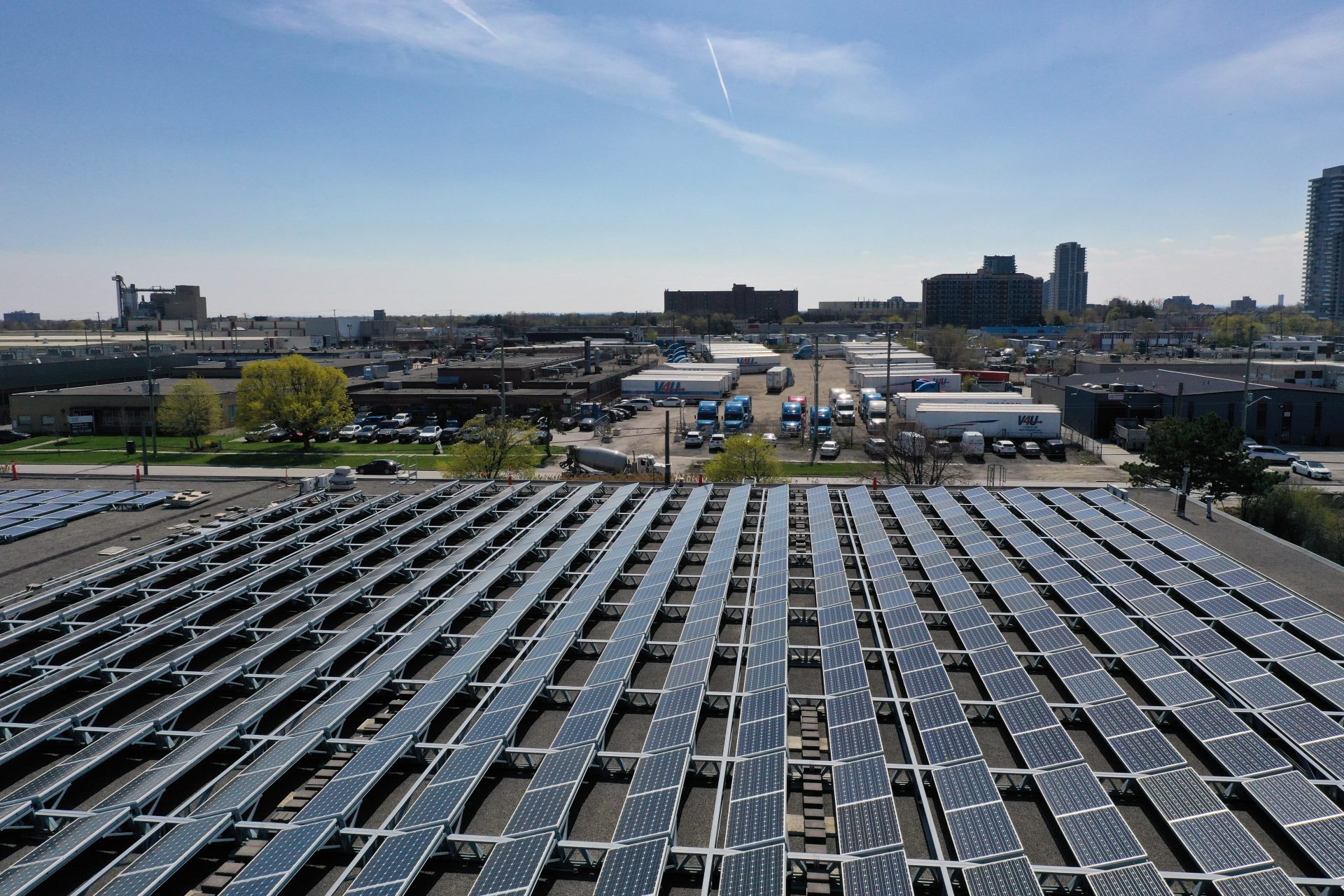 Hail Puncture Repair in Providence, RI
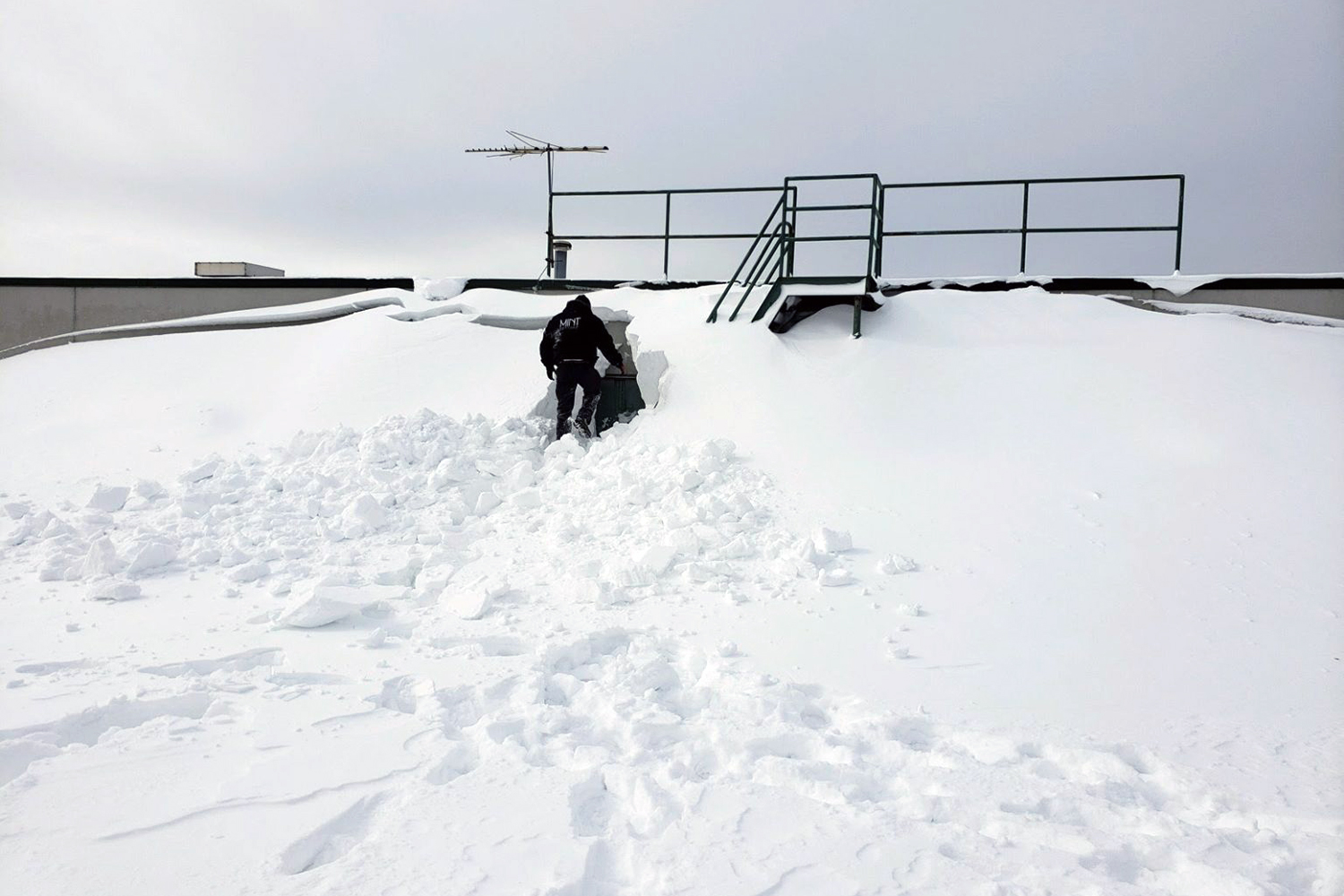 Ice Dam and Snow Load Damage in Providence, RI
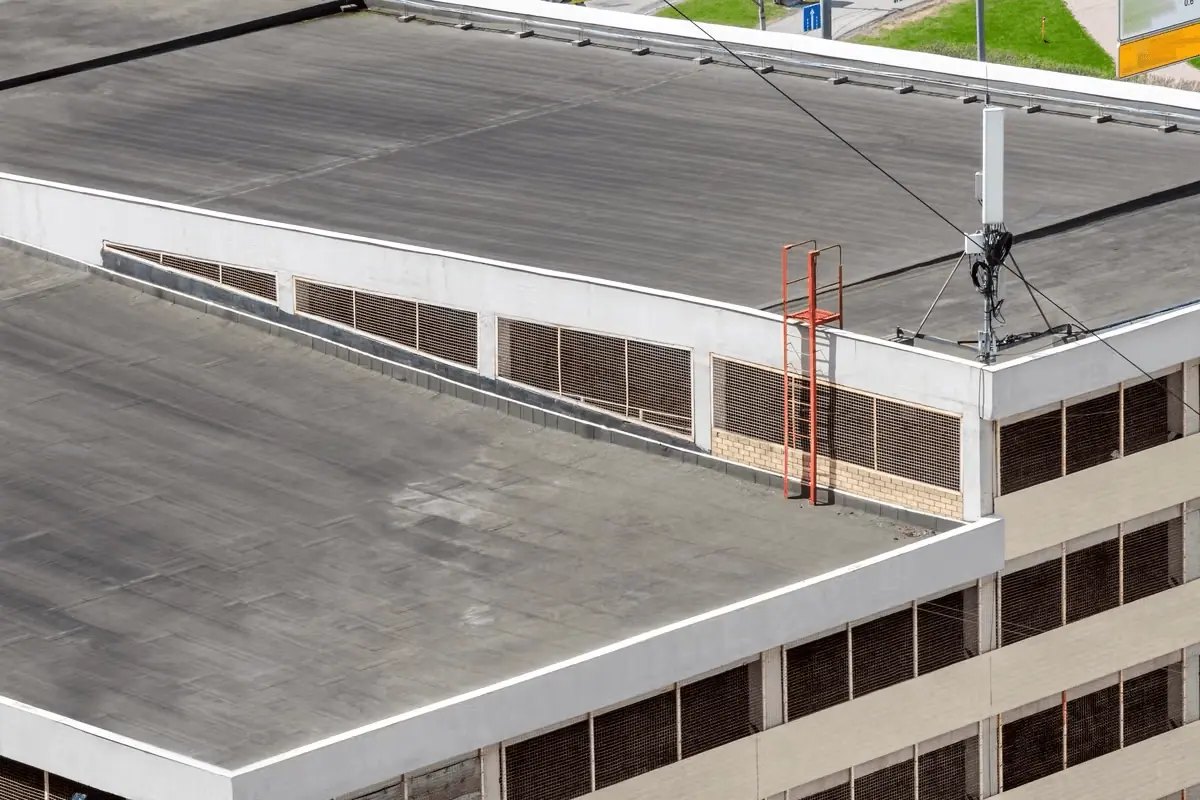 Insurance Scope Support in Providence, RI
 Membrane Seam Failure in Providence, RI
 Metal Roof Corrosion in Providence, RI
 Providence
 Warwick