Stopping Corrosion on Commercial Metal Roofs
Metal roofs do not fail the way a membrane fails. They fail slowly, from the edges of a scratch, around a fastener, at a lap seam, and along the eave where water sits longest. Once the protective coating or galvanizing is breached, oxidation gets underneath and works outward, and a panel that looked fine two years ago can be perforated through by the time the rust shows from the ground. We repair and arrest corrosion on standing seam, R-panel, and through-fastened metal roofs on commercial and industrial buildings throughout Rhode Island, from the warehouses at Quonset Business Park to manufacturing plants and agricultural-style structures in the western part of the state.
Why metal roofs corrode faster here
Rhode Island puts metal roofs under conditions that accelerate corrosion. The state's exposure to the Atlantic means salt is in the air far inland of the immediate shoreline, and on Aquidneck Island, in Newport, and across South County that salt load is relentless. Salt is hygroscopic, so it holds moisture against the metal and keeps a corrosion cell active long after a rain has dried elsewhere. Add the freeze-thaw cycling of a New England winter, which flexes panels and works fasteners loose, and the constant wet-dry swings of our coastal climate, and you have an environment that finds every weak point in a coating.
The corrosion we are called out to repair tends to start in predictable places:
- Fastener heads and the washers under them, where a failed neoprene washer lets water sit against the screw and the panel around it rusts in a ring.
- Lap seams and side laps, where capillary action draws water in and holds it against bare or scratched metal.
- Cut edges and panel ends, where the factory coating does not cover the raw steel exposed by shearing.
- Eaves and valleys, where water concentrates, sits, and carries debris that traps moisture.
- Galvanic spots where dissimilar metals contact each other, such as a copper or aluminum component against a steel panel.
Diagnosing How Far the Corrosion Has Gone
The critical question on any rusting metal roof is whether the corrosion is surface staining on an otherwise sound panel or whether it has eaten through the steel. We inspect from the surface and from underneath where access allows, checking the deck side of panels for rust blooming through, sounding suspect areas, and identifying whether fasteners have lost their grip in a corroded substrate. We also look for the cause, because a roof that is rusting at every lap has a different problem than one rusting only at a few damaged fasteners, and the repair scope follows from that.
Surface corrosion we can arrest
Where the steel still has integrity, corrosion can be stopped and the roof's life extended substantially. We mechanically remove loose rust and scale, treat the bare metal, and apply a corrosion-inhibiting primer followed by a compatible coating. On larger areas, a full restoration coating over the whole roof can encapsulate minor surface corrosion, seal seams and fastener heads, and reflect heat off the building. This is often the most cost-effective path for a structurally sound metal roof that has lost its original finish but is not yet perforated.
Perforation and structural loss
Where rust has gone through the panel, coating over it accomplishes nothing, because you are painting over a hole. In those areas we cut out and replace the affected panels, re-detail the laps, and re-fasten into sound substrate, often upgrading to better fasteners and washers than the originals. If fasteners are pulling out because the steel around them has corroded, we install larger-diameter fasteners that bite into fresh material. We will be straight with you about which sections need replacement versus restoration, because spending coating money on a roof that needs new panels is wasted, and we would rather scope it correctly the first time.
Fastener and Seam Failure
Through-fastened metal roofs have hundreds or thousands of penetrations, and every one is a place corrosion can start. The washers fail with age and UV, the holes elongate as panels expand and contract through Rhode Island's wide temperature swings, and water finds its way in. We re-fasten roofs that have reached this stage, replacing failed fasteners, sealing seams, and addressing the corrosion that the leaks have caused around them. On standing seam roofs, where the fasteners are concealed and the panels float on clips, we focus on the seams, the clips, and the terminations, all of which can corrode and let go.
Protecting the Investment Going Forward
A metal roof that has been properly repaired and recoated needs the coating maintained, and salt-exposed roofs near the water need closer attention than inland ones. After we arrest corrosion and restore a roof, we can advise on a maintenance interval that fits its exposure, so a building owner in Newport or along the South County shore is not back to bare metal in a few seasons. The goal is to get the full service life out of the metal that is already on the building rather than replacing it before it is necessary.
Statewide coverage for metal roof repair
We work on commercial and industrial metal roofs across all 39 Rhode Island towns, including the industrial roofs at Quonset Business Park, manufacturing and distribution buildings throughout the state, and coastal commercial structures where salt corrosion is the dominant threat. Whether you have a few rusted fasteners over a critical area or widespread corrosion that needs a restoration plan, we diagnose how far it has progressed, stop it where the metal is still sound, and replace what is too far gone to save.
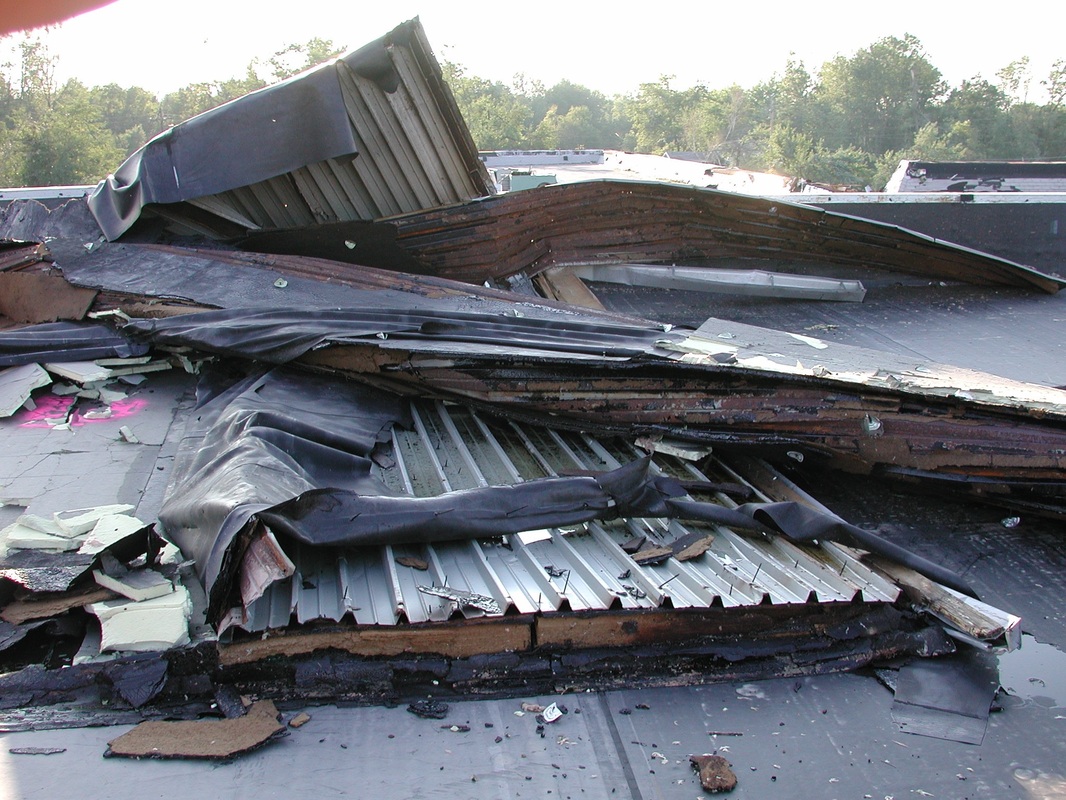 Emergency Tarping in Providence, RI
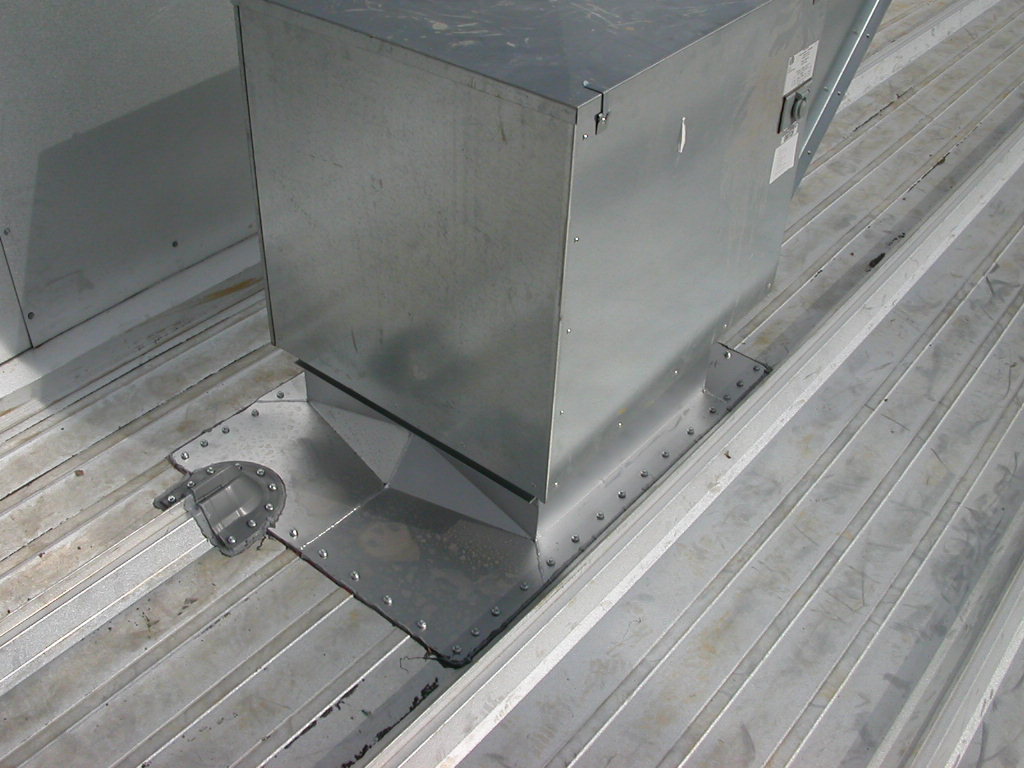 Flashing Failure Repair in Providence, RI
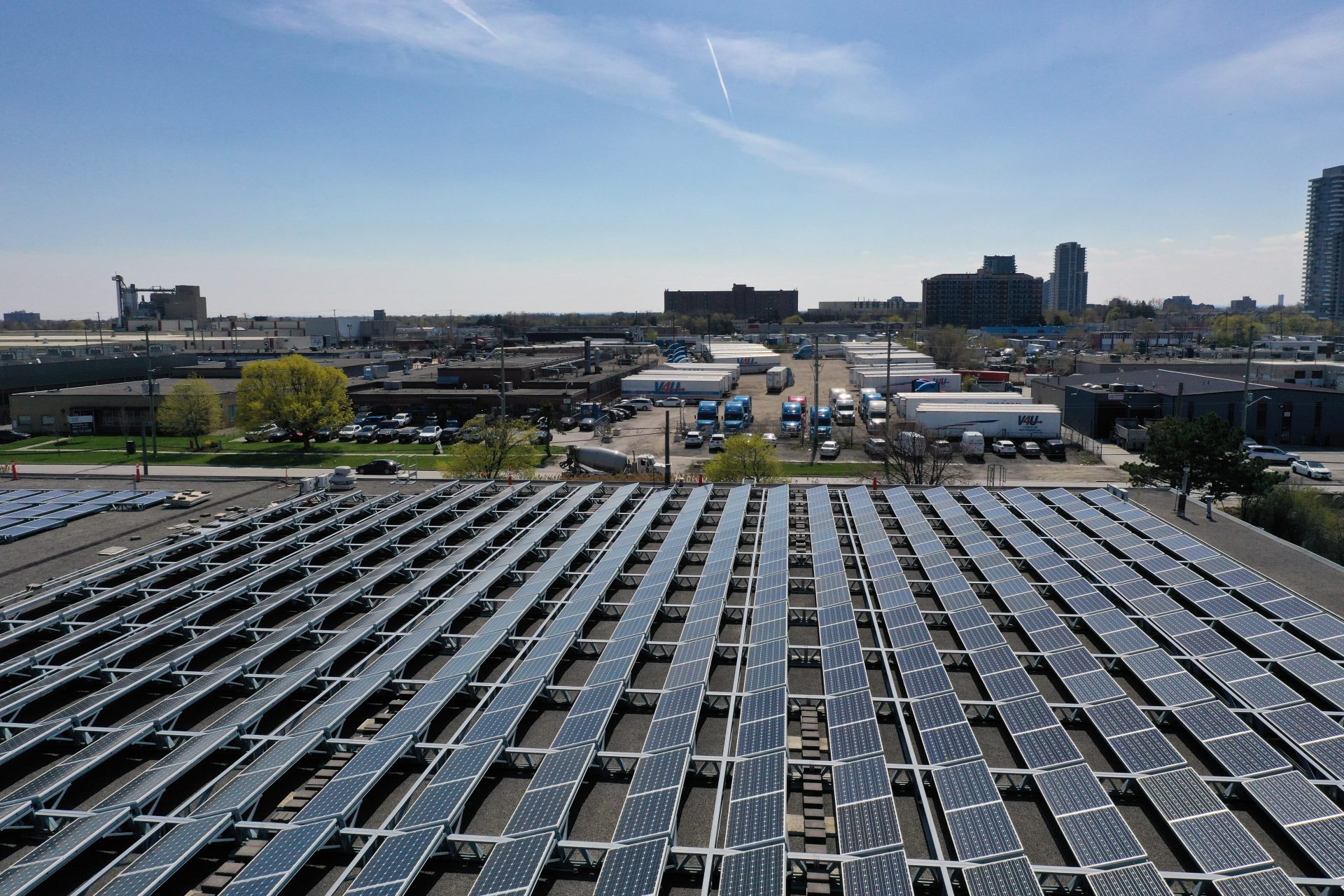 Hail Puncture Repair in Providence, RI
 Ice Dam and Snow Load Damage in Providence, RI
 Insurance Scope Support in Providence, RI
 Membrane Seam Failure in Providence, RI
 Providence
 Warwick