
Hail Puncture Repair on Rhode Island Commercial Roofs
Hail does not have to be golf-ball sized to wreck a single-ply membrane. A fast-moving cell pushing pea- and dime-sized stones across a low-slope roof can bruise the membrane, fracture the protective coating, and drive small punctures straight through the seam edges and around fasteners. On a warehouse off Route 95 or a mill building in Pawtucket, that damage often sits unnoticed until the next nor'easter drives water through every opening at once. We repair hail-punctured commercial roofs across Rhode Island, from the Providence metro out to the South County coast, and we make sure the fix matches what actually failed.
The tricky part with hail is that the worst of it is rarely visible from the ground or even from a walk-around. Impact damage shows up as soft spots, circular fracturing in the granule surface, and hairline splits that only open under foot traffic or thermal cycling. We treat hail repair as a two-part job: find every strike that compromised the membrane, then restore the assembly so it sheds water and holds up to Rhode Island's freeze-thaw winters.
How Hail Damages the Membranes We See Here
Rhode Island's commercial roof stock is a mix of single-ply, modified bitumen, and older built-up systems, and hail hits each one differently. Knowing the membrane tells us where to look.
TPO and PVC
Thermoplastic membranes can take moderate hail without an immediate breach, but repeated impacts thin the top ply and crack the reinforcement scrim underneath. Once the scrim is fractured, the sheet loses tensile strength and tears open at the next wind event. We probe suspect areas and check seam welds near impact zones, because hail that lands on a seam edge often lifts it just enough to wick water.
EPDM
Black EPDM is rubber, so it flexes under impact, but aged membrane that has lost plasticizer turns brittle. On a twenty-year-old EPDM roof over a West Warwick facility, hail can leave star-shaped punctures and split the sheet around penetration boots. We patch with cured or uncured membrane and target the field seams and flashings, which are where brittle EPDM gives way first.
Modified Bitumen and Built-Up
On mod-bit and BUR roofs common on older commercial buildings, hail fractures the surface granules and exposes the asphalt below to UV. Punctures here are smaller but the surrounding bruising accelerates aging. We cut out fractured plies, rebuild the layers, and re-surface so the repair ties cleanly into the surrounding field.
Finding Every Strike, Not Just the Obvious Ones
A hail claim or a hail repair that misses half the punctures is worse than no repair, because it leaves water entering a roof the owner now believes is fixed. Our inspection covers the whole roof plane, not just the area above the reported leak.
- We chalk and flag each impact mark and membrane break so nothing gets walked over twice or missed.
- We inspect seams, T-joints, and flashing terminations near impact clusters, since hail loosens these before it punches clean holes in the field.
- We check penetration boots, pitch pans, drains, and curb flashings, which take impact at odd angles and split easily.
- We probe soft or spongy areas underfoot, a sign the membrane is fractured and water has already reached the insulation.
- On larger roofs, we map the damage so phased repairs and any insurance documentation reference the same locations.
Because hail tends to fall in bands, the damage on one slope can be heavy while the adjacent slope is untouched. We document that variation so a partial repair is defensible and a full-roof decision is made on facts, not guesses.
The Repairs We Make
What we install depends on the membrane and the extent of the breach. Small, isolated punctures in sound membrane get a targeted patch. Widespread fracturing over wet insulation means cut-and-replace.
Targeted Membrane Patching
For clean punctures in membrane that still has life left, we clean and prime the area, then heat-weld a TPO or PVC patch, or apply cured EPDM with the correct primer and seam tape. Patches extend well past the puncture so the bond carries load away from the damaged spot. Every patch edge gets sealed and checked.
Cut-and-Replace Over Wet Insulation
When a puncture has let water into the insulation, patching the top only traps the moisture and rots the deck. We cut back to dry material, remove and replace the saturated insulation, then tie new membrane into the existing field with a watertight transition. This is the only honest fix once the substrate is wet.
Flashing and Detail Restoration
Hail damage at curbs, drains, and penetrations gets new flashing rather than a smear of sealant. On Rhode Island roofs that face heavy snow load and ice damming, weak flashing details are exactly where the next winter's water finds its way in, so we rebuild them to shed and drain.
Documentation That Holds Up
Many hail repairs run alongside an insurance claim, and the owner needs a clear record of what was damaged and what was done. We photograph impact marks, punctures, and wet areas before we touch anything, note locations against a roof plan, and keep a record of the membrane type, the repair method, and the materials used. We do not adjust claims or speak for any carrier, but we give property owners and managers the on-roof facts they need to make their case and to plan a budget.
Why Hail Repair Matters in Rhode Island
Even a small puncture is a problem here because of what follows the storm. Water that enters in a summer hailstorm sits in the insulation through fall, then freezes and expands through a New England winter, widening the breach and lifting seams. By spring a dime-sized hole has become a saturated bay and a stained ceiling below. The coastal humidity on Aquidneck Island and along the South County shore keeps trapped moisture from drying out, so the damage compounds.
We work across all thirty-nine Rhode Island towns, on industrial roofs at Quonset Business Park, on downtown Providence and hospital-district buildings, and on the aging low-slope roofs that cover the nineteenth-century textile mills in Pawtucket and Woonsocket. After a hailstorm, the buildings most at risk are the ones already carrying older, weathered membrane. We get on the roof, find the real damage, and repair it so the next storm season does not turn a few punctures into a tear-off.
After the Storm
If hail has moved through your area and you manage a commercial building, the time to look is now, not after the ceiling stains appear. We inspect the full roof, give you a straight account of what we find, and recommend the smallest repair that genuinely solves the problem. Where the membrane is sound, that means targeted patching. Where water has already gotten in, we say so and fix it correctly. Either way, you get a watertight roof and a clear record of what happened to it.
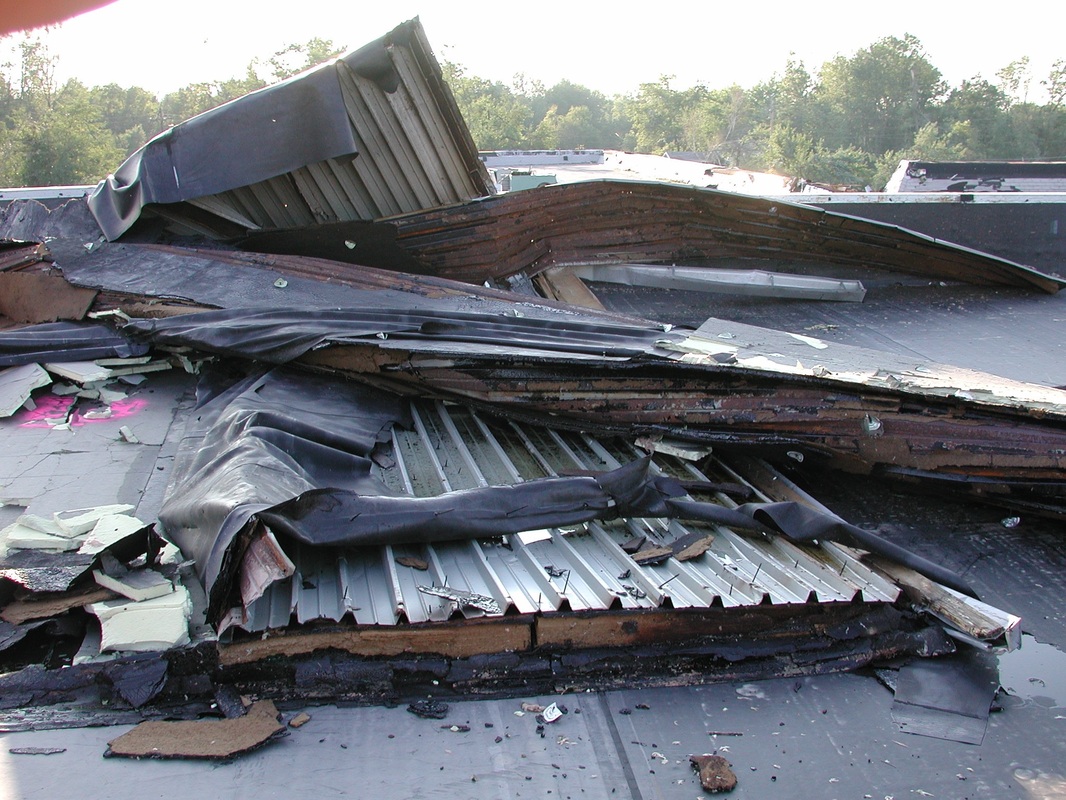 Emergency Tarping in Providence, RI
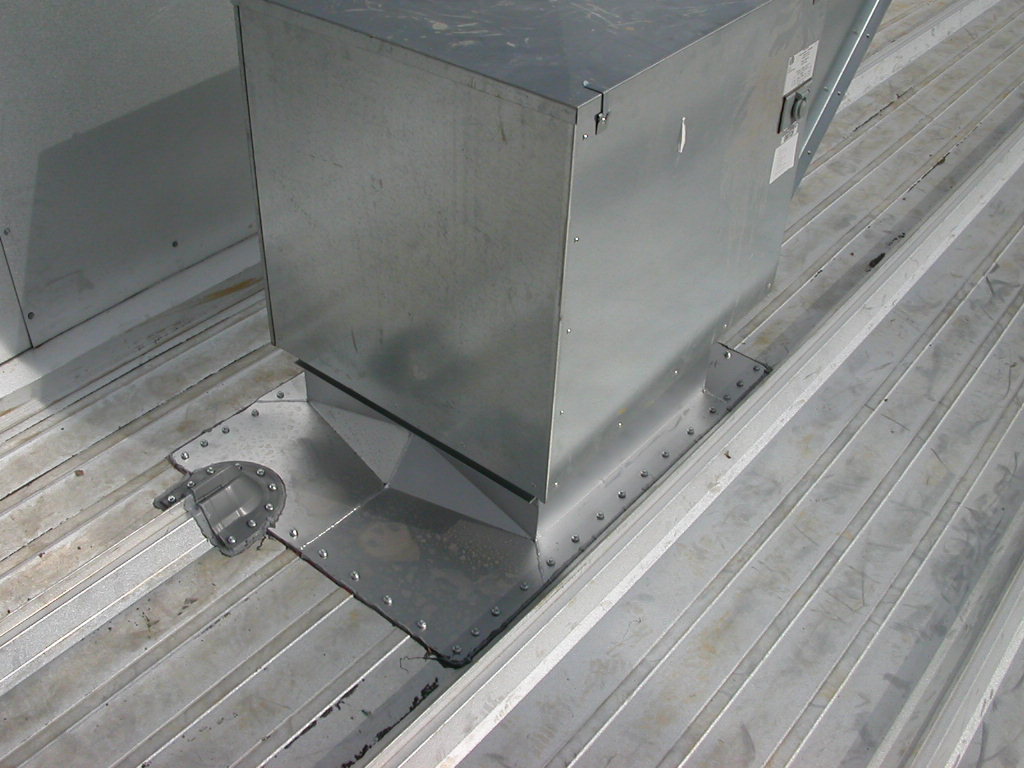 Flashing Failure Repair in Providence, RI
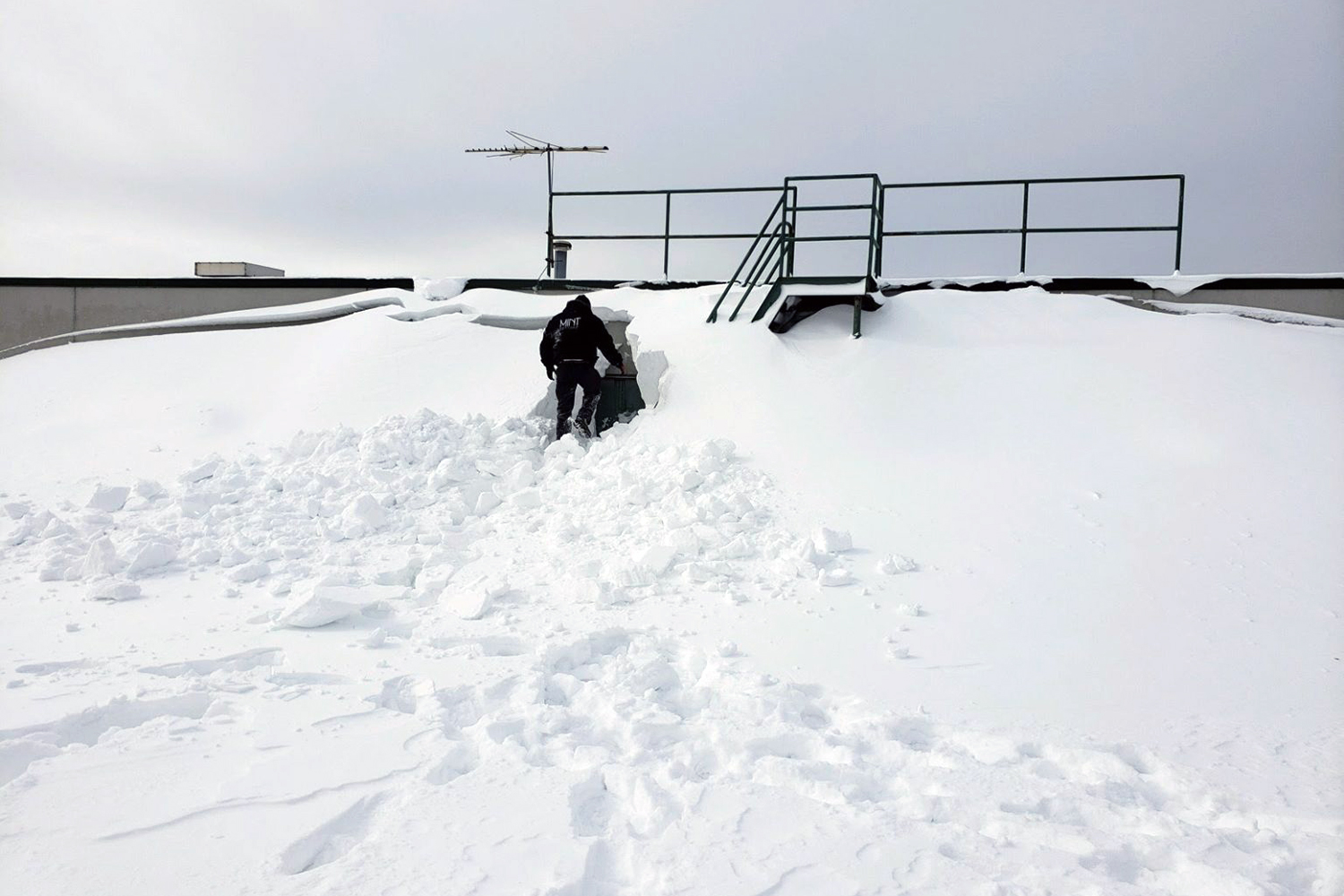 Ice Dam and Snow Load Damage in Providence, RI
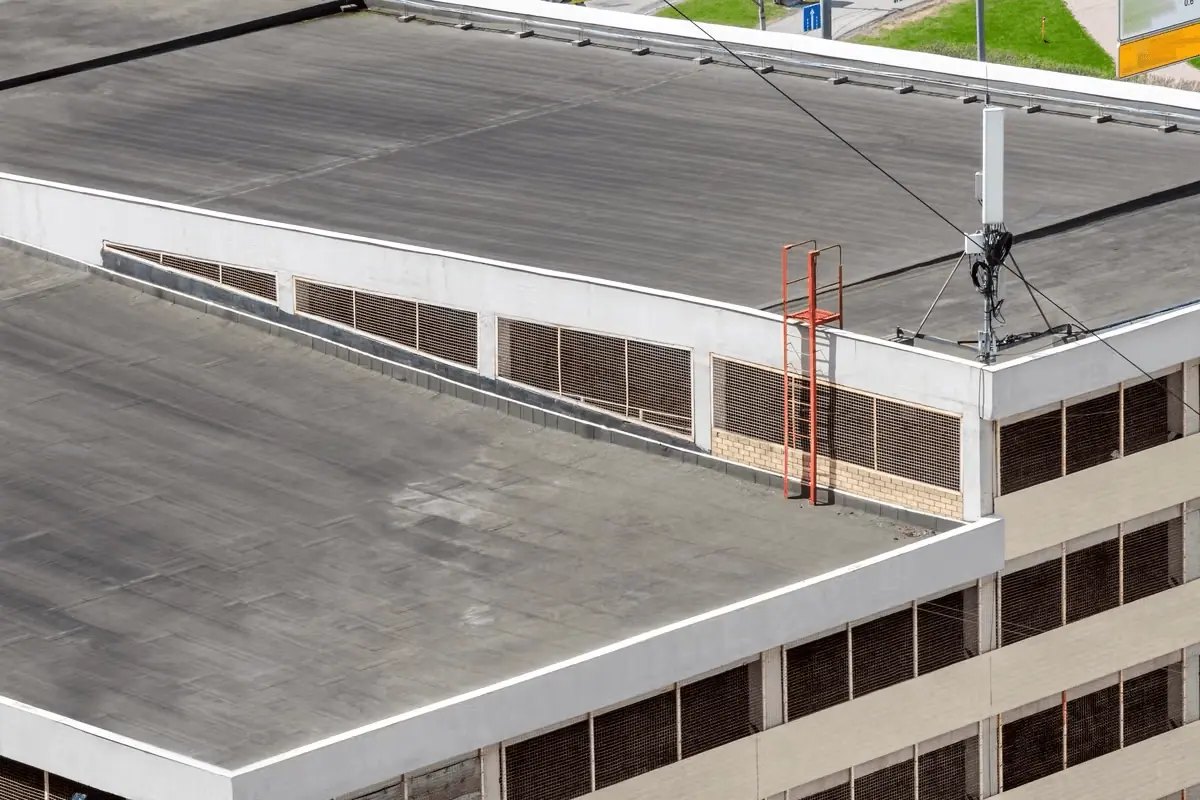 Insurance Scope Support in Providence, RI
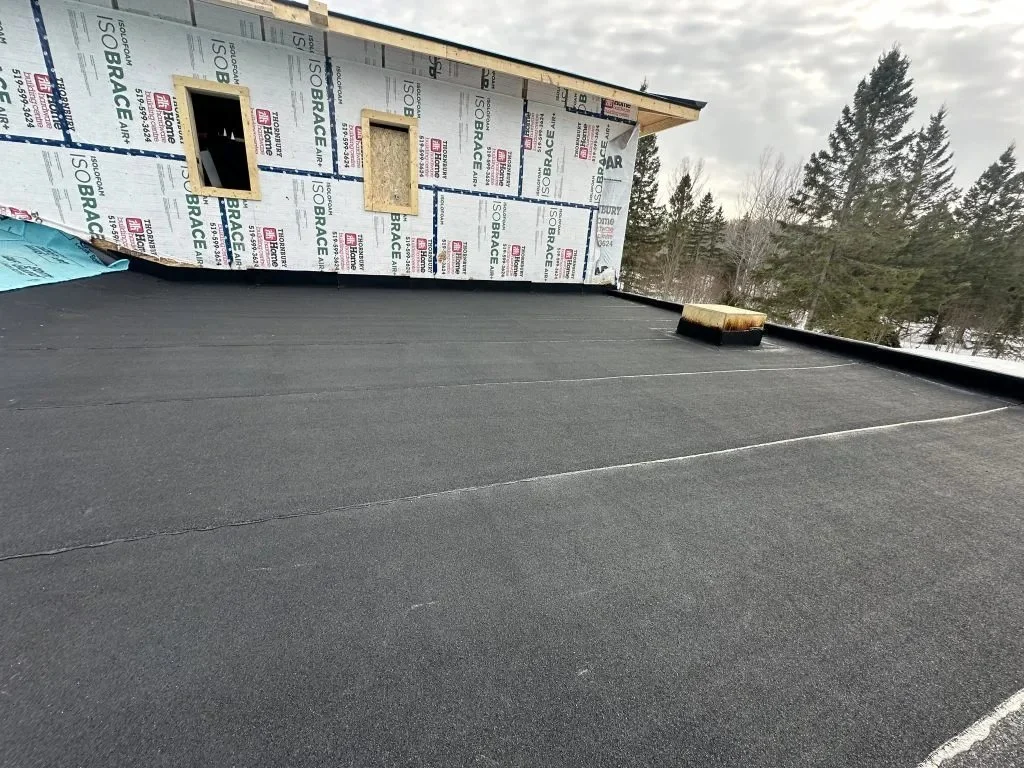 Membrane Seam Failure in Providence, RI
 Metal Roof Corrosion in Providence, RI
 Providence
 Warwick