
Correcting Ponding Water on Low-Slope Commercial Roofs
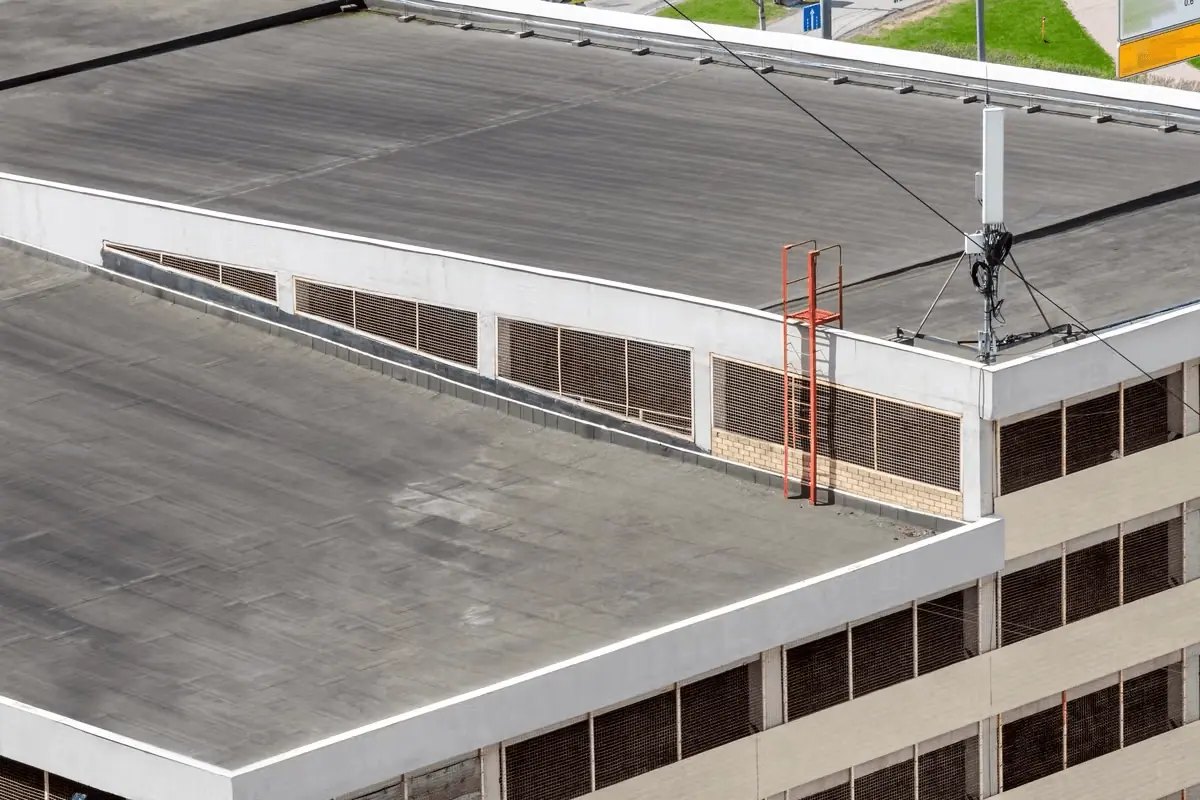
Standing water on a flat roof is not normal, even though so many building owners have come to treat it as if it were. A properly functioning low-slope roof drains within roughly 48 hours of a rain. Water that sits longer than that, leaving rings of dirt, algae, and silt where puddles evaporate, is doing real damage every day it stays there. We correct ponding water on commercial and industrial flat roofs throughout Rhode Island, getting to the cause of why water is not moving rather than just patching the spot where it finally found its way inside.
Why ponding is a serious problem, not a cosmetic one
Ponded water magnifies every other weakness on a roof. It accelerates membrane breakdown by holding UV-degraded water and debris against the surface, it finds and exploits any marginal seam, and it puts dead load on the structure that the deck was not necessarily designed to carry indefinitely. A single inch of standing water weighs over five pounds per square foot, and on the large flat roofs common to Rhode Island warehouses and mill buildings, a wide ponded area adds up fast. That matters most in winter. When a New England nor'easter drops heavy wet snow on a roof that already does not drain, the ponded zones become the lowest, wettest, heaviest points, and that is where deflection and overload show up first. Ponded areas are also where ice forms during freeze-thaw, prying at seams and laps with every cycle.
The causes we find behind chronic ponding fall into a few categories:
- Inadequate slope, common on older buildings and especially on the 19th-century textile mills in Pawtucket, Woonsocket, and West Warwick that were built dead flat or have settled out of plane over a century.
- Drains and scuppers set too high, clogged, or undersized for the area they serve.
- Deflection in the deck or structure that has created low spots where none were intended.
- Compressed or saturated insulation that has lost loft and dished downward.
- Debris, failed prior repairs, or added rooftop equipment that block the natural flow to drains.
Diagnosing the Real Cause
We start by finding out where water actually goes and where it stops. After a rain, or with a controlled flood test, we map the ponding areas and trace them to the drainage path, identifying whether the problem is a blocked drain, a high drain, a structural low spot, or simply not enough slope to begin with. Where ponding has already led to leaks, we use infrared moisture scanning to find where water has gotten into the roof system, because the wet insulation under a ponded area both confirms the damage and tells us how much of the assembly has been compromised.
Matching the fix to the cause
The correction depends entirely on why the water is ponding, and we scope it accordingly rather than applying one solution to every roof:
- When drains are the problem, we clean, lower, enlarge, or add drains and scuppers so water can actually reach an outlet and leave the roof.
- When the issue is localized low spots, we install tapered insulation crickets and saddles to build positive slope that directs water away from the dead zones and toward the drains.
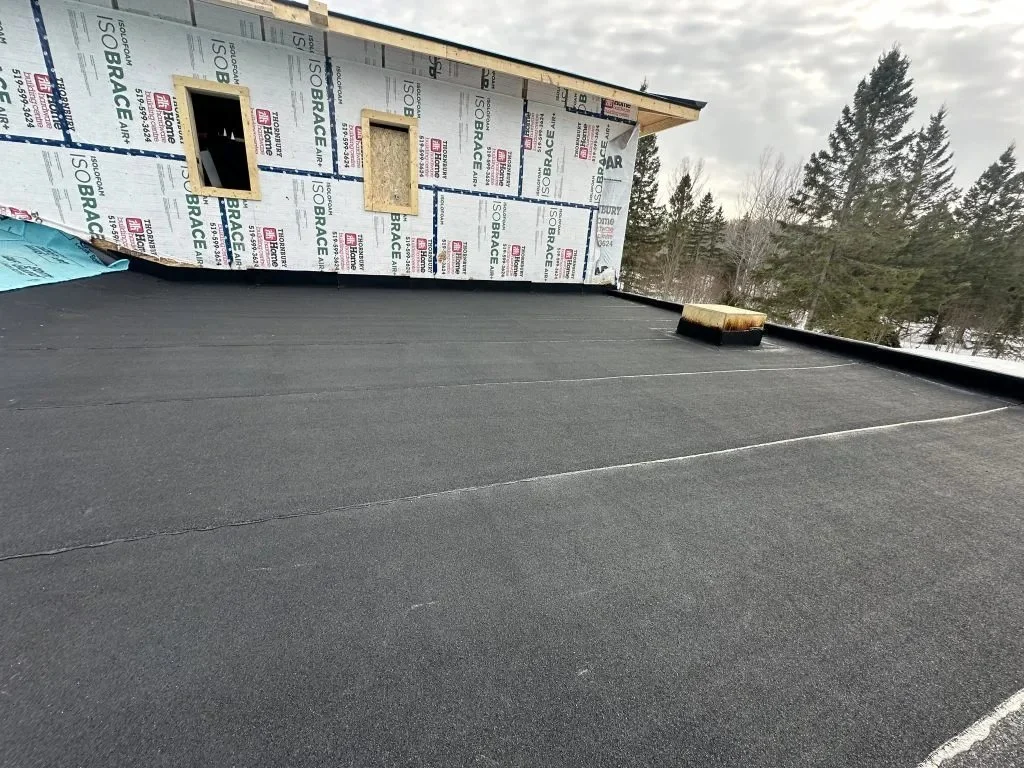
- When slope is inadequate across a whole roof, we design and install a tapered insulation system as part of a recover or replacement, building the pitch the original roof never had.
- When saturated insulation has dished, we remove the wet material, replace it, and restore the intended plane before re-covering.
Tapered Insulation and Drainage Design
The most durable correction for a roof that simply does not have enough fall is a properly engineered tapered insulation layout. Rather than chasing puddles one at a time, we lay out a system of tapered boards, crickets between drains, and saddles behind curbs and large equipment so that the entire roof surface moves water deliberately toward the outlets. This is the right approach when a roof is already due for replacement or recover, because the tapered system can be built into the new assembly and solve the ponding permanently. For the flat mill roofs of the Blackstone Valley, where the original structure offers little or no slope, tapered insulation is frequently the only correction that actually works.
When correction pairs with other repairs
Ponding rarely shows up alone. By the time water has been sitting on a roof long enough to leave staining, the membrane in those areas is often degraded and the seams within the ponded zone may be failing. We address the drainage and the damaged membrane together, because correcting the slope over a deteriorated section without repairing the section accomplishes little. On coastal buildings on Aquidneck Island and across South County, ponded water also carries salt that concentrates as it evaporates, adding a corrosive load on metal flashings and drains that we account for in the repair.
Protecting the Structure and the Warranty
Many membrane manufacturers exclude ponding water from their warranty coverage, which means a roof that ponds may not be protected by the very warranty an owner paid for. Correcting the ponding restores both the drainage the roof needs and the standing of the warranty going forward. More important, it removes the standing dead load and the freeze-thaw stress that quietly shorten a roof's life and, in a heavy snow winter, contribute to overload risk. Getting water off the roof in the time it is supposed to leave is one of the highest-value things a building owner can do for a flat roof.
Ponding correction across Rhode Island
We correct ponding water on commercial flat roofs in all 39 Rhode Island towns, including downtown Providence buildings and the hospital district, the converted textile mills of Pawtucket and Woonsocket, warehouse and distribution roofs at Quonset Business Park, and retail and office properties statewide. We diagnose why the water is not moving, design a correction that fits the actual cause, and build the slope and drainage the roof needs to shed water the way it was always supposed to.
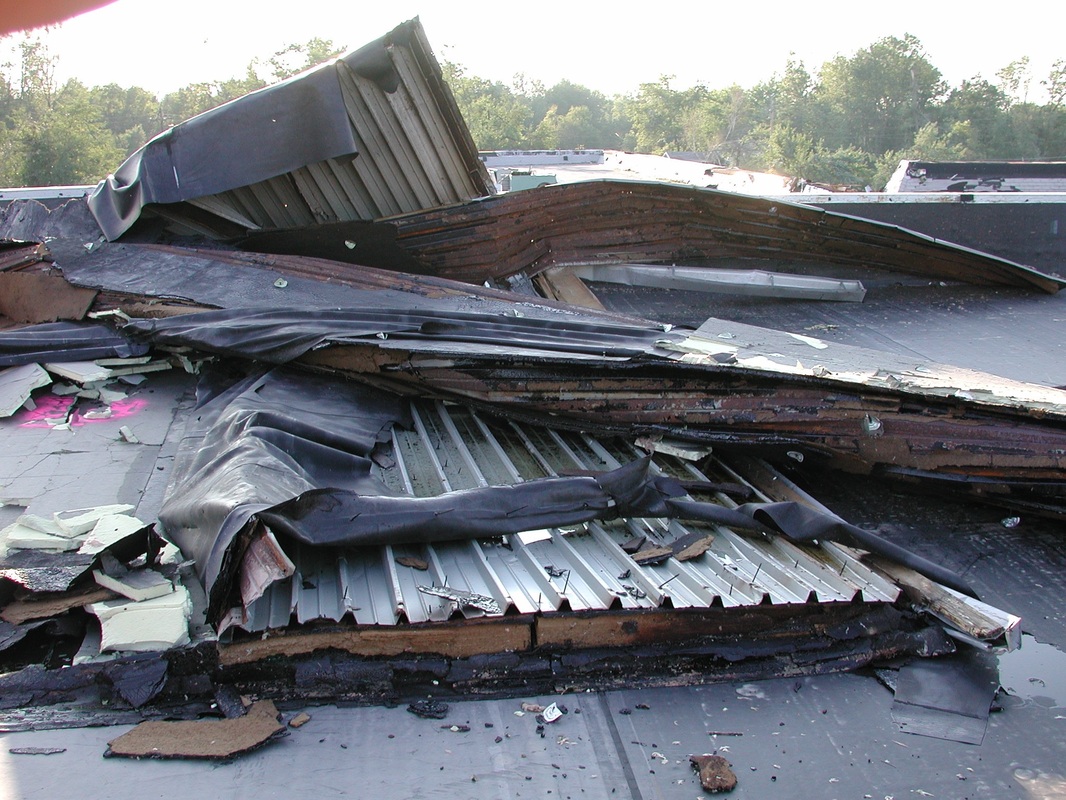 Emergency Tarping in Providence, RI
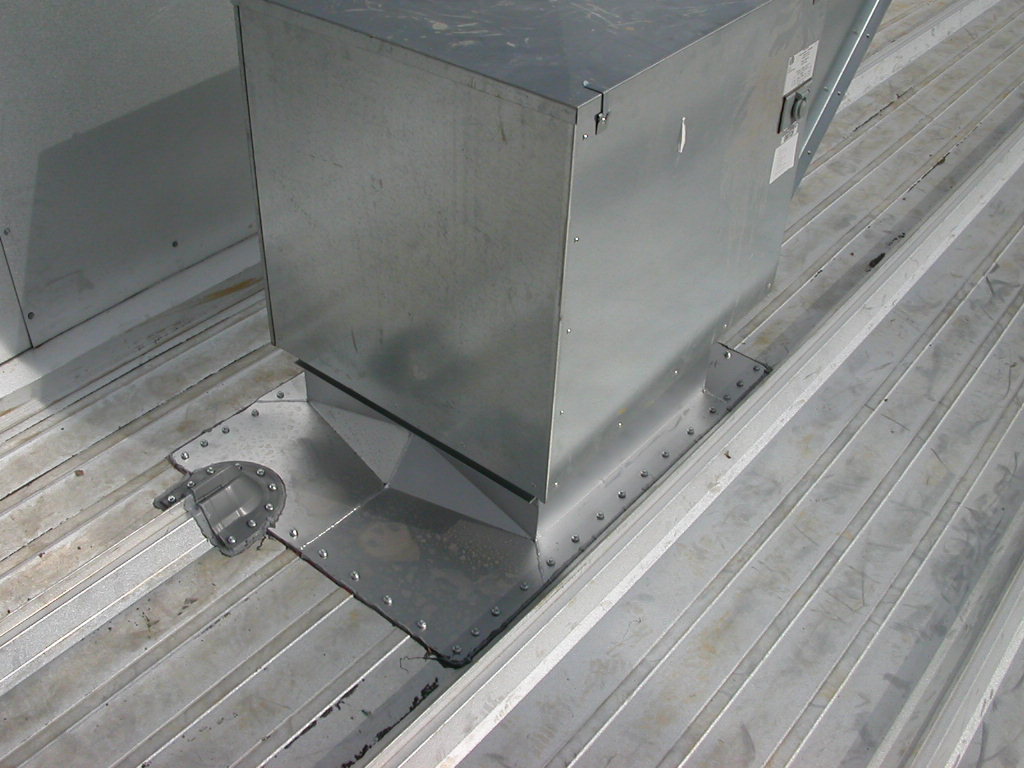 Flashing Failure Repair in Providence, RI
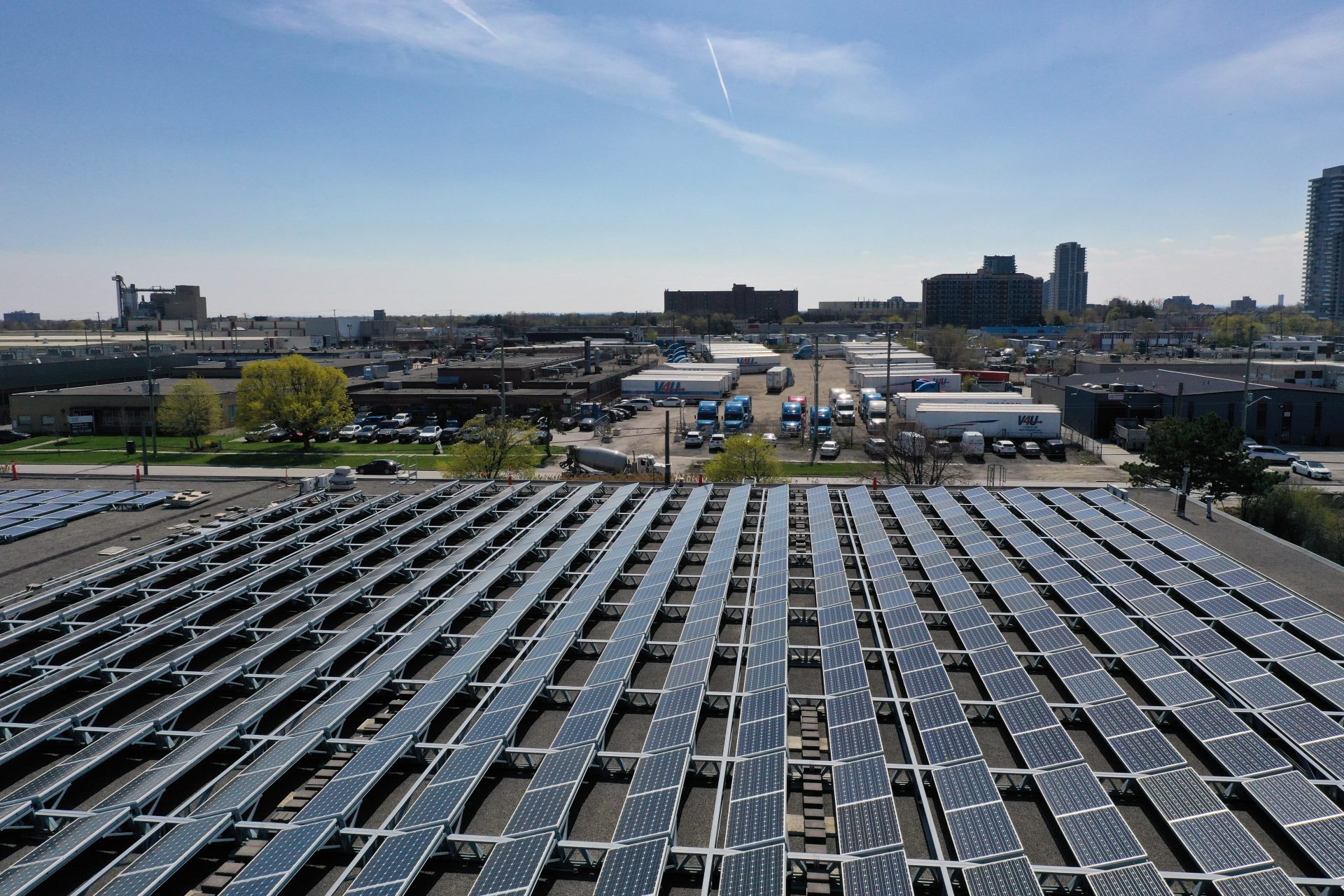 Hail Puncture Repair in Providence, RI
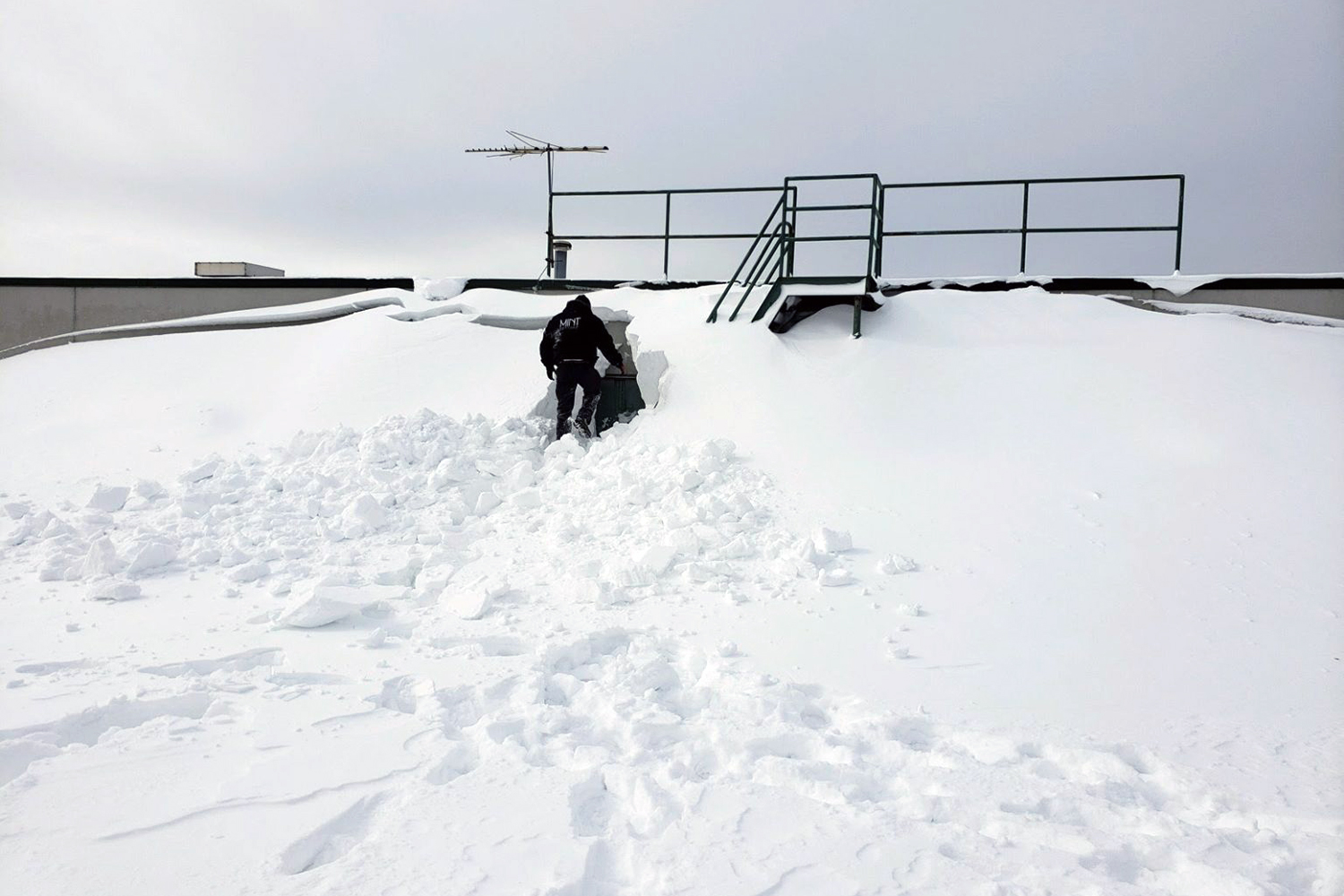 Ice Dam and Snow Load Damage in Providence, RI
 Insurance Scope Support in Providence, RI
 Membrane Seam Failure in Providence, RI
 Providence
 Warwick