
What a Post-Storm Roof Inspection Catches Before It Becomes a Claim
A nor'easter can dump a foot of wet snow on a low-slope roof in a single night, then leave behind 60-mile-per-hour gusts that lift membrane edges and strip flashing you never see from the ground. We inspect commercial roofs across Rhode Island after the storm passes, before the next freeze locks the damage in place and turns a loose seam into a winter of slow leaks. The point of the inspection is documentation and triage: find what moved, what tore, and what is holding water, then tell you which items need same-week attention and which can wait for the spring capital cycle.
We cover all 39 towns statewide, from the Providence office parks down to the coastal properties on Aquidneck Island and through South County. A storm rarely hits the whole state evenly. A system that tracks up Narragansett Bay can hammer Newport and Middletown while leaving northern Woonsocket comparatively dry, so we scope each inspection to what your building actually took, not to a generic checklist.
The Storms We Inspect For in Rhode Island
Different weather leaves different signatures on a roof, and knowing what to look for shortens the inspection and sharpens the findings.
Nor'easters and High Wind
Sustained coastal wind events are the most common reason we get called out. Wind damage on a commercial roof concentrates at the perimeter and the corners, where uplift pressure is highest. We check termination bars, metal edge and coping, and the field membrane within several feet of the parapet for billowing, fastener pull-through, and lifted laps. On older mechanically attached single-ply, a single failed row of fasteners along a windward edge can balloon the whole sheet on the next gust.
Heavy Snow and Ice Loading
When a storm leaves two or three feet of snow that drifts against parapets and rooftop units, the load is rarely uniform. We look for structural deflection, crushed insulation at drift lines, and the early signs of ice damming where snowmelt refreezes at cold eaves and roof edges. On the older mill buildings in Pawtucket, Woonsocket, and West Warwick, the framing under a low-slope roof was not designed for modern drift loads, so we pay close attention to ponding that appears only after the snow melts.
Hail and Wind-Driven Debris
Hail is less frequent here than wind, but it does happen, and it bruises membrane and fractures the granule surface on modified bitumen. We also document strike damage from airborne debris, downed limbs, and dislodged rooftop equipment, all of which puncture membrane and crack curbs.
How We Run the Inspection
We work the roof in a consistent order so nothing gets skipped on a large or cut-up roof plane.
- Perimeter and corners first, checking edge metal, coping, termination, and the field membrane in the high-uplift zones.
- Every penetration: pipe boots, gas lines, conduit, exhaust fans, and the curbs under rooftop HVAC, where storm movement opens seams.
- Drains, scuppers, and gutters, clearing debris and confirming water is actually leaving the roof rather than sitting on it.
- Field seams and laps across the whole plane, probing any spot that looks lifted, wrinkled, or fishmouthed.
- Flashings at walls, expansion joints, and skylights, where movement and thermal cycling concentrate stress.
We photograph each finding with enough context to show where it sits on the roof, and we note the membrane type and approximate age so the report is useful months later when you are budgeting repairs.
Documentation You Can Actually Use
An inspection that lives in someone's head helps no one. We deliver a written report with photos, a marked-up roof plan when the building warrants it, and a plain-language list of conditions sorted by urgency. That sorting matters: a torn seam over an occupied tenant space is a different problem than a loose corner of coping over a parking area, and your maintenance budget should not treat them the same.
For buildings carrying property insurance, the report gives you a dated record of storm-related conditions. We do not adjust claims or speak for your carrier, but we can document what we observed and when, and we can describe damage in terms an adjuster will recognize. Having that record in hand when you call your insurer is far better than trying to reconstruct conditions weeks later, after subsequent weather has changed the roof.
Why Timing Matters in a Freeze-Thaw Climate
Rhode Island roofs live through dozens of freeze-thaw cycles each winter. Water that gets under a membrane through storm damage does not just sit there: it freezes, expands, lifts the surrounding material, then thaws and migrates further. A small puncture inspected and patched within days stays small. The same puncture left through January widens with every cycle and can saturate a whole bay of insulation by spring. That is why we push for prompt inspection after any significant event, even when the roof looks fine from the parking area.
The coastal salt environment on Aquidneck Island and along the South County shore adds another reason to inspect promptly. Salt accelerates corrosion on fasteners, edge metal, and rooftop equipment, so wind events near the water tend to expose problems that have been quietly developing in the metal components for years.
What Comes After the Inspection
For most storm findings, we can complete the repairs ourselves, from sealing a lifted seam to refastening edge metal to replacing a damaged pipe boot. When the inspection turns up something larger, such as widespread saturation or a roof that is simply at the end of its service life, we lay out the options honestly rather than papering over a worn-out roof with patches that will not hold. Either way, you leave the inspection knowing the real condition of your roof and what it will take to keep the building dry through the rest of the season.
We inspect roofs on warehouses, office buildings, retail centers, schools, medical facilities, and the converted industrial buildings that fill so much of Rhode Island's older commercial stock. If a storm has come through and you want a clear, documented read on your roof, we can get out and look.
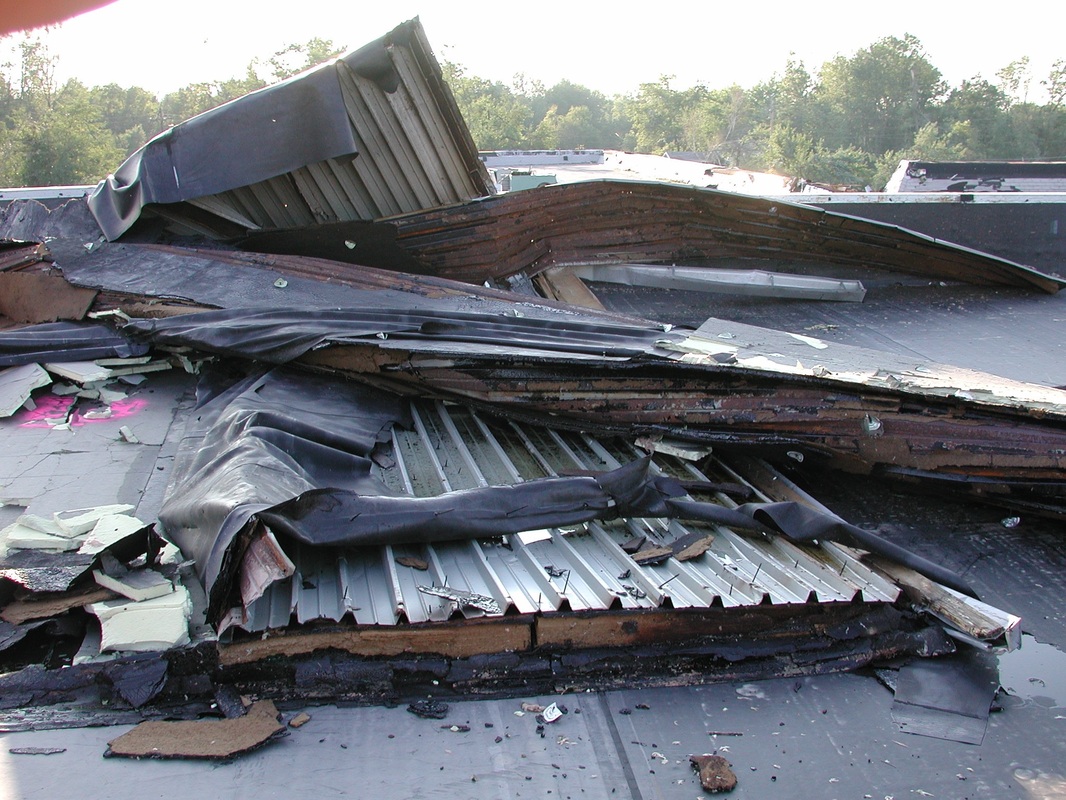 Emergency Tarping in Providence, RI
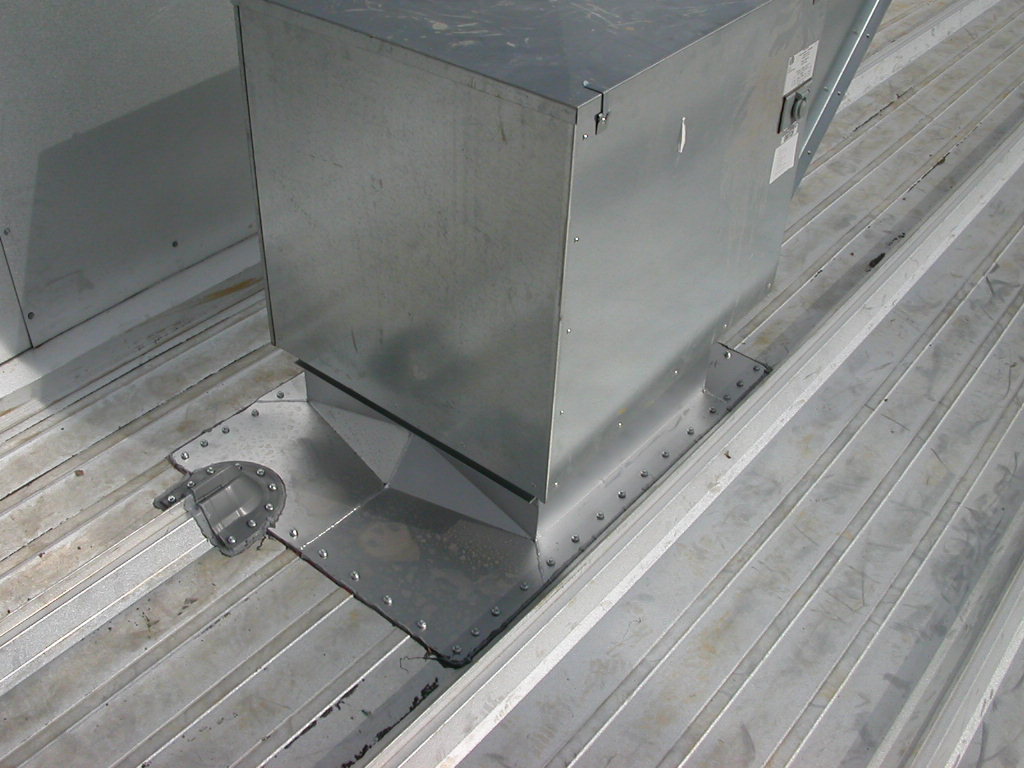 Flashing Failure Repair in Providence, RI
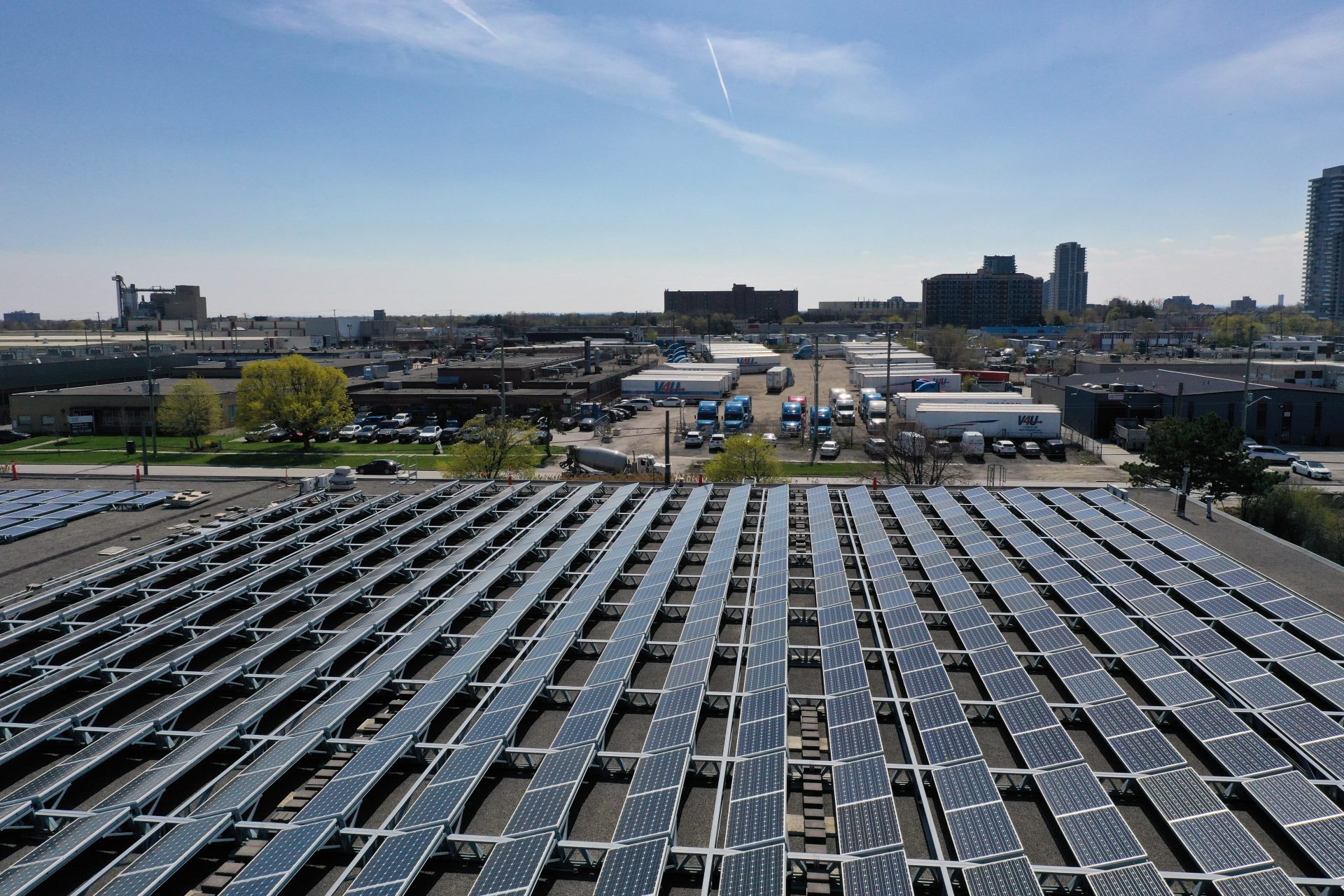 Hail Puncture Repair in Providence, RI
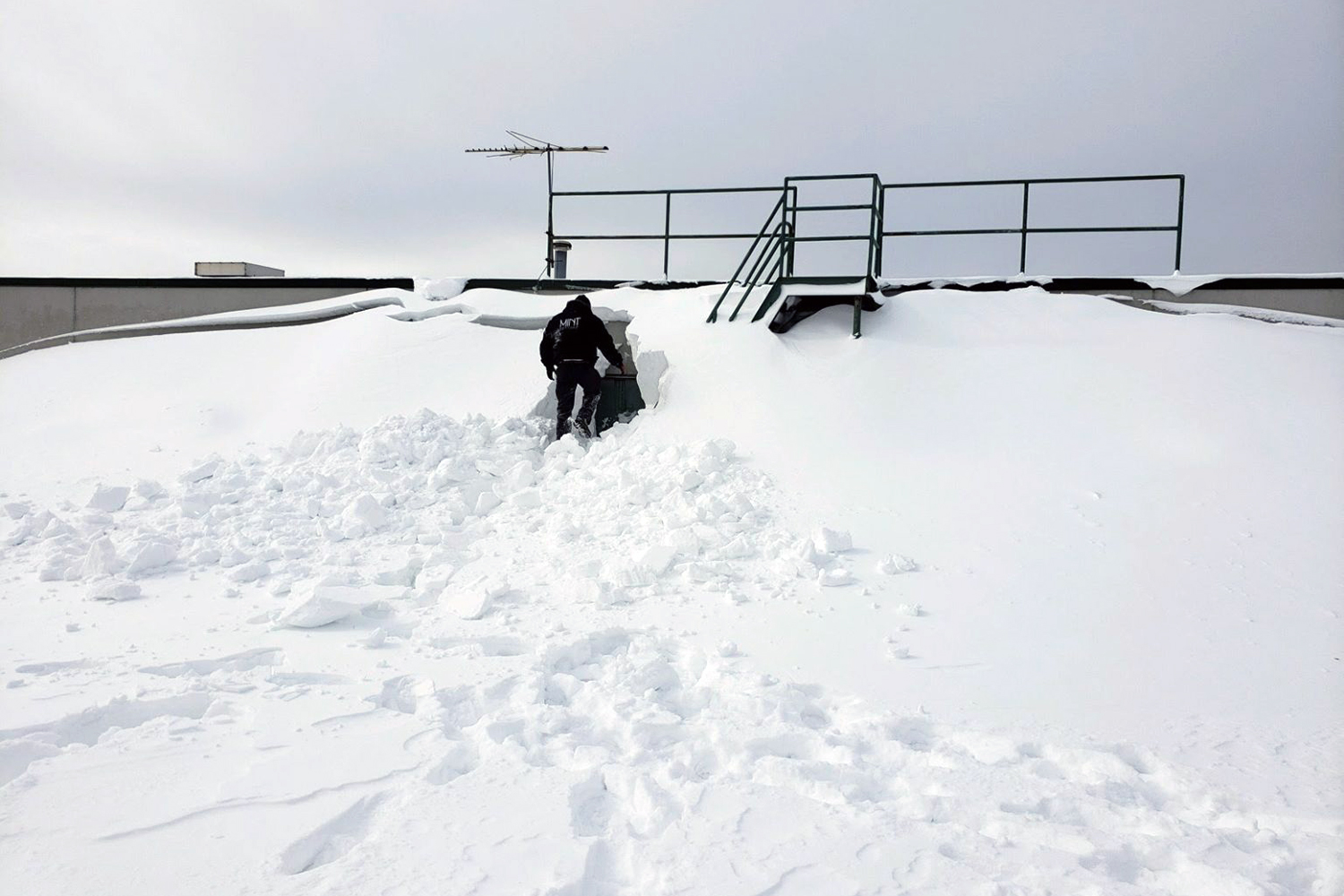 Ice Dam and Snow Load Damage in Providence, RI
 Insurance Scope Support in Providence, RI
 Membrane Seam Failure in Providence, RI
 Providence
 Warwick