Knowing How Much of the Roof Is Actually Wet
A moisture survey answers one question that nobody can answer by standing on the roof and looking: how much of the insulation under the membrane is saturated, and where. That answer drives every decision that follows. It separates a roof that needs a few repairs from a roof that needs to come off. It tells a budget committee whether they are looking at a five-figure patch program or a six-figure replacement. And it keeps an owner from tearing off and discarding insulation that is still perfectly dry. We run moisture surveys on commercial and industrial roofs across the state so the people paying for the work are paying for the right work.
The reason a survey is necessary at all is that water inside a low-slope assembly hides. It enters at a failed seam or a cracked flashing, then travels sideways under the membrane and soaks into the insulation board, often surfacing as a ceiling stain ten or twenty feet from the actual breach. You cannot trace it by eye, and you cannot estimate it by counting visible leaks. A proper survey maps the wet field directly instead of guessing from the symptoms.
The Methods We Use to Find Trapped Water
There is no single tool that works on every roof, so we match the method to the assembly and the conditions.
Infrared Thermography
Wet insulation stores and releases heat differently than dry insulation. After a roof has absorbed a day of sun, the saturated areas hold that warmth into the evening while the dry surroundings cool faster. A calibrated infrared camera reads the difference and the warm zones map to the trapped moisture. Infrared covers large roof areas quickly, which makes it the practical first pass on the big decks we see on warehouse and mill buildings.
Nuclear and Capacitance Meters
On roofs where ballast, a coating, or a complex assembly makes a clean thermal read difficult, we use moisture meters that read hydrogen content or electrical capacitance on a grid. The meter gives a reading at each point, and the points together draw a picture of the wet field. This method is slower but does not depend on the sun cooperating, so it is the right call on overcast days or on assemblies that infrared cannot see through cleanly.
Core Cuts to Confirm
No matter which scanning method finds the anomalies, we verify with core cuts in representative areas. A core tells us, with certainty, whether the suspect zone is actually wet, how many layers the assembly has, and what the insulation and deck are made of. We patch every core we take. Scanning points us to the right spots; the cores confirm what is really there before anyone commits to a scope.
Why Rhode Island Roofs Need This So Often
The building stock here practically guarantees hidden moisture. The 19th-century textile mills that fill Pawtucket, Woonsocket, and West Warwick carry enormous low-slope roofs that have been re-covered more than once over their lives, and the older layers buried under the current membrane often hold water that has been collecting quietly for years. When one of these mills gets converted to offices, self-storage, or light manufacturing, the new owner inherits whatever is trapped in that stack, and a moisture survey is usually the only way to find out how bad it is before the first winter.
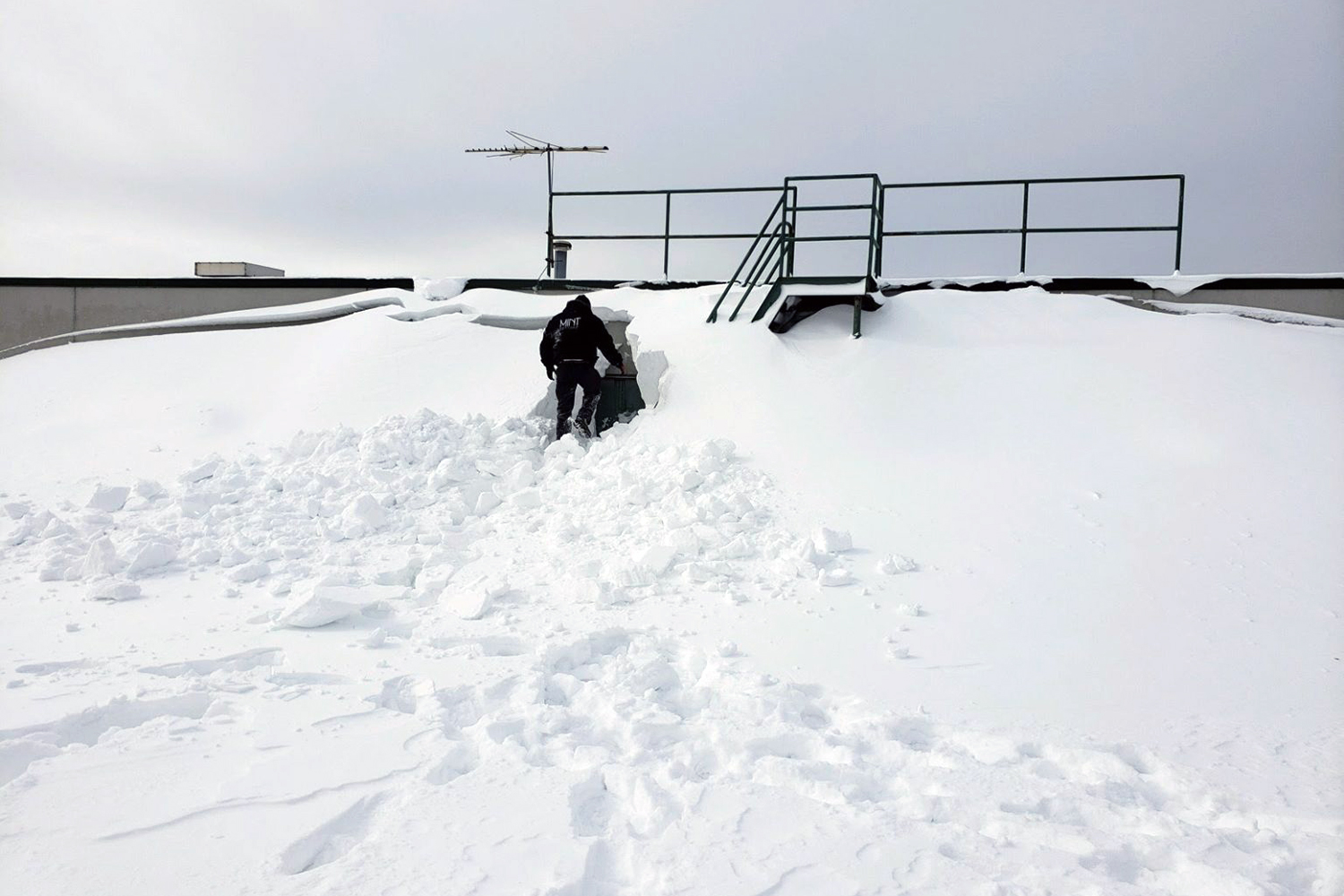
The weather keeps the water in once it gets there. Nor'easters drive rain horizontally into seams and flashings that would shed a normal vertical rain. Heavy snow load pushes meltwater under the membrane at the perimeter and refreezes it in place. The freeze-thaw cycle then expands every pocket of trapped water and works it deeper into the insulation with each cold snap. On Aquidneck Island, in Newport, and across South County, salt-laden coastal air corrodes fasteners and metal terminations, opening fresh paths for water to get in. Rhode Island gives trapped moisture very few warm, dry stretches to escape.
What You Get From a Survey
The deliverable is a document you can act on and hand to other people.
- A marked roof plan. A drawing of the roof with the wet areas delineated and the approximate affected square footage called out, so the problem has a defined size and location.
- Verified core data. Photos and notes from the cores we pulled, documenting the assembly construction and confirming the scan results.
- A repair-or-replace position. A plain assessment of whether the saturation is contained enough to repair or widespread enough to justify replacement, based on the evidence rather than a sales preference.
- Tear-off scope, when relevant. If a reroof is the answer, the survey shows which insulation must be removed and which can stay, which is often the single biggest cost lever on the project.
- Support for claims and due diligence. Documentation that stands up for insurance claims, manufacturer warranty questions, and pre-purchase inspections on buildings changing hands.
Turning the Survey Into a Plan
A survey is the beginning of a decision, not the end of one. When the wet field is small and contained, we usually recommend cutting out the saturated insulation, replacing it, and repairing the membrane and the entry points so the rest of the roof keeps performing. When the saturation is widespread, the survey makes the case for a full tear-off with new insulation, and it does so on documented evidence that a board or an owner can trust. Either way, the choice gets made with a map in hand.
The financial stakes are highest on large roofs, which is exactly where guessing costs the most. On a distribution or manufacturing building near the Quonset Business Park, or across a roof in downtown Providence or the hospital district, the difference between replacing all the insulation and replacing only the wet portion can be enormous. The survey is what makes that distinction possible, and it is why we treat the survey as the foundation of an honest scope rather than a formality.
Statewide Coverage
We perform commercial roof moisture surveys throughout Rhode Island, across all 39 cities and towns. From the mill buildings of the Blackstone Valley to the industrial roofs at Quonset, from downtown Providence and the hospital district to the coastal properties of Newport and South County, we cover the entire state. If you have a leak you cannot trace, a roof you suspect is quietly soaking, or a reroof decision you do not want to make blind, a survey gives you the facts before the money goes out the door.
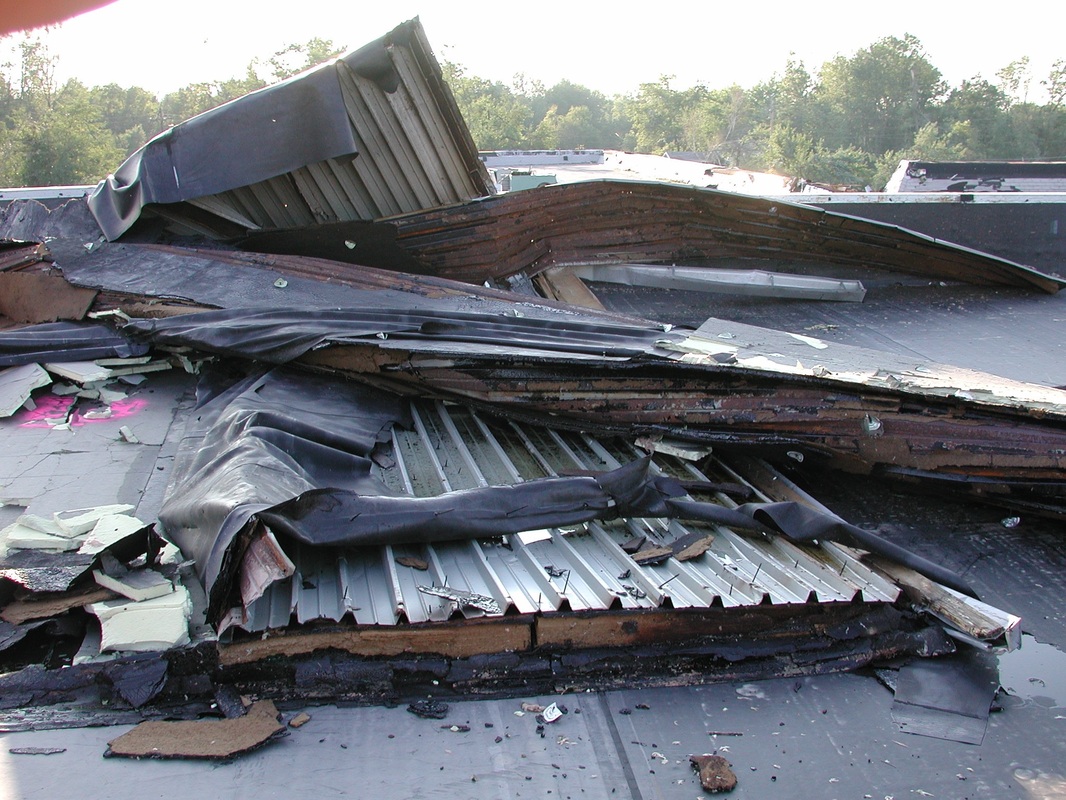 Emergency Tarping in Providence, RI
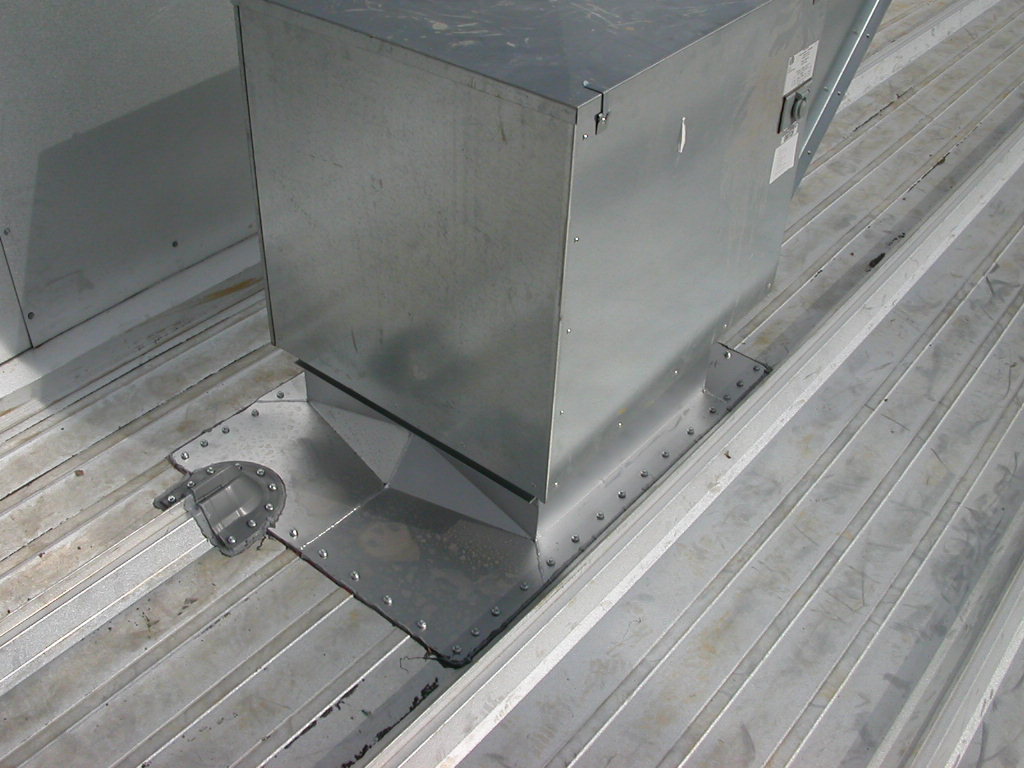 Flashing Failure Repair in Providence, RI
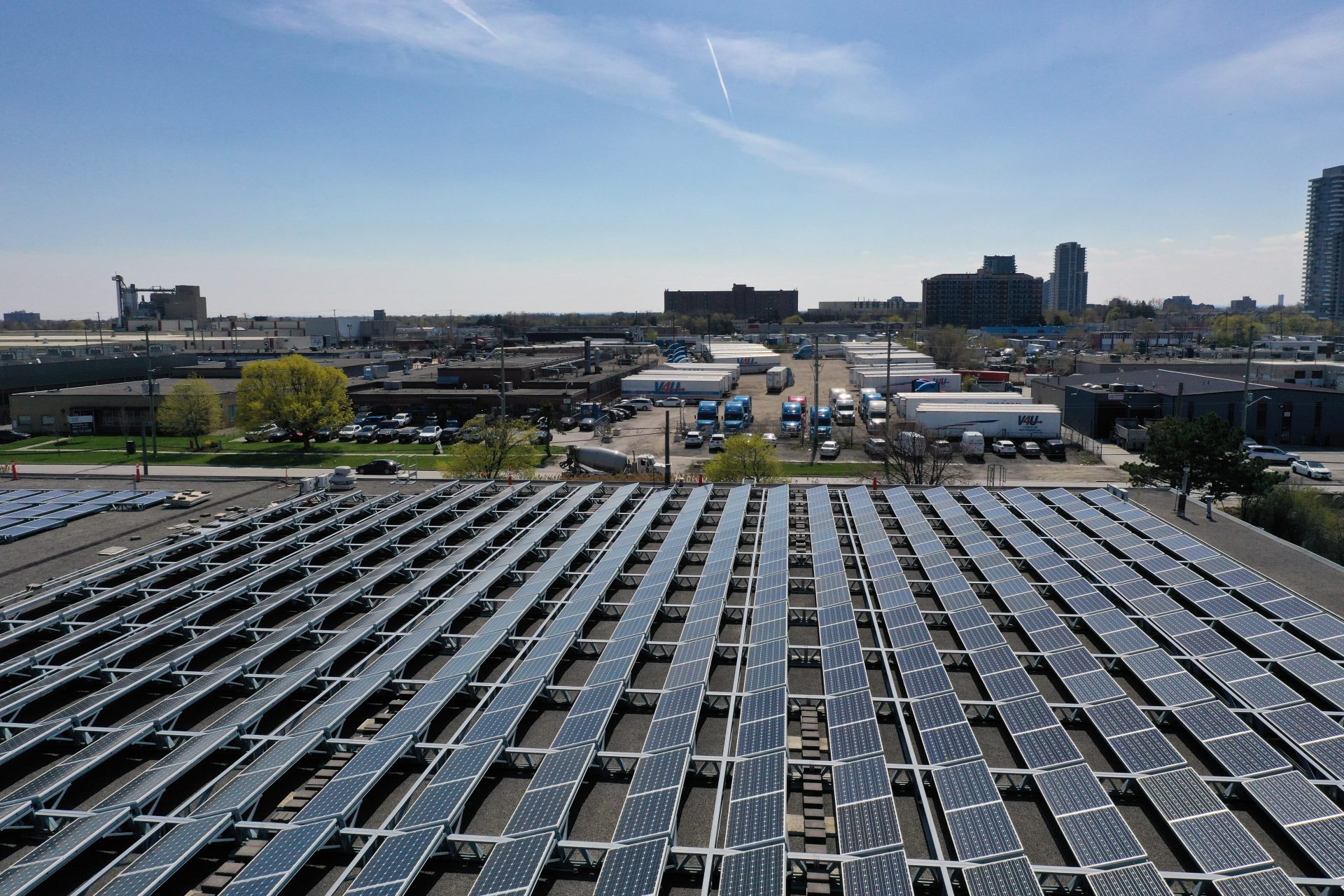 Hail Puncture Repair in Providence, RI
 Ice Dam and Snow Load Damage in Providence, RI
 Insurance Scope Support in Providence, RI
 Membrane Seam Failure in Providence, RI
 Providence
 Warwick