IKO Commercial Roofing Systems We Install in Rhode Island
IKO's commercial line leans into asphalt-based roofing in a way that suits a lot of New England building stock. Their modified bitumen membranes, built-up roofing components, and single-ply options give us a toolkit that works well on the multi-layer, redundant assemblies many Rhode Island owners prefer for flat and low-slope roofs. We install IKO commercial systems on warehouses, mill conversions, schools, and office buildings throughout the state. The asphalt heritage is the draw here: for a building owner who wants the proven, layered protection of a bituminous roof rather than a single sheet of membrane, IKO covers that ground thoroughly.
We are an independent roofing contractor and we install IKO commercial products. We are not stating any particular dealer designation or certification status, because those vary and we would rather be accurate than impressive. What we will do is tell you honestly whether an IKO assembly is the right answer for your roof, lay out the system options, and explain the warranty paths the manufacturer offers so you can decide with real information.
Modified Bitumen Systems for Rhode Island Flat Roofs
Modified bitumen is IKO's strength on the commercial side, and it earns its place on Rhode Island roofs. These membranes combine asphalt with polymer modifiers, either SBS for cold-weather flexibility or APP for heat-fused durability, and they install in multiple plies for redundancy. On a flat roof that has to take a heavy February snow load and then ride out the freeze-thaw swings of a Blackstone Valley winter, that layered, reinforced construction is reassuring. If one ply takes damage, the system underneath is still protecting the building.
We install SBS-modified systems on roofs where cold-weather movement and flexibility are the priority, which describes most of Rhode Island. The 19th-century textile-mill buildings in Pawtucket, Woonsocket, and West Warwick are good candidates, since their large low-slope roofs benefit from a tough, multi-layer surface that handles the constant expansion and contraction those old structures go through across the seasons. We can install with cold-applied adhesives where torch work is a concern near combustible mill construction, and we detail the parapet and penetration flashings to match the realities of that older building stock.
Why Modified Bitumen Works Here
- Multi-ply redundancy that tolerates New England snow load and ice damming
- SBS flexibility that holds up through freeze-thaw cycling
- Granulated cap-sheet options that resist UV and foot traffic
- Cold-applied installation for sensitive mill and occupied buildings
Built-Up Roofing for Heavy-Duty Applications
For owners who want the most redundant flat-roof assembly available, IKO's built-up roofing components let us construct a traditional multi-ply system topped with a protective surfacing. Built-up roofs have covered institutional and industrial buildings for generations, and they remain a sound choice for high-traffic roofs and for buildings where long service life outweighs upfront cost. We see strong fits on school buildings, municipal facilities, and the larger industrial roofs around the Quonset Business Park where durability under regular service access matters.
These systems take real craft to install correctly, and the detailing at drains, curbs, and edges is where the long-term performance is decided. We build positive slope into the assembly where the existing deck is dead flat, because a built-up roof, like any flat roof, suffers when water stands on it. Correcting drainage during the install is far cheaper than chasing ponding and the membrane breakdown it causes later.
IKO Single-Ply Options
IKO also offers single-ply membranes for owners who want a lighter, reflective alternative to a bituminous roof. On a sun-exposed warehouse or retail roof, a reflective single-ply surface lowers rooftop temperatures and eases the summer cooling load, which is a real consideration on the big flat roofs along the Route 2 retail corridor in Warwick and Cranston. We help owners weigh the tradeoffs between a layered asphalt system and a single-ply sheet, because the better choice depends on the building's exposure, its drainage, the rooftop equipment, and how the space below is used.
Re-Cover Versus Tear-Off on IKO Projects
One of the first decisions on any commercial reroof is whether we can install a new IKO system over the existing roof or whether the old one has to come off first. The answer depends on what we find. If the existing roof is structurally sound, dry, and within the number of layers the building code allows, a re-cover saves the cost and disruption of a tear-off and keeps the demolition out of the dumpster. But if there is trapped moisture in the old insulation, or the building already carries the maximum permitted roof layers, the existing system has to go. We use moisture surveys to settle this question with evidence rather than guesswork, because covering over a wet roof traps the problem and shortens the life of everything we install on top of it.
This matters especially on the older mill and institutional buildings around Rhode Island, where roofs have often been patched and re-covered several times over the decades. We core the roof in representative spots to see what is actually up there, check the deck condition underneath, and give the owner a straight recommendation. An honest tear-off recommendation costs more upfront but protects the investment; an unnecessary one wastes money. We aim to call it correctly either way.
What a Roof Assessment Covers
- Test cuts to identify existing layers, insulation type, and deck condition
- Moisture surveys to locate trapped water before specifying a re-cover
- Verification of how many roof layers the building code permits
- Drainage review to plan tapered insulation where ponding exists
Choosing Between Asphalt and Single-Ply
- Bituminous systems for redundancy, foot traffic, and proven longevity
- Reflective single-ply for solar reflectance and lower cooling loads
- Membrane and gauge matched to rooftop traffic and exhaust chemistry
- Attachment engineered for the wind uplift along the bay and coast
Detailing for Rhode Island's Climate
Whatever IKO system goes on, the flashings and transitions are what keep the building dry through a Rhode Island winter. Ice damming forms readily at eaves and low points here, and water that backs up under a poorly detailed edge will find its way inside. We give close attention to perimeter metal, parapet flashings, drain assemblies, and every penetration, because those are the spots where flat roofs leak first regardless of how good the field membrane is. On coastal buildings on Aquidneck Island and along the South County shore, we specify corrosion-resistant metals and fasteners to stand up to the salt air that eats ordinary hardware.
Statewide IKO Commercial Roofing Across Rhode Island
We install IKO commercial roofing across all 39 of Rhode Island's cities and towns. From the mill complexes of the Blackstone Valley and the industrial roofs of the Quonset Business Park to the downtown and hospital-district buildings of Providence and the coastal commercial properties of Newport and South County, we handle the full project, tear-off through final detailing. We will tell you plainly whether an IKO modified bitumen, built-up, or single-ply system is right for your building, and we will explain the warranty options before any work begins.
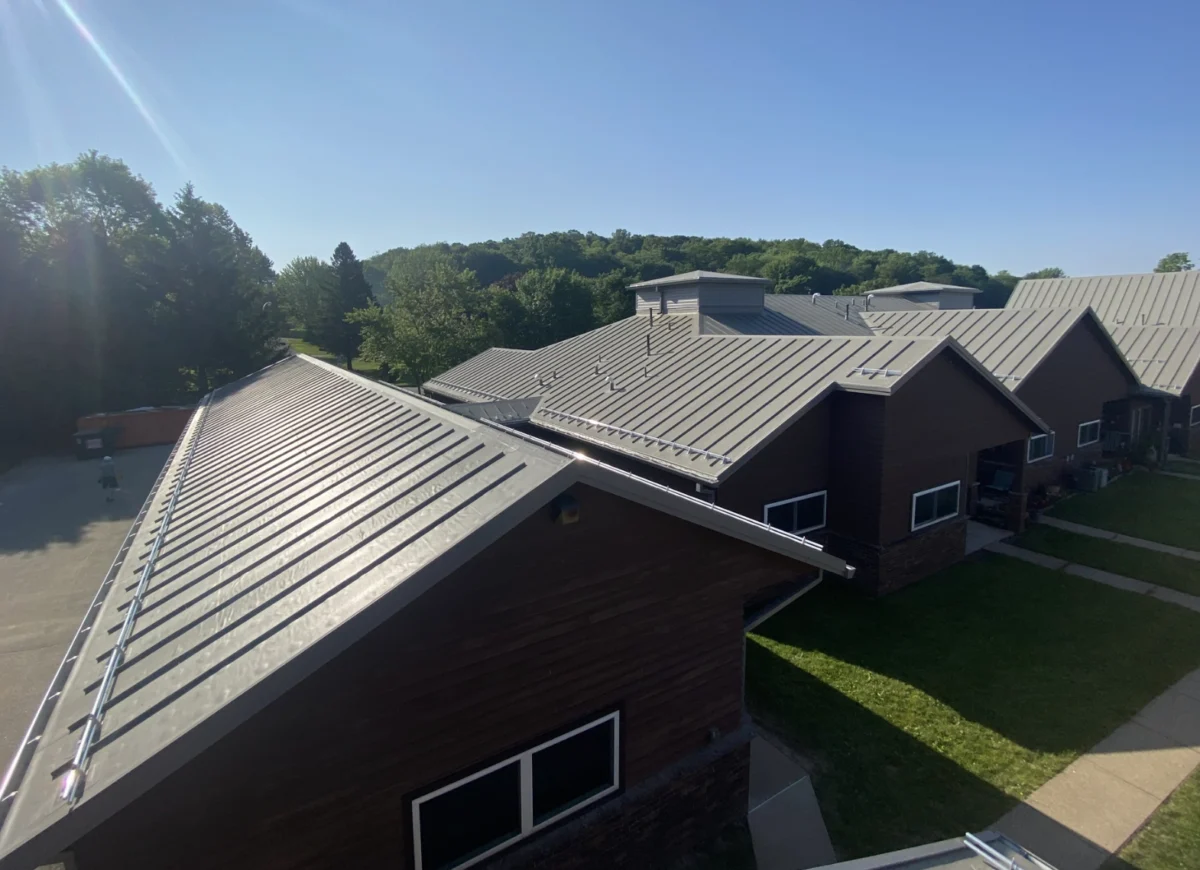 Carlisle Syntec Commercial Roofing in Providence, RI
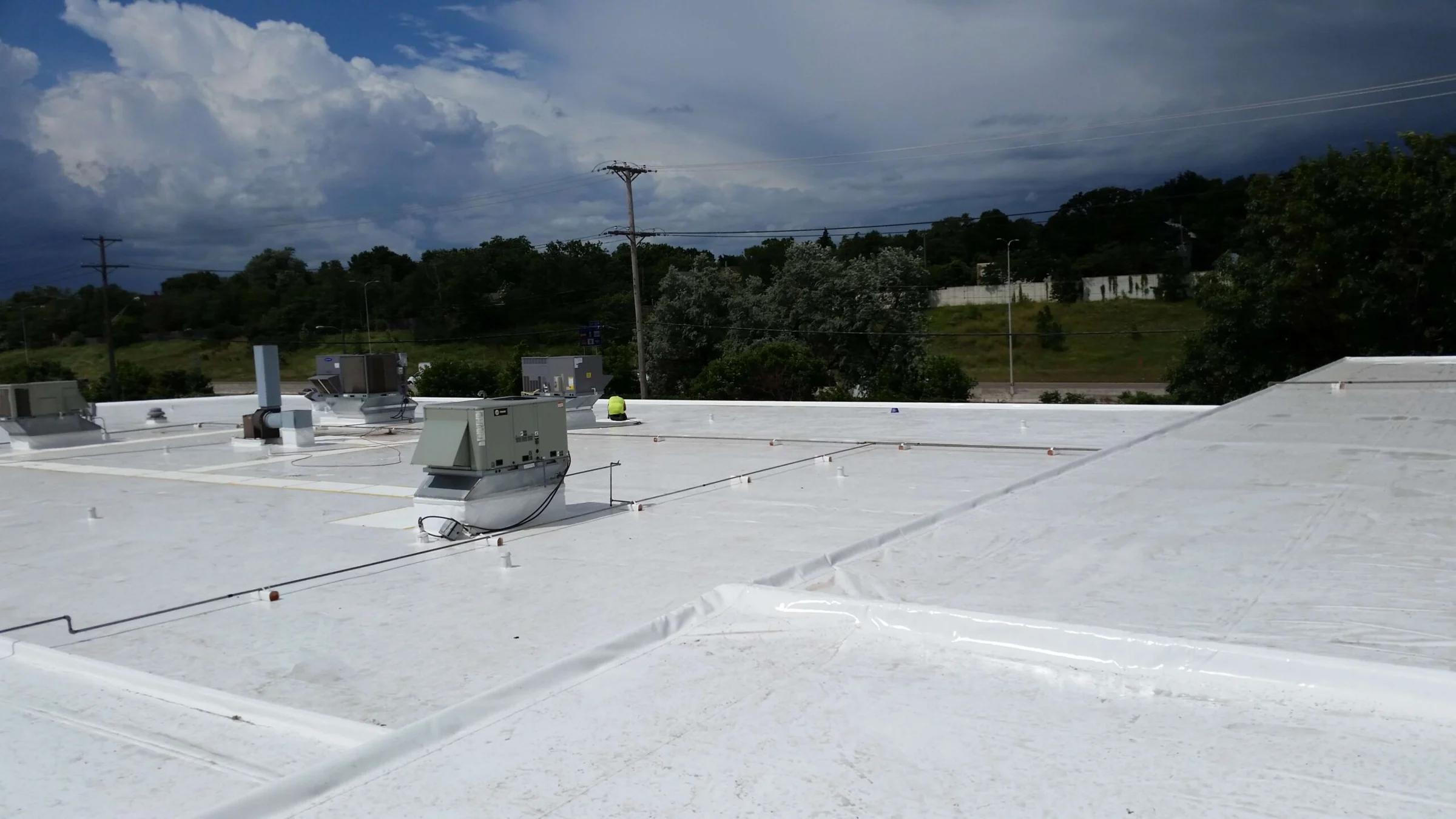 Duro Last Commercial Roofing in Providence, RI
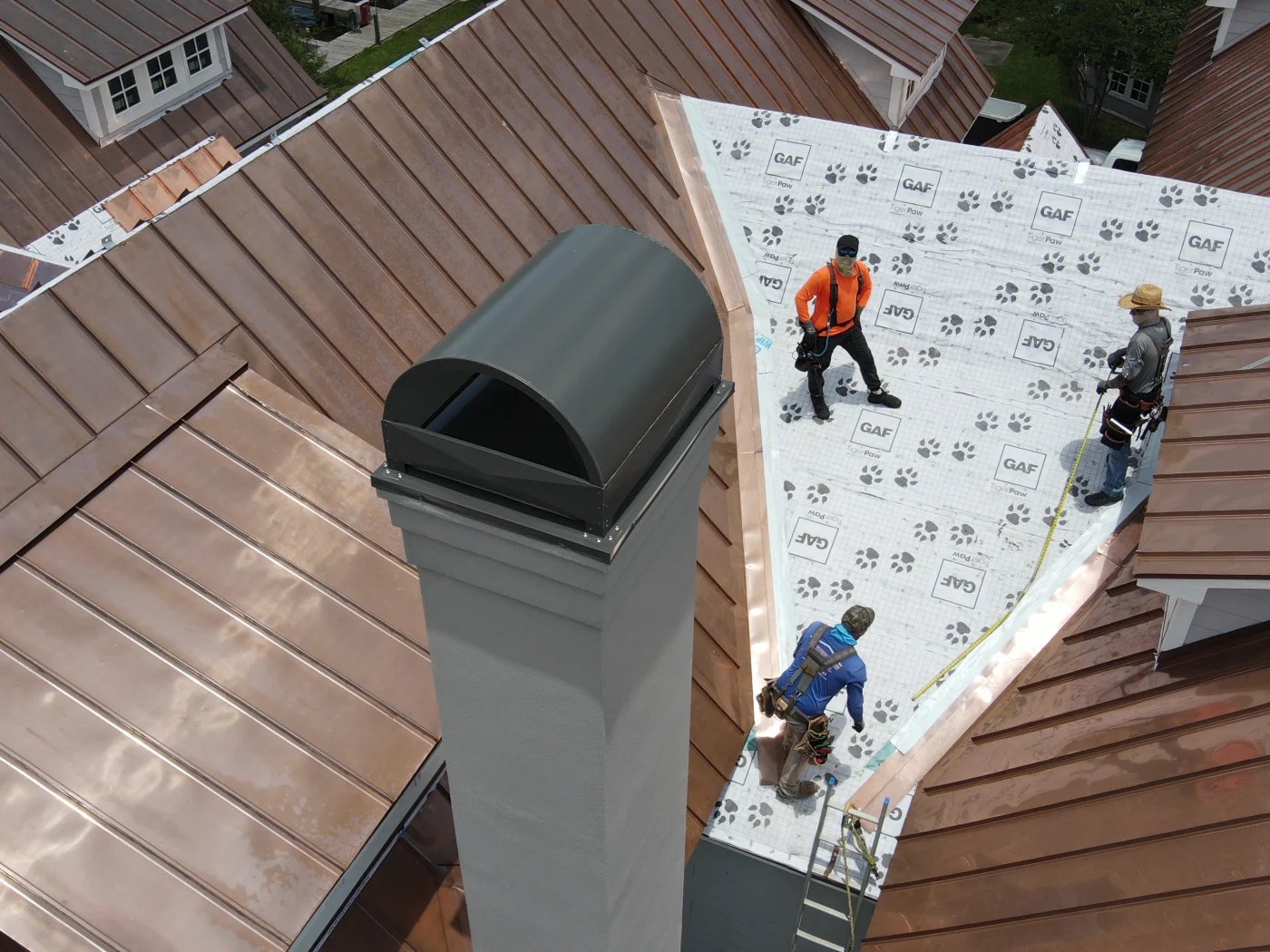 Gaf Commercial Commercial Roofing in Providence, RI
 Holcim Elevate Commercial Roofing in Providence, RI
 Johns Manville Commercial Roofing in Providence, RI
 Mule Hide Commercial Roofing in Providence, RI
 Providence
 Warwick