
APP Modified Bitumen on Rhode Island Commercial Roofs
APP modified bitumen is asphalt reinforced with atactic polypropylene, a plastic modifier that gives the membrane a tough, weather-resistant character and lets it take heat well. It is a multi-ply system: a base sheet over the insulation and a granule-surfaced cap sheet welded down on top, usually with a torch, occasionally with hot asphalt or a cold adhesive where an open flame is not appropriate. What an owner gets out of that build is redundancy. There is more than one layer of waterproofing over the deck, the surface is armored with mineral granules against sun and foot traffic, and the membrane carries a thickness and toughness that a thin single-ply sheet does not. On the right Rhode Island building, that ruggedness is exactly the point.
Why Owners Still Choose It Here
Single-ply membranes get most of the attention, but APP modified bitumen keeps earning a place on commercial roofs in this state for reasons that hold up. The granule cap stands up to foot traffic and dropped tools far better than a bare membrane, which matters on a roof that mechanical and service crews walk constantly. The multi-ply assembly means a puncture through the cap does not put the deck at risk the way it would on a single sheet, a real advantage through a New England winter that probes every weakness. The system also detents well at the hard parts of a roof. Modified bitumen wraps curbs, walls, and penetrations cleanly, and on the older buildings around the state with parapets, scuppers, and odd transitions left over from a century of changes, that flashing behavior is often what makes the roof watertight. We install it where its toughness and redundancy fit the building, and we are honest when a different system fits better.
Where APP Modified Bitumen Fits in Rhode Island
- Aging textile-mill and industrial buildings. The nineteenth-century low-slope stock in Pawtucket, Woonsocket, and West Warwick often carries complex parapets and transitions where a flashed, multi-ply membrane behaves better than a thin single sheet.
- High-traffic roofs. Buildings with heavy rooftop equipment and frequent service visits, where the granule cap takes abuse that would chew up a bare membrane.
- Smaller and cut-up roofs. Fields broken by penetrations, walls, and changes in plane, where the membrane's clean detailing pays off more than a large open single-ply field would.
- Restaurants and kitchens. Roofs around grease exhaust and hot flues, where modified bitumen's resistance to heat and its detailing around hot penetrations are an advantage.
What the Rhode Island Climate Demands of the Membrane
The weather here tests a roof at exactly the points where APP modified bitumen is strong. Nor'easters drive rain sideways into flashings and roof edges, and the multi-ply cap holds up to that wind-driven assault where a poorly seamed sheet would not. Heavy, wet snow sits on a low-slope field for weeks, so the cap has to take that standing load without the surface breaking down, which is why we want the laps fully welded and the granule surface intact going into winter. The freeze-thaw cycle is the real test: water that works into a lap and freezes splits it open, so on a torch-down roof the quality of the seam weld is everything, and we check that the laps are fully bonded rather than just tacked. For buildings on Aquidneck Island, in Newport, and through South County, salt air corrodes the edge metal and fasteners around the perimeter, and we detail those terminations to take the coastal exposure. We coordinate this work statewide, across all 39 cities and towns.
Installation Done Safely and Correctly
A torch-applied roof brings an open flame onto the building, and that has to be handled seriously. We follow fire-safe torching practice, keep the work away from combustible parapets and walls where the building demands it, and switch to a cold-adhesive or self-adhered modified bitumen when an open flame is not appropriate for the structure beneath, which on the old mill buildings with wood decks and timber framing is often the right call. We never carry an open lap overnight, we keep every opened section dried-in before the crew leaves the roof, and we hold a weather contingency so an incoming storm never catches a section exposed. A modified bitumen roof is only as good as the welds, so we treat the seam work as the part of the job that matters most.
Repair, Restore, or Replace
Modified bitumen is one of the more repairable commercial systems, and that shapes how we approach an aging one. A localized failure, a split lap, a tired flashing, or a damaged area around a penetration can often be cut out and reflashed with new membrane heat-welded into the sound field, keeping the rest of the roof in service. Where the granule surface has weathered off across the field but the membrane below is still sound, a compatible coating can restore the surface and add reflective, watertight years without a tear-off. Where the assembly has taken on water across the field, where the laps are failing in more than one place, or where the membrane has simply reached the end of its service life, we say so plainly rather than selling a patch as a plan. Our infrared and moisture scans keep that repair-versus-replace decision tied to what is actually wet, not to a guess.
How We Document an APP Modified Bitumen Roof
- Lap and seam condition across the field, photographed and noted, because the welds are where this system lives or dies
- Flashing condition at curbs, walls, scuppers, and penetrations, where modified bitumen earns its keep
- Granule cap wear and any spots worn down to the asphalt
- Moisture survey results that separate a roof to restore from one to replace
How It Compares to a Single-Ply Roof
Owners weighing APP modified bitumen against TPO or EPDM are really weighing toughness and redundancy against reflectivity and cost. A welded single-ply field goes down faster and cheaper over a large open roof and, in a reflective color, cuts cooling load in a way a dark granulated cap does not. Modified bitumen answers with multi-ply redundancy, a surface that takes traffic, and detailing that wraps a cut-up roof cleanly. Neither is the right answer everywhere. On a large, open, mostly flat field we will usually point you toward a single-ply system; on a small, complex, high-traffic roof full of penetrations and transitions, modified bitumen often wins. We make the recommendation from the building in front of us, not from what is easiest to install.
Request an Assessment
If you own or manage a commercial building anywhere in Rhode Island with an existing modified bitumen roof, or you are weighing a tough multi-ply system for a cut-up or high-traffic field, reach out. We will assess the roof, check the laps and flashings, scan for trapped moisture, and give you a recommendation grounded in what we actually find on the deck.
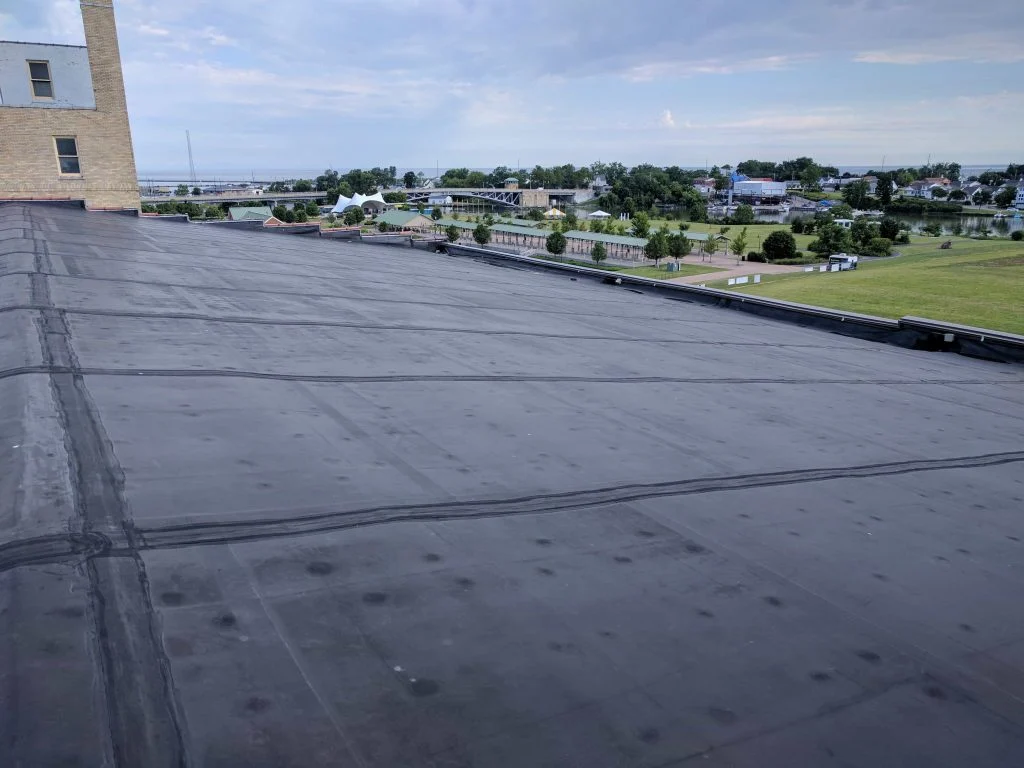 Built Up Asphalt in Providence, RI
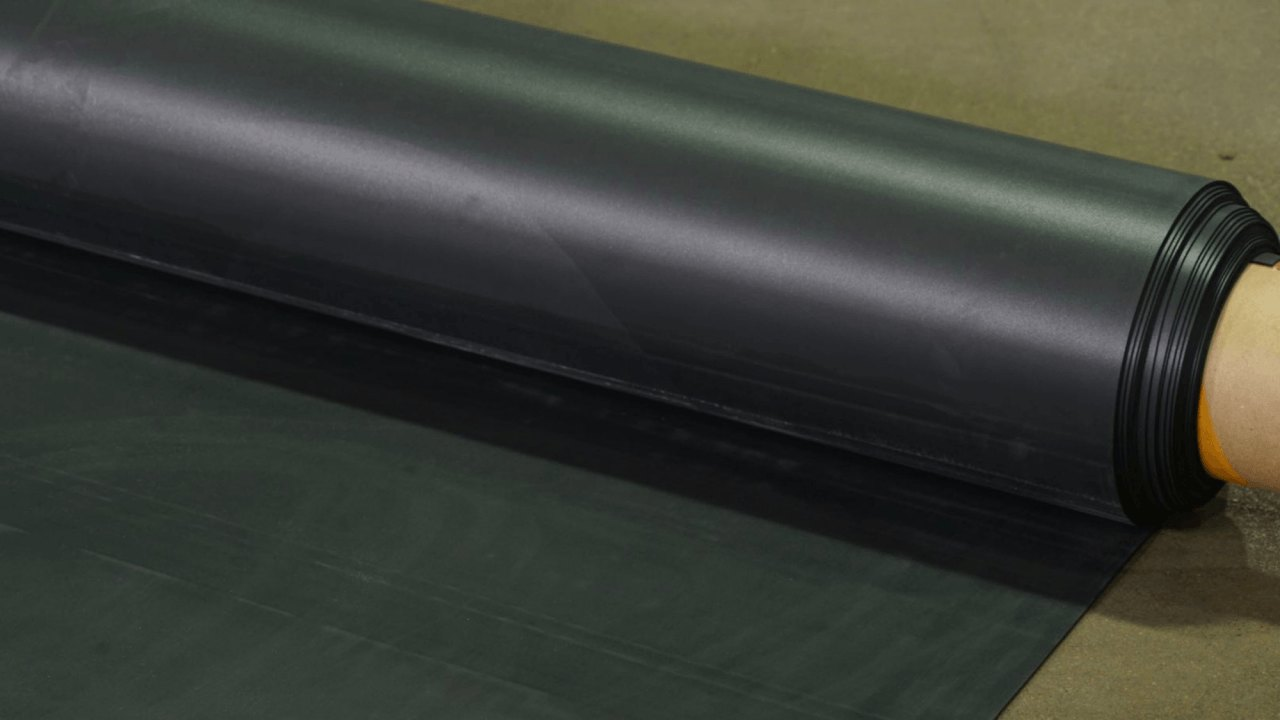 EPDM Black in Providence, RI
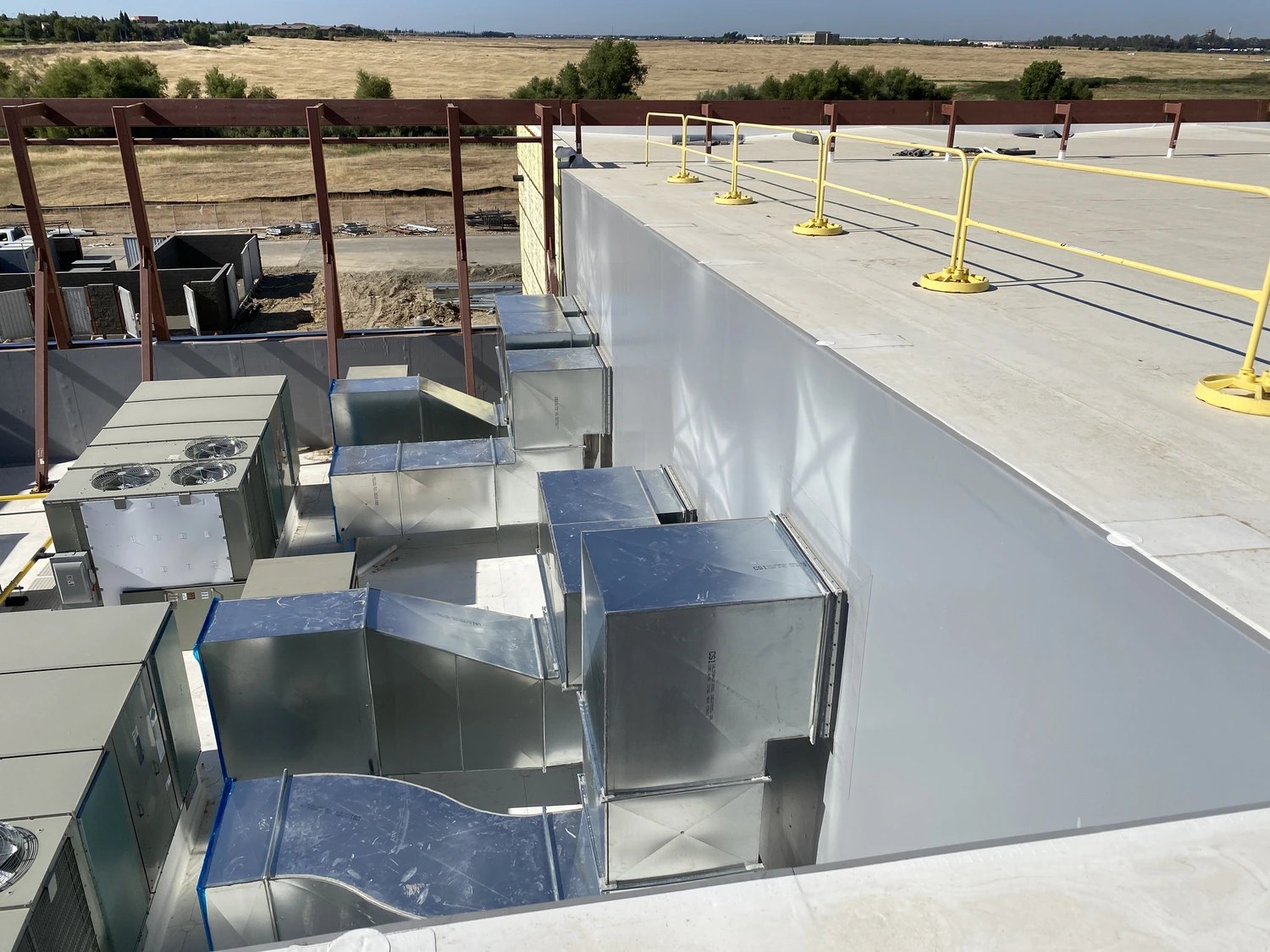 EPDM White in Providence, RI
 Fleeceback TPO in Providence, RI
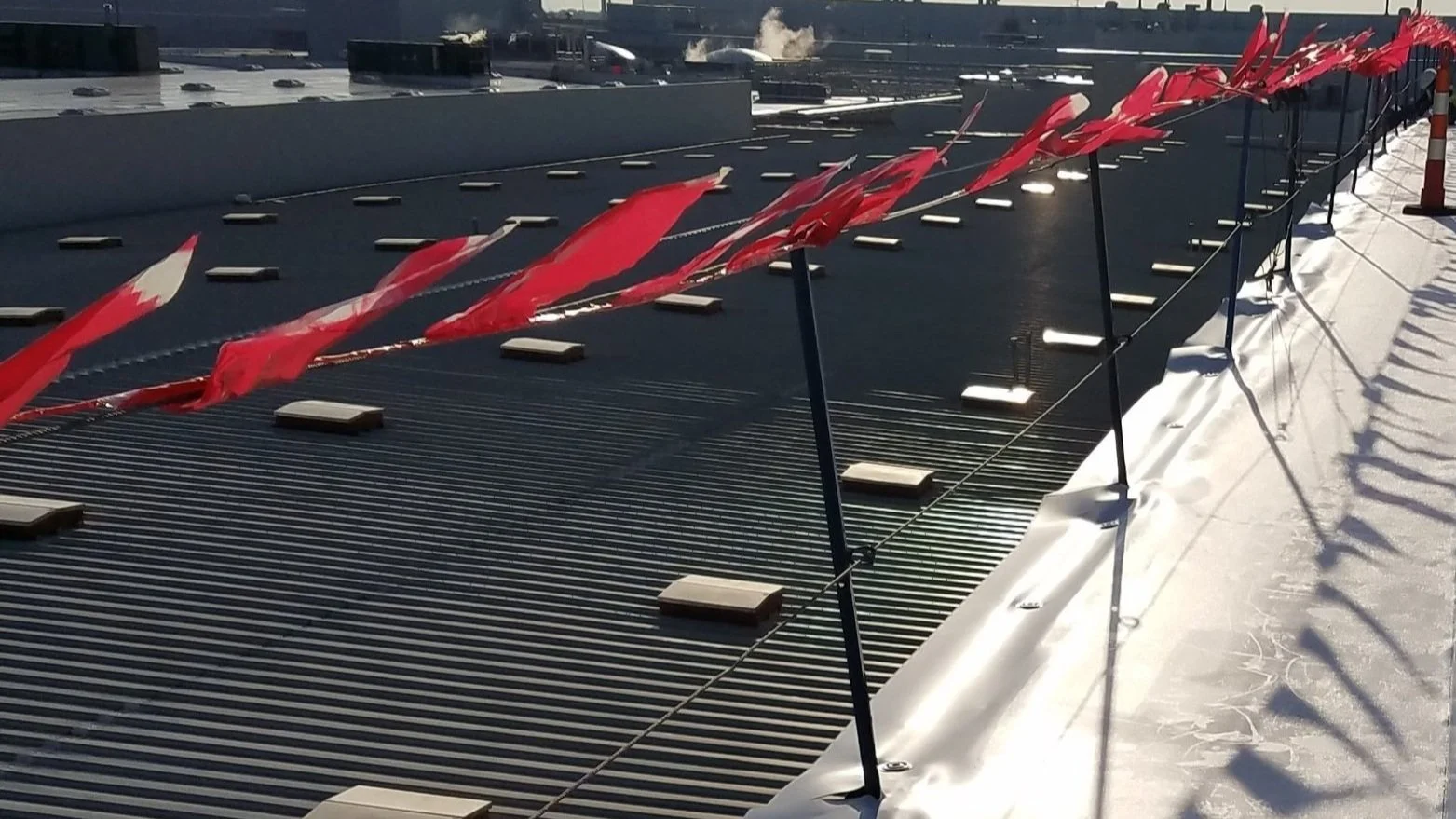 KEE Membrane in Providence, RI
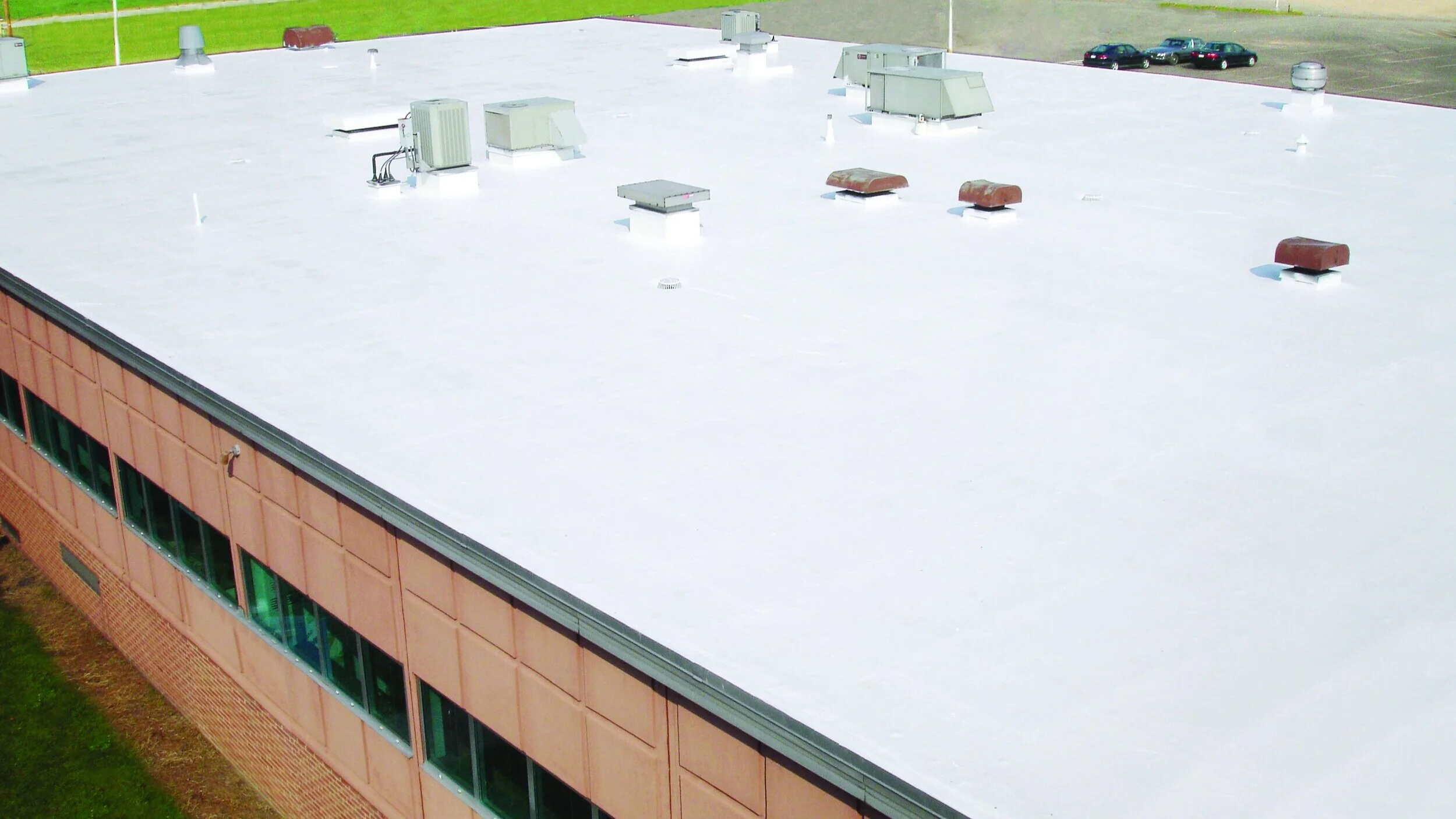 PVC Membrane in Providence, RI
 Providence
 Warwick