White EPDM Membrane for Rhode Island Commercial Buildings
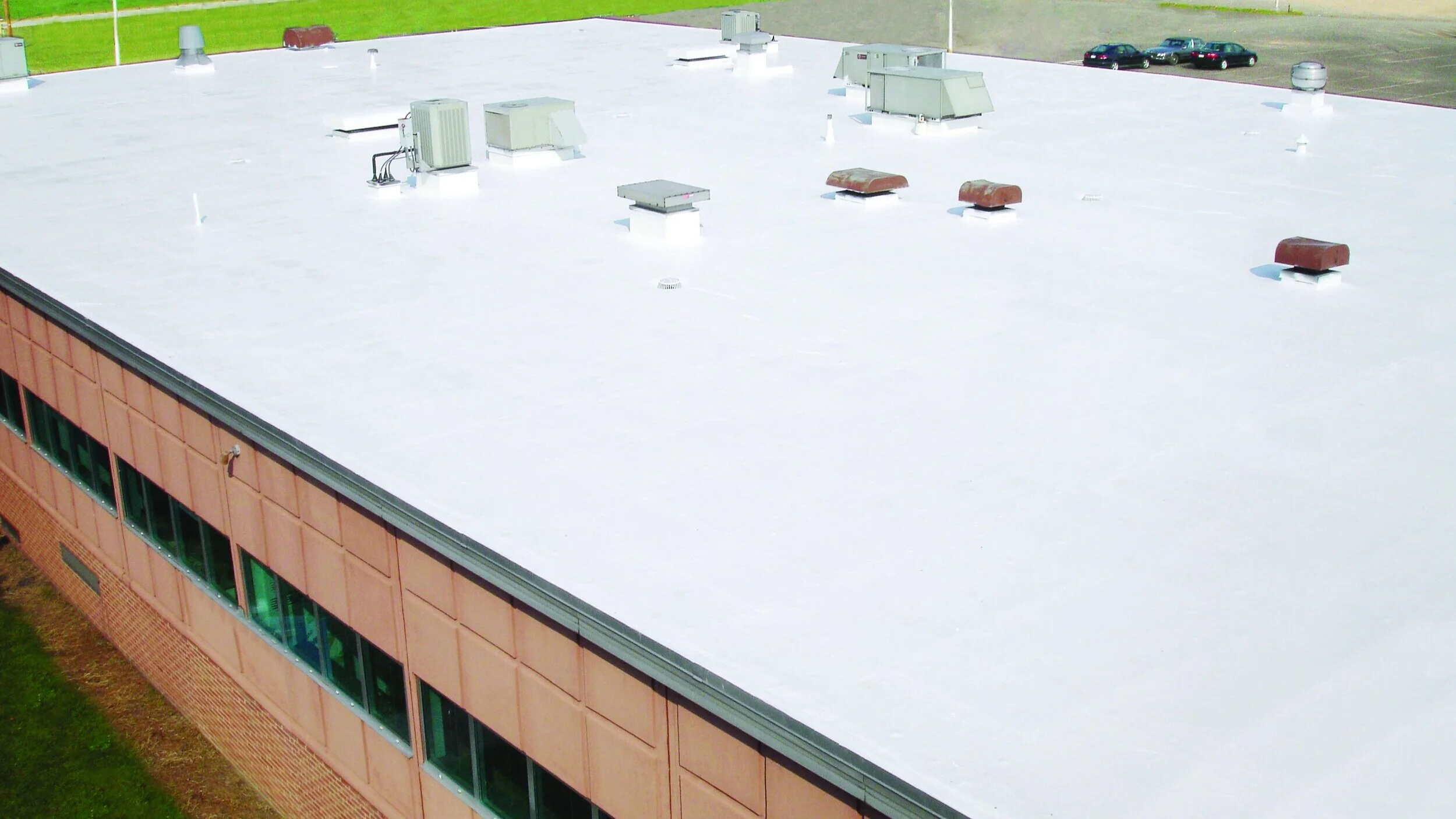
White EPDM gives an owner the cold-weather toughness of rubber membrane with a reflective surface that pushes back against summer heat. It is the same ethylene propylene diene monomer rubber that has protected New England flat roofs for decades, but the top surface is light-colored instead of black, so it bounces a meaningful share of the sun's energy back off the roof instead of soaking it in. For buildings where summer cooling load is a real cost, that difference shows up on the utility bill and in the comfort of the top floor.
We install white EPDM on commercial and industrial low-slope roofs throughout the state, and we approach it the way we approach any single-ply system: the membrane is one part of an assembly that also includes the deck, the insulation, the drainage, and the dozens of details around penetrations and the perimeter. Get those right and a white EPDM roof will serve a long time. Get them wrong and the color of the membrane will not save you.
Reflectivity Without Giving Up Cold-Weather Performance
The usual trade with reflective roofing is that you gain summer performance and worry about how the membrane behaves in the cold. White EPDM does not force that compromise the way some surfaces do, because it is still a rubber membrane underneath. It stays flexible in deep cold and tolerates the freeze-thaw cycling that defines a Rhode Island winter, when a roof can swing across the freezing point many times between November and March. The reflective surface helps in summer; the rubber chemistry handles the winter.
That balance matters here because our climate runs hot and humid in July and August and bitterly cold under a January nor'easter. A roof has to live through both. White EPDM is a reasonable answer for a building owner who wants to trim cooling costs without putting a membrane on the roof that gets brittle when the temperature crashes.
Where Cooling Load Drives the Decision
Some buildings run warm even in a New England summer. A reflective roof earns its place on the kinds of facilities where interior heat is a daily concern.
- Refrigerated and cold-storage warehouses, where every bit of heat kept off the roof reduces the load on the cooling plant.
- Distribution buildings and light-manufacturing space around the Quonset Business Park and the state's industrial parks, where large roof areas mean reflectivity adds up across a lot of square footage.
- Office, medical, and institutional buildings in the Providence metro and the downtown and hospital district, where occupant comfort and air-conditioning cost both matter.
- Retail and restaurant buildings with heavy kitchen or equipment heat loads under a flat roof.
Coastal and Statewide Coverage
We work in all 39 cities and towns. On the coast, salt is the constant pressure. Across Aquidneck Island, in Newport, and throughout South County, salt air corrodes fasteners and metal flashing over time. The EPDM membrane itself shrugs off salt, which makes it a sound choice near the water, but we specify and detail the metal terminations and fasteners with that corrosive environment in mind so the weakest link does not become the leak.
Inland, the building stock tells a different story. The 19th-century textile mills and brick manufacturing buildings of Pawtucket, Woonsocket, and West Warwick carry large low-slope roofs that have aged through generations of repairs. When one of those roofs comes due for replacement, a reflective white membrane can be a smart upgrade over a dark roof, particularly where the upper floors have been converted to office, residential, or mixed use and summer comfort suddenly matters more than it did when the building made cloth.
Drainage and Snow: The Non-Negotiables
Color does not change the physics of water on a flat roof. Ponding water is hard on any membrane, and standing water that freezes is harder still. Before we install white EPDM, we evaluate the roof's slope and drainage and correct what needs correcting, whether that means adding tapered insulation to build positive slope, clearing and rebuilding drain assemblies, or adding scuppers and overflow protection.
Snow load is the other constant. A heavy, wet New England snowfall is a serious dead load, and meltwater that refreezes at the eaves creates ice dams that drive water back up under the membrane edge. We detail the perimeter and the drainage to manage meltwater, and where we use any assembly that adds weight to the roof, we check it against the building's snow-load capacity rather than assuming the structure can carry it.
Attachment, Thickness, and Detailing
How It Goes Down
White EPDM can be fully adhered, mechanically attached, or ballasted, and we choose based on the deck, the building height, and the wind exposure. Fully adhered systems give the best uplift resistance and a smooth finished surface, which we favor on taller and coastal buildings where nor'easter winds get aggressive. Mechanically attached systems cover large industrial roofs efficiently. Ballasted systems can work on the right structure but only where the added weight fits within the snow-load budget.
Membrane Thickness
EPDM comes in multiple thicknesses, and heavier membrane resists punctures, foot traffic, and hail better while lasting longer. On roofs with rooftop equipment, regular service traffic, or debris exposure, we recommend a thicker membrane. We base the recommendation on how the roof is actually used, not on a default spec.
Details Decide the Outcome
Leaks come from penetrations, curbs, drains, and the perimeter far more often than from the open field. We flash pipes and curbs properly, reinforce corners, build clean drain assemblies, and set edge metal to take wind and shed water. The reflective surface is the headline, but the detailing is what keeps the roof dry through New England winters.
Restoration and Replacement Options
EPDM is genuinely repairable, which is part of its long-term value. Damaged areas can be cut out and patched with compatible materials and a clean surface prep. When a dark EPDM roof reaches the end of its life, switching to white during the reroof is a natural moment to capture the reflective benefit. Depending on the condition of the existing roof, the right path may be a reflective coating, a recover over the existing assembly, or a full tear-off and replacement. We assess the roof and recommend the option that serves the building and the budget over the long run.
If you are considering white EPDM for a Rhode Island commercial property, or you want to know whether a reflective membrane makes sense for your specific building, we can walk the roof, review your cooling and drainage situation, and lay out the options clearly.
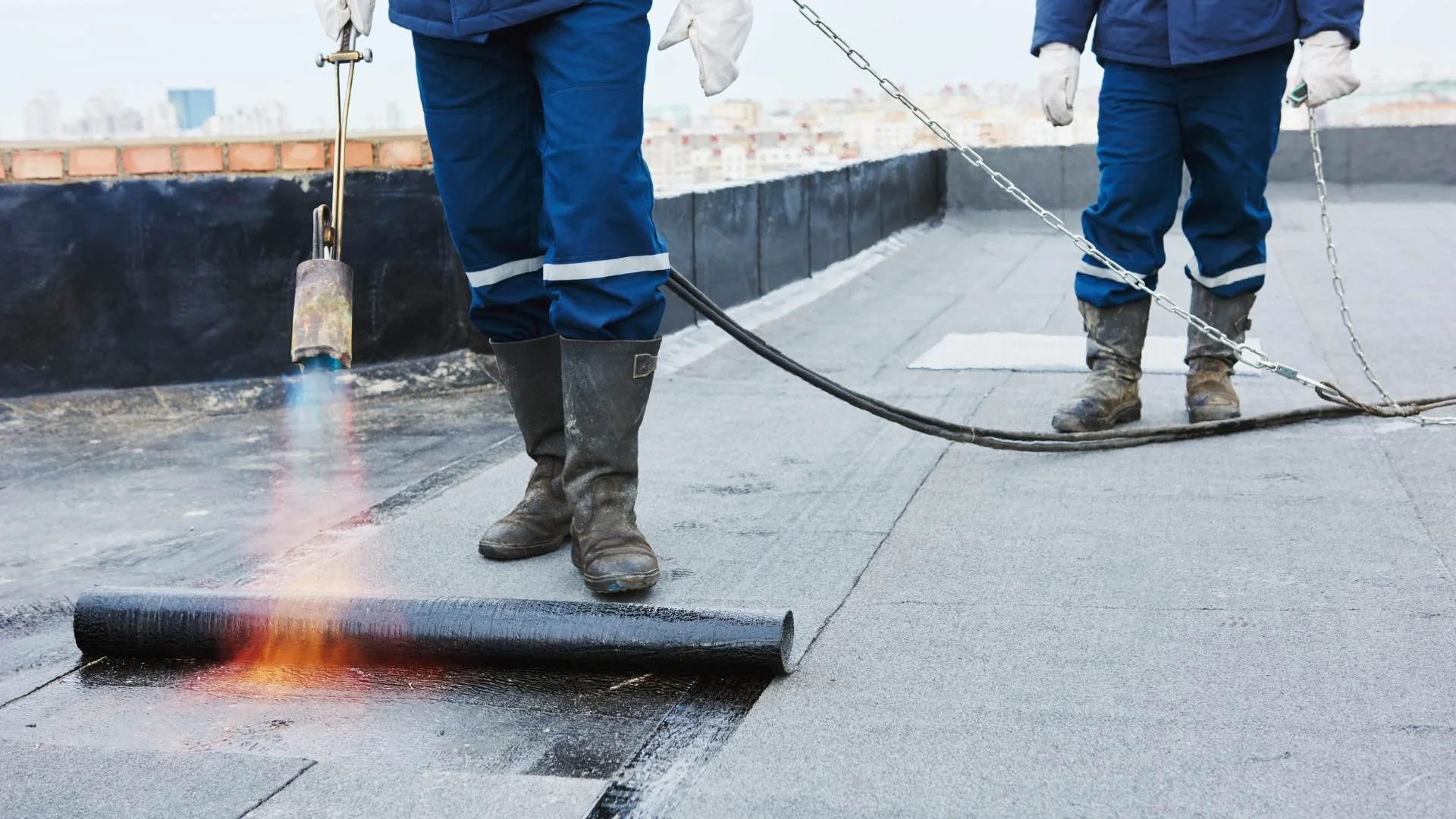 APP Modified Bitumen in Providence, RI
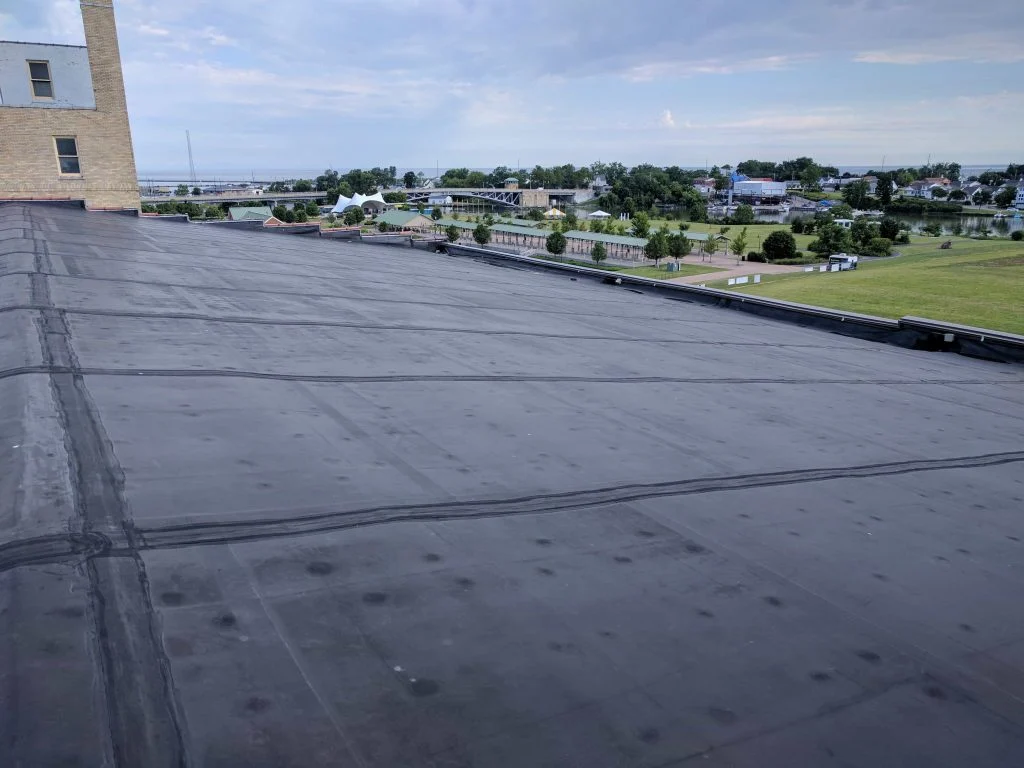 Built Up Asphalt in Providence, RI
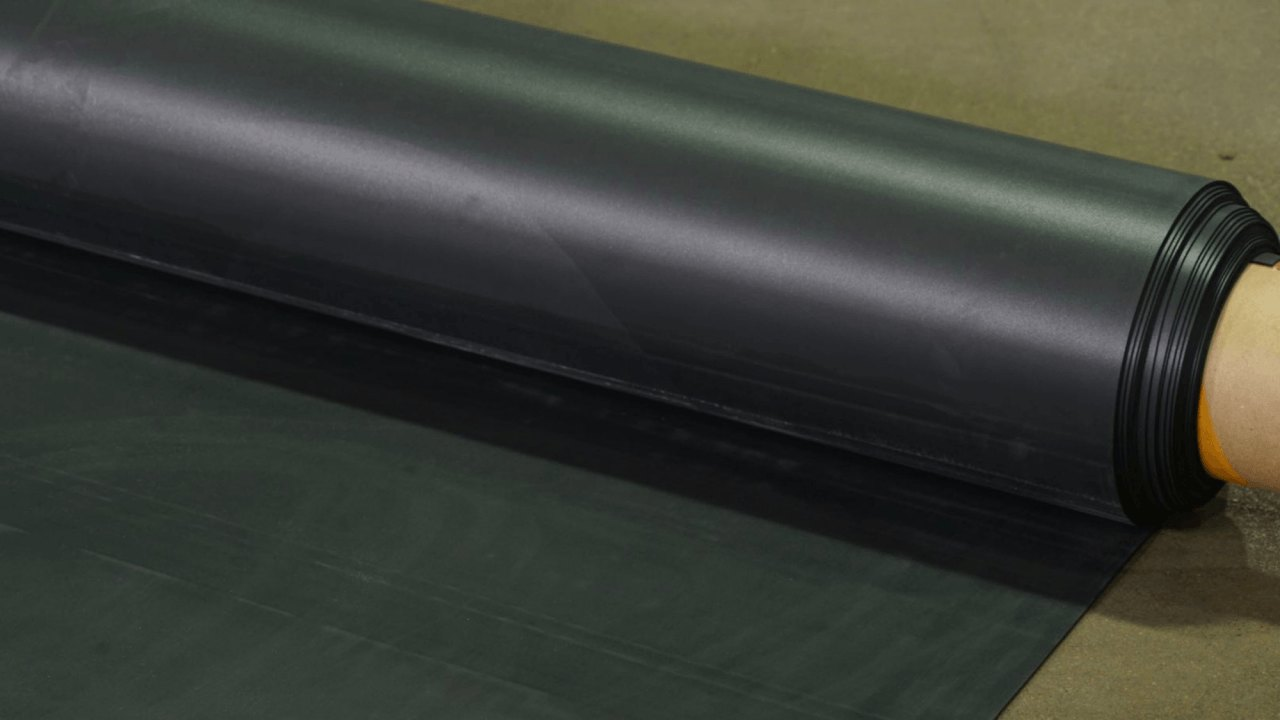 EPDM Black in Providence, RI
 Fleeceback TPO in Providence, RI
 KEE Membrane in Providence, RI
 PVC Membrane in Providence, RI
 Providence
 Warwick