Fleeceback TPO for Rhode Island Commercial Roofs
Fleeceback TPO takes a standard reflective thermoplastic membrane and laminates a thick non-woven fleece backing to its underside. That fleece does two jobs at once: it bonds aggressively to the substrate when set in adhesive, and it adds a layer of puncture and tear resistance that a bare membrane does not have. The result is a single-ply roof that holds down hard against wind and stands up to abuse, which is why it earns its place on demanding low-slope buildings around the state.
We install fleeceback TPO on commercial and industrial roofs from the Providence metro out to the coast, and we treat the fleece as a tool for solving specific problems rather than an automatic upgrade. On the right building it is the better answer than a fleece-free membrane. On a simple roof with a clean deck and modest wind exposure, a standard membrane may do the job for less. The point is to match the system to the building.
Why the Fleece Backing Matters Here
Wind Uplift
Rhode Island roofs sit in the path of nor'easters that drive hard, sustained wind, and the coastal sites on Aquidneck Island, in Newport, and across South County see some of the worst of it. The fleece backing on a fully adhered fleeceback system grabs the adhesive across the entire underside of the membrane and ties it tightly to the substrate. That broad, continuous bond delivers excellent uplift resistance, which is exactly what an exposed or tall building needs when winter storms come off the water.
Puncture and Traffic Resistance
The fleece adds real toughness. On roofs that carry rooftop equipment, see regular service foot traffic, or sit under trees and structures that drop debris, the added mass under the membrane resists the punctures and abrasions that start leaks. It also adds a measure of forgiveness when a roof has to take hail or the impact of windborne debris during a storm.
Going Over a Rough or Recovered Substrate
The fleece is forgiving over imperfect surfaces. When we recover an existing roof or install over a substrate that is not perfectly smooth, the fleece bridges minor irregularities and cushions the membrane against what is underneath. That makes fleeceback TPO a practical choice for the recover work that comes up constantly on Rhode Island's aging building stock, where a full tear-off is not always the right call.
Reflectivity and the New England Seasons
Like standard TPO, the fleeceback version carries a reflective white surface that bounces solar energy off the roof and helps hold down summer cooling load. That is a genuine benefit in our hot, humid July and August, particularly on large roof areas where the square footage multiplies the effect. Warehouses, distribution buildings, and cold-storage facilities around the Quonset Business Park and the state's industrial parks are natural candidates, since the reflective surface pays off across acres of roof.
The membrane also has to live through the other end of the calendar. Our winters bring heavy wet snow, repeated freeze-thaw cycling, and ice damming at the eaves. The heat-welded seams of a TPO roof create a continuous, monolithic surface with no adhesive seams to peel, which is an advantage when a roof sits under snow and meltwater for days at a time. We weld every seam properly and probe them so the watertight skin is continuous from edge to edge.
Statewide Coverage and Building Types
We work in all 39 cities and towns, and fleeceback TPO shows up across a range of our projects.
- Large distribution and warehouse roofs where high wind uplift ratings and a tough surface are both required.
- Recover projects on older textile-mill and manufacturing buildings in Pawtucket, Woonsocket, and West Warwick, where the fleece helps the new membrane sit over a substrate that has aged through decades of service.
- Coastal commercial and institutional buildings near Newport and South County, where storm wind off the water makes a strongly adhered system worth the investment.
- Office, medical, and institutional buildings in the Providence downtown and hospital district where occupant comfort and energy performance both matter.
How We Install Fleeceback TPO
Fully Adhered Systems
Fleeceback membrane is built for adhesive application. The fleece is set into bonding adhesive that locks the sheet to the insulation or substrate across its full underside, producing the high uplift performance the system is known for. We prepare the substrate carefully, because a fully adhered roof is only as strong as the surface it is bonded to.
Drainage Comes First
No membrane survives standing water indefinitely, and water that ponds and then freezes is especially destructive through a Rhode Island winter. Before we install, we assess the roof's slope and drainage and correct what is needed, whether that is building positive slope with tapered insulation, rebuilding drains and scuppers, or adding overflow protection. Snowmelt needs a clear path off the roof before it can refreeze and back up under a detail.
Detailing and Penetrations
The open field of a welded TPO roof is rarely where trouble starts. Penetrations, curbs, drains, and the perimeter are where leaks begin, so that is where we concentrate. We flash pipes and curbs with welded TPO accessories, reinforce corners, build clean drain assemblies, and set edge metal to take wind and shed water. Combined with the fleece backing and properly welded field seams, that detailing is what keeps the roof watertight for the long haul.
Choosing Between Fleeceback and Standard TPO
Fleeceback TPO is not the right answer for every roof, and we will tell you when a standard membrane will serve just as well for less money. The fleece earns its premium where wind uplift, puncture resistance, or a rough recover substrate make it the smarter assembly. Where the deck is clean, the exposure is modest, and the budget is tight, a fleece-free membrane may be the better value. We walk the roof, look at the deck condition, the wind zone, and how the building gets used, and we recommend the system that actually fits.
If you are weighing fleeceback TPO for a Rhode Island commercial property, or you want a straight assessment of whether the fleece is worth it on your building, we can inspect the roof and lay out the options without pushing you toward more system than you need.
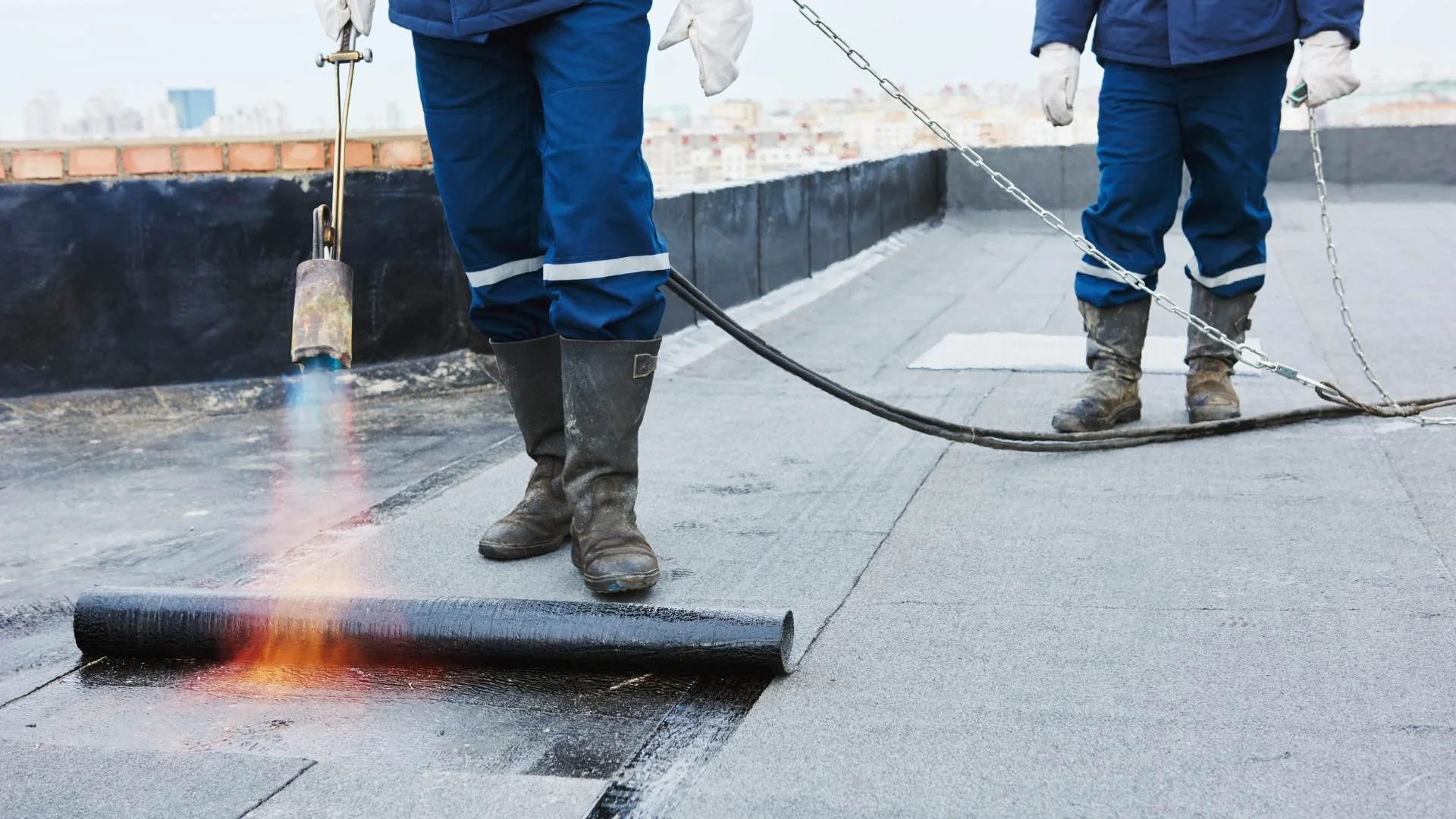 APP Modified Bitumen in Providence, RI
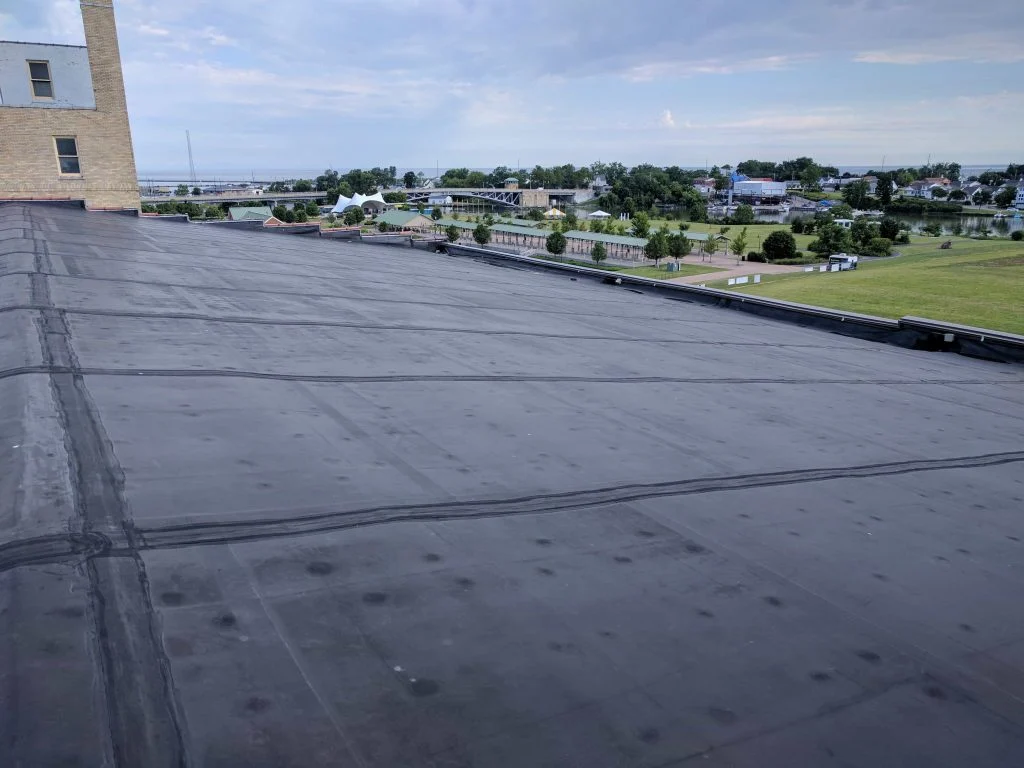 Built Up Asphalt in Providence, RI
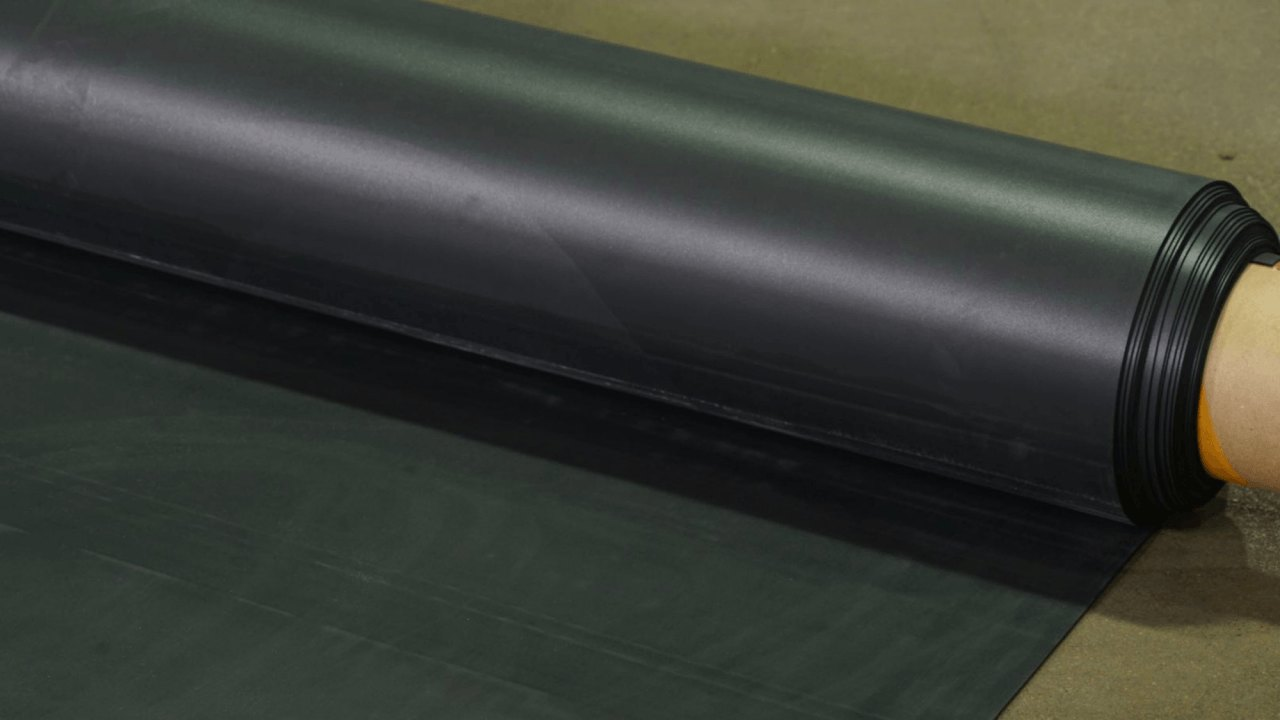 EPDM Black in Providence, RI
 EPDM White in Providence, RI
 KEE Membrane in Providence, RI
 PVC Membrane in Providence, RI
 Providence
 Warwick