Planning for the Roof Before It Becomes an Emergency
A commercial roof is one of the largest single assets on a building, and it is also one of the easiest to ignore until it leaks. By the time water shows up inside, the decision has usually been taken out of the owner's hands, and an unplanned tear-off lands as a six-figure surprise in a year with no room for it. Capital budget planning is how we move that decision back upstream, where there is time to choose the right system, line up funding, and time the work to the building's needs rather than to a failure. We provide this planning for owners, boards, and facility managers across Rhode Island, in all 39 towns.
The deliverable is not a sales document. It is a clear-eyed picture of what your roofs are, what condition they are in, how long each one has left, and what the responsible reserve looks like to get from here to the next replacement without a scramble.
What Goes Into the Plan
A condition survey of each roof area
We start on the roof. For a single building or a whole portfolio, we walk each roof section and document the membrane or roof type, its age where we can establish it, the condition of seams, flashings, penetrations, drains, and edge metal, and any active or developing problems. We note the things that quietly shorten a roof's life: ponding water that should be draining, open laps, failed sealant at curbs, crushed or saturated insulation. The survey gives every roof area a condition rating and a record you can hold onto.
Remaining-life estimates
From the survey we estimate how many years each roof area has left before it needs major work, and we are honest about the range. A 19th-century mill roof in Pawtucket or Woonsocket that has been patched through several owners is a different planning problem than a ten-year-old TPO roof on a Quonset warehouse, and the budget should reflect that. These estimates are what let an owner sequence work across several buildings instead of treating each leak as its own fire drill.
Repair-versus-replace guidance
For each roof, we lay out whether the smart money is on continued repair and maintenance, a restoration or coating to buy a defined number of years, or a full replacement. Sometimes the answer is to spend a little now to defer a large cost; sometimes deferring is throwing good money after bad. We make that case in plain numbers so a board or an owner can see the tradeoff rather than take it on faith.
Cost forecasting and reserve targets
We translate the condition and remaining-life findings into a multi-year forecast: roughly what each roof will cost when its time comes, and what annual reserve contribution keeps you funded for it. Property managers running reserve studies, condo and commercial associations, and owners with several buildings use this to set aside the right amount each year instead of guessing.
Why This Matters Specifically in Rhode Island
Our building stock and our weather both push roofs hard, and both argue for planning ahead. The state carries an unusually large inventory of old low-slope commercial roofs, the legacy of the textile-mill era in Pawtucket, Woonsocket, West Warwick, and the river valleys. Many of these broad flat roofs are decades into their lives, and they tend to fail in pieces rather than all at once, which is exactly the situation a phased capital plan is built for.
The climate adds its own schedule. Nor'easters and heavy snow load stress every flat roof in the state each winter, and the freeze-thaw cycle works on seams and flashings year after year. Ice damming finds the weak details. On the coast, salt air on Aquidneck Island, in Newport, and across South County corrodes fasteners and edge metal faster than it does inland, so coastal roofs in a portfolio often need to be budgeted on a shorter cycle than their inland counterparts. A plan that accounts for these differences is far more accurate than a flat per-square-foot rule applied across every building.
Built for Owners with More Than One Roof
The value of capital planning compounds when there is a portfolio. We organize the findings so a manager can see every roof at once, ranked by urgency, with the worst actors flagged and the timeline for each laid out. That lets you do a few practical things:
- Sequence replacements over several years so no single budget cycle absorbs everything.
- Bundle nearby roofs into one mobilization when the timing lines up, which can lower the per-project cost.
- Defend a reserve number to ownership or a board with documentation behind it rather than a guess.
- Catch a roof heading toward failure while a planned replacement is still possible, before it forces an emergency response in the dead of winter.
How We Work the Plan With You
We survey the roofs, document what we find, and sit down with you to walk through it. The plan is yours to use however you need, including for bids, board presentations, lender requirements, or reserve studies. We do not treat the survey as a lever to push the largest possible job; an accurate plan that earns your trust is worth more to us than a single oversold project, because the next roof, and the one after that, come back to whoever gave you the straight story.
We revisit and update the plan on a schedule that fits the portfolio, because roofs keep aging and a budget built on a five-year-old survey drifts out of date. If you own or manage commercial property anywhere in Rhode Island and want to get ahead of your roof costs instead of reacting to them, we can survey your buildings and build you a plan grounded in their actual condition.
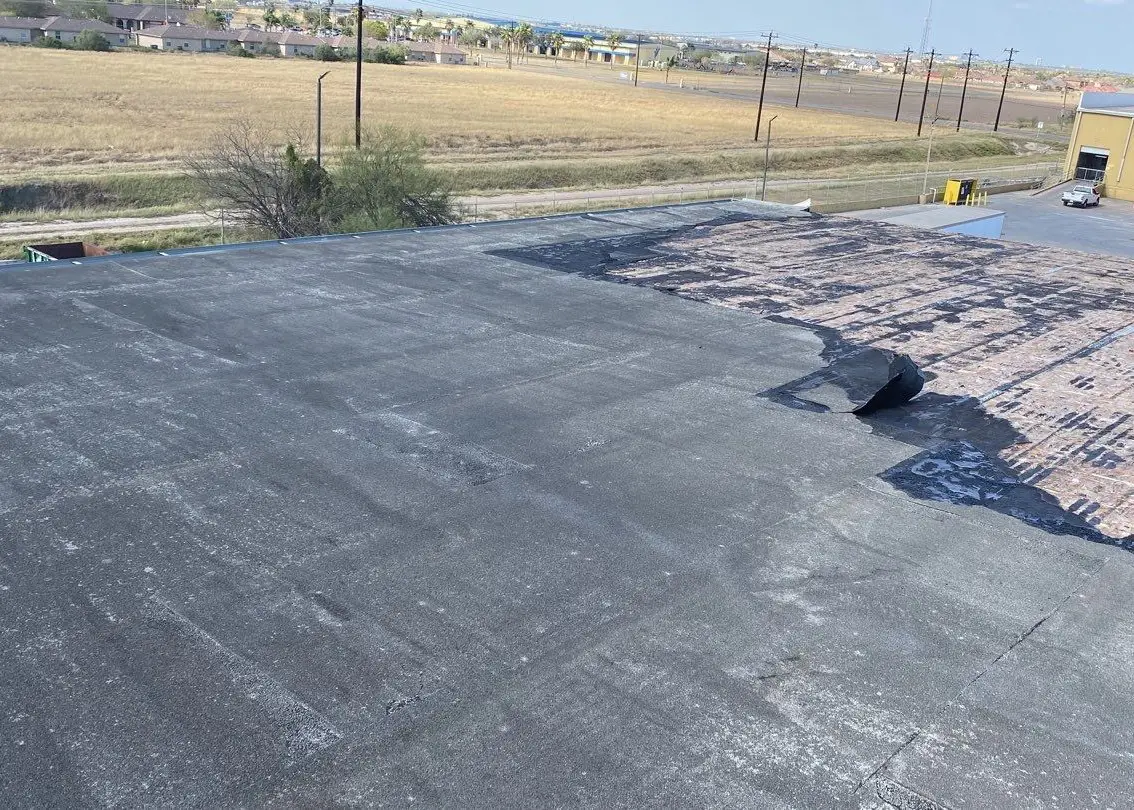 Code and Wind Review in Providence, RI
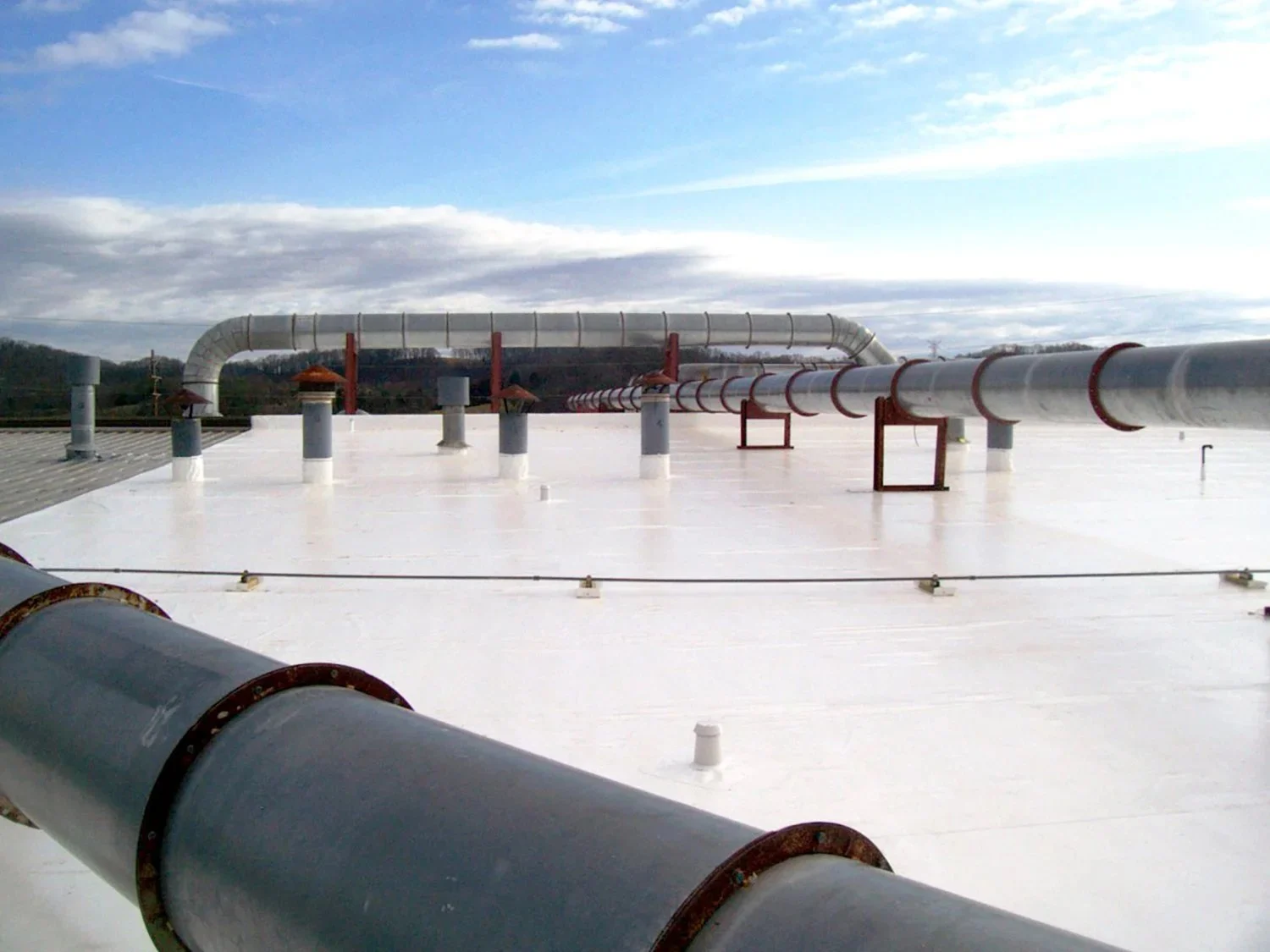 Core Cut Analysis in Providence, RI
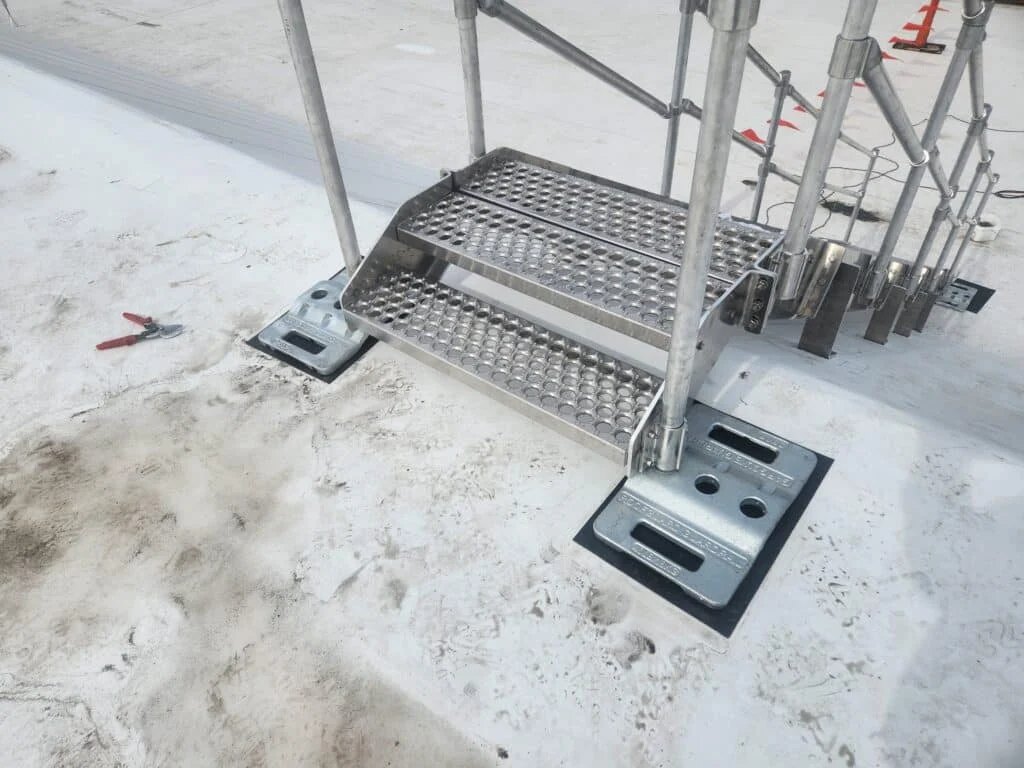 Crane and Material Staging in Providence, RI
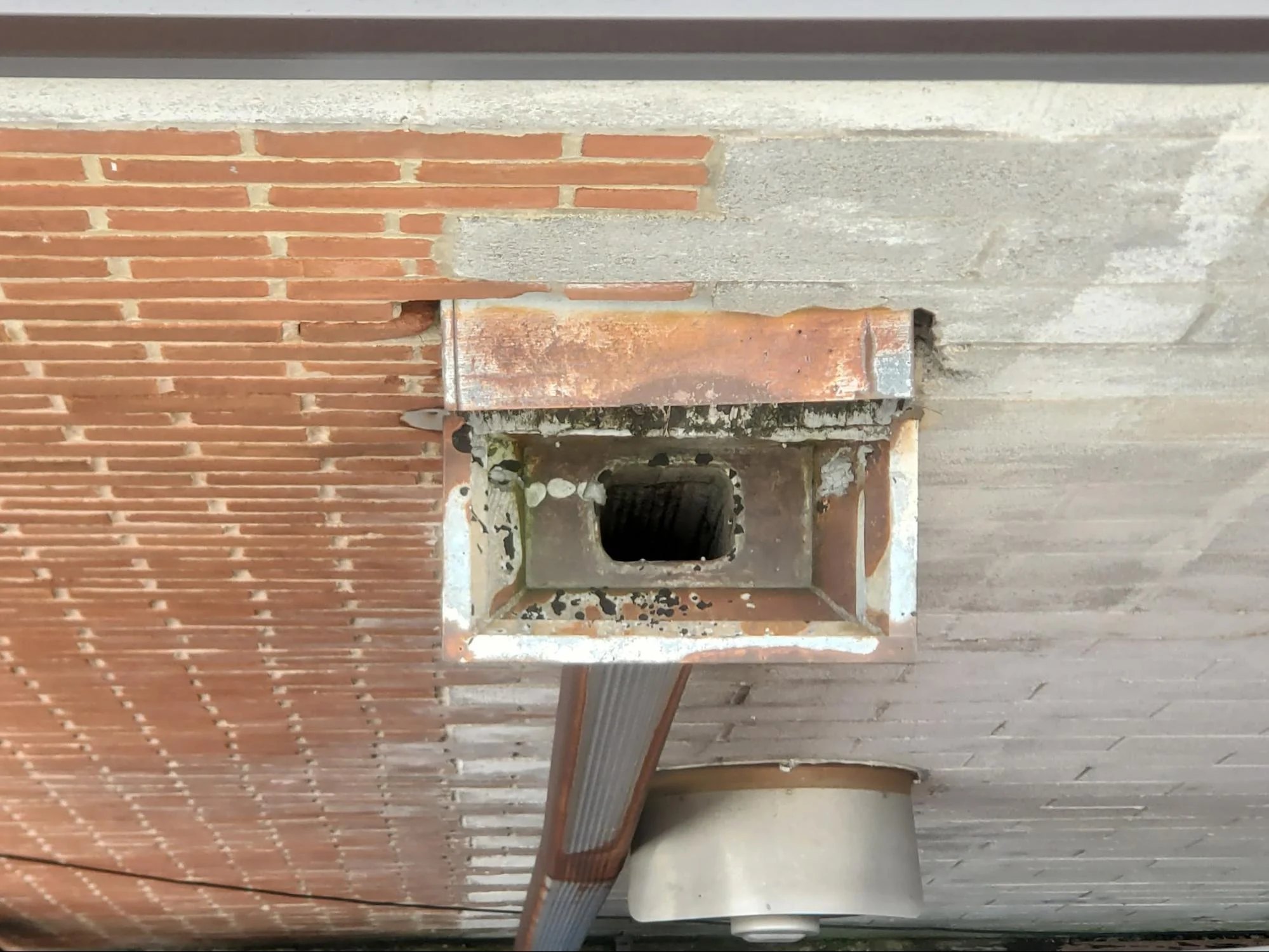 Drainage Layout Review in Providence, RI
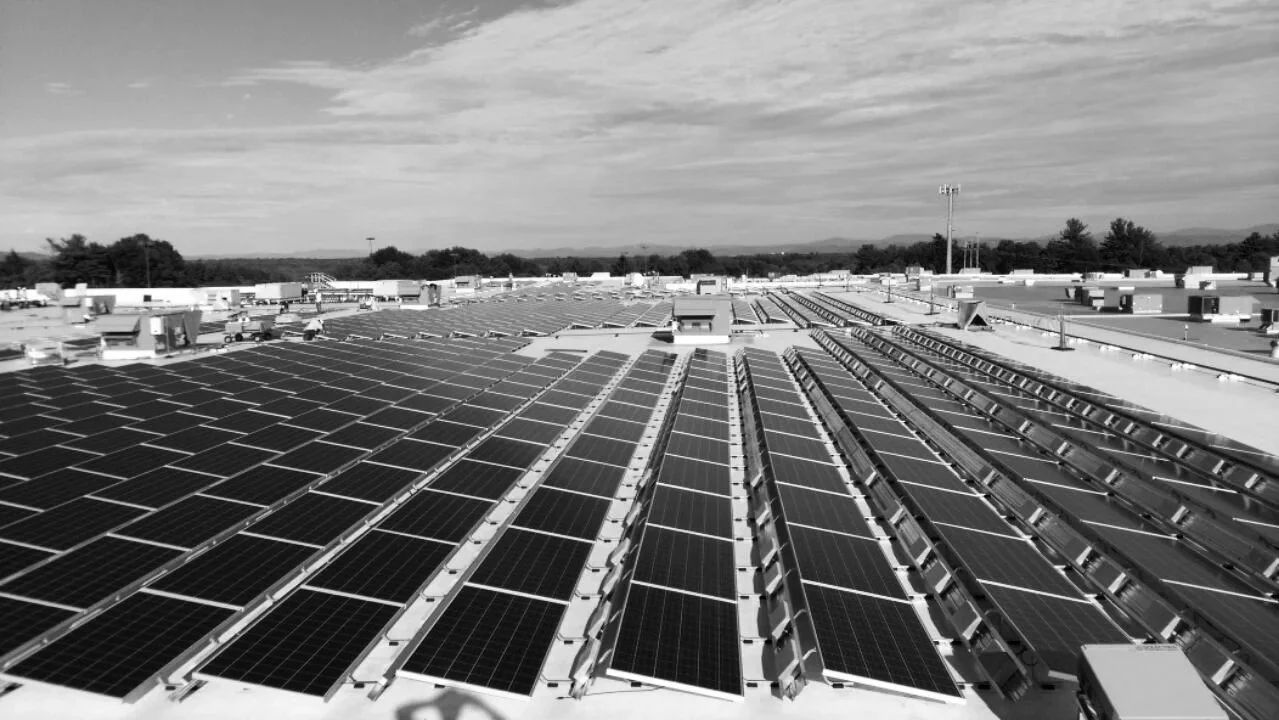 Energy and Insulation Review in Providence, RI
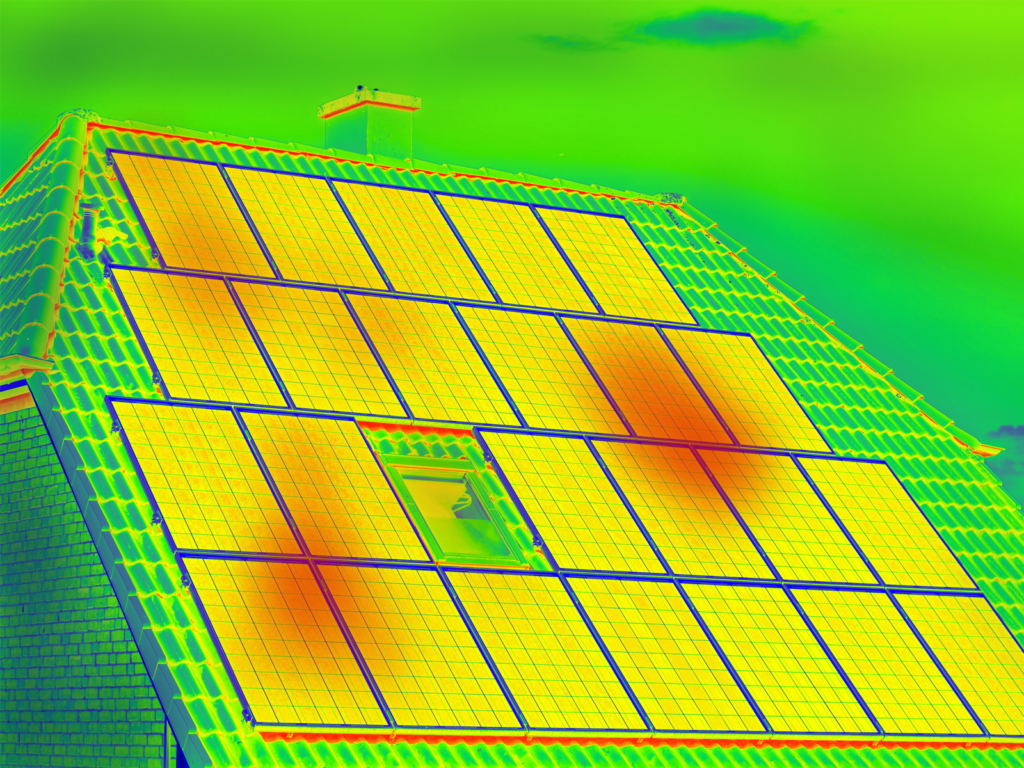 Infrared Moisture Scans in Providence, RI
 Providence
 Warwick