Getting the Roof Right on Paper Before It Goes On the Building
A commercial roof has to satisfy the building code and it has to stay attached in a windstorm, and those two requirements drive a surprising number of the decisions on any reroof. How the membrane is fastened, how thick the insulation needs to be, what happens at the perimeter and corners, what the deck can carry, and what an inspector will sign off on all trace back to code and wind. We work through that review at the front of a project so the roof that gets installed is the roof that passes inspection and holds up in a nor'easter, not one that has to be reworked after the fact. We do this for commercial buildings across Rhode Island, statewide in all 39 towns.
Wind Uplift: Why It Drives the Whole Assembly
Wind does not press evenly on a roof. As air moves over a building it lifts the membrane, and that uplift force is strongest along the edges and strongest of all at the corners, where it can be several times the pressure out in the open field of the roof. A roof that is fastened the same everywhere is over-built in the middle and dangerously under-built at the corners, which is exactly where failures start. When a single-ply membrane lets go at a corner in high wind, the wind gets under it and peels the roof like a label.
A proper wind review sets the attachment to match these zones. That means a denser fastening pattern, closer fastener spacing, or a stronger adhesive at the perimeter and corners than in the field. Getting those zones right is the difference between a roof that rides out a storm and one that becomes an emergency call the next morning.
Exposure varies sharply across the state
Rhode Island is small but its wind exposure is not uniform. Buildings on Aquidneck Island, in Newport, and along the South County shore sit in higher wind-exposure conditions than buildings tucked inland, and the design pressures the roof has to resist are higher there as a result. The salt air on the coast compounds it, because the fasteners and edge metal holding the roof down are also fighting corrosion, so coastal projects often call for both heavier attachment and corrosion-resistant components. An inland warehouse at Quonset and a waterfront building in Newport can need genuinely different roof attachment even with the same membrane, and the review is where that gets sorted out rather than assumed.
Building Code: What the Review Covers
Beyond holding the membrane down, the code touches a roof in several ways, and a project that misses any of them can stall at inspection. Our review looks at the points that come up most often on commercial reroofs:
- Insulation and energy requirements. The code sets minimum thermal performance for the roof, which dictates how much insulation the assembly needs. This affects both the budget and the height of the finished roof at terminations and curbs.
- Cover boards and substrate. Many assemblies and warranties require a cover board over the insulation, and the review confirms the buildup meets both code and manufacturer requirements as one coordinated system.
- Recover versus tear-off. The code limits how many roof layers a building can carry and when an existing roof must come off rather than be covered over. We confirm which path is allowed before the scope is set, because guessing wrong here is expensive.
- Edge metal and perimeter securement. Perimeter edge details are governed by their own standards for wind resistance, and on a single-ply roof the edge is a common failure point. The review confirms the edge metal is rated and detailed for the building's wind exposure.
- Drainage and slope. Code expects water to leave the roof. Where ponding is a chronic problem, the review addresses whether tapered insulation or added drainage is needed to meet requirements and protect the membrane.
- Fire and deck considerations. The assembly has to carry the right fire rating for the building, and the deck type affects what attachment methods are even available.
The New England Climate Raises the Stakes
The same weather that makes wind attachment critical makes the rest of the review matter too. Heavy snow load from nor'easters bears on the deck and on the roof's drainage, and a roof that ponds and then freezes is carrying weight and stress the design needs to anticipate. Freeze-thaw cycling works on every fastener and seam through the winter, and ice damming hunts for any detail that was undersized or skipped. Reviewing insulation, drainage, and attachment together, with the local climate in mind, produces a roof that handles a Rhode Island winter rather than one that merely passed on a calm day in October.
Rhode Island's Older Buildings Need Extra Attention
The state's stock of 19th-century textile-mill buildings in Pawtucket, Woonsocket, and West Warwick brings its own review questions. These structures were built long before modern roofing codes, and their decks, structural capacity, and existing layered roof buildups all have to be understood before a new system is specified. What attachment the old deck will actually accept, whether existing layers have to be removed, and how much added insulation weight and height the building can take are real constraints on a mill roof, and we factor them into the review rather than treating an old building like new construction.
Coordinated With the Work, Not an Afterthought
We carry the code and wind review straight into how the roof is built. The fastening pattern that came out of the wind analysis is the pattern our crews install. The insulation thickness, cover board, edge metal, and flashing details that the review settled are what go on the building. Where a project requires engineered documentation or a permit, we coordinate so the paperwork matches the installed work. If you have a commercial reroof or a new roof anywhere in Rhode Island and want it reviewed for code compliance and wind resistance before it is built, we can work through the assembly, the exposure, and the requirements with you up front.
 Capital Budget Planning in Providence, RI
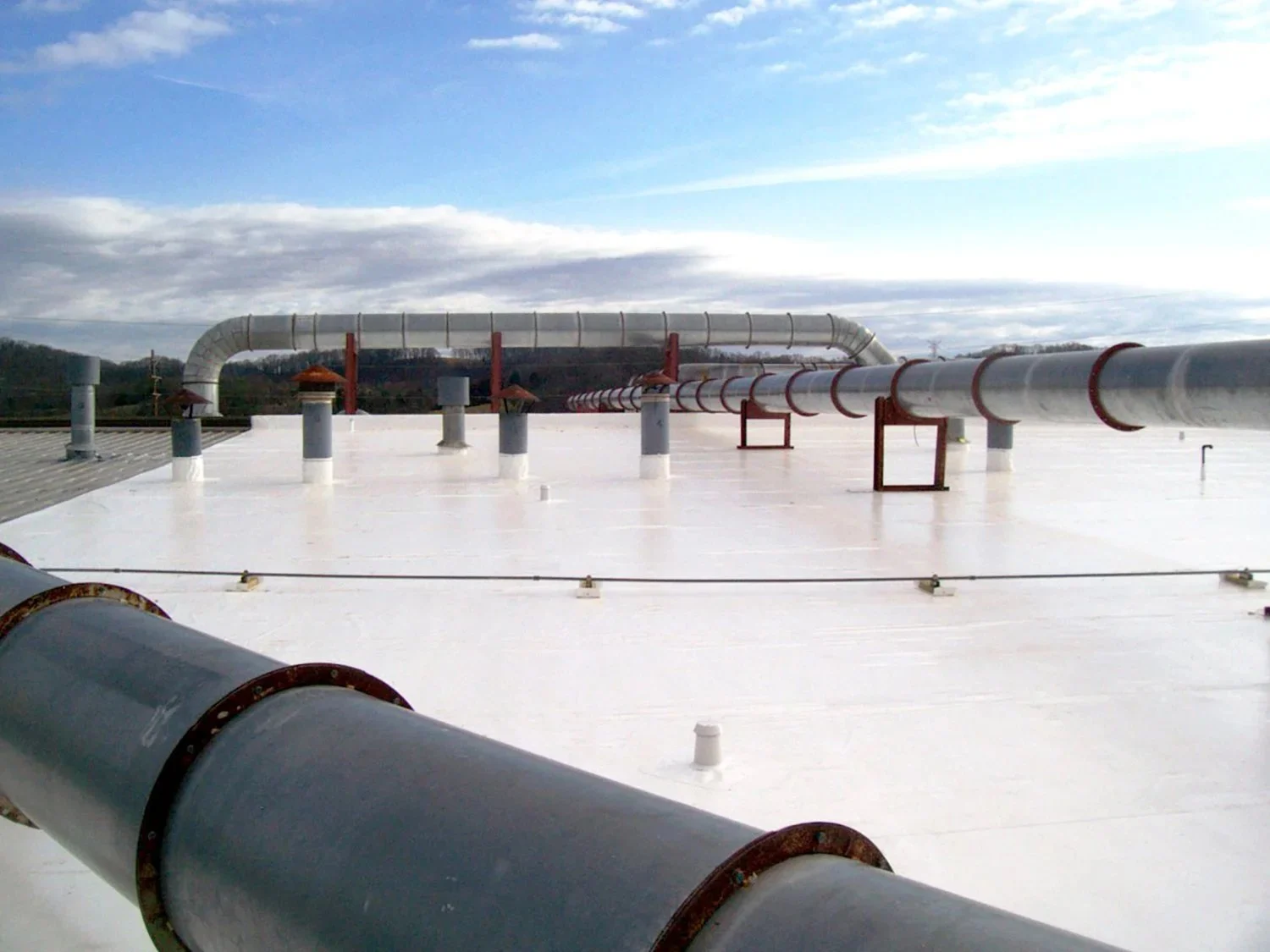 Core Cut Analysis in Providence, RI
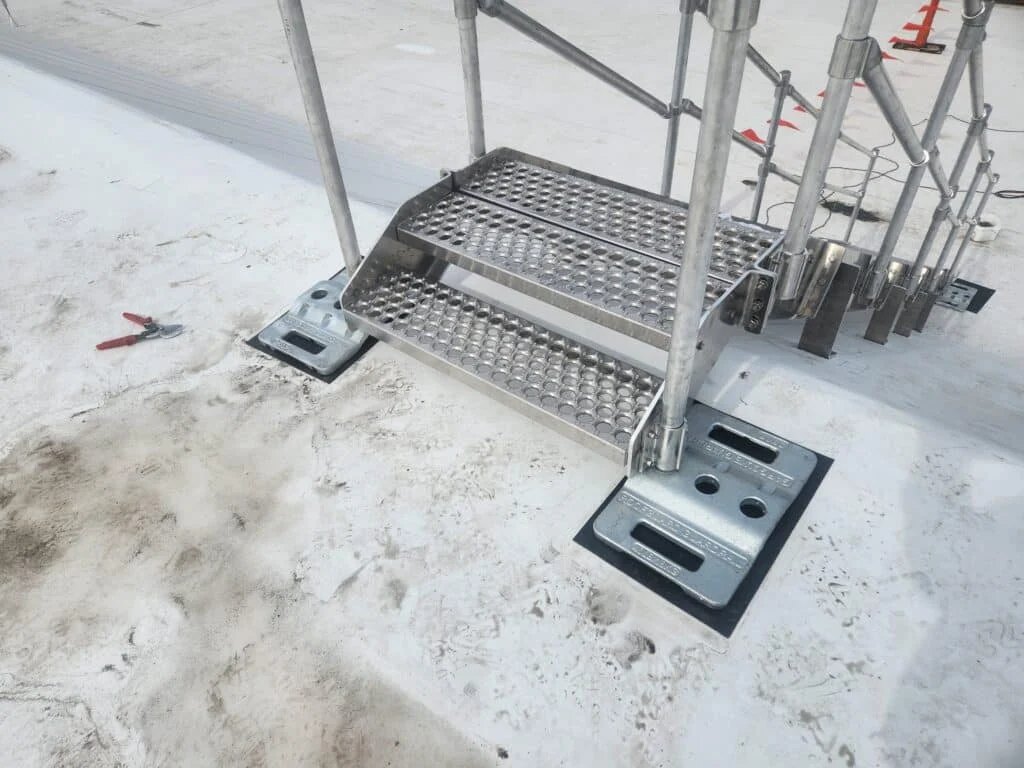 Crane and Material Staging in Providence, RI
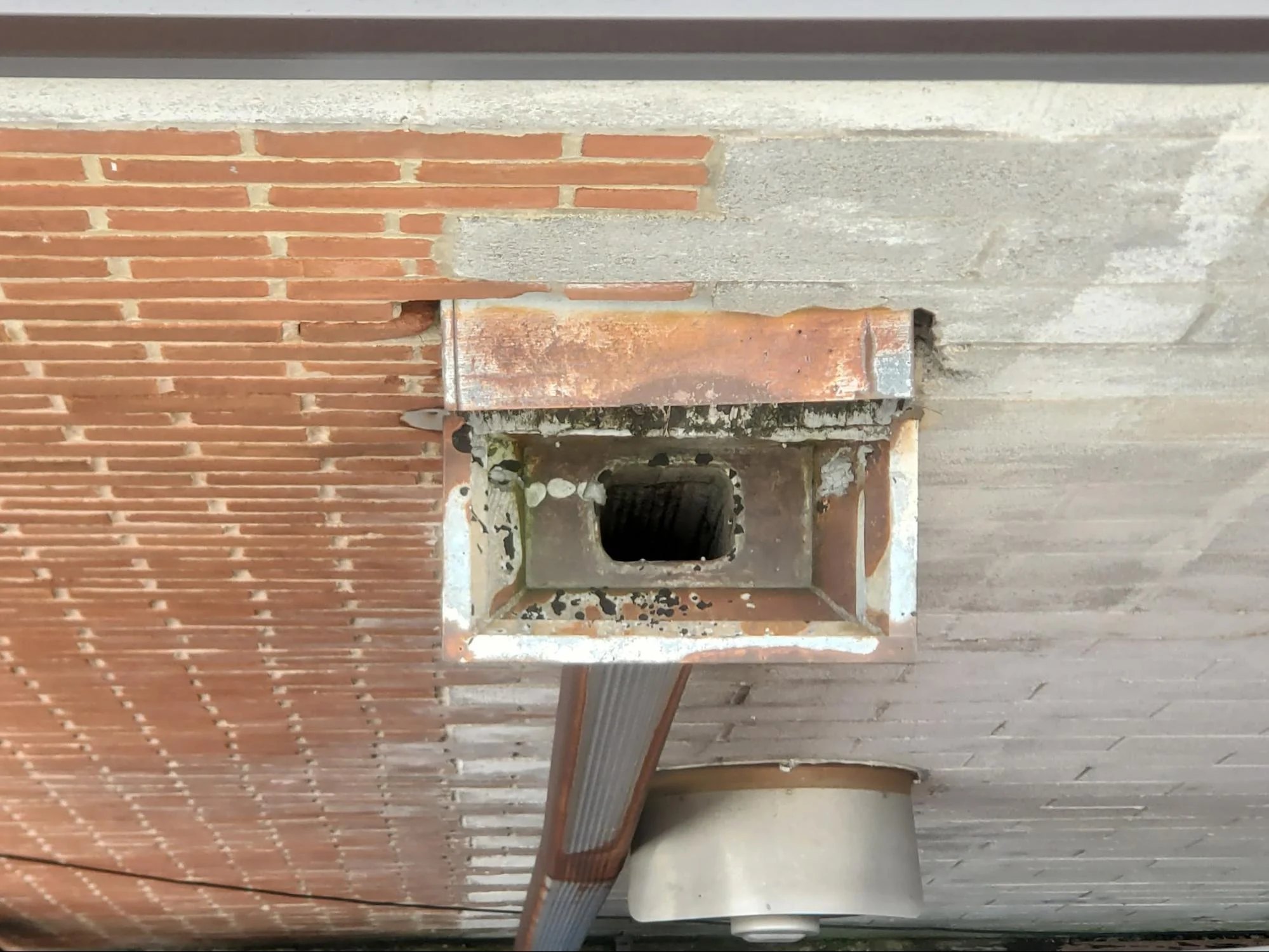 Drainage Layout Review in Providence, RI
 Energy and Insulation Review in Providence, RI
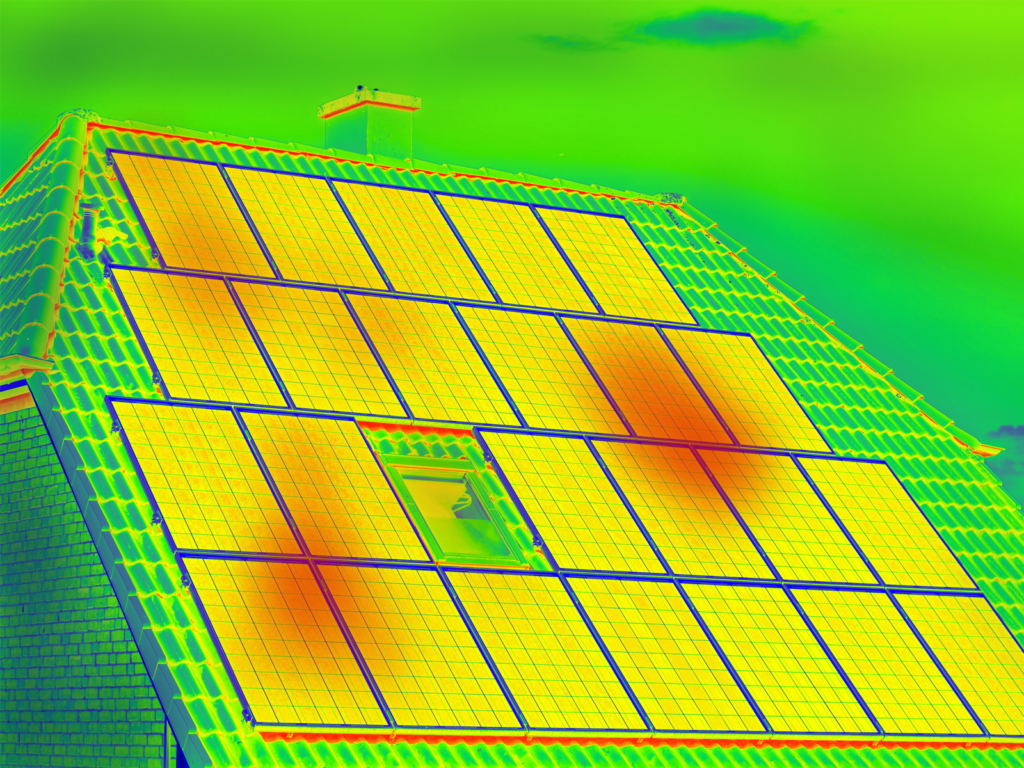 Infrared Moisture Scans in Providence, RI
 Providence
 Warwick