
What a Core Cut Tells You That a Walkthrough Cannot
A roof looks like a single surface from the parapet, but it is a layered assembly: membrane, adhesive or fasteners, cover board, insulation, a vapor retarder on some buildings, and the structural deck underneath. A core cut is the only way to see all of those layers at once. We remove a small, full-depth plug of the roof, photograph and measure each layer, then patch the opening watertight before we leave. On a Rhode Island building where the existing roof may have been recovered once or twice over forty years, the core is what separates a guess from a specification.
We pull cores when a building owner is weighing repair against replacement, when a budget needs a defensible number rather than a round figure, and when a roof has a history of leaks that surface readings alone have not explained. The plug answers the questions that drive the whole project: how many roofs are stacked up there, whether the insulation is dry, what the deck is made of, and how the new system has to be attached.
Reading the Layers in an Older Mill Roof
Much of the low-slope building stock in Pawtucket, Woonsocket, and West Warwick dates to the textile-mill era, and those roofs have long, complicated histories. We routinely cut into assemblies that turn out to be gravel-surfaced built-up roofing over older built-up roofing, sometimes with a cap sheet added on top of that. Each layer adds dead load and traps a record of past repairs. A core cut shows us the full stack, and once we know there are already two or three roofs in place we can tell an owner plainly whether code allows another recover or whether a tear-off is the only honest path forward.
The deck under these mill roofs is frequently structural concrete or wood plank rather than steel, and that changes everything downstream. Concrete decks can hold construction moisture and need the right fastening or a bonded application; wood plank may have soft boards that have to be replaced before a new membrane goes down. We do not assume the deck type from the building's age. We look at the plug, note the deck, and design the attachment to match what is actually there.
What We Record at Each Core Location
- Number of roof systems present and the surfacing on each
- Membrane type and approximate thickness where it can be identified
- Insulation type and total measured thickness, which tells us the effective R-value on hand
- Whether the insulation is dry, damp, or saturated at that point
- Presence and condition of any cover board and vapor retarder
- Deck material and visible condition at the opening
- Total assembly thickness, which governs flashing heights and edge metal
Finding Wet Insulation Before It Spreads
Water that gets past a membrane rarely shows up under the leak. It travels along the deck and through the insulation, so the stain on the ceiling and the wet area on the roof can be far apart. Core cuts let us confirm whether insulation is wet and how widely the moisture has migrated. We often pair coring with a roof moisture survey: an infrared scan or a capacitance meter maps the suspect zones across the whole field, and then we cut cores inside and outside those zones to verify what the instruments flagged. The scan shows the pattern; the core proves it.
This matters more in Rhode Island than in milder regions because of freeze-thaw. Once insulation holds water, our winters put it through dozens of freeze and thaw cycles. Frozen moisture expands, opens seams and fastener holes a little wider, and the next thaw lets in more water. A roof that was merely damp in October can be a much larger problem by April. Catching saturated insulation through coring lets an owner replace wet sections during a repair instead of paying to install a new membrane over insulation that is already failing underneath.
From Core Data to a Defensible Scope
The findings from a set of cores feed directly into how we write a project. If the cores come back dry, the deck is sound, and code allows it, a recover may be the most cost-effective route and we can say so with evidence. If the cores show two existing systems and wet insulation across a third of the field, we will scope a tear-off and explain exactly why the cheaper option is not actually cheaper over the life of the roof.
Core data also sizes the parts of the job that owners do not see in a brochure. Total assembly thickness sets the height of new base flashings and the size of the edge metal. The insulation we find on hand tells us how much we need to add to bring the roof up to current energy code on a full replacement. Deck type drives the fastening pattern and wind-uplift design, which is not academic on a state where coastal and exposed sites take the brunt of New England nor'easters.
How We Place and Patch Cores Responsibly
- We spread cores across roof areas, levels, and ages rather than clustering them, so the sample reflects the whole roof
- We take extra cores near recurring leaks and at the edges of moisture-survey anomalies
- We avoid cutting directly over occupied or sensitive spaces wherever the layout allows
- We seal every opening with compatible materials and a watertight patch the same day
- We log GPS or dimensioned locations so the patches can be checked on later visits
Coverage Across All Thirty-Nine Towns
We perform core cut analysis on commercial and industrial roofs statewide, from the downtown Providence office and hospital district to the large industrial roofs at Quonset Business Park and the smaller storefront and municipal buildings in every Rhode Island town. On Aquidneck Island and through South County we pay particular attention to what the cores reveal about salt exposure and fastener corrosion, since coastal air is hard on the metal components buried in an assembly.
The point of a core cut is to replace assumptions with facts before anyone signs off on a number. A small plug of roof, read carefully and patched properly, can be the difference between a repair that holds and a reroof that should have been a repair. If you are planning roof work and want to know what is actually up there, a core cut analysis is where we start.
 Capital Budget Planning in Providence, RI
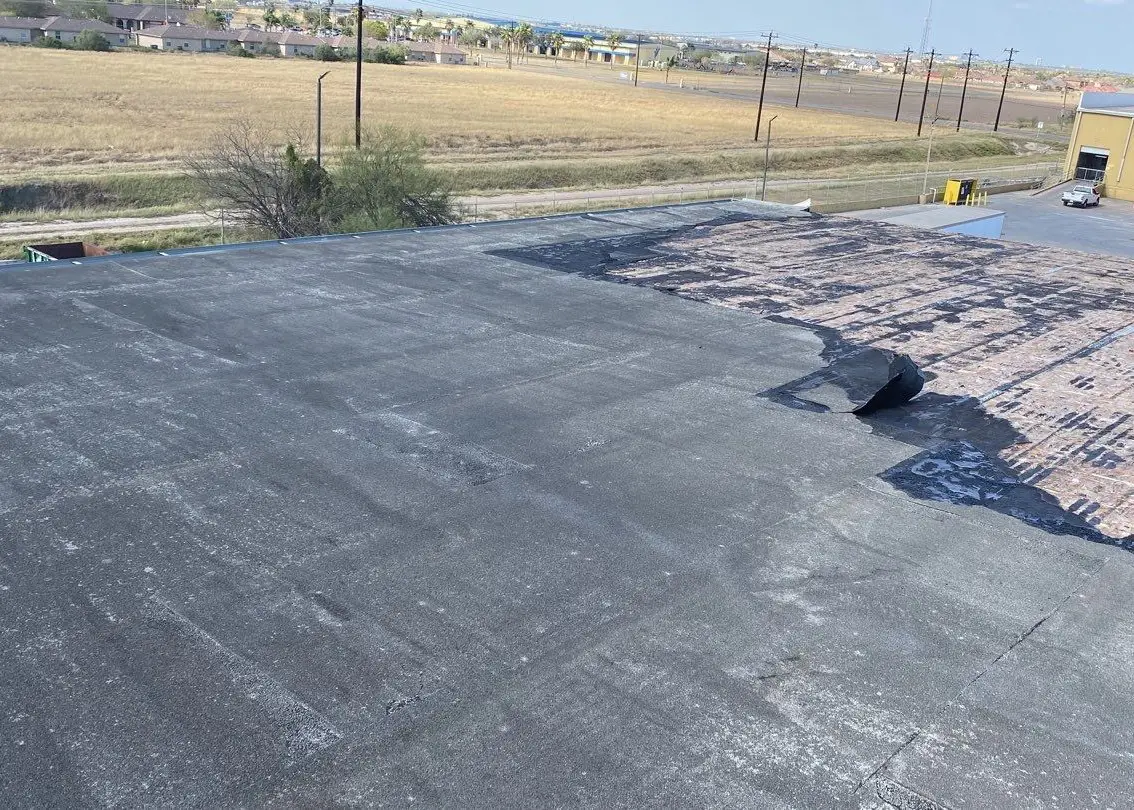 Code and Wind Review in Providence, RI
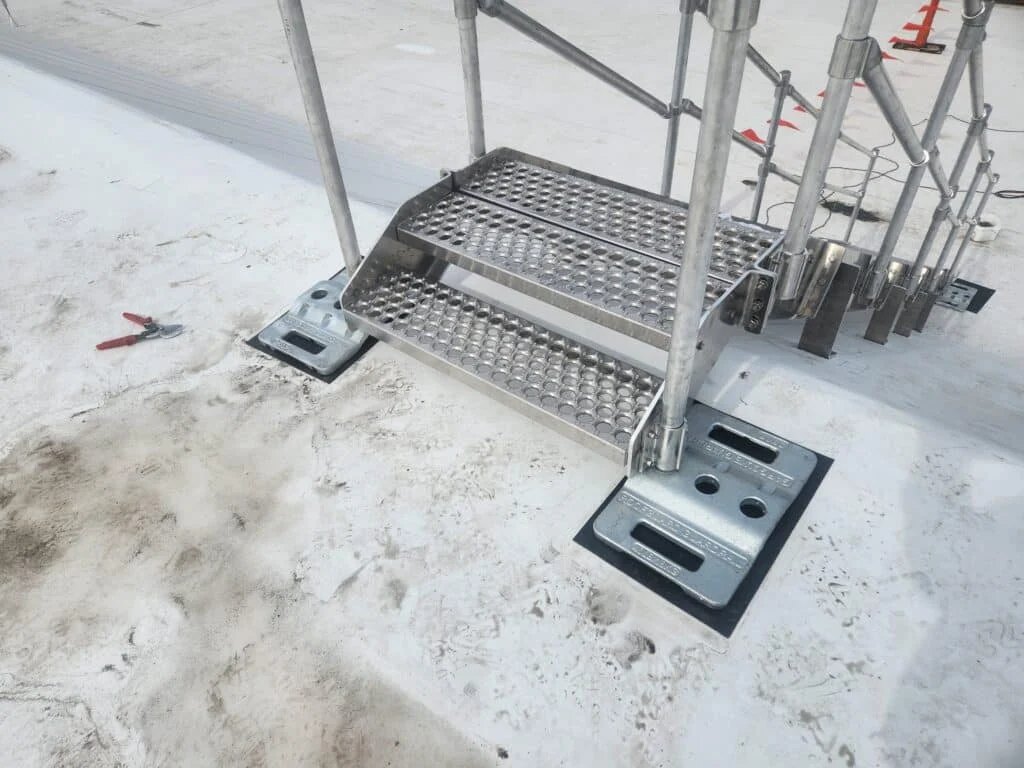 Crane and Material Staging in Providence, RI
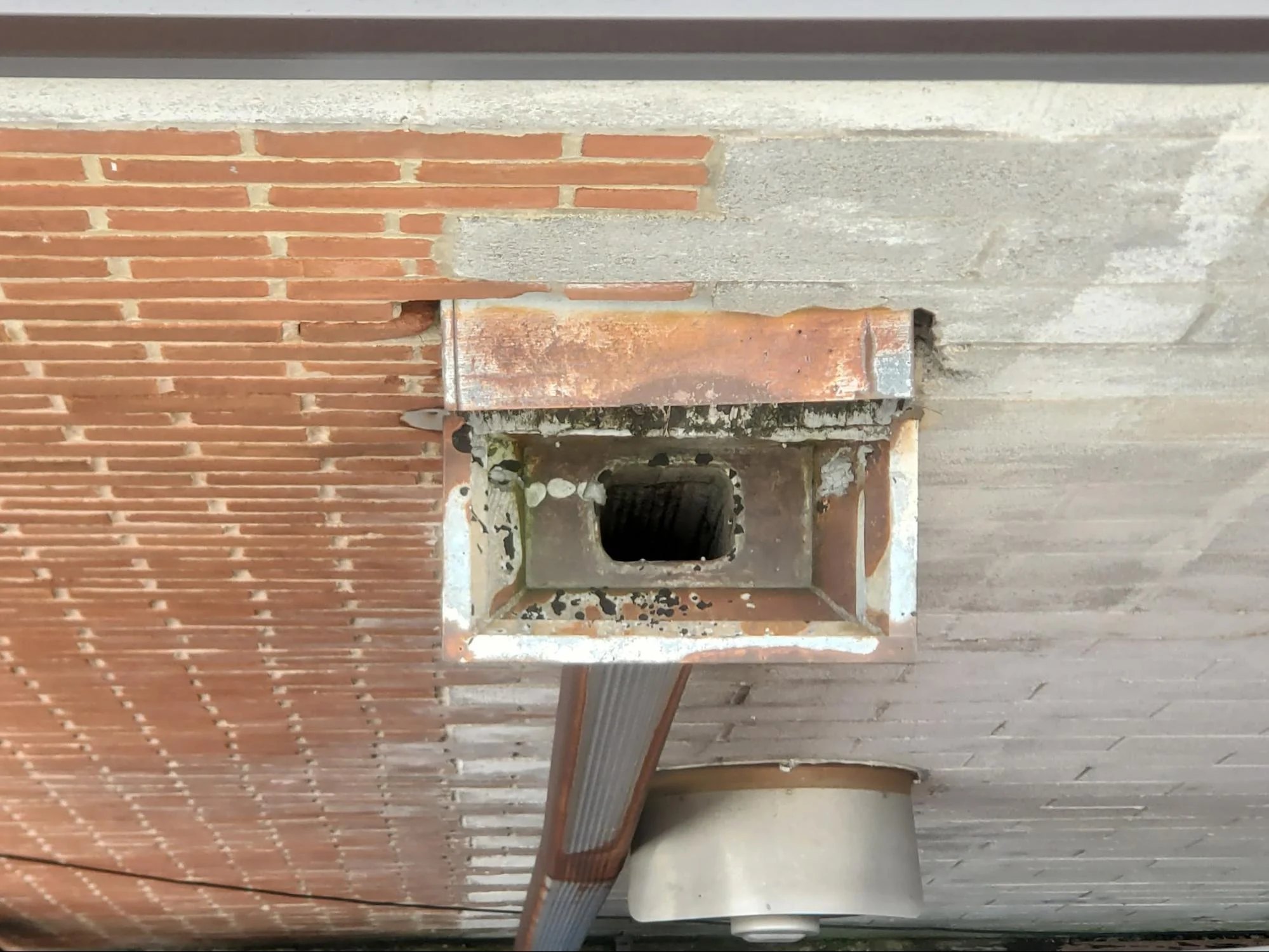 Drainage Layout Review in Providence, RI
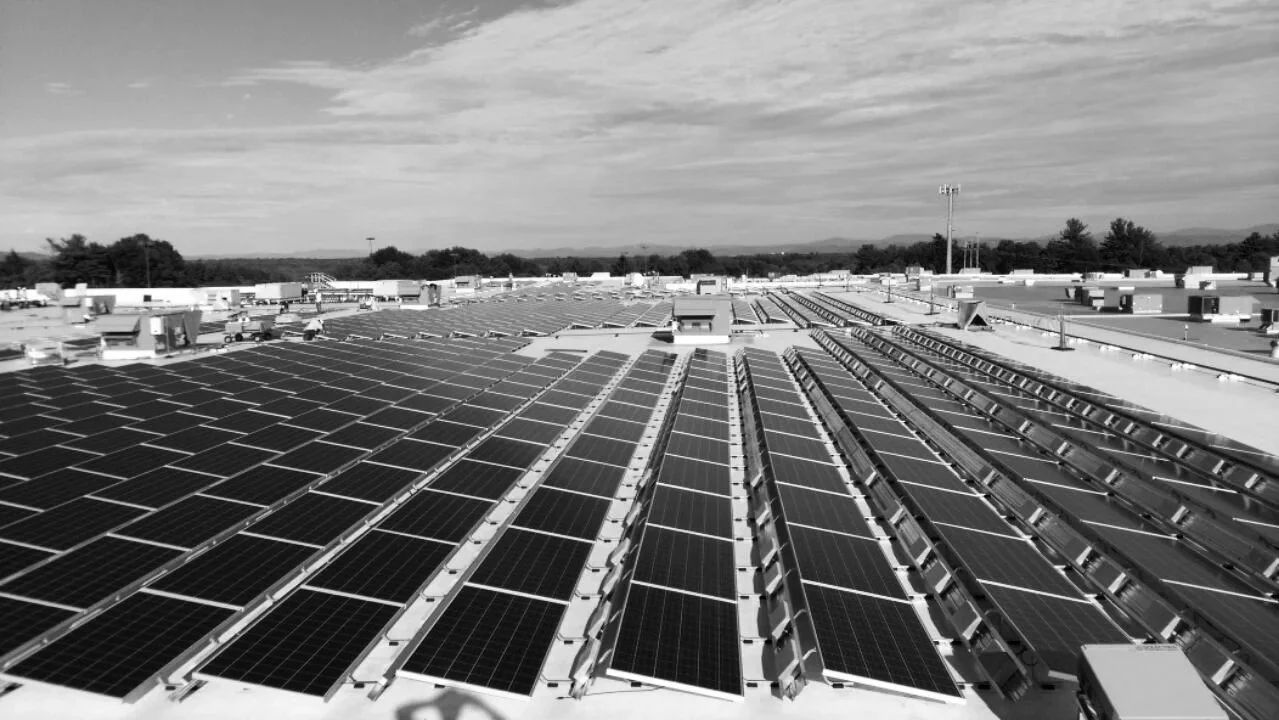 Energy and Insulation Review in Providence, RI
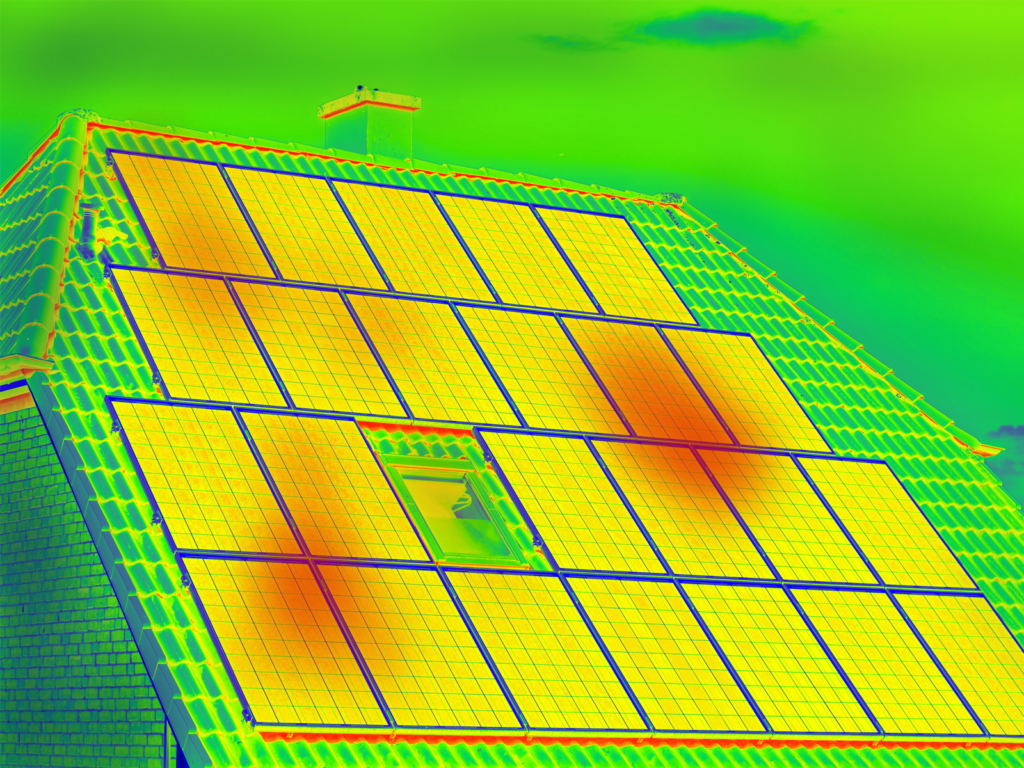 Infrared Moisture Scans in Providence, RI
 Providence
 Warwick